Are There Over 2000 Types of Cheese?
You'll find over 2,000 distinct types of cheese worldwide, with new varieties continually emerging as artisanal cheesemakers investigate with different techniques, milk sources, and aging processes. From soft and fresh varieties like Brie to hard-aged classics like Parmesan, cheese has evolved considerably since its origins around 5,500 BCE in the Middle East. From Serbia's rare Pule cheese to Italy's unique Casu Marzu, the world of cheese holds countless fascinating revelations waiting to be uncovered.
The Global Journey of Cheese Making
Nearly every corner of the world has contributed to the extraordinary story of cheese making, resulting in over 2,000 distinct varieties today. The excursion began around 5,500 BCE in the Middle East, where ancient civilizations uncovered how to transform milk into cheese. As communities migrated and cultures intermingled, cheese making techniques spread across Europe and eventually to the Americas.
You'll find that cheese production methods have evolved dramatically, especially since the invention of refrigeration in 1913. This technological leap has enabled cheese varieties to flourish globally while preserving traditional techniques. Today's cheese consumption patterns reflect this rich heritage, with countries like Greece leading the world in per capita consumption.
The international cheese trade continues to shape local economies and culinary traditions, connecting ancient practices with modern markets. Even in China, the Bai people's cheese traditions during the Ming Dynasty demonstrate how this versatile food crossed cultural boundaries.
Essential Categories of Cheese
While cheese varieties number in the thousands, they fit into distinct categories that make them easier to understand and appreciate. When you're exploring types of cheese, you'll find they generally fall into five main groups: soft and fresh, aged and hard, crumbly and spreadable, flavored and specialty, and melting cheeses. For those seeking distinctive flavors, blue-veined cheeses like Roquefort and Gorgonzola offer pungent and sharp taste profiles with striking blue-green mold patterns.
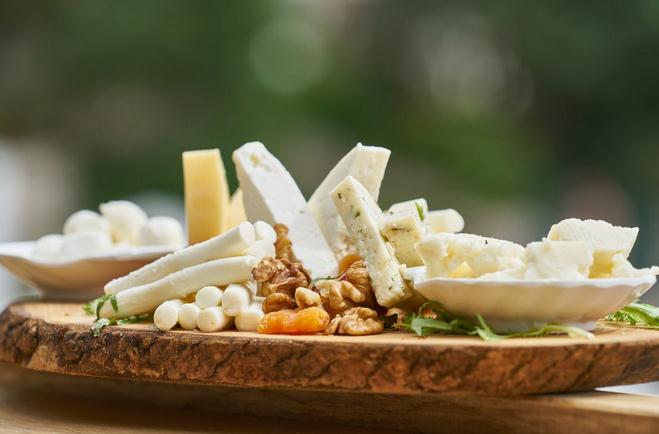
If you're just starting your cheese exploration, try beginning with soft cheese varieties like Brie, Burrata, or Fresh Mozzarella. For more intense flavors, hard cheese options like Parmesan, Gruyère, and aged Cheddar offer complex taste profiles developed through aging. You'll find crumbly and spreadable varieties, such as Feta and Cotija, perfect for salads and sandwiches. Each category brings its own unique characteristics to your culinary expeditions.
Regional Cheese Specialties
Regional traditions and cultural practices shape the vast diversity of cheese specialties found worldwide. You'll find unique types of cheeses in unexpected places, from Serbia's rare Pule cheese made from Balkan donkey milk to Ethiopia's crumbly Ayibe served as a traditional side dish. In Algeria's Aurès Mountains, locals produce Bouhezza, a distinctive ripened cheese crafted from raw goat or sheep milk. Meanwhile, in northern Benin, the Fulani people create Wagasi, a soft cheese using cow's milk.
These examples represent just a fraction of the over 2,000 cheese varieties produced globally. While major cheese-producing nations contribute millions of metric tons of cheese annually, it's often the small-scale, regional producers who maintain some of the world's most fascinating and culturally significant cheese-making traditions. In Sardinia, the controversial Casu Marzu cheese contains thousands of live maggots that help break down the cheese's fats during the aging process.
Understanding Cheese Textures and Aging
Every cheese undergoes a unique metamorphosis during its aging expedition, developing distinct textures and flavor profiles that captivate cheese enthusiasts worldwide. You'll notice how soft cheeses like brie plunge into creamy delicacies, while hard cheeses such as parmesan become increasingly firm and crumbly as they mature.
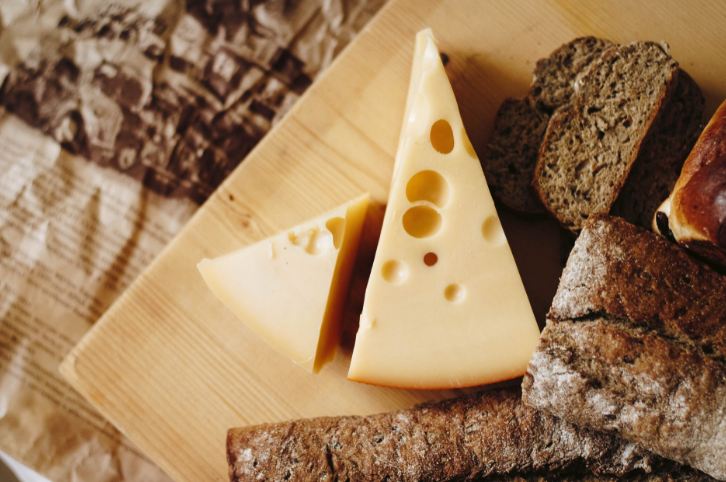
The aging process plays a fascinating role in cheese development. Take Swiss cheese, where gas production creates those distinctive holes, or "eyes," while developing its characteristic nutty flavor. You can also observe this transformation in cheddar, which starts relatively soft but becomes more crumbly with age. Whether it's a few weeks or several years, the length of aging drastically impacts your cheese's final characteristics, contributing to the extraordinary diversity of over 2,000 cheese varieties available today.
The Art of Cheese Storage and Serving
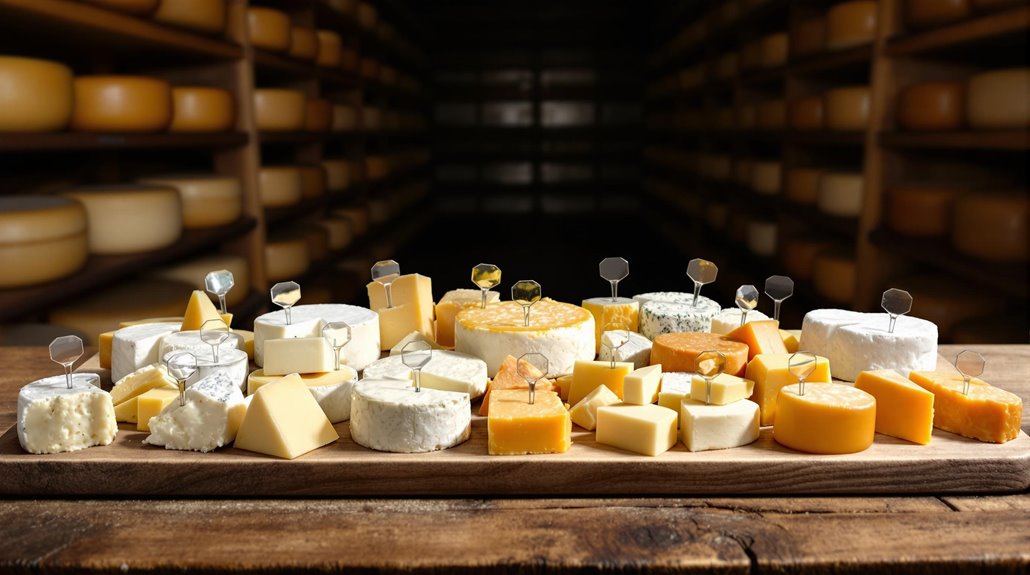
Storing cheese properly can make the difference between a wonderful culinary experience and a disappointing one. When you store cheese, remember that different varieties require specific care. For semi-hard cheese varieties, maintain temperatures between 8-13°C to preserve their quality and extend shelf life.
Don't wrap soft cheeses in cling film; instead, use waxed or grease-proof paper to allow them to breathe while protecting their texture. When handling blue cheeses, essential you wrap them completely to prevent mold spores from affecting other foods in your refrigerator.
Before serving any cheese, let it reach room temperature by removing it from storage about 30 minutes ahead. This vital step allows the cheese's complex flavors and aromas to fully develop, making sure you'll experience its true character.
Popular Melting Cheeses Around the World
Melted cheese alters ordinary dishes into irresistible comfort foods, and cultures worldwide have their preferred varieties for achieving that perfect gooey consistency. You'll find that American cheese offers a consistently smooth melt, making it a popular choice for grilled sandwiches and burgers.
When you're looking for exceptional melting properties, Monterey Jack delivers a buttery, mild flavor that won't overpower your dishes. For pizza lovers, nothing beats Mozzarella's signature stretch and melt. You'll appreciate Muenster's smooth, even melt that's perfect for everything from quesadillas to casseroles. If you can't decide between two favorites, try Colby-Jack, which combines the best qualities of both cheeses into one seamless melting experience. These versatile options guarantee you'll always have the right cheese for your melting needs.
Unique and Rare Cheese Varieties
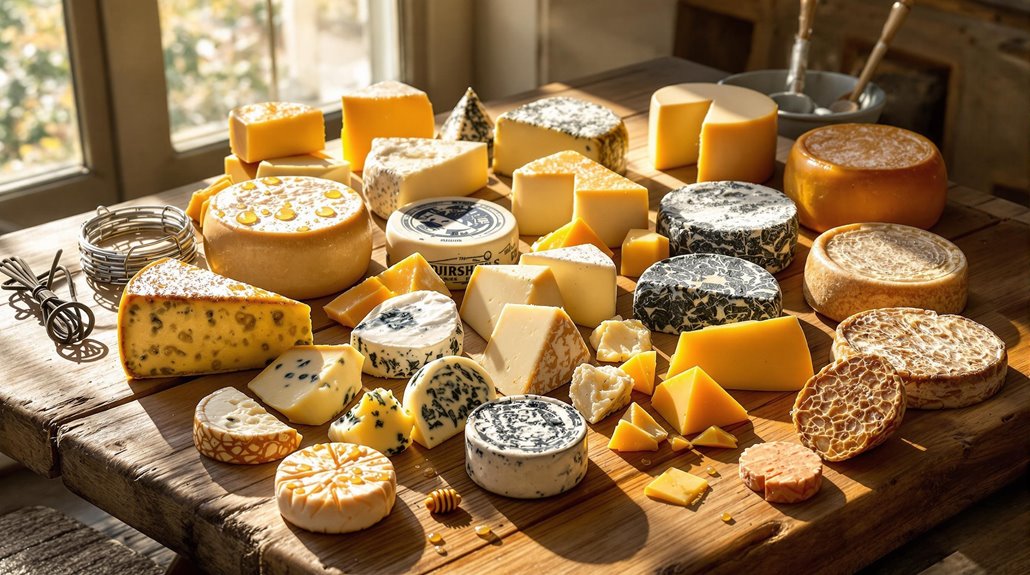
While popular melting cheeses offer familiar comfort, the world of cheese extends far beyond these common varieties. Among the most fascinating rare cheeses, you'll find pule, an extraordinary Serbian cheese made from donkey milk that's considered one of the world's most expensive. If you're adventurous, you might want to try Vieux Boulogne, known as the world's smelliest cheese, though it's not for the faint of heart.
- You'll be amazed by Sardinian Pecorino's potential heart health benefits from its omega-3 fatty acids
- You'll uncover unique Australian favorites like Coon and Tasty that put their own spin on classic cheddar
- You'll experience how each rare cheese tells a story of its region's culture and traditions
The diversity of cheese varieties showcases humanity's ingenious creativity in transforming simple milk into extraordinary culinary treasures.
Cheese Production Methods and Techniques
The art of cheesemaking converts milk into thousands of distinct varieties through a fascinating combination of science and tradition. You'll find that the process involves several critical steps, starting with coagulation, where milk proteins form curds that separate from the whey. After shaping and pressing the curds, fermentation begins as beneficial bacteria modify the cheese's texture and flavor profile.
The aging and ripening stages are where you'll see the most dramatic changes in your cheese. During maturation, enzymes break down proteins and fats, developing complex flavors and textures. Whether you're using traditional artisanal methods or modern industrial techniques, each approach offers unique advantages. While industrial processes guarantee consistency and safety at scale, artisanal methods often create distinctive characteristics that you won't find in mass-produced varieties.
Cultural Significance of Cheese Traditions
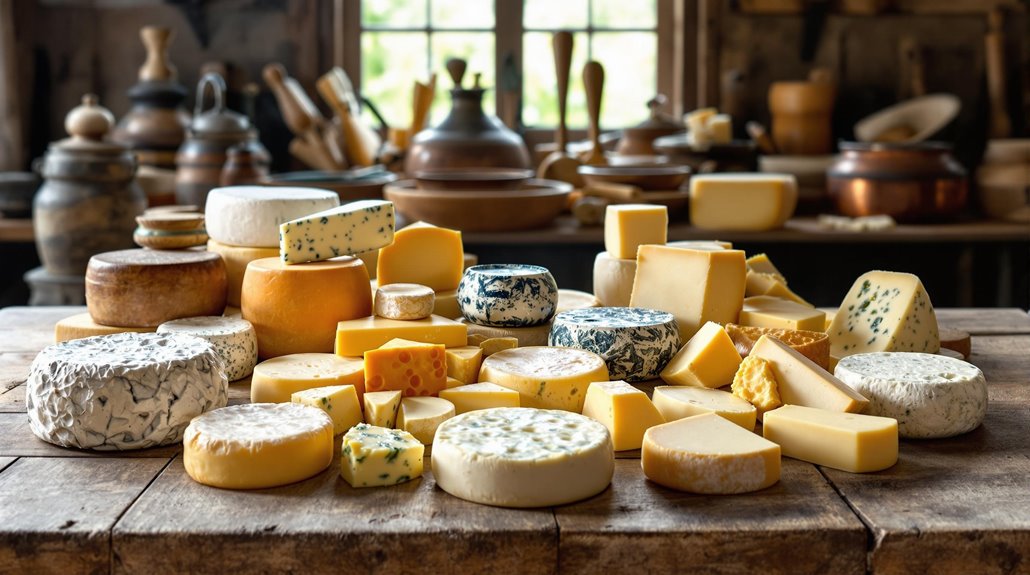
Throughout human history, cheese production has evolved from a simple preservation method into a rich fabric of cultural traditions. This ancient food whose origins dates back to the Middle East has shaped civilizations from the Roman Empire to modern societies. You'll find that traditional cheese-making techniques tell stories of regional identity, passed down through generations.
- When you participate in local cheese festivals, you're connecting with centuries-old customs that celebrate community and cultural heritage.
- As you investigate different cheese varieties, you're experiencing the creativity and ingenuity of countless artisans who've perfected their craft.
- Every time you sample a regional cheese specialty, you're preserving living traditions that have sustained communities for generations.
These cultural practices continue to influence how we produce, consume, and celebrate cheese worldwide.