Can You Freeze Cheese? Effects on Texture & Storage Best Practices
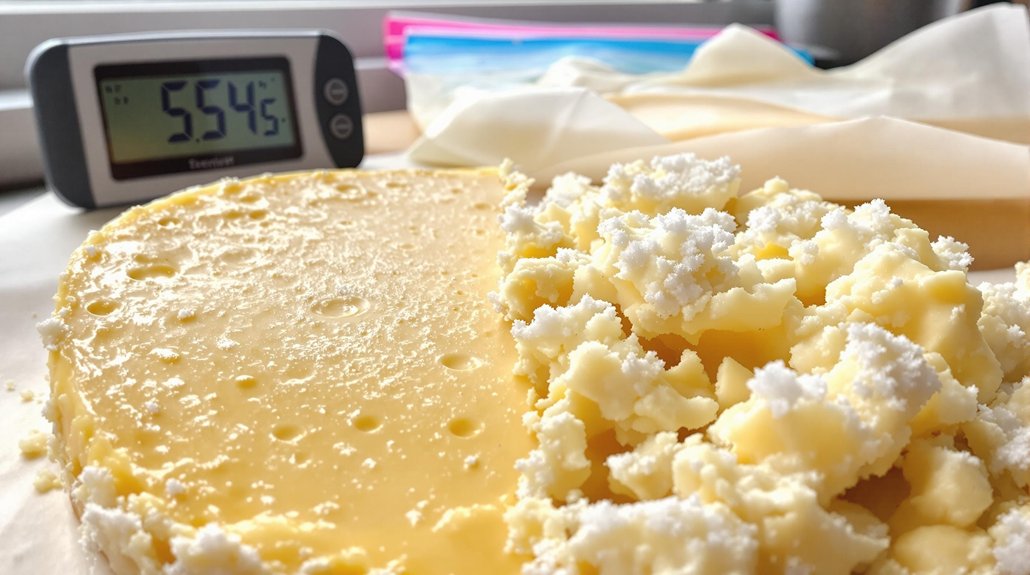
Yes, you can freeze cheese, but it affects texture differently based on type. Hard cheeses like cheddar fare best, lasting up to a year when properly wrapped and sealed. Soft, high-moisture varieties like brie should be avoided as freezing creates ice crystals that disrupt their structure. For best results, shred cheese before freezing, thaw slowly in the refrigerator, and use previously frozen cheese in cooked dishes. The following tips will transform your cheese preservation game.
How Freezing Impacts Cheese Structure
Why does that perfectly creamy cheese suddenly crumble after freezing? The answer lies in what happens to the cheese matrix during the freezing process. When you freeze cheese, water molecules form ice crystals that physically disrupt the delicate protein and fat structures, fundamentally altering its texture.
High moisture cheeses suffer the most damage, as their abundant water content creates more ice crystals that tear through the cheese's structure. In contrast, low moisture varieties fare better when frozen. The speed of freezing matters too—faster freezing creates smaller ice crystals that cause less structural damage.
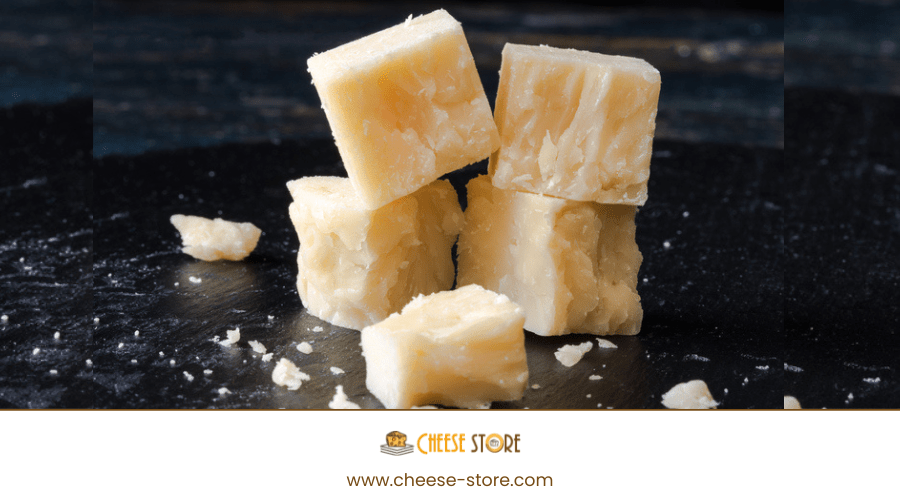
While you can freeze cheese without sacrificing food safety, the freezing and thawing cycle inevitably changes its mouthfeel. The protein and fat components separate, often resulting in crumblier texture and altered flavor profiles. Hard cheeses like Parmesan and Asiago typically maintain their integrity better when frozen due to their naturally lower moisture content.
Best Types of Cheeses for Freezing
Not all cheeses respond equally to freezing. The cheese's moisture content and texture notably influence how well it survives the freezer. Hard and semi-hard types like cheddar, Swiss, and blue cheese are your best options, maintaining quality for up to a year when properly frozen.
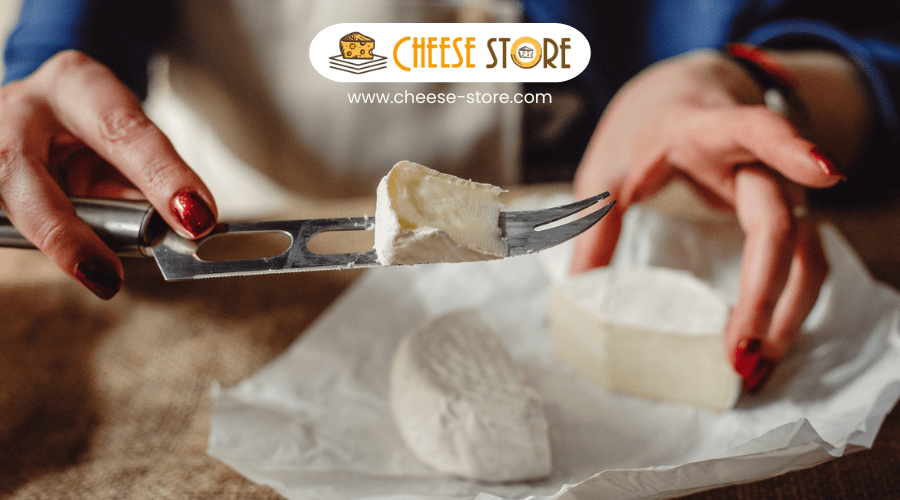
Semi-soft varieties including Gouda and Monterey Jack also freeze reasonably well, lasting 3-6 months without major texture degradation. However, soft, high-moisture cheeses such as Brie and Camembert don't withstand freezing—they'll emerge crumbly, losing their signature creamy texture.
Processed cheeses can handle 1-3 months in the freezer with some quality decline, while cream cheese freezes for up to 2 months but typically becomes grainy upon thawing. Always consider a cheese's structure before deciding to freeze. Semi-hard cheeses like Cheddar and Gouda are particularly suitable for freezing due to their firm yet springy texture that maintains structural integrity when thawed.
Cheeses to Avoid Freezing
While some varieties handle freezing admirably, certain cheeses should remain firmly in your refrigerator's cheese drawer. Soft cheeses like brie, Camembert, and cottage cheese don't freeze well due to their high moisture content and fragile texture, which deteriorates when frozen.
Similarly, fresh cheese curds and ricotta suffer significant texture damage during freezing, becoming unpleasantly crumbly when thawed. Blue cheeses pose another challenge, as freezing temperatures disrupt their living mold cultures, compromising their distinctive character and flavor.
You'll also want to skip freezing processed cheeses and cheese spreads, as their melt properties and consistency change dramatically after thawing. Surprisingly, aged hard cheeses like Parmesan aren't good freezing candidates either - despite their low moisture content, their dense structure doesn't respond well to the freeze-thaw cycle.
Proper Techniques for Freezing and Thawing
Several key steps can make the difference between salvageable frozen cheese and a texture disaster. When freezing cheese, proper packaging is essential—wrap it tightly in plastic or foil before placing in an airtight container to prevent freezer burn. Store at temperatures below 0°F (-18°C) to preserve the cheese's structure as much as possible.
Consider shredding cheese before freezing as it'll freeze well and thaw more consistently. Divide into smaller portions so you can use frozen cheese as needed without repeatedly thawing the entire block.
When it's time to use your frozen treasure, never rush the process. Cheese freezes solidly, so allow 24-48 hours for it to thaw gradually in your refrigerator. This patience helps the cheese retain moisture and prevents the crumbly texture that rapid thawing causes.
Creative Ways to Use Previously Frozen Cheese
After thawing your frozen cheese, you'll find it performs beautifully in cooked applications that maximize its altered texture. Semi-hard cheeses like cheddar might become crumbly, but they're perfect for melting into creamy sauces or incorporating into hearty casseroles. Cheese left in the freezer can still deliver excellent flavor once it thaws.
- Transform shredded cheese into the perfect topping for pizzas, quesadillas, or flatbreads where melting is the goal
- Incorporate block cheese (cut into smaller pieces) into baked pasta dishes, lasagna, and soups for added richness
- Use sliced cheese in grilled sandwiches or melt it into homemade bread for an elevated flavor profile.
The type of cheese you've frozen determines its best use, but nearly all perform well when heat is involved.