Cheese in China Has a Long History
When one thinks of cheese, China might not be the first country that comes to mind. France? Sure. Italy? Of course. But China? Many people might not even realize that this ancient, expansive country has a cheese history at all. Yet, as surprising as it might be, cheese has been quietly present in Chinese culture for over a thousand years, mostly tucked away in rural regions and cherished by ethnic groups who have been making and consuming cheese products for generations.
And now, as China’s culinary tastes evolve, there’s a growing interest in blending this rich heritage with contemporary cheese innovations. Let’s take a tour through China’s surprising cheese history and peek into the modern-day revival that’s putting it on the map.
Cheese in Chinese Culture
China’s relationship with cheese is unique, long-standing, and often misunderstood. Cheese, typically associated with Western cuisine, has roots in Chinese food traditions that trace back at least a millennium. Archaeological evidence suggests that cheese-making in China began as early as the Tang dynasty (618–907 AD), particularly in the country’s northwestern regions. Fragments of pottery from this period, found along the Silk Road trade routes, indicate the presence of dairy products similar to soft cheese, suggesting that Chinese artisans were already experimenting with milk preservation techniques.
Cheese-making then expanded under the Yuan dynasty (1271–1368) during the Mongol Empire’s rule. The nomadic Mongols, who consumed dairy extensively, introduced various milk products, including cheeses, across the regions they controlled. During this period, regions like Inner Mongolia and Tibet became centers for dairy production, and locals began incorporating cheese into their diets. Tibetan monks are recorded as making hard, dried yak cheese, a durable and nutritious food that sustained them in high-altitude climates.
One of the oldest documented Chinese cheese varieties, Shunde buffalo milk cheese, has been produced in Guangdong province since the Ming dynasty (1368–1644). This cheese was made from the milk of local water buffalo, a readily available resource in the wet, rice-growing regions of southern China. Traditionally, Shunde cheese was served in sweet dishes, such as pairing it with honey or sesame, which locals still enjoy today.
Fast-forward to the Qing dynasty (1644–1912), when regional cheese varieties gained wider attention. Records from the Qing era note the popularity of cheeses made by ethnic groups like the Bai people in Yunnan, who produced Rubing, a mild goat’s milk cheese. Rubing gained a reputation as a specialty of the area and was served in local restaurants and markets. During this period, travelers and traders along Yunnan’s tea and spice routes introduced Rubing to other parts of China, expanding its reach.
Despite cheese’s long history in China, dairy consumption didn’t become widespread due to high rates of lactose intolerance among East Asian populations. As a result, cheese remained a regional specialty, primarily produced and consumed by ethnic minority communities in the country’s border regions. Today, many of these traditional cheeses are still crafted in rural areas, preserving methods that date back centuries and serving as cultural symbols of the local people who create them.
Ancient Techniques and Traditional Cheeses
Traditional cheese-making in China follows methods that contrast sharply with Western practices. While we often think of cheese as a product of “curds and whey” separated by rennet, Chinese cheeses are typically crafted using alternative techniques. Through culturing or fermenting milk, Chinese cheese-makers achieve unique flavors and textures, often catering to the local palate.
Notable Chinese Cheeses
China boasts a small but intriguing array of cheeses, each with a unique story and method behind it:
- Rubing: This soft, fresh goat’s milk cheese hails from Yunnan province, where it’s enjoyed primarily by ethnic groups like the Bai and Naxi. Rubing has a mild flavor and firm, tofu-like texture, often served pan-fried or in hot pots. It’s the type of cheese that’s perfect for absorbing the flavors of whatever it’s cooked with, making it a natural companion to Yunnan’s vibrant spices and herbs.
- Rushan: A fascinating creation from the Bai people in Yunnan, Rushan is a cow’s milk cheese with a stretchy, chewy texture. It’s traditionally made by stretching the cheese and drying it on sticks, creating long sheets that can be grilled or fried. Often likened to mozzarella, Rushan has a mild flavor that pairs well with both sweet and savory accompaniments—think honey or even a dash of sugar for a unique twist.
These cheeses represent just a snippet of China’s cheese culture, yet they highlight the regional diversity in cheese-making. What’s even more interesting is the use of various animal milk in these cheeses.
Animal Sources of Chinese Cheeses
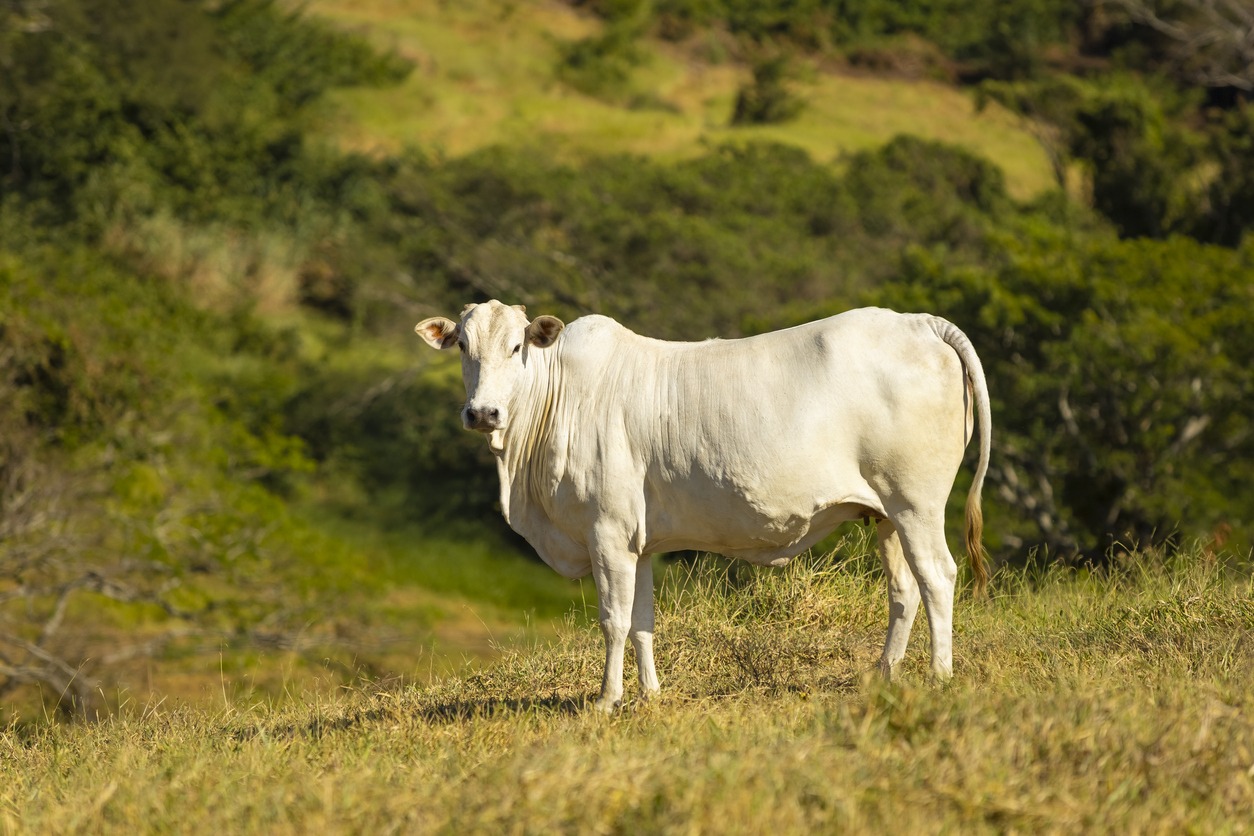
Traditional Chinese cheeses aren’t limited to just cow’s milk; in fact, they incorporate milk from a range of animals, depending on the region and resources available:
- Cows: The most common source of milk in the world, used in making Rushan.
- Goats: Particularly in mountainous regions like Yunnan, goat’s milk is used for Rubing and other cheeses.
- Buffalo: In southern regions, buffalo milk adds richness to various dairy products.
- Yaks: In Tibet and other high-altitude areas, yak milk is the primary dairy source, with its own distinctive flavor.
- Sheep: Less common but still present, sheep’s milk is valued for its creamy consistency.
This variety underscores how local environments shape cheese production in China. Just as cheese-making reflects the terroir of France or Italy, Chinese cheeses are products of their unique landscapes and climates.
China’s Unique Cheese-Making Techniques
China’s cheese-making methods stand apart in the culinary world, partly because of the unique processes developed over centuries. Traditional Chinese cheese-making often involves fermentation or culturing milk rather than relying on animal rennet. This approach, rooted in necessity and practicality, produces cheeses with milder flavors and distinct textures that reflect the local environments.
In rural Yunnan, for instance, the Bai people create Rubing by adding a natural coagulant to fresh goat’s milk. Unlike Western cheese, which is pressed and aged, Rubing is served fresh, giving it a light, creamy taste that complements the region’s vibrant spices. Tibetan yak cheese also shows how Chinese cheese-making adapted to local conditions; yaks thrive in high-altitude environments, and their milk is naturally high in fat, making it ideal for producing dense, nutrient-rich cheese. These cheeses highlight not only China’s ingenuity but also how geography and tradition shape its dairy products.
The Role of Cheese in Ethnic and Regional Cuisines
China is home to 56 officially recognized ethnic groups, each bringing its own food traditions and cultural practices. Cheese-making, while not ubiquitous across all regions, plays a significant role in certain ethnic cuisines, particularly among groups in rural or mountainous areas. For example, the Bai and Naxi people of Yunnan enjoy cheese as part of their traditional diets, while Tibetan communities have long relied on yak milk and cheese to sustain them in harsh, high-altitude conditions.
In some regions, cheese has developed into iconic local dishes. Rushan, for instance, is not just a cheese but a culinary experience. Vendors often grill it on the spot, serving it hot and chewy on a stick—a beloved snack at local markets. Meanwhile, Rubing is frequently used in stir-fries and hot pots, absorbing the bold flavors of chili and garlic. Cheese might not be the star of Chinese cuisine, but it has carved out a meaningful place in the diets of certain communities.
Chinese Cheese Producers and Artisans
The revival of Chinese cheese wouldn’t be possible without the passion of modern-day cheese artisans who are reimagining this ancient craft. One notable example is Liu Yang, the founder of Le Fromager de Pekin. A pioneer in the Chinese cheese scene, Liu studied cheese-making in France before returning to Beijing to create artisanal cheeses that bridge Eastern and Western flavors. His cheeses, like Beijing Blue and Ricotta de Mongolie, are made using local milk and appeal to both expats and curious locals. Liu’s creations highlight the potential for traditional Chinese cheese-making to inspire innovative, globally-minded products.
In Inner Mongolia, local dairies are also producing small batches of traditional cheese while experimenting with new techniques. These artisanal producers are dedicated to preserving the region’s cheese heritage while introducing contemporary twists, like infusing cheese with herbs or aging it to deepen flavors. By balancing preservation with innovation, they’re helping to shape the future of Chinese cheese in a way that honors its roots.
Spotlight on Regional Dishes Using Cheese
While Chinese cheese may not be widely used across all of China, certain regions have integrated it beautifully into local dishes, creating flavors that surprise and delight. In Yunnan, Rubing is pan-fried until crispy and golden, then served with salt and chili—a simple yet satisfying snack that draws tourists and locals alike. In Shunde, buffalo milk cheese has been part of the culinary scene since the Ming dynasty. Here, it’s traditionally served in sweet dishes, paired with floral honey or lightly toasted sesame, resulting in a dish that feels nostalgic and utterly comforting.
One of the more unusual cheese pairings comes from Xinjiang, where the Uygur people prepare askuru cheese, made from sheep or goat milk, as part of hearty, protein-rich meals. With its semi-hard texture, askuru can be shaved into stews or grilled on skewers, adding depth and flavor to dishes in a region where intense spices and bold flavors reign supreme.
The Modern Revival: Innovations and Fusion
As China’s tastes become more adventurous, the cheese industry is evolving. While traditional cheeses like Rubing and Rushan remain popular in their regions, the introduction of Western-style cheeses has sparked a wave of curiosity and experimentation. Cities like Beijing, Shanghai, and Guangzhou are home to artisanal cheese shops and fusion restaurants that incorporate cheese into traditional Chinese dishes.
Fusion Cuisine and Cheese
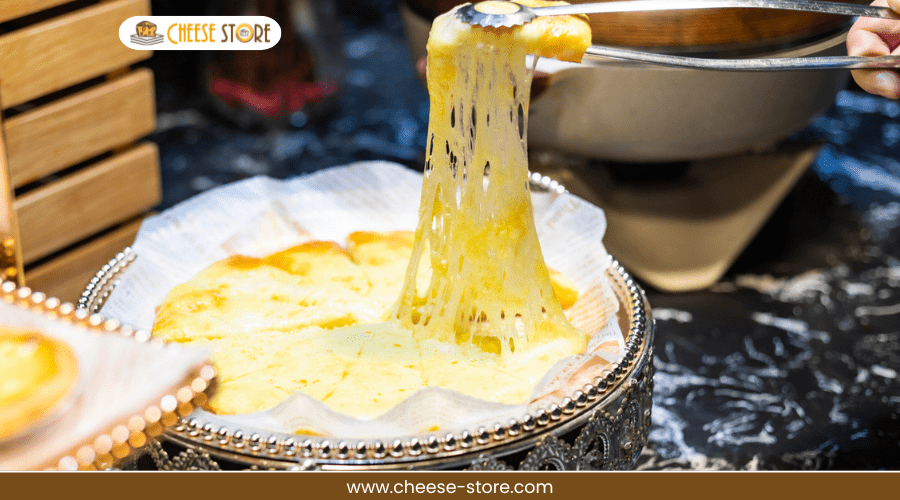
Chefs in China are increasingly finding ways to blend traditional Chinese flavors with the creamy, indulgent qualities of cheese. You might find cheese added to dumplings, served melted over vegetables, or even incorporated into desserts. Mozzarella, in particular, has become popular for its mild flavor and meltability, making it a favorite for cheese-filled buns or as a topping on roasted meats.
The Growth of the Cheese Industry
Local dairies and artisanal cheese producers are on the rise, too, creating products that marry traditional Chinese cheese-making techniques with Western styles. For instance, some producers are experimenting with blending yak or goat milk with cow’s milk to create hybrid cheeses with a rich, layered flavor profile.
The Future of Chinese Cheese Culture
The future of cheese in China is bright and filled with possibilities. As the country’s food culture becomes more globalized, there’s growing potential for Chinese cheeses to gain international recognition. Already, chefs outside China are beginning to take notice of cheeses like Rushan and Rubing, using them as inspiration for new dishes or even importing them directly.
A Culinary Fusion and Global Influence
With the world’s eyes increasingly on Chinese cuisine, the stage is set for a culinary fusion that respects traditional Chinese cheeses while introducing them to a broader audience. Imagine a cheese-tasting event that features not only brie and gouda but also Rubing and Rushan. As these unique flavors make their way into high-end restaurants and specialty food shops around the world, Chinese cheeses may soon find a well-deserved spot in global culinary culture.
Cultural Preservation
As China’s interest in cheese grows, so does the importance of preserving traditional cheese-making practices. This revival presents a valuable opportunity to not only celebrate China’s regional diversity but also to protect the legacy of local producers who have kept these cheese traditions alive for centuries.
Conclusion
China’s journey with cheese reflects the fascinating evolution of a cuisine that’s as old as civilization itself. From the remote regions where cheese has been crafted for centuries to the bustling cities embracing new cheese varieties, China’s cheese culture is a blend of old and new. The growing interest in cheese in China is a testament to the country’s openness to both honoring tradition and exploring innovation.
In the end, cheese in China is more than just an ingredient—it’s a link to the past, a nod to regional diversity, and a taste of what’s to come in the ever-expanding world of Chinese cuisine.