Cheese Theft: Unusual Cases of Large-Scale Cheese Heists
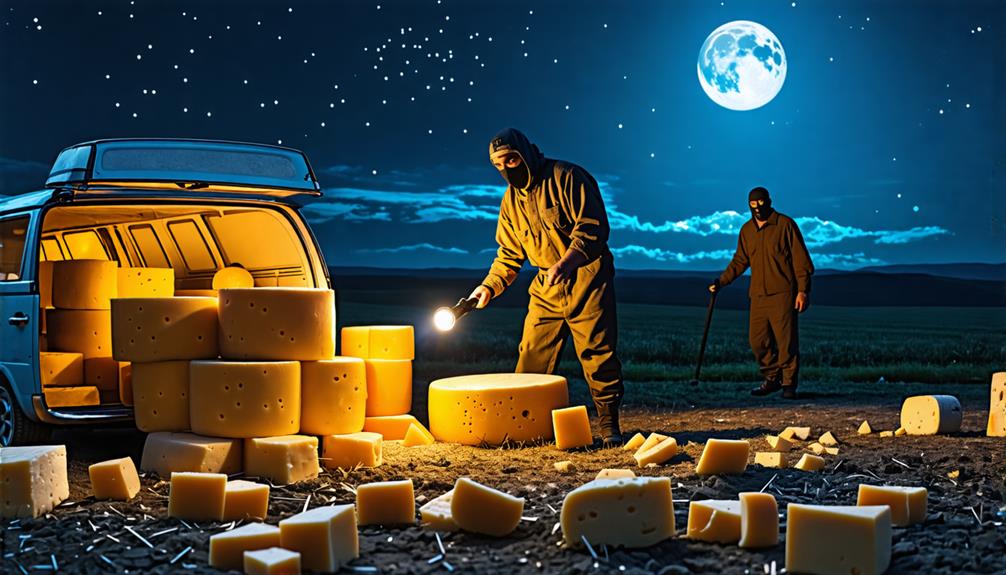
Cheese might seem like a simple snack, but cheese theft reveals a surprisingly lucrative underground market. Organized gangs target high-value varieties like Parmigiano Reggiano, earning millions while producers scramble to protect their assets. With incidents such as the €785,000 heist in Modena and the theft of 21 tons in Wisconsin, it's clear this is a serious crime. Examining these cases highlights the alarming implications for local businesses and food security. What motivates these heists, and who are the culprits behind them?
Overview of Cheese Heists

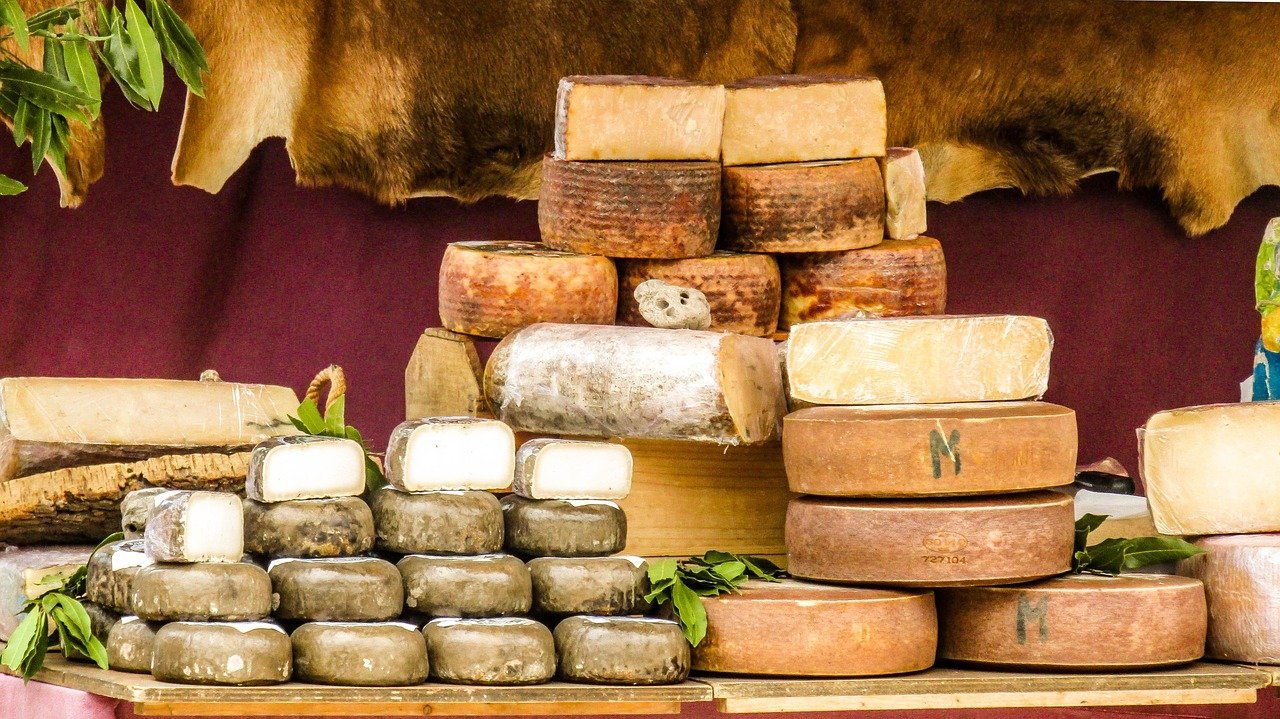
Cheese heists have surged in recent years, targeting high-value varieties like Parmigiano Reggiano and resulting in millions of dollars lost annually. The dairy industry faces a growing threat as cheese thefts become more organized and sophisticated. Notably, Parmigiano Reggiano isn't the sole target; thieves are increasingly targeting a range of valuable cheese types.
In Italy alone, an estimated $3 million worth of cheese is stolen each year, underscoring the magnitude of this crime. The largest cheese heist, which occurred in Modena in 2015, saw a gang stealing €785,000 (approximately $875,000) worth of cheese, illustrating the lengths to which criminals will go.
In the United States, local vulnerabilities have been exposed as well. For instance, in 2016, a truck carrying 20,000 pounds of cheese worth $46,000 was stolen in Wisconsin. The cheese industry is grappling with this alarming trend, with nearly 4% of the global cheese inventory reported as stolen each year. These thefts highlight not only the value of dairy products but also the emerging risks within this sector.
Notable Heist Cases
The rise in organized cheese heists has led to a series of notable cases that highlight the audacity and planning involved in these crimes. The lengths thieves will go to for stolen cheese, especially high-value delicacies like Parmigiano Reggiano, are astounding. Here are three remarkable heist cases:
- In 2015, a group of 11 gang members in Modena, Italy, orchestrated a heist worth €785,000 (around $875,000) of Parmigiano Reggiano, showcasing the organized nature of cheese theft.
- A thief in Wisconsin successfully forged paperwork to steal 21 tons of Muenster cheese valued at $200,000, only to be apprehended later on the New Jersey Turnpike.
- The largest known cheese heist occurred in 2015, with criminals making off with $900,000 worth of cheese in Italy, emphasizing the high demand for cheese on the black market.
These cases reveal not just the scale of cheese theft but also the intricate planning behind each heist, transforming what might seem like a trivial crime into a serious issue.
Challenges in Cheese Theft
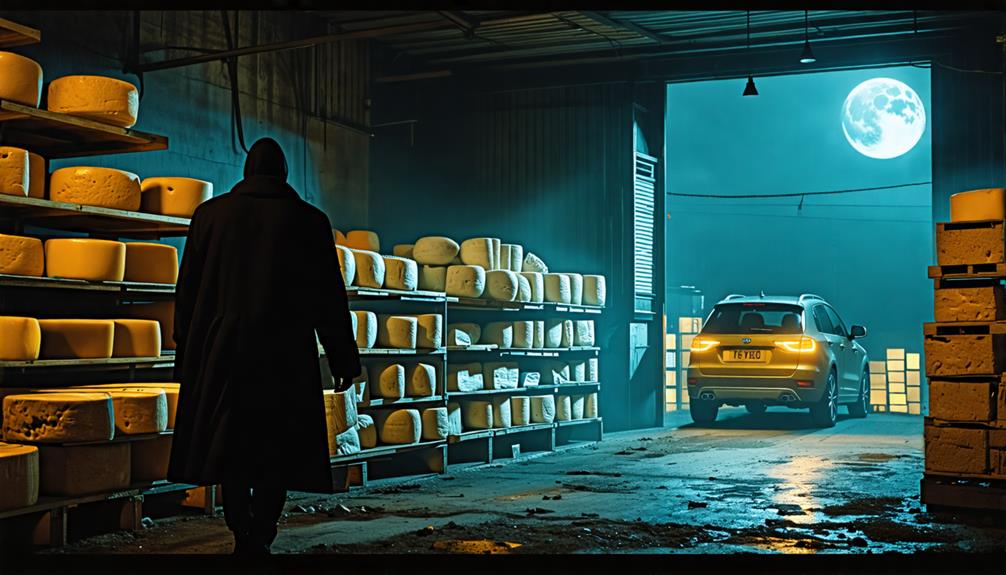
Navigating the complexities of cheese theft presents significant challenges for both criminals and law enforcement. Thieves must quickly sell stolen dairy products due to their perishable nature, complicating the process of finding buyers who won't raise suspicion. Law enforcement is aware of these difficulties, making it hard to track down stolen cheese.
The use of GPS tracking technology on vehicles has increased the risk of detection for thieves. The transient nature of stolen cheese further complicates matters, as most incidents are isolated rather than part of organized crime. This lack of patterns makes it difficult for law enforcement to develop effective preventive strategies.
Additionally, investigations are often hindered by a lack of substantial evidence. The financial losses from cheese theft impact local businesses, pushing them to improve security measures. Whether on the side of crime or justice, navigating the landscape of cheese theft is fraught with obstacles, making it a challenging endeavor.
Impact on Local Businesses
Often overlooked, the impact of cheese theft on local businesses can be devastating, leading to significant financial losses and a decline in customer trust. For many artisan cheese makers, especially smaller producers, these thefts threaten their very existence, forcing them to divert resources to security systems instead of production.
Here are three key effects of cheese theft on local businesses:
- Financial Impact: Companies like Carr Valley Cheese Company have reported losses of $100,000, while smaller operations like Cheddar Acres Creamery and Gouda Greens Dairy have lost $25,000 and $15,000, respectively. Nationwide, dairy crime results in an estimated $50 million in annual losses, with artisanal cheese accounting for about $25 million.
- Decline in Consumer Trust: Negative media attention surrounding cheese thefts damages brand reputation, making customers hesitant to support affected producers.
- Increased Security Costs: The rise in cheese thefts forces businesses to invest in improved security measures, straining their finances and diverting attention from crafting quality dairy products.
Ultimately, cheese theft not only harms profits but also undermines the relationships local businesses have built with their customers.
Cultural Importance of Cheese
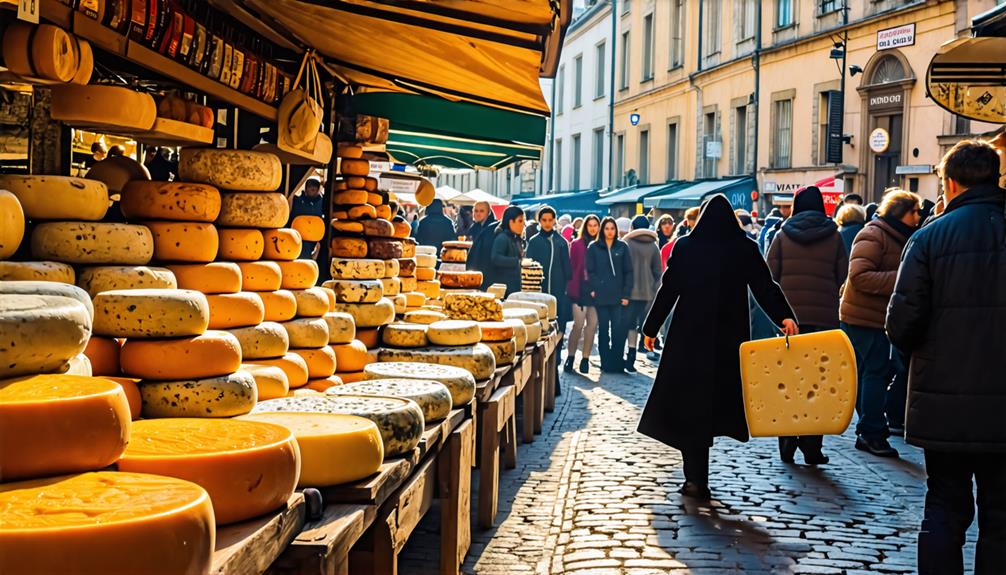
Cheese holds a significant place in Milwaukee's cultural identity, deeply rooted in the region's dairy heritage and agricultural traditions. It transcends being merely a food item and symbolizes community pride and the craftsmanship in producing high-quality agricultural products.
| Cultural Events | Local Pride | Food Security |
|---|---|---|
| Cheese festivals | Celebrating artisans | Protecting resources |
| Tastings | Community gatherings | Ensuring access |
| Educational workshops | Sharing traditions | Supporting farmers |
Community events like cheese festivals celebrate local cheese-making and strengthen resident connections. These events showcase artisanal skills and foster a sense of belonging. The act of cheese theft underscores the community's respect for these traditions and highlights the importance of protecting local resources.
Discussions surrounding cheese theft have also increased awareness about food security, emphasizing the need to safeguard valuable agricultural products. Valuing cheese means embracing Milwaukee's culture, history, and commitment to sustainable practices. It serves as a delicious reminder of the interconnectedness of community and agriculture.
International Cheese Theft Trends
As the demand for specialty cheeses continues to rise, international cheese theft trends reveal a troubling increase in organized crime targeting this valuable product. Alarmingly, Parmesan cheese theft alone amounts to an estimated $3 million worth of stolen goods annually in Italy. This high demand for gourmet cheeses fuels a black market that thrives on illicit activities.
Here are three notable cheese theft incidents you should know about:
- In June 2022, thieves stole 3,550 pounds of cheese valued at $23,000 from a dairy farm in the Netherlands, demonstrating that cheese theft extends beyond Italy's borders.
- The infamous 2015 Parmigiano Reggiano heist in Modena involved 11 gang members, showcasing the organized crime aspect of cheese theft, with €785,000 ($875,000) worth of cheese taken.
- In December 2023, a £50,000 cheese theft in the U.K. highlighted how economic pressures influence these criminal activities, signaling a rise in black market sales.
With nearly 4% of inventory shoplifted globally, cheese remains the most stolen food item, reflecting widespread theft issues across multiple retail environments.
Case Study: Parmigiano Reggiano Theft

The Parmigiano Reggiano theft highlights the increasing sophistication of criminal gangs. This heist demonstrates their advanced methods to bypass security and underscores the substantial economic impact on both large manufacturers and small artisanal cheesemakers.
Criminal Sophistication in Heists
The Parmigiano Reggiano theft case underscores the evolving sophistication of organized crime, which employs advanced techniques and meticulous planning to exploit vulnerabilities in both large and small cheese producers. This significant heist highlights the alarming level of criminal expertise involved, disrupting supply chains across the industry.
Three key elements illustrate this criminal sophistication:
- Advanced Technology: Criminals bypassed security systems using sophisticated electronics, demonstrating high technical skill.
- Diverse Targets: The gangs expanded their operations to include not only large producers but also small artisanal cheesemakers, thereby maximizing their theft.
- Black Market Distribution: The stolen wheels of Parmigiano Reggiano were funneled into the black market, where their high value made them a lucrative target for organized crime.
This case highlights the dark side of food crime and underscores the urgent need for improved security measures in the cheese industry. As organized crime becomes more advanced, producers must enhance their security protocols to safeguard their valuable products.
Economic Impact on Producers
Cheese theft, particularly the Parmigiano Reggiano heist, has significantly impacted producers by causing substantial financial losses and disrupting market stability. The theft of 2,039 wheels of this iconic cheese, worth approximately €785,000 ($875,000), underscores the vulnerability within the cheese industry. With annual losses from Parmigiano Reggiano thefts reaching $3 million in Italy, both large-scale producers and smaller artisanal makers face serious threats to their revenues.
This incident affects not only the immediate supply chain but also raises prices and creates market uncertainty. As the demand for stolen cheese increases, producers struggle to maintain consumer trust, fearing that stolen products might flood the market. This ripple effect can deter customers from purchasing Parmigiano Reggiano, adversely impacting total sales.
In response, many producers are investing in enhanced security measures, such as security tags, to protect their products. However, the challenge remains—how can the authenticity and quality of Parmigiano Reggiano be guaranteed when theft risks are so high? The lingering effects of such heists continue to challenge the industry, making it crucial for producers to adapt and safeguard their livelihoods.
Case Study: Amsterdam Cheese Robbery
In June 2022, armed thieves executed a bold heist, stealing 3,550 pounds of cheese worth $23,000 from a dairy farm near Fijnaart, Netherlands. This audacious crime was discovered by the farmer during morning milking, highlighting how cheese is stolen right from the source. Investigators believe this valuable dairy product was destined for the black market, with plans to distribute it in Eastern Europe and Russia.
Key factors contributing to the rise in cheese theft include:
- High Demand: The increasing popularity of European cheeses has drawn attention from criminals.
- Rising Prices: Sanctions against Russia have led to a spike in cheese prices, making thousands of dollars worth of cheese an attractive target.
- Targeted Products: High-value cheeses like Parmesan are now being stolen in bulk, signifying a shift in focus for cheese thieves.
As cheese thefts become more frequent, it is clear that criminals are tapping into a lucrative and illicit market, transforming the dairy industry in unexpected ways.
Innovative Security Measures in Dairy

As cheese thefts escalate, dairy producers are adopting innovative security measures to protect their valuable products. Many are implementing RFID tracking systems for real-time inventory management, which enhances monitoring and minimizes the risk of losses.
Biometric security measures, such as fingerprint and facial recognition systems, are also being deployed to restrict access to sensitive storage facilities. This ensures that only authorized personnel can enter these areas, keeping high-value cheese secure. Collaborative efforts between law enforcement and dairy producers have resulted in tailored security protocols that address specific vulnerabilities in cheese production and storage.
Enhanced surveillance technology, including high-definition cameras and motion detection systems, is becoming standard to deter theft and capture evidence during theft attempts. Additionally, traceability programs using barcodes and digital records improve product authenticity and recovery rates in case of theft. These measures foster greater accountability within the cheese supply chain, protecting products and building consumer trust. Investing in these strategies can significantly improve the security of cheese operations.
Conclusion
In conclusion, cheese thefts, while surprising, represent a significant issue impacting producers and local economies. High-profile cases highlight the need for the dairy industry to enhance security measures to protect these valuable products. As cheese heists become more frequent, creative strategies and increased awareness are essential to safeguard this cherished food. By proactively addressing this issue, the industry can better ensure the integrity of its products and preserve the cultural heritage they embody.