Debunking Popular Myths and Rumors About Cheese

Cheese has been a part of human diets for centuries, yet many myths and rumors continue to surround it. Some claim it is unhealthy, while others believe certain types of cheese are not even real food. In this article, we will take a closer look at some of the most common misconceptions about cheese and separate fact from fiction.
Cheese is Bad for Your Health
One of the most common myths is that cheese is bad for your health because it is high in fat and calories. While it is true that some cheeses contain more fat than others, many varieties are rich in essential nutrients like protein, calcium, and vitamins. In moderation, cheese can be part of a healthy diet, offering both flavor and nutrition.
Cheese also contains conjugated linoleic acid (CLA), which has been studied for its potential health benefits, including helping to reduce inflammation. Some studies have even suggested that moderate cheese consumption may have a neutral or positive effect on heart health. The key is balance: enjoying cheese in reasonable portions while maintaining a varied diet.
Instead of avoiding cheese altogether, consider choosing options with lower fat content, like cottage cheese or part-skim mozzarella. This way, you can still enjoy cheese without feeling guilty about its fat content.
Processed Cheese is Not Real Cheese
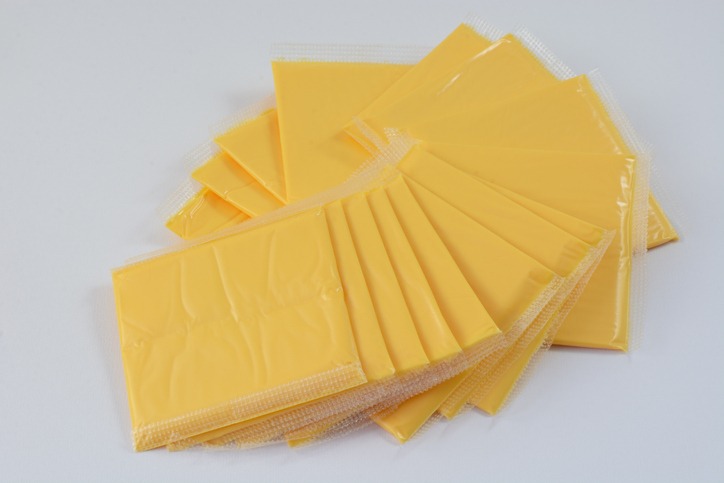
Many people believe that processed cheese, like American cheese, is not real cheese. This myth likely comes from the fact that processed cheese is made by combining different types of cheeses and adding emulsifiers to improve texture and shelf life. However, processed cheese is still made from real cheese, and it goes through a different production process.
The main difference between processed and traditional cheese is that processed cheese has been altered to enhance consistency and longevity. While it may not have the same flavor complexity as natural cheese, it remains a product derived from real cheese. Brands like Kraft have been using real cheese in their products for decades.
Lactose Intolerant People Cannot Eat Cheese
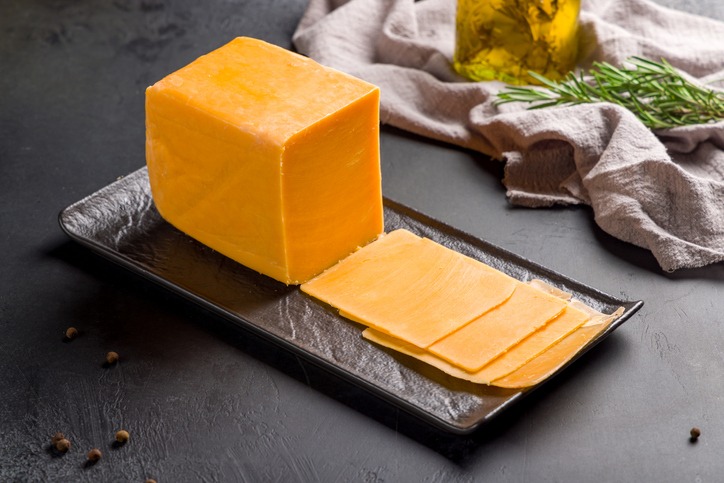
Another common myth is that people who are lactose intolerant must avoid all cheese. This is not entirely true. Many hard cheeses, such as Cheddar, Parmesan, and Swiss, contain very little lactose because the aging process breaks down most of the lactose in the milk. As a result, these cheeses can often be eaten by people with lactose intolerance without causing discomfort.
Soft and fresh cheeses, like ricotta and cream cheese, tend to have higher lactose content. People with severe lactose intolerance may want to avoid these or choose lactose-free alternatives. However, for most people with mild lactose intolerance, aged cheeses can be enjoyed in moderation without issue.
The belief that all cheeses are off-limits for lactose-intolerant individuals is not accurate. Understanding the lactose content of different cheeses can help people make informed choices about what they can safely eat.
Cheese Causes Weight Gain
It is often believed that eating cheese will automatically lead to weight gain due to its high fat content. While cheese does contain fat, it is important to remember that fat is an essential part of a balanced diet. Like any food, eating too much cheese can contribute to weight gain, but enjoying it in moderation as part of a healthy lifestyle does not necessarily cause this.
Cheese is also a good source of protein, which helps keep you feeling full longer. This means you might eat less overall when you include cheese in your meals. In fact, studies have shown that people who include moderate amounts of dairy, including cheese, in their diet tend to maintain a healthier weight over time.
It is about balance. Portion control and choosing the right types of cheese can allow you to enjoy cheese without worrying about gaining weight.
Cheese is Addictive

There is a common rumor that cheese is addictive because it contains casein, a protein that breaks down into casomorphins, which are thought to have an effect on the brain similar to opiates. While this claim has been widely circulated, there is no strong scientific evidence to support the idea that cheese is truly addictive.
While it is true that cheese contains casein, the small amount of casomorphins produced during digestion is unlikely to have a significant effect on your brain. The enjoyment people get from eating cheese is more about its taste and texture than any chemical reaction. Like any food, people may crave cheese because they enjoy it, not because they are addicted to it.
The idea that cheese is addictive is largely overstated. Enjoying cheese is normal, and it does not have the same addictive properties as substances like sugar or caffeine.
All Cheese is Full of Preservatives
Many people believe that cheese is packed with preservatives, especially processed varieties. However, not all cheeses contain preservatives and even those that do often use natural ones like salt. In fact, many traditional cheeses rely on salt to act as a natural preservative and enhance flavor.
Processed cheeses sometimes include preservatives to extend shelf life, but this is not the case for most natural cheeses. If you are concerned about preservatives, you can opt for fresh, artisanal, or organic cheeses, which are less likely to contain added preservatives.
Cheese can still be enjoyed without worrying about artificial preservatives. If you want to avoid preservatives altogether, checking labels and choosing natural or organic options can help.
Cheese is Hard to Digest
Many believe that cheese is difficult to digest, which keeps some people from including it in their diet. While some individuals may experience difficulty with digestion, particularly those with lactose intolerance, most cheeses are actually easier to digest than milk. This is because the fermentation process breaks down much of the lactose in cheese.
Aged cheeses like Parmesan and Cheddar have very little lactose, making them more digestible even for people who are sensitive to lactose. In fact, these cheeses are often recommended for those who struggle with digesting dairy products. Fresh cheeses, like ricotta or cottage cheese, may contain more lactose, so it is best to know which type works best for you.
For most people, cheese is not hard to digest, and knowing which cheeses are lower in lactose can help avoid any discomfort.
Cheese is Loaded with Harmful Cholesterol
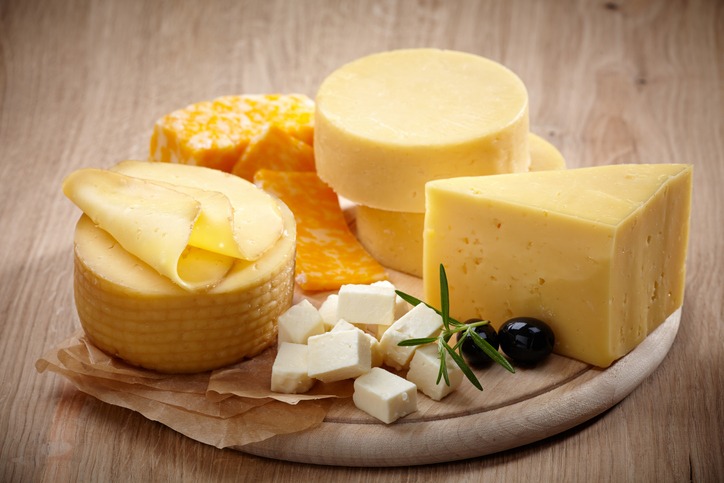
Another common myth is that cheese is bad for cholesterol levels. While cheese does contain some cholesterol and saturated fats, recent studies show that not all saturated fats negatively affect cholesterol. In fact, dairy fats, including those found in cheese, may have a neutral or even positive effect on heart health when eaten in moderation.
It is important to distinguish between different types of fats. Cheese provides nutrients like calcium, which supports bone health, and some cheeses contain healthy fats that benefit the body. Eating moderate amounts of cheese as part of a balanced diet does not significantly raise cholesterol levels for most people.
Rather than avoiding cheese entirely, it’s better to enjoy it in sensible portions as part of a heart-healthy diet.
Conclusion
Cheese is often misunderstood, and there are many myths surrounding its health effects and uses. As we have seen, cheese can be enjoyed in moderation as part of a balanced diet. It is not the unhealthy, hard-to-digest food that some believe it to be. Understanding the facts about cheese allows us to appreciate its place in our meals without unnecessary concerns.