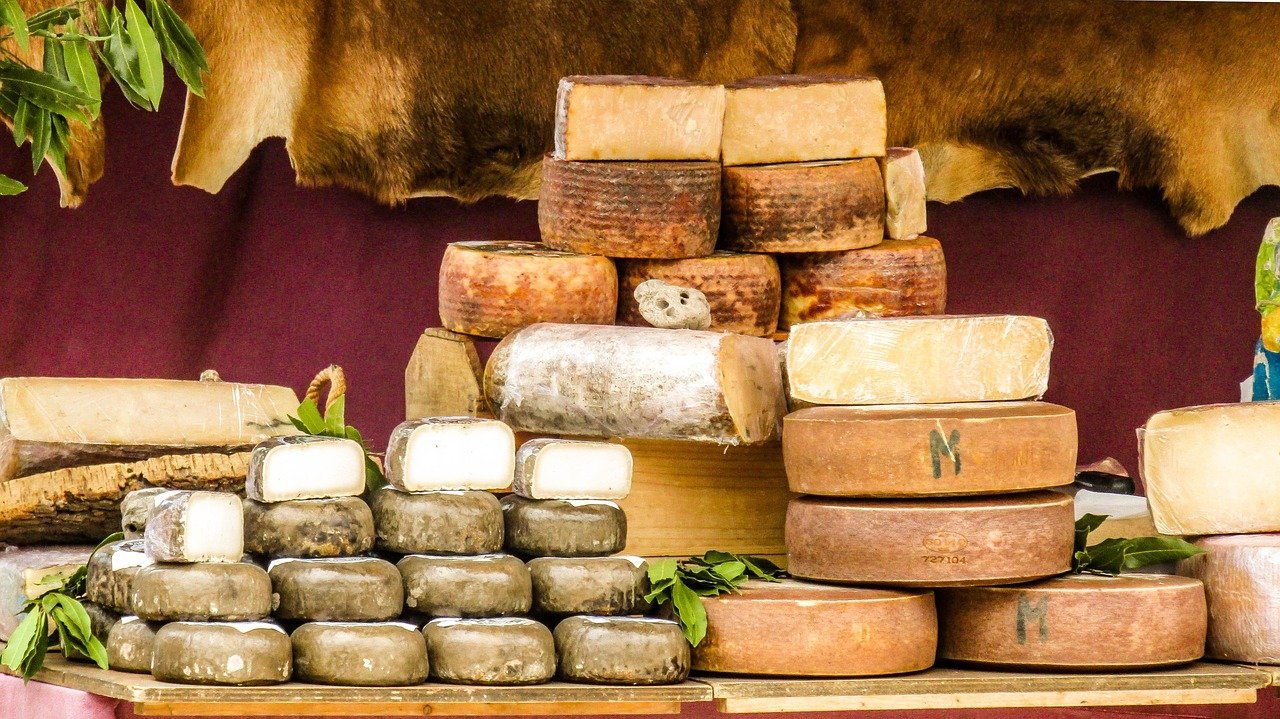
Eco-Friendly Cheese Production: How Sustainable Practices Are Shaping the Industry
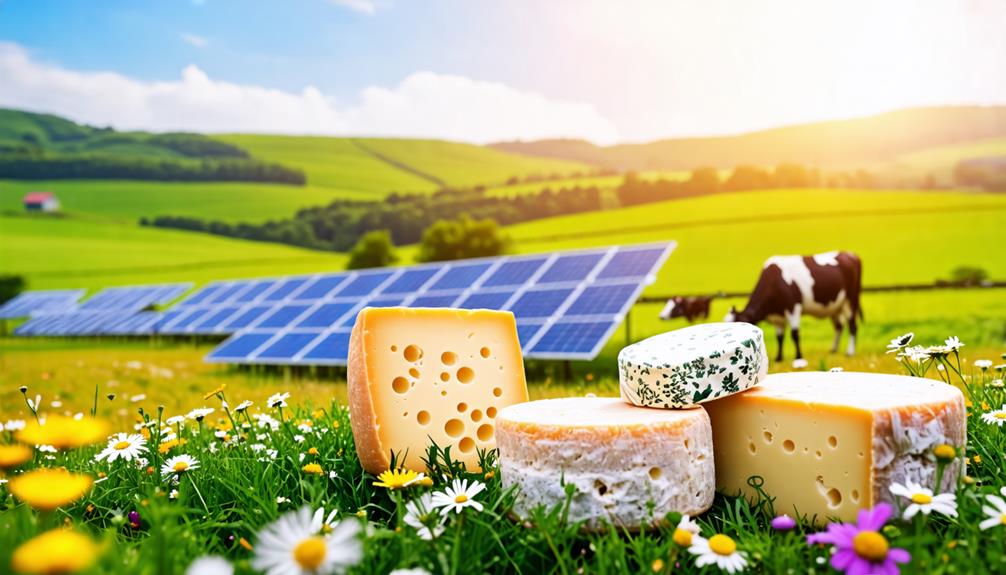
You might not realize it, but the cheese you enjoy could come from a process that prioritizes both the planet and animal welfare. As eco-friendly practices gain traction, producers are adopting methods like rotational grazing and organic farming to improve sustainability. These methods enhance soil health and significantly reduce emissions. Beyond environmental benefits, these practices influence consumer choices and community engagement in meaningful ways. What do these shifts mean for the future of cheese production, and how can you play a part in this evolving landscape?
History of Cheese Production
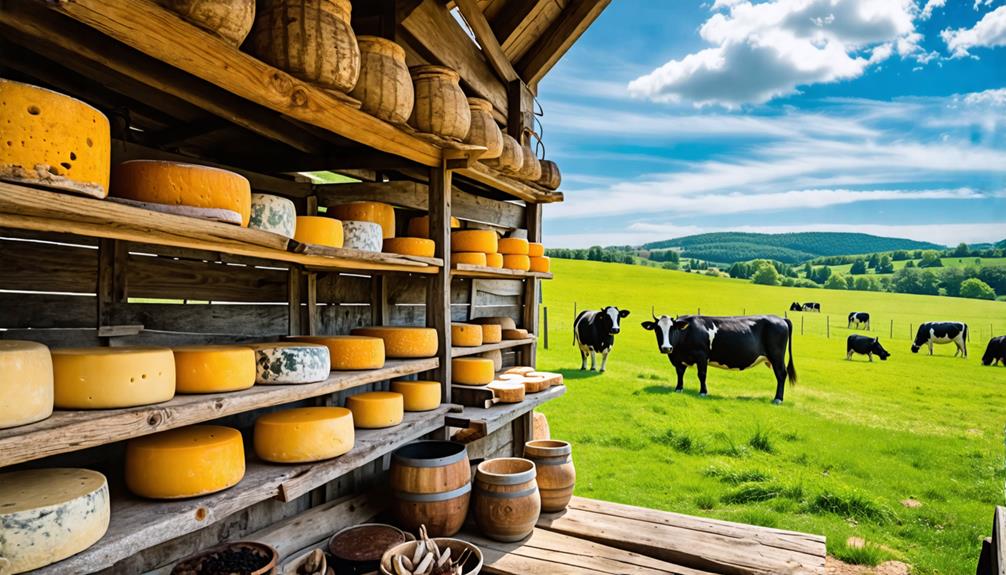
The history of cheese production spans over 4,000 years, beginning with nomadic peoples who discovered the process of separating curds from whey. This foundational technique was further refined by ancient civilizations such as the Mesopotamians, Egyptians, and Greeks, who developed diverse cheese varieties through innovative methods and recipes.
In the Middle Ages, monasteries emerged as pivotal centers for cheese production. Monks dedicated themselves to refining cheese-making techniques, resulting in a wide array of cheeses that enriched culinary traditions.
The Industrial Revolution marked a significant shift, enabling the mass production of cheese and making it widely accessible. This period also ignited a renewed interest in artisanal cheeses, as people sought to reclaim traditional methods and unique flavors.
Today, the evolution of cheese production reflects a blend of ancient practices and modern innovations. Understanding this rich history enhances your appreciation of the diverse and intricate world of cheese.
Environmental Challenges in Dairy
When considering cheese production, it's crucial to address the environmental challenges associated with dairy farming. Key issues include greenhouse gas emissions from cows, high water consumption, and deforestation for pasture land, all of which pose significant ecological threats. Understanding these concerns is vital for promoting more sustainable cheese production practices.
Greenhouse Gas Emissions
Dairy farming contributes approximately 4% of global greenhouse gas emissions, primarily due to methane released from cows. Each dairy cow generates about 100 kg of methane annually, significantly affecting the greenhouse effect and global warming. Producing just one pound of hard cheese requires around 10 pounds of milk, highlighting the substantial carbon footprint associated with cheese production.
The dairy industry is under increasing scrutiny for its environmental practices, but there is hope. Many dairy producers are adopting sustainable practices to reduce greenhouse gas emissions. Techniques such as rotational grazing improve soil health and lower methane emissions from cows. Additionally, fine-tuning animal diets can decrease methane production from digestion.
Transportation also plays a critical role in the environmental impact of cheese production. The carbon emissions from distribution can further exacerbate the overall footprint. By choosing locally sourced cheese and supporting farms committed to eco-friendly methods, consumers can help create a more sustainable dairy industry. Making informed choices is essential to addressing the environmental challenges posed by greenhouse gas emissions in dairy farming today.
Water Usage Concerns
Concerns about water usage are another pressing environmental issue in cheese production, alongside greenhouse gas emissions. Producing just 1 kg of cheese requires approximately 5,000 liters of water, placing substantial stress on local water resources. Additionally, each dairy cow consumes around 378 liters (100 gallons) of water per day, further contributing to water scarcity.
To address these challenges, cheese producers should adopt sustainable farming practices that emphasize water conservation. Efficient water management can significantly reduce the environmental impact of dairy operations. Below is a detailed breakdown of the water usage involved in cheese production:
| Water Source | Estimated Usage (liters) |
|---|---|
| Cheese production (1 kg) | 5,000 |
| Dairy cow (per day) | 378 |
| Feed crops (per kg of cheese) | 1,000 |
| Total water needed (1 kg cheese) | 6,378 |
Deforestation and Habitat Loss
Large-scale dairy farming drives significant deforestation and habitat loss, impacting ecosystems and wildlife. The vast areas cleared for grazing and feed crops disrupt not just the land but also the biodiversity that relies on these habitats. Increased dairy production demands further land use changes, intensifying the pressure on natural environments.
Cows, while providing milk, also produce methane, a potent greenhouse gas contributing to global warming and land degradation. This degradation hinders the regeneration of forests and natural ecosystems, making it harder for wildlife to thrive.
However, sustainable practices in dairy farming, such as rotational grazing and organic methods, offer hope. These practices help mitigate deforestation and promote habitat restoration. By choosing dairy products from farms committed to sustainability, consumers can support a healthier planet. Together, we can combat deforestation and habitat loss while enjoying eco-friendly dairy products.
Sustainable Practices in Cheese Making
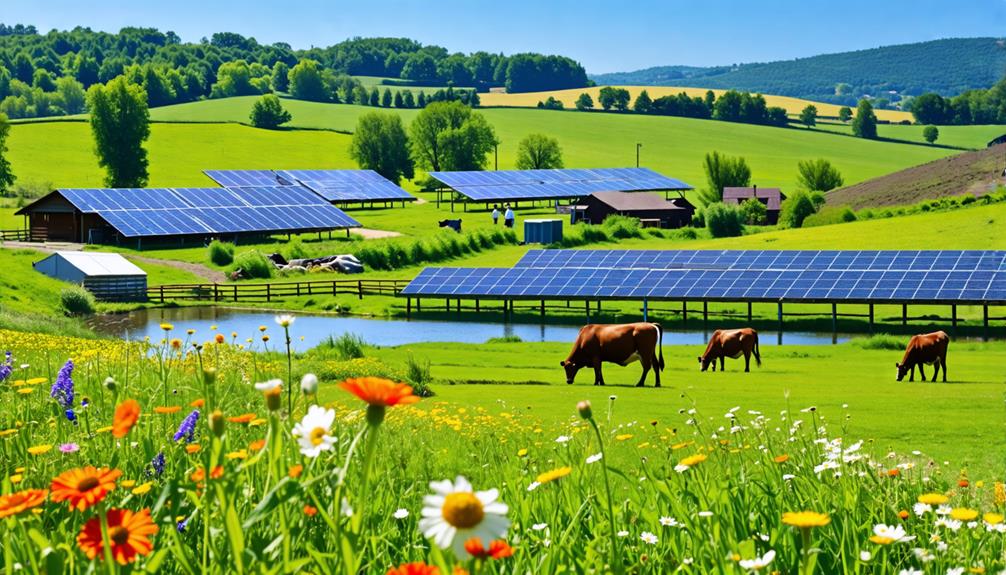
Sustainable practices in cheese making aim to improve land management and soil health through methods like rotational grazing. This practice enhances soil quality, reduces erosion, and boosts biodiversity. Additionally, it supports animal welfare by ensuring ethical treatment of dairy cows.
Choosing organic milk is another way to support sustainability. Organic farms avoid synthetic fertilizers and pesticides, leading to healthier ecosystems and higher-quality cheese. Innovations in dairy farming, such as optimizing animal diets and converting methane into renewable energy, also help reduce greenhouse gas emissions associated with cheese production.
Eco-friendly packaging solutions, like biodegradable or recyclable materials, are crucial for minimizing waste and reducing carbon footprints. Additionally, precise and efficient manufacturing processes can support the use of eco-friendly materials. In this regard, something like plastic molding services tends to provide tailored solutions that can support sustainable packaging designs. Exploring alternative milk sources, such as goat and sheep milk, often results in a lower environmental impact compared to traditional cow's milk.
Notable Eco-Friendly Cheese Brands
When exploring eco-friendly cheese brands, focus on those that adhere to sustainable certification standards and prioritize local sourcing. These practices ensure high-quality cheese, support community farmers, and minimize environmental impact. Here are some notable brands that exemplify these values.
Sustainable Certification Standards
How do notable eco-friendly cheese brands like Daylesford Organic and Godminster exemplify sustainable certification standards in their production practices? These brands prioritize environmentally friendly practices that enhance their products and contribute to positive changes in the cheese industry. By adhering to sustainable certification standards, they ensure their methods are responsible and transparent.
| Brand | Sustainable Practices | Certifications |
|---|---|---|
| Daylesford Organic | Sourcing from certified organic farms | Organic Certification |
| High Weald Dairy | Handmade cheeses, local milk | Soil Association Certified |
| Godminster | Carbon-negative cheddar, eco-packaging | Organic and Carbon-Neutral |
These brands exemplify sustainable cheese production through ethical sourcing and traditional methods. As consumer demand for sustainable cheese options increases, the commitment to sustainable certification standards is crucial. It promotes better animal welfare and reduces carbon footprints, significantly impacting the environment. By supporting these brands, you are not just enjoying delicious cheese; you are also participating in a movement towards sustainability.
Local Sourcing Benefits
Local sourcing in cheese production not only enhances flavor but also strengthens community ties and reduces environmental impact. By supporting local cheese producers like High Weald Dairy, you help decrease transportation emissions while boosting regional economies. This approach creates jobs and keeps money circulating within your community, benefiting everyone involved.
Choosing cheeses from local sources often results in fresher products. For instance, Daylesford Organic sources its ingredients from nearby certified organic farms, ensuring high quality and taste. Selecting cheeses made from locally sourced milk significantly lowers your carbon footprint, as transportation is a major contributor to cheese's environmental impact.
Additionally, local sourcing improves brand transparency. You can better understand production methods and the environmental impact of your choices, as seen with Godminster's commitment to eco-friendly practices. Engaging with local cheesemongers promotes awareness of sustainable practices and empowers you to make informed purchasing decisions. By driving demand for eco-friendly cheese options, you actively participate in strengthening community economies and championing sustainable practices in the cheese industry.
Community Engagement for Sustainability

Supporting community-driven initiatives not only reduces transportation emissions but also strengthens regional economies, paving the way for a more sustainable cheese industry. By engaging with local cheese producers, you contribute to a robust network that prioritizes sustainable practices and environmental responsibility. Sourcing artisanal cheeses from nearby farms helps minimize the carbon footprint associated with long-distance shipping.
Participating in initiatives like those from Play It Green can further elevate your impact. These programs encourage community engagement and foster a collective commitment to sustainability. Shopping at farmers' markets or supporting local cheesemongers enhances transparency in sourcing practices, making informed choices easier for everyone.
Additionally, collaborative campaigns and local events can inspire you and your neighbors to take part in sustainability efforts. These grassroots movements underscore the power of community in advocating for eco-friendly cheese options and highlight the importance of every individual's contribution. By getting involved, you not only support local economies but also help build a stronger, more sustainable cheese industry that reflects shared values of environmental stewardship and responsible consumption. Together, you can make a difference in how cheese is produced and enjoyed.
Consumer Choices and Impact
Consumer choices play a crucial role in shaping the sustainability of the cheese industry as more people seek eco-friendly options that align with their values. Your purchasing decisions can significantly influence environmental change. By supporting ethical producers, you encourage sustainable practices that benefit both the planet and local economies.
| Action | Impact on Sustainability |
|---|---|
| Choosing local producers | Reduces transportation emissions |
| Demanding transparency | Increases market value for cheeses |
| Prioritizing eco-friendly options | Drives industry-wide changes |
With the average person consuming about 655 pounds of dairy annually, your choices hold substantial power. As consumer preferences shift, over 35% of companies have adapted their production behaviors to meet environmental goals. Educated consumers like you are leading the charge for transparency and eco-friendly practices, pushing the cheese industry toward a more sustainable future. Engaging with cheesemakers and advocating for responsible purchasing habits can amplify your impact, making a noticeable difference in how cheese is produced and consumed.
Conclusion
In conclusion, adopting eco-friendly cheese production practices is essential for a sustainable future. By supporting brands that prioritize environmental health and animal welfare, you contribute to a greener planet. Choosing locally sourced, organic cheeses not only reduces your carbon footprint but also strengthens community ties. As consumers, your choices can steer the industry towards more sustainable practices, ensuring that cheese production coexists harmoniously with nature. Together, we can make a significant positive impact on both the environment and the dairy industry.