Fior Di Latte vs. Mozzarella: Key Differences & Texture Comparison
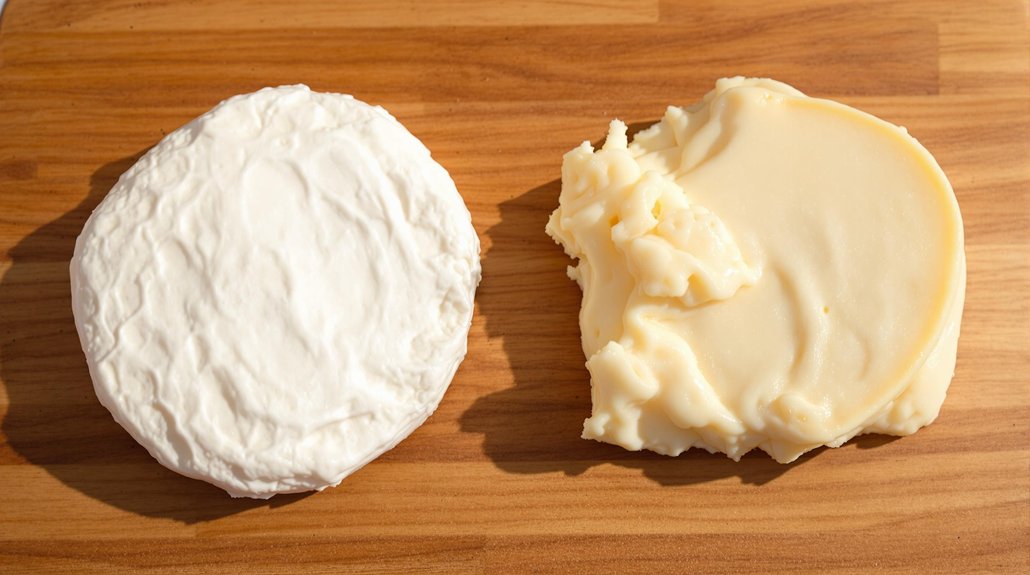
The key difference between fior di latte and mozzarella is their milk source: fior di latte uses cow's milk while true mozzarella (Mozzarella di Bufala) comes from water buffalo milk. This creates distinct flavor profiles—fior di latte offers a mild, sweet taste with softer texture, while buffalo mozzarella delivers a tangier, more complex flavor with creamier consistency. You'll notice fior di latte melts better on pizza, while buffalo mozzarella shines in fresh applications. These differences affect how you'll want to use each cheese.
Fior Di Latte vs. Mozzarella: Key Differences & Texture Comparison
When diving into the world of Italian cheese, fior di latte and mozzarella stand out as two similar yet distinctly different options. The primary distinction lies in the milk used: fior di latte comes exclusively from cows, while true mozzarella is made solely from buffalo milk.
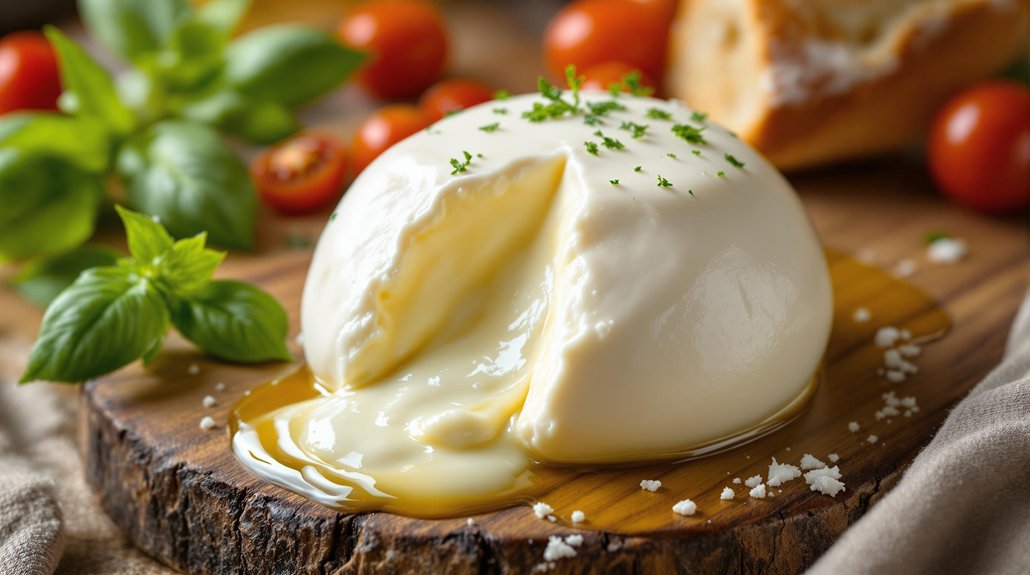
The production processes diverge considerably too. Mozzarella di Bufala Campana employs a latto-innesto culture, creating its characteristic creamy, delicate flavor and porcelain-white appearance. Fior di Latte relies on a siero-innesto culture from previous batches, resulting in higher acidity and a fresh, tangy profile.
Both undergo the mozzatura process, but their textures differ noticeably. Buffalo Mozzarella offers rich, tangy notes, while Fior di Latte's milder flavor and superior melting properties make it a favorite for pizza applications where consistent melt matters more than indulgent flavor. These cheeses are typically produced through pasteurization and coagulation before being formed into their characteristic ball shapes during the 8-hour cheese-making process.
The Origin Story: Italian Cheese Heritage
Both fior di latte and mozzarella share deep roots in Italy's rich culinary tapestry, with their heritage tracing back to the verdant landscapes of Campania in southern Italy. While mozzarella embraces a broader regional identity, fior di latte claims a more specific birthplace in Agerola, a picturesque town nestled in the Amalfi Coast.
The distinction between these cheeses lies primarily in their milk source. Authentic mozzarella, known as Mozzarella di Bufala, comes from water buffalos that have grazed in Campania for centuries. In contrast, fior di latte is crafted exclusively from cow's milk.
Despite this difference, both cheeses employ the traditional pasta filata technique—a method where cheese makers skillfully stretch and shape warm curds to achieve that distinctive texture you've come to love. These techniques were perfected over centuries, particularly as Italy became the cheesemaking center of Europe during the 10th century.
Milk Matters: Buffalo vs. Cow's Milk Base
Why does milk source create such a profound difference between these two similar cheeses? The answer lies in the distinct properties of buffalo milk versus cow's milk in the pasta filata tradition.
- Buffalo milk gives mozzarella di bufala its distinctive creamier texture and tangier flavor, while cow's milk creates fiordilatte's more mild, neutral taste
- Mozzarella must come exclusively from water buffalo milk to earn its name, particularly in the Campania region where it receives DOP protection
- Fiordilatte (literally "flower of milk") is made solely from cow's milk, creating a slightly more elastic consistency
- Both cheeses follow almost identical production processes, making the milk source the defining characteristic that separates these two beloved Italian treasures
Production Techniques: Understanding the Mozzatura Process
The mozzatura process stands at the heart of traditional mozzarella production, defining the very essence of this beloved cheese. This distinctive technique involves immersing stretched curd in cooling liquid, where it's skillfully shaped into spheres, knots, or braids.
When you compare mozzarella to fior di latte, you'll find this process is the fundamental difference between them. While both cheeses may appear similar, only true mozzarella undergoes the mozzatura process. This cutting and shaping technique gives mozzarella its characteristic texture that's impossible to replicate through other production methods.
Fior di latte follows an entirely different technique, resulting in subtly different textural properties. Understanding the mozzatura process helps you appreciate why mozzarella has its unique mouthfeel and stretchy quality that distinguishes it from other fresh cheeses.
Taste Profile Comparison: Flavor Nuances and Complexity
Beyond production techniques, the flavor profiles of these two cheeses reveal their true distinctions. When you taste fior di latte and buffalo milk mozzarella side by side, the difference becomes immediately apparent in their flavor nuances and complexity.
- Richness - Buffalo milk mozzarella offers a more robust flavor with tangy notes, while fior di latte made from cow's milk presents a milder, sweeter profile.
- Creaminess - The higher moisture content in fior di latte creates a softer mouthfeel compared to buffalo mozzarella's denser texture.
- Versatility - Fior di latte's subtle flavor makes it perfect for Caprese salad where fresh ingredients shine.
- Aftertaste - Buffalo mozzarella leaves a distinctive lingering finish, while fior di latte offers a clean, fresh taste that dissipates quickly.
Culinary Applications: Which Cheese Works Best for Pizza
When deciding between fior di latte and mozzarella di bufala for your pizza, understanding their unique cooking characteristics becomes essential. Fior di latte, a pasta filata cheese made from cow's milk, typically performs better on pizzas with its mild flavor and superior melting properties.
While true mozzarella is made from buffalo milk (as in Mozzarella di Bufala Campana DOP), its delicate complexity often gets lost when baked.
For an authentic Margherita pizza, fior di latte is the practical choice—particularly varieties like di Gioia del Colle. However, if you're seeking indulgence, Bufala can add rich, tangy notes to your creation.
The best approach? Match the cheese to your pizza style. Most pizzaiolos prefer fior di latte for its reliability, reserving the more distinctive types of Bufala for special applications where their nuanced flavors can truly shine.
Related posts