History of Cheese Storage and Packaging – From Leaves to Modern Solutions
When it comes to cheese, there’s a lot more to love than just the taste. Behind every flavorful wedge or creamy bite lies a history of preservation methods that have kept cheese fresh and delicious for centuries. From humble clay pots and wax coatings to modern cheese paper and specialty storage gadgets, cheese lovers over the ages have come up with all kinds of creative ways to protect their favorite food.
Today, storing cheese properly is about more than just keeping it edible. The right storage and packaging can keep cheese flavors intact, preserve its texture, and even let it age gracefully. So, let’s go on a quick tour of how cheese storage has evolved and discover why these methods matter—especially if you’re trying to get the most out of that special cheese in your fridge.
Why Cheese Storage Has Always Been a Big Deal
Cheese has always been like wine; it needs just the right environment to age well and develop those rich, unique flavors we love. Storing cheese is about letting it “breathe” without spoiling, staying fresh but not too dry. So, people across time have invented all sorts of methods, from ancient clay pots to modern cheese paper, to keep cheese tasting great. Whether it’s a soft brie, a hard cheddar, or a crumbly blue, the way cheese is stored makes all the difference.
Clay Pots: The First Cheese Containers

The oldest cheese storage trick? Clay pots. Thousands of years ago, cheesemakers used these durable, natural containers to protect and store cheese. Clay pots weren’t just sturdy; they were multi-purpose. People used them to collect milk, drain the whey from curds, and then store and age small wheels of cheese.
These pots would often be packed with salt or even brine, a salty solution that kept the cheese fresh and preserved it in warm climates. To keep the cheese from spoiling, some people even buried the salt-filled pots underground, where it was cooler. This simple method kept cheese edible for longer periods, even in the heat.
Fast-forward to the Bronze Age, and we start to see cheese travel beyond its home. Hard cheeses, packed tightly in clay jars, became valuable trade goods that could be shipped far and wide. These clay jars provided protection on long journeys, helping cheese become a popular commodity across cultures.
Cloth Wraps: The Rise of Fabric in Cheese Storage
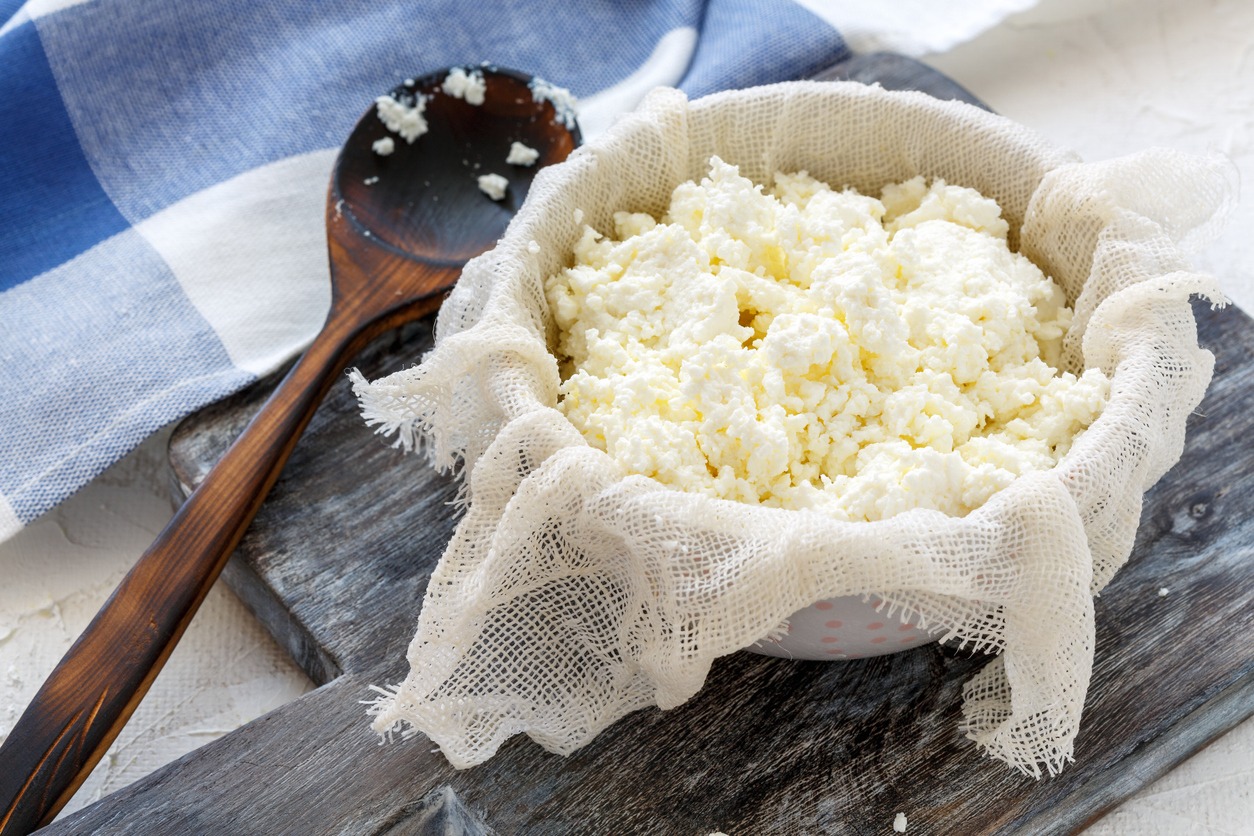
By the 1700s and 1800s, cloth became the next big thing in cheese storage. In warmer areas, especially in America, cheesemakers began using cloth wraps with animal fat to keep cheese from drying out. This method worked especially well with hard cheeses like Cheddar.
The process was straightforward: cheesemakers would rub animal fat on the cheese and wrap it in muslin or other cloth to lock in moisture and flavor. This cloth wrap also allowed a little airflow, which was perfect for aging. The cheese could “breathe” and develop those deep, nutty flavors without going bad. It also created a natural environment for good molds to grow on the surface, which added to the flavor without spoiling the cheese inside.
Wax Coatings: Dutch Innovation at Its Best
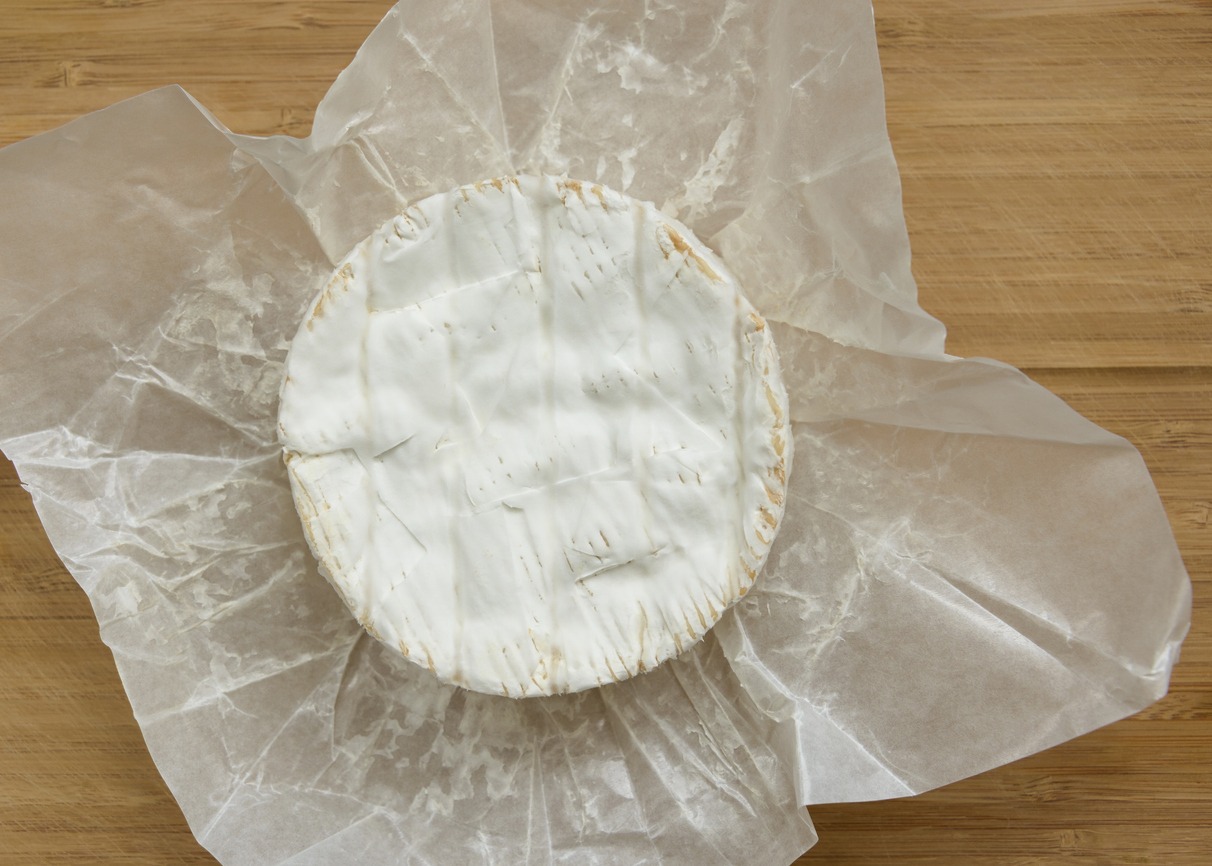
When it comes to wax-coated cheese, we can thank the Dutch. In the late Middle Ages, Dutch cheesemakers started coating cheese with a layer of wax. This wax layer wasn’t just practical—it was a game-changer. Wax kept the cheese moist, protected it from contamination, and made it easier to transport. The famous Edam and Gouda cheeses, for instance, were rounded and waxed for durability.
At first, they used red dye to harden the cheese rind, but by the late 1800s, Dutch cheesemakers had refined the technique by dipping cheeses directly in colored wax. This not only kept the cheese fresher for longer but it gave it a polished, attractive look. Wax-coated cheese was also ideal for shipping, as it could handle long journeys without losing flavor. Waxed cheese quickly became a hit and helped make Dutch cheeses popular all over the world.
Plastic Wrap: Modern Convenience with Limitations
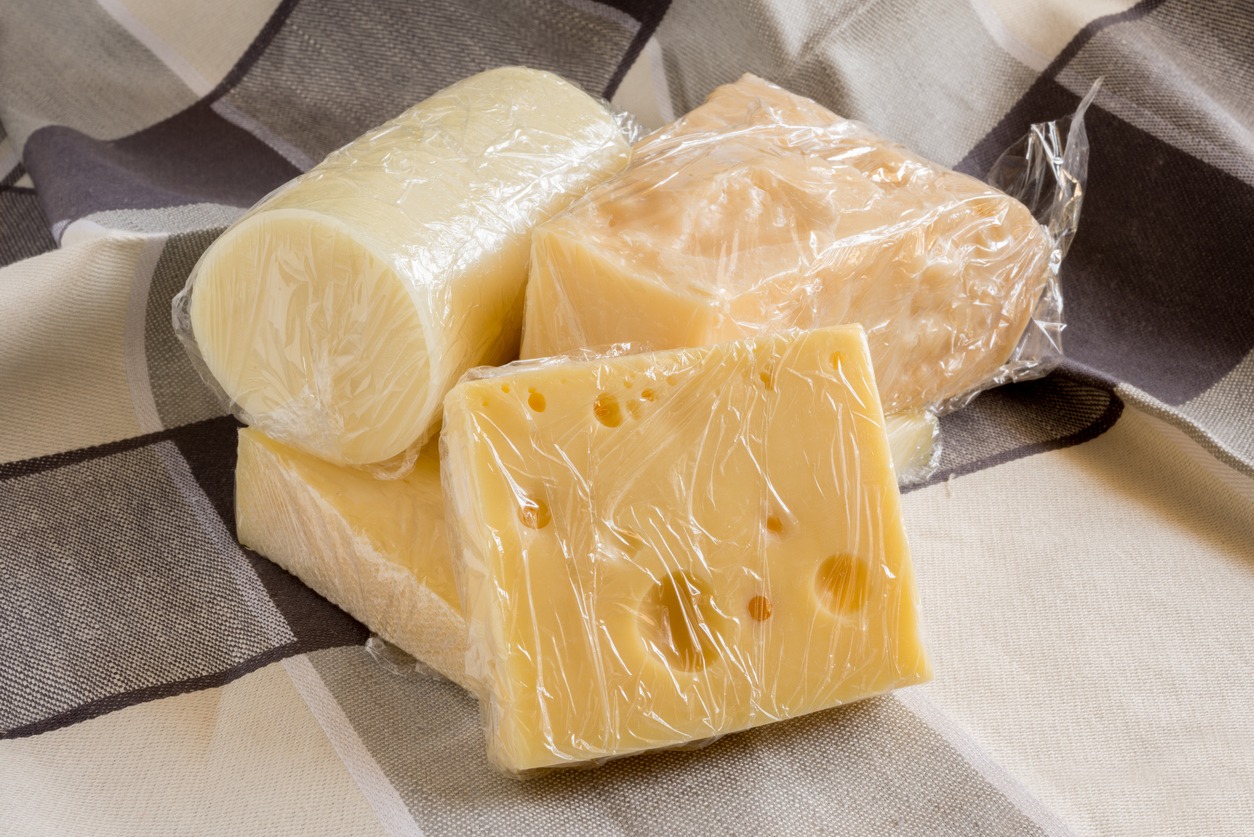
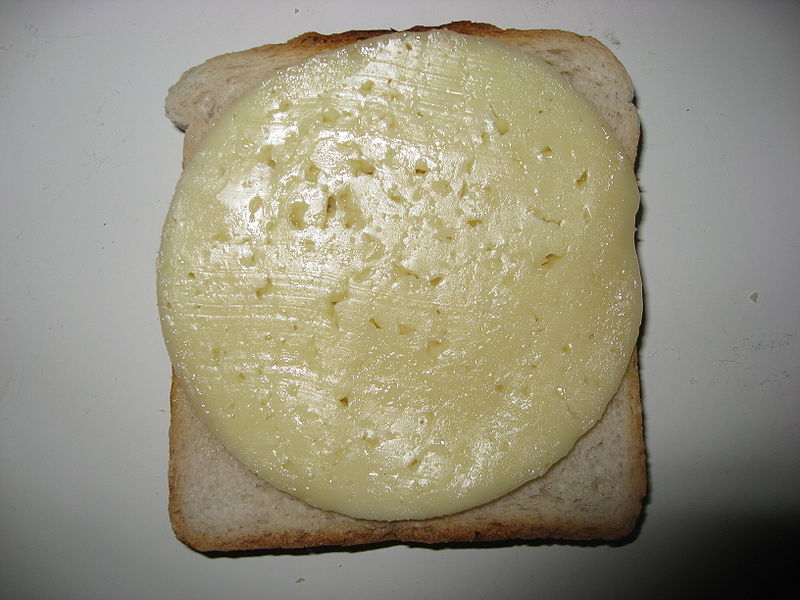
In 1949, plastic wrap entered the scene and changed food storage forever. Cheese was no exception. Plastic wrap made it incredibly easy to store and transport cheese. It’s cheap, accessible, and perfect for short-term storage, particularly for fresh, high-moisture cheeses like mozzarella and feta.
But for aged cheeses, plastic has its limitations. Plastic wrap doesn’t allow cheese to breathe, which can mess with flavor and texture over time. It also traps moisture, leading to undesirable changes in taste, especially with cheeses that have natural rinds. For aged cheeses like cheddar or gouda, plastic wrap can be a little too “airtight” for its own good. If you buy cheese wrapped in plastic, a good tip is to gently scrape the cut surface and rewrap it in a breathable material like wax paper once you bring it home.
Specialty Cheese Paper: The Ideal Solution for Cheese Enthusiasts
If you’re a cheese enthusiast, you might have come across special cheese paper at your favorite cheese shop. This is no ordinary paper—it has a thin wax layer on the outside and a micro-perforated plastic layer on the inside. This unique design lets the cheese breathe just enough to keep it fresh without drying it out.
Cheese paper is perfect for aging cheese and maintaining its moisture balance. The downside? Cheese paper can be pricey and isn’t the most environmentally friendly option, as it can’t be recycled. It’s great for specialty cheeses and short-term storage, but there are other options if you’re looking for something more practical and sustainable.
Cheese Grotto: Bringing the Cheese Cave Home
For serious cheese lovers, the Cheese Grotto is like having a mini cheese cave right in your kitchen. This wooden storage box is designed to maintain the perfect humidity level, making it a fantastic option for cheese storage. Made from breathable wood, the Cheese Grotto keeps cheese fresh without needing any plastic or extra wrapping. Plus, it has a clay brick that you can wet to control humidity, so it mimics the environment of traditional cheese caves.
The Cheese Grotto also has a clear front, so you can see your cheese aging without constantly opening and closing the box. It’s ideal for storing a mix of cheeses, letting them age, and even ripening soft cheeses at home. While it’s more of an investment than a piece of cheese paper, it’s perfect for those who are serious about their cheese.
Practical Tips for Storing Cheese at Home
If you love cheese and want it to stay fresh, a few simple storage tips can make a big difference. Here’s a quick guide to help you keep each type of cheese at its best:
- Soft Cheeses: Keep soft cheeses like brie or fresh goat cheese in a lidded container to prevent them from drying out.
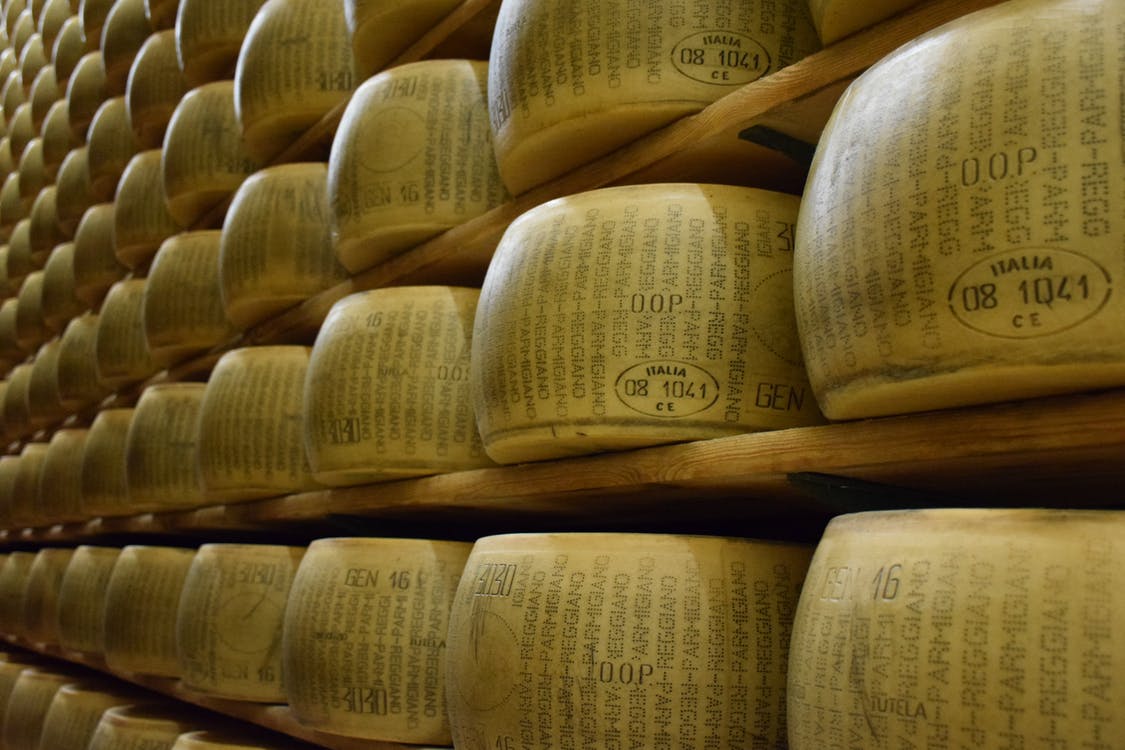
- Hard Cheeses: Wrap hard cheeses loosely in wax paper. Hard cheeses need a bit of airflow to keep their flavor from becoming too intense.
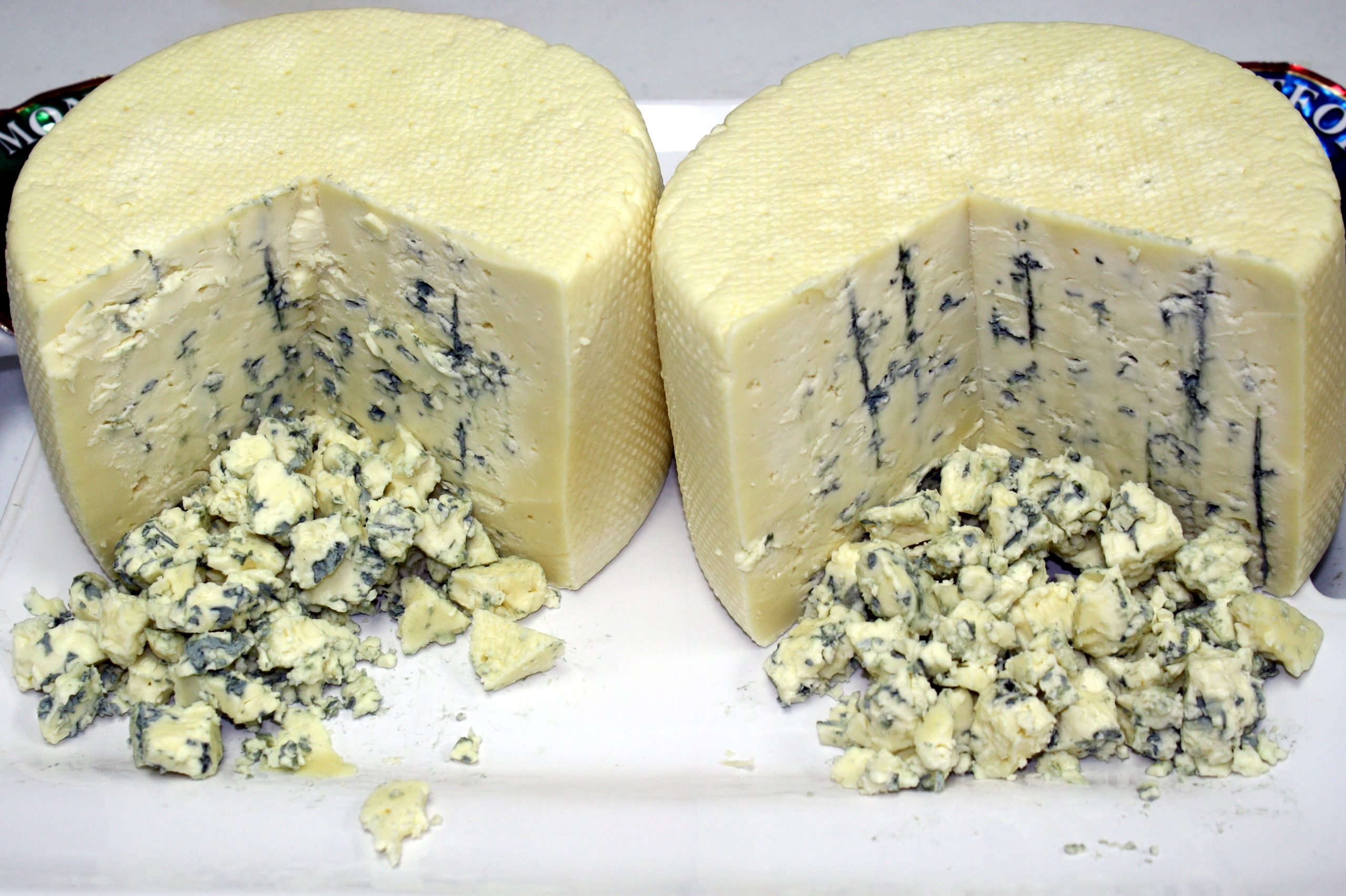
- Blue Cheeses: Blue cheeses have strong aromas that can transfer to other cheeses. Store them separately in airtight containers to avoid flavor mixing.
- Avoid Freezing Cheese: Freezing can change the texture and flavor of cheese. It’s better to buy smaller amounts that you can use up in a reasonable time frame.
Best Storage Methods by Cheese Type
| Cheese Type | Best Storage Method |
| Fresh | Airtight container |
| Soft | Wax paper or box |
| Semi-hard | Cheese paper or box |
| Hard | Loose wax paper |
| Blue | Separate container |
Remember, cheese is a “living” food that needs a little air and the right humidity to stay in top shape. Taking a few extra steps in storage can go a long way toward keeping your cheese fresh and flavorful for as long as possible.
Wrapping It Up
Cheese storage might sound like a small detail, but it makes a big difference in flavor, texture, and shelf life. From clay pots and wax to modern cheese grottos, we’ve come a long way in keeping cheese at its best. Whether you’re picking up cheese paper for a special wedge of brie or investing in a Cheese Grotto to bring the cave experience home, storing cheese properly pays off.
So, the next time you grab that hunk of cheddar or creamy camembert, think about the journey cheese storage has taken. Give your cheese a little extra love by choosing a storage method that keeps it tasting as great as it did when you first bought it.