How Are Smoked Cheeses Made, and What Techniques Create Their Distinct Flavors?
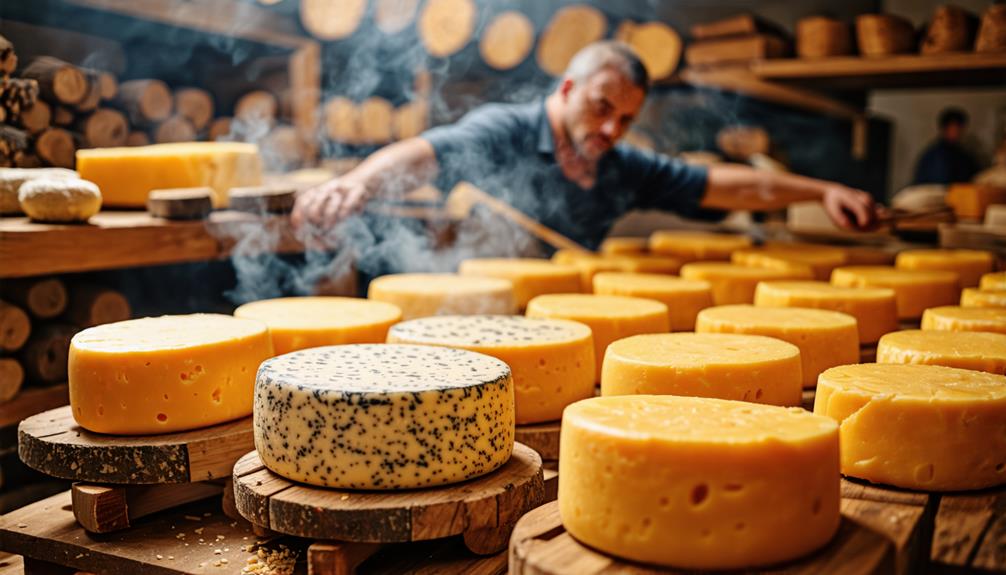
Exploring the world of smoked cheeses reveals a sophisticated process that goes beyond merely adding a smoky flavor. Techniques such as cold smoking and hot smoking are pivotal in determining the cheese's ultimate taste and texture. Each method imparts unique characteristics, further influenced by the choice of wood used in the smoking process. Understanding these nuances not only enhances the appeal of smoked cheeses but also aids in selecting the right variety for your culinary needs. Delving deeper into these techniques can significantly elevate your dishes.
Overview of Smoked Cheese
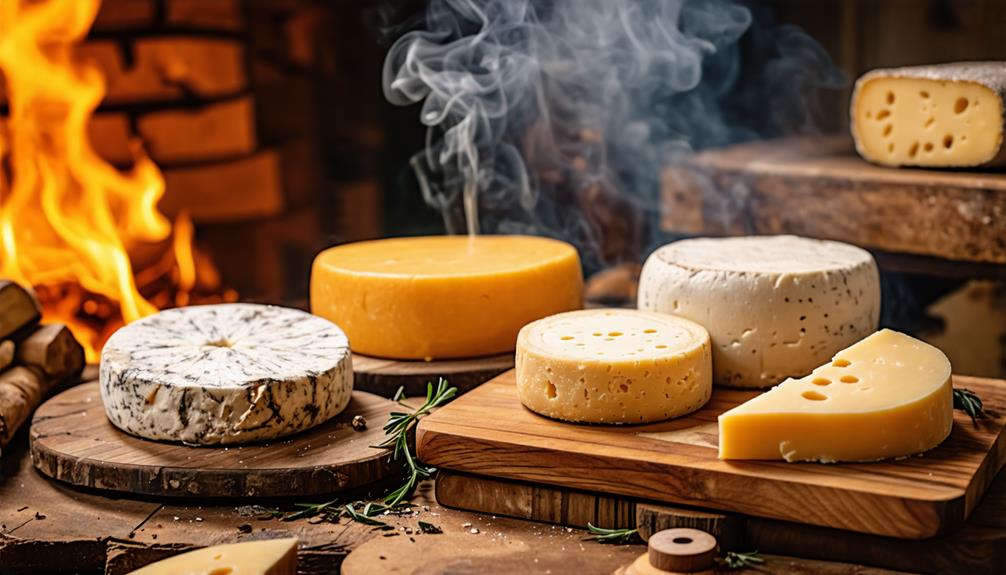
Smoked cheese is a culinary delight that brings a unique depth of flavor to various dishes, making it a favorite among cheese enthusiasts. Varieties such as Smoked Baby Swiss, Smoked Cheddar, and Smoked Gouda cater to diverse palates. The distinctive smoky taste originates from the smoking process, which varies depending on the type of wood used, such as apple, hickory, or oak.
Cold smoking is a favored technique for creating smoked cheeses, as it imparts a rich smoky flavor without causing the cheese to melt. This method allows hard cheeses to absorb the smokiness while maintaining their structure, enhancing options like Smoked Cheddar. The aging process further enriches the flavor, allowing the smokiness to mellow and develop a more complex taste profile over time.
Whether paired with wines, incorporated into gourmet sandwiches, or used in a variety of recipes, smoked cheeses elevate your culinary experience. The next time you shop for cheese, consider adding a few smoked varieties to your cart for an added depth of flavor.
Smoking Techniques Explained
When smoking cheeses, it's important to understand two key techniques: cold smoking and hot smoking. Each method affects the cheese's texture and flavor differently, offering a variety of delicious results. Additionally, exploring different flavor infusion techniques can further enhance your smoked cheese experience.
Cold Smoking Process
Cold smoking cheese involves carefully exposing it to smoke at temperatures below 90°F, allowing rich flavors to infuse without melting the cheese. The process typically takes between 2 to 12 hours, with most cheeses being smoked for around 3-4 hours.
Steps for Cold Smoking Cheese:
- Preparation: Cut the cheese into blocks or slices.
- Smoking: Place the cheese in a cold smoker or a setup using a smoke generator. Flip the cheese halfway through to ensure even smoke absorption. Maintain low temperatures by using a water pan or ice within the smoker. Periodically open the smoker lid to release excess heat.
- Resting: Once smoking is complete, let the cheese rest for 20-30 minutes to allow flavors to develop.
Storage:
- Wrap the cheese in parchment or cheese paper for ideal storage.
Cold Smoking Process Overview:
| Step | Action | Duration |
|---|---|---|
| Preparation | Cut cheese into blocks or slices | - |
| Smoking | Expose to cold smoke | 2-12 hours |
| Resting | Let cheese rest | 20-30 minutes |
This process ensures the cheese absorbs the desired smoky flavor while maintaining its texture and integrity.
Hot Smoking Method
Hot smoking cheese infuses rich, smoky flavors while slightly melting the cheese, resulting in a firmer texture and enhanced taste. This method involves directly applying heat within the range of 120°F to 180°F, allowing the cheese to absorb bold flavors effectively. Compared to cold smoking, hot smoking takes less time—generally just 30 minutes to 1 hour—to achieve the desired smokiness.
The choice of wood types can significantly impact the flavor profile when using the hot smoking technique. Popular options like hickory, mesquite, and oak impart strong, distinct tastes that enhance the cheese. As the cheese melts slightly during the process, it absorbs these flavors more deeply, making the final product even more delicious.
After hot smoking, allow the cheese to rest at room temperature before sealing it. This step helps mellow out the smokiness, resulting in a more balanced and enjoyable flavor. With the right wood types and careful attention to time and temperature, you can create fantastic smoked cheese that is sure to impress.
Flavor Infusion Techniques
Flavor infusion techniques for smoked cheeses can be categorized into two main methods: cold smoking and hot smoking, each offering unique characteristics and flavor profiles. Cold smoking involves maintaining the temperature below 90°F, which allows the cheese to absorb smoke without melting. This process can last anywhere from 1 to 12 hours, depending on the desired intensity of the flavor.
In contrast, hot smoking directly applies heat, altering the cheese's texture while infusing it with smoke. The type of wood used, such as hickory, apple, or cherry, significantly impacts the final flavor profile. Each wood variety imparts its distinct taste, enhancing the cheese in unique ways.
Additionally, liquid smoke can be used during cheese production to enhance the smoky flavor without traditional smoking methods. This infusion creates complex flavor compounds, including phenolic compounds, that contribute to the smoky taste and help preserve the cheese. Understanding these techniques can elevate your smoked cheese experience, allowing you to craft flavors that suit your palate perfectly.
Best Cheeses for Smoking

When it comes to smoking cheeses, hard and semi-hard varieties like Cheddar, Gouda, and Pepper Jack are top choices due to their ability to retain shape and absorb smoke without melting. Smoked Cheddar is particularly favored for its sharp, rich flavor that complements the smokiness beautifully. Gouda also develops complex flavors when smoked, making it another excellent option.
Avoid soft cheeses like Brie and Mozzarella for smoking, as they melt too easily and can absorb too much smoke flavor, overpowering their delicate taste. Wax-coated cheeses are worth considering; they retain moisture and flavor during smoking, making them suitable for unique techniques.
For those looking to experiment, cheeses like Fontina and Romano can yield surprising and delightful flavor profiles when smoked, adding creativity to your cheese board. Ultimately, the best cheeses for smoking are those that balance texture and flavor, allowing you to enjoy the rich, smoky experience without compromising the cheese's integrity.
Equipment and Tools Required
To successfully smoke cheese, you'll need specific equipment and tools to ensure the process goes smoothly and yields delicious results. First, invest in a smoker tube, essential for generating the cool smoke necessary for cold smoking. A regular smoker or outdoor grill will serve as the chamber for your cheese to absorb those rich, smoky flavors. Monitoring the temperature is crucial, so a surface thermometer is necessary to keep it below 90°F, the ideal condition for smoking cheese.
Experiment with various wood pellets such as apple, cherry, or hickory to achieve different smoke flavors. Cut your cheese into 2-3 inch blocks to ensure even smoke absorption and preserve its structure.
After smoking, wrap the cheese in butcher paper to let it breathe and prevent moisture buildup. For storage, use ziplock bags or vacuum sealers to maintain freshness. Cooling racks are useful for placing your cheese on while it cools. With this equipment and these tools, you're well-prepared to create delicious smoked cheese at home!
Storage Tips for Smoked Cheese
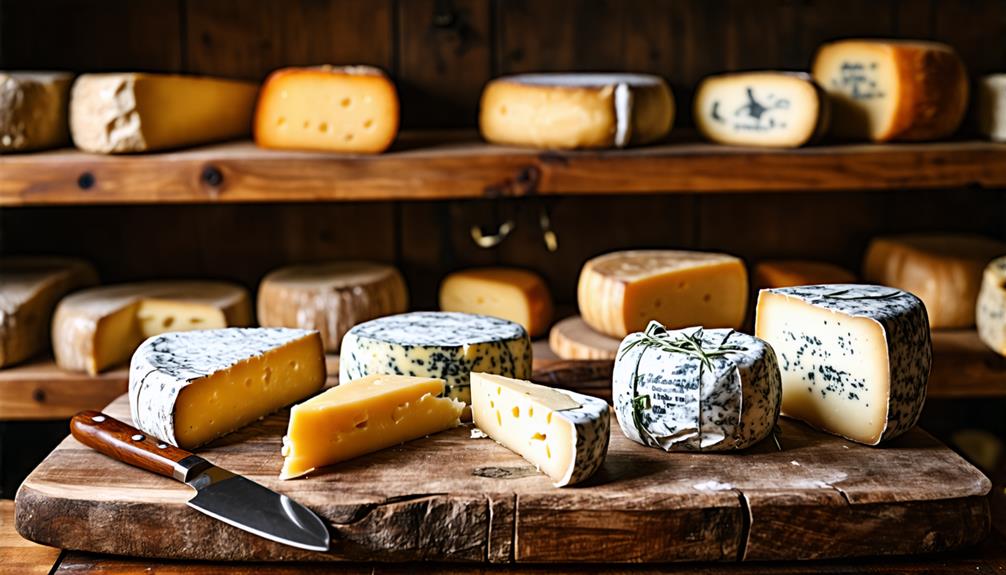
Proper storage of smoked cheese is crucial for maintaining its quality and extending its shelf life. If you want to keep your smoked cheese fresh, follow these guidelines. Unopened smoked cheese can last in the refrigerator for up to a year. However, once opened, it is best consumed within three weeks to enjoy the optimal taste.
Here's a quick reference table:
| Storage Method | Duration & Tips |
|---|---|
| Unopened | Up to 1 year in fridge |
| Opened | Consume within 3 weeks |
| Wrapping | Use ziplock bags or parchment paper to allow breathing |
| Vacuum Sealing | Best for preserving freshness |
| Freezing | Possible, but texture may change |
To prevent moisture buildup, always wrap smoked cheese in parchment paper or seal it in a ziplock bag, allowing it to breathe. For an enhanced flavor, let your vacuum-sealed smoked cheese mature in the fridge for 1-2 weeks before eating. Adhering to these tips will ensure your smoked cheese remains delicious for as long as possible.
Flavor Profiles of Smoked Cheeses
Understanding how to store smoked cheese can enhance your experience as you explore the diverse flavor profiles of various smoked cheeses. Each type offers a unique combination of smoke and cheese that can delight your palate.
Consider Smoked Cheddar, typically smoked with hickory. It delivers a deeply smoky flavor that intensifies with aging, making it a favorite among cheese enthusiasts. If you prefer something creamier, Smoked Gouda may be your choice. Its mild smokiness and rich texture often come from apple or cherry wood, adding a touch of sweetness.
For those who enjoy bold flavors, Smoked Hot Pepper Cheese combines smokiness with a spicy kick, delivering a zesty taste that elevates any dish. For a unique option, Smoked Horseradish Cheese merges the smoky taste with the sharpness of horseradish, creating a complex flavor profile.
The type of wood used in the smoking process significantly impacts the cheese's flavor. Oak imparts a robust taste, while fruit woods like apple lend a milder, sweeter note. Exploring these profiles can deepen your appreciation for smoked cheeses.
Culinary Uses of Smoked Cheese

Enhancing your meals with smoked cheese is a fantastic choice. It pairs beautifully with various meats, elevates cheeseboards, and inspires creative recipes. Let's explore how these flavors can transform your culinary experience.
Pairing With Meats
Pairing smoked cheeses with quality meats creates a delightful culinary experience that elevates sandwiches and charcuterie boards to new heights. Smoked Cheddar and Smoked Gouda are particularly excellent choices for enhancing flavors. The rich, smoky taste of these cheeses complements meats like smoked brisket or roasted turkey, making each bite incredibly satisfying.
When exploring pairings with meats, consider how the creamy texture of smoked cheeses, such as Smoked Mozzarella, works beautifully in gourmet grilled cheese sandwiches. Adding prosciutto or salami creates an irresistible combination. Smoked Bacon Cheese is a fantastic addition to meat and cheese platters, perfectly balancing the saltiness of cured meats.
Don't forget about grated smoked cheeses! They can add a punch of flavor to tacos, especially with grilled chicken or steak. The smoke method used in creating these cheeses enhances their profiles, allowing them to elevate even simple dishes. Additionally, the contrasting taste experience from pairing smoked cheeses with meats like peppered beef jerky or smoked sausages can make your meals unforgettable. Embrace these combinations, and you'll discover a world of flavor that's hard to resist!
Enhancing Cheese Boards
Incorporating smoked cheeses into your cheese board elevates it into a flavorful adventure that tantalizes the taste buds. Smoked Cheddar and Smoked Gouda bring distinct smoky flavors and unique textures, making your board irresistible to cheese lovers. By including a range of smoked cheeses, such as Smoked Bacon Cheese and Smoked Horseradish Cheese, you create a diverse tasting experience that appeals to a wide spectrum of palates.
When pairing smoked cheeses, consider adding fruits like tart apples and white grapes. These fruits balance the rich smokiness and enhance the overall flavor profiles of your cheese board. Additionally, smoked cheeses complement cured meats and sweet relishes on charcuterie boards, creating a harmonious blend of flavors and textures that will impress your guests.
Don't forget, grated smoked cheese, like Smoked Mozzarella, can also add an authentic and robust flavor to various dishes. Whether you're hosting a gathering or enjoying a quiet night in, smoked cheeses can enhance your cheese boards and make any occasion memorable. So go ahead, explore the possibilities, and let your cheese board shine!
Creative Recipe Ideas
Smoked cheese adds a distinctive flavor and texture to a variety of dishes, turning everyday meals into gourmet experiences. Here are some creative ways to incorporate smoked cheese into your cooking:
| Dish Type | Smoked Cheese Application | Flavor Profile |
|---|---|---|
| Grilled Cheese | Use as the primary cheese | Rich, smoky, and gooey |
| Tacos | Grate on top for added flavor | Savory and unique |
| Mac and Cheese | Mix into the sauce for depth | Creamy, smoky, and slightly spicy |
| Cheese Board | Pair with fruits and cured meats | Balanced and flavorful |
Each of these ideas leverages the unique qualities of smoked cheese to enhance both taste and texture, ensuring a memorable culinary experience.
Community Insights and Recipes
Cooking enthusiasts frequently share a variety of smoked cheese recipes online, featuring options like smoked cream cheese and smoky jalapeno popper mac and cheese. Home cooks explore the versatility of smoked cheese by experimenting with different cheeses and types of wood, leading to unique flavor profiles that can tantalize the palate.
In cooking communities, exchanging feedback and tips is common. Discussions often focus on ideal smoking times and methods, encouraging trial and error to achieve the perfect balance of smokiness. Whether you're enhancing a charcuterie board or elevating grilled sandwiches, smoked cheese can be a game-changer in your culinary creations.
Don't hesitate to delve into online forums and recipe sites to discover new techniques and flavor combinations. Many enthusiasts highlight that using different woods—like hickory, apple, or cherry—can significantly impact the final taste. As you experiment, you'll refine your smoking techniques, making your smoked cheese even more delightful. So, gather your favorite cheeses and prepare to impress friends and family with your delicious creations!
Historical Significance of Smoked Cheese
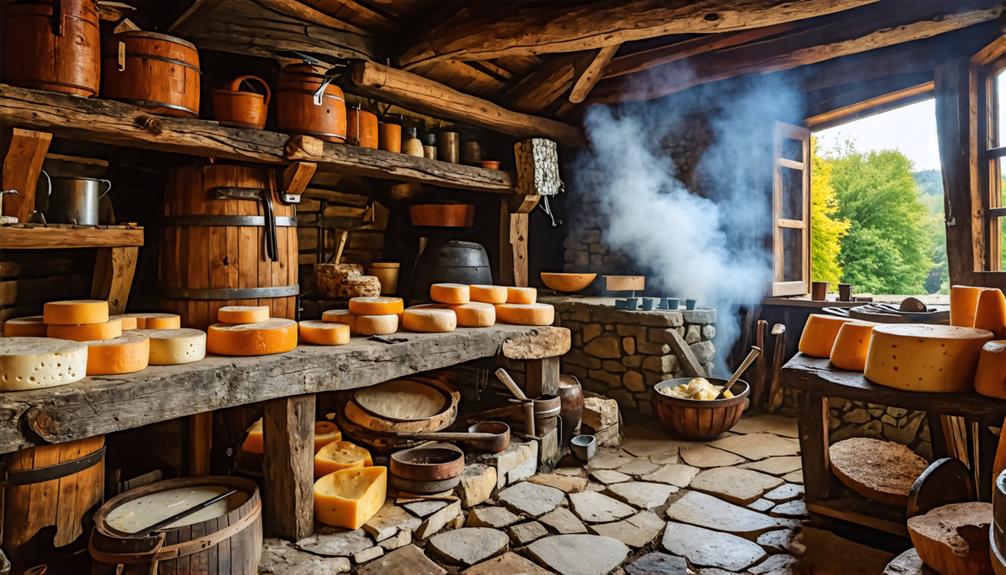
The rich history of smoked cheese reveals its evolution from a prehistoric preservation method to a celebrated culinary tradition worldwide. Initially, smoking was used to extend the shelf life of cheese, but over the centuries, it has transformed into a refined culinary art.
Key Points about the Historical Significance of Smoked Cheese:
- Ancient Techniques: The practice of smoking cheese dates back to prehistoric times. Roman author Cato documented early methods, illustrating its longstanding cultural importance.
- Medieval Adoption: During the Middle Ages, Europeans widely adopted smoking techniques to preserve perishable foods, particularly dairy products like cheese.
- Global Influence: Smoked cheese embodies diverse regional flavors and traditions, becoming an integral part of numerous food cultures around the world.
- Modern Gourmet: Today, smoked cheese has shifted from a preservation necessity to a gourmet staple. Chefs continually explore its unique flavor profiles, making it a beloved ingredient in contemporary cuisine.
This rich history not only underscores the practical uses of smoked cheese but also celebrates its lasting impact on culinary innovation, making it a cherished ingredient in kitchens everywhere.
Conclusion
Smoked cheeses offer a distinctive blend of flavors and textures that can elevate your culinary creations. The two primary techniques for smoking cheese—cold smoking and hot smoking—each impart unique characteristics. Cold smoking infuses a subtle, smoky flavor without melting the cheese, while hot smoking results in a bolder taste and a slightly altered texture. By experimenting with various cheeses and wood types, you can discover a wide range of flavors. Embrace the art of smoking cheese to enrich your dishes with its rich, versatile taste.