How Do You Recognize Authentic Cheese Labels?
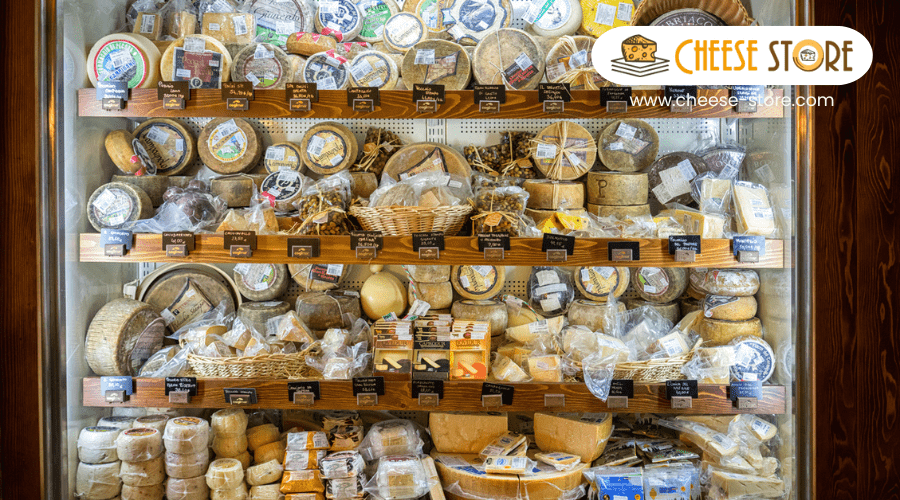
Understanding how to recognize authentic cheese labels is essential for cheese enthusiasts and casual consumers alike. With the wide variety of cheeses available on the market, it's important to be able to distinguish genuine, high-quality products from imitations. Authentic cheese labels provide crucial information about the cheese's origin, production methods, and quality standards.
Let’s explore the key elements to look for on cheese labels, including certifications, geographic indications, and specific terminology that indicate authenticity. By learning to recognize these indicators, you can make informed choices and enjoy the finest cheeses available.
Key Takeaways
- Avoid labels that state 'cheese product' or 'pasteurized processed cheese food'.
- Look for a clear indication of the maturation period on the label.
- Ensure the ingredient list is short and free of additives like cellulose.
- Check for recognized certifications such as USDA Organic or PDO/PDI.
- Verify that the label simply states 'cheese' without additional qualifiers.
Look for Key Phrases
When choosing cheese, pay attention to key phrases on the label to ensure its authenticity. Avoid labels that mention 'cheese product' or 'pasteurized processed cheese food,' as these indicate processed versions with added fillers and additives. Look for labels that simply state 'cheese,' which signifies a genuine product.
Another important phrase is 'raw milk.' Authentic cheeses often use raw milk, contributing to richer flavor and more complex texture. If a label indicates the cheese is made from raw milk, it's generally a good indicator of authenticity and quality.
Steer clear of products labeled 'pasteurized processed cheese spread,' as these are typically not made with pure cheese and can contain various artificial ingredients.
Inspect Ingredient List
To guarantee you're getting authentic cheese, inspect the ingredient list for simplicity and purity. Real cheese should have a straightforward ingredient list, primarily listing cheese and familiar, natural ingredients. Additives like cellulose or sawdust are red flags, often used in processed cheese products to extend shelf life or prevent caking, compromising quality and authenticity.
Be cautious of cheese products with long ingredient lists filled with unfamiliar or chemical-sounding names. Genuine cheese labels will typically list cheese as the primary ingredient, indicating higher quality and adherence to traditional cheese-making practices. Authentic cheese shouldn't contain unnecessary additives or fillers.
Always take a moment to read what's in your cheese. It's a small step that makes a big difference in the quality and authenticity of what you're consuming.
Understand Cheese Types
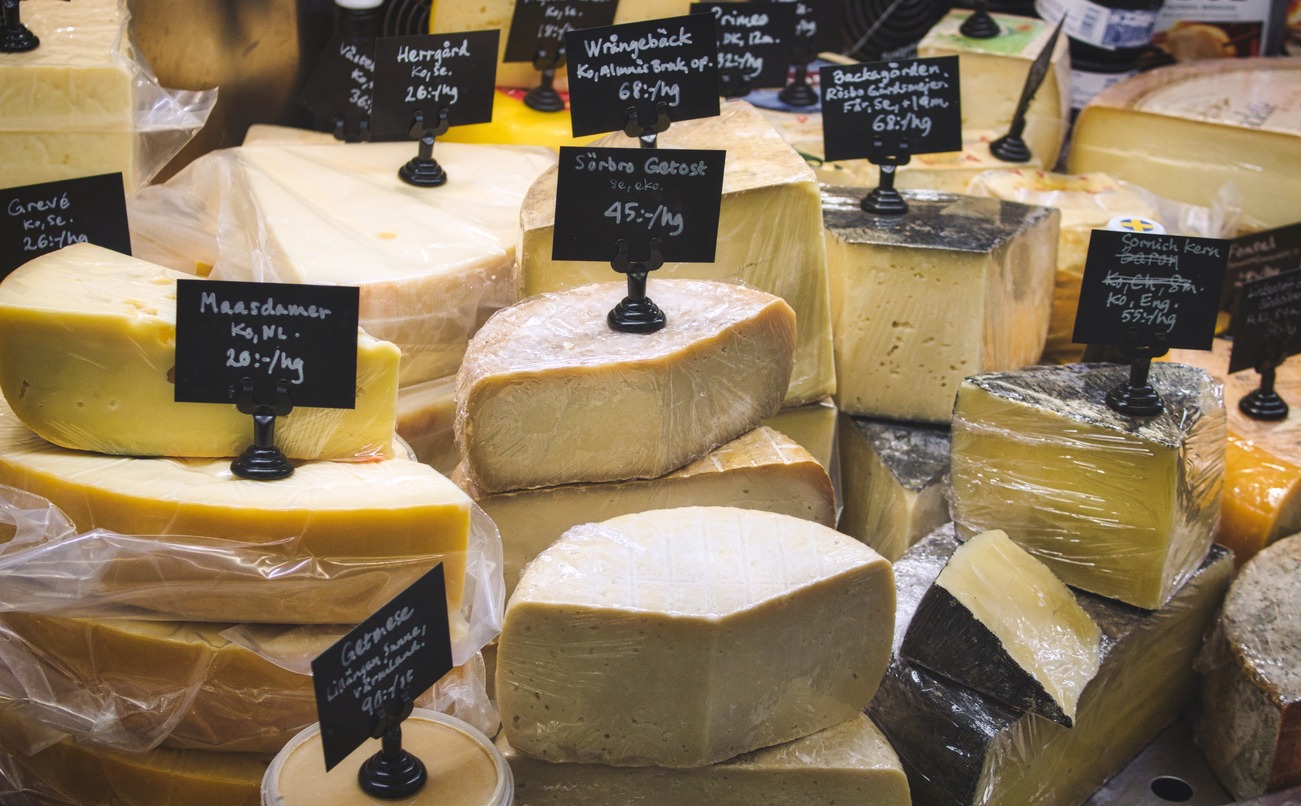
When identifying cheese types, consider the categories, regional varieties, and milk sources. Recognizing these aspects helps you appreciate the unique characteristics each cheese offers.
Cheese Category Identification
Exploring the diverse world of cheese reveals various categories, each with distinct textures and flavors suited for different culinary applications. Fresh cheeses like ricotta and mozzarella are unripened, providing a mild taste and soft texture ideal for salads or melting.
Soft cheeses, such as Brie and Camembert, feature a creamy interior and a delicate rind, perfect for spreading on bread.
Semi-soft cheeses like Gouda and Havarti offer a smooth, creamy texture that pairs well with fruits and crackers. Moving to firmer varieties, semi-hard cheeses such as Edam and Monterey Jack deliver more bite and are excellent for slicing.
Hard cheeses, including Parmesan and aged cheddar, are firm and crumbly, making them perfect for grating over pasta or adding to robust dishes.
Blue cheeses, such as Roquefort, are characterized by distinctive blue mold veins and a pungent flavor that can enhance salads and sauces.
Regional Cheese Varieties
Exploring regional cheese varieties reveals a rich tapestry of flavors and traditions, from France's Roquefort to Italy's Parmigiano-Reggiano. Each region presents unique cheeses like Gouda from the Netherlands, characterized by distinct features shaped by local practices and environments. These cheeses aren't merely food; they're cultural artifacts that narrate the story of their origins.
When browsing cheese labels, look for Protected Designation of Origin (PDO) or Protected Geographical Indication (PGI) marks. These designations ensure the cheese's authenticity and quality, confirming it was produced in a specific region using traditional methods. For instance, a PDO label on Parmigiano-Reggiano guarantees it was made in designated areas of Italy under strict regulations.
Milk Source Differentiation
Understanding the source of milk is crucial for predicting a cheese's flavor and texture. Different milk sources such as cow, sheep, and goat produce distinct cheese types, each with unique characteristics. Cow's milk cheeses are typically creamy and mild, making them versatile for various dishes.
Sheep's milk cheeses are rich and tangy, often featuring complex flavors that stand out in recipes and on cheese boards. In contrast, goat's milk cheeses are known for their strong, sharp flavors and distinct aroma. These bold cheeses are ideal for those who enjoy more pronounced tastes.
By understanding the milk source, you can better anticipate the taste profile of the cheese and make informed choices based on your preferences.
Check for Additives
When examining cheese labels, ensure there are no additives like cellulose or whey protein listed. These ingredients are often used in processed cheese products to enhance texture or prevent clumping but detract from the cheese's authenticity. Real cheese should have a straightforward list of easily recognizable ingredients.
Be cautious of unfamiliar or chemical-sounding ingredients. Authentic cheese labels shouldn't contain anti-caking agents, skim milk solids, or cellulose (a type of sawdust used to prevent sticking). If you spot these additives, it's a clear sign the product isn't genuine cheese.
Checking for additives is crucial for ensuring you're getting a pure and authentic cheese product. Authentic cheeses rely on traditional methods and natural ingredients for their flavor and texture.
Government Regulations
To ensure you're selecting genuine cheese, it's crucial to understand government regulations that dictate labeling standards. In the U.S., stringent regulations distinguish between real cheese and cheese products, aiding in the identification of authentic cheese free from unnecessary additives.
For instance, real cheese typically comes as a solid block and lacks the additives often found in processed cheese products like shredded cheese. These processed products may contain anti-caking agents and preservatives, which are absent in genuine cheese blocks. By recognizing these differences, you can make more informed choices when navigating the cheese aisle.
In the U.S., products must contain at least 51% real cheese to be labeled as 'cheese food' or 'cheese product.' Anything with less than 51% cheese must be labeled differently, offering a clear indication of whether it's genuine cheese. Understanding these labeling regulations empowers you to make informed decisions when purchasing cheese.
Aging Information
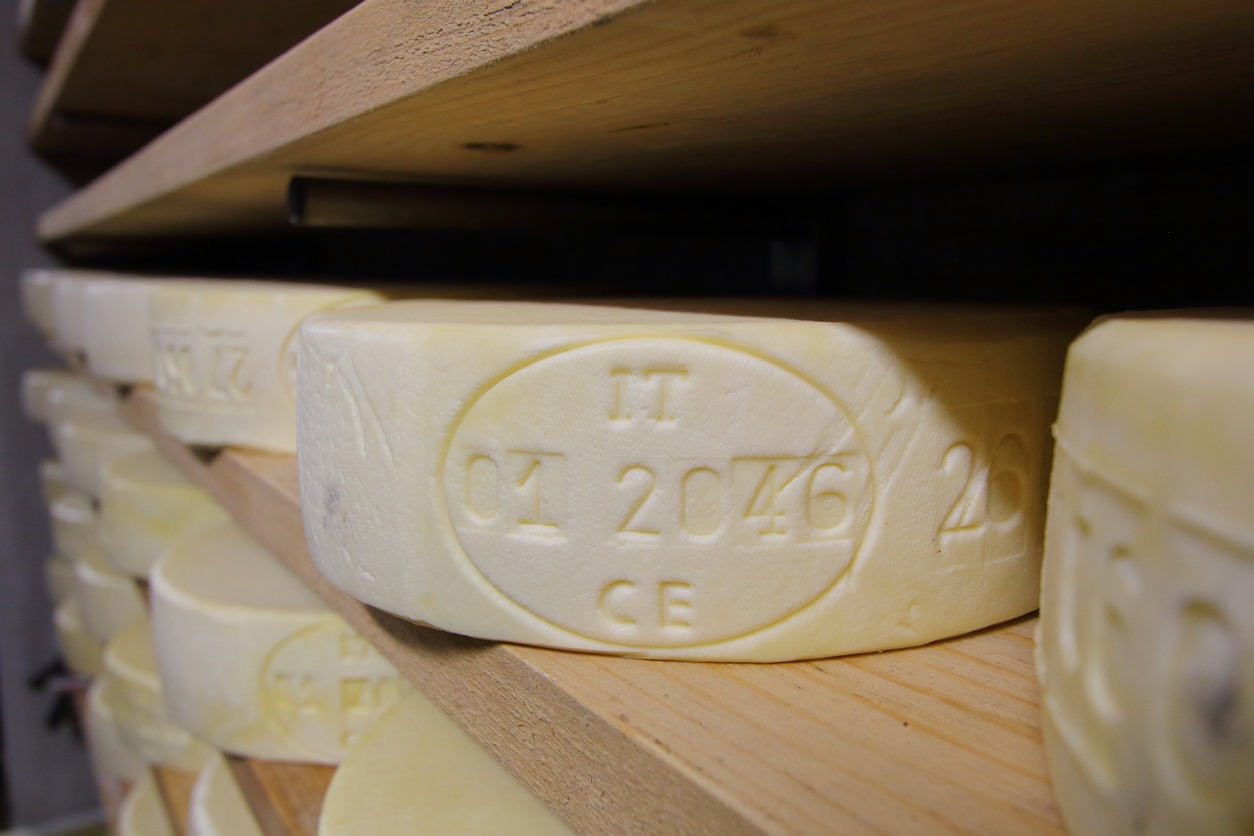
When examining cheese labels, look for the maturation period to understand the aging process. Age labels, often in the form of a date, indicate how long the cheese has matured. This information helps predict both the flavor and texture you'll experience.
Maturation Period Indication
When you see a cheese label, you'll often notice the aging period displayed in days, months, or even years, usually in reverse order. This information isn't just for show; it provides essential insight into the cheese's development process.
Cheeses aged for longer periods typically exhibit sharper and more intense flavors. For instance, a cheese aged for several years will likely have a robust, complex flavor profile compared to a cheese aged for just a few months. By understanding these maturation periods, you can better select cheeses that match your taste preferences, whether you enjoy mild, creamy textures or bold, crumbly ones.
Different types of cheese have their own ideal aging periods to achieve their signature flavors. Knowing this helps you appreciate why some cheeses are aged longer than others. For example, you might find that a cheddar aged for 18 months offers a richer taste than one aged for only 6 months.
Specific Age Labels
Cheese labels often include specific aging information that helps you determine the flavor and texture you can expect. When you look at a cheese label, the date of production is typically indicated by a series of six numbers. This date is crucial for understanding how long the cheese has been aged.
Cheese aging significantly affects both flavor and texture:
Unaged Cheeses: These are soft and mild, such as paneer.
Mildly Aged Cheeses (60 days to 2 years): Varieties like cheddar develop a sharper flavor profile.
Moderately Aged Cheeses: These cheeses begin to develop a harder, more crumbly texture, enhancing their complexity.
Long-Aged Cheeses: The texture becomes very hard and crumbly, as seen in certain sheep's milk cheeses, with a rich and intense flavor.
Packaging Details
Always scrutinize the packaging details to ensure you're purchasing authentic cheese. The first thing you should look for is a label that simply says 'cheese,' indicating the product is likely free from additives and fillers. Avoid products labeled 'cheese food' or 'cheese product,' as these terms suggest the item doesn't meet the standards for real cheese.
Carefully examine the ingredient list. Authentic cheese will list only essential ingredients, such as milk, salt, enzymes, and cultures. Be cautious of fillers like cellulose or whey protein, which are often present in lower-quality products.
Labels that read 'pasteurized processed cheese food' or 'pasteurized processed cheese spread' are red flags, indicating the product is a processed version with additives rather than genuine cheese.
Organic Certifications
When selecting organic cheese, look for recognized certification logos like the USDA organic seal. These logos are issued by trusted certification bodies that ensure the cheese meets strict organic standards.
To verify a label's authenticity, check the certifier's information and their accreditation status.
Recognized Certification Logos
Recognized certification logos like USDA Organic or Certified Humane on cheese labels guarantee products that meet high organic and ethical standards. These logos signify a commitment to quality, transparency, and sustainability.
When you see the USDA Organic logo, you can be confident that:
No synthetic pesticides: The cheese is produced without harmful chemicals.
No GMOs: It's free from genetically modified organisms.
Humane animal treatment: The Certified Humane logo ensures ethical animal treatment.
Environmental sustainability: These certifications emphasize eco-friendly practices.
Choosing cheeses with these certifications supports organic farming and humane animal treatment.
The USDA Organic certification ensures the cheese is free of synthetic pesticides and GMOs, promoting a natural product. The Certified Humane logo signifies ethical treatment of animals, supporting animal welfare and sustainable farming.
These logos provide peace of mind, indicating that the cheese meets high standards for quality and integrity. Look for these certification logos—they assure you of a responsibly produced product.
Certification Issuing Bodies
To ensure your cheese meets high organic standards, look for certifications from recognized bodies such as the USDA Organic label or the European Union Organic logo. These certifications indicate that the cheese has been produced in accordance with stringent standards for organic production, which include considerations for animal welfare and environmental sustainability.
Cheeses bearing these labels are made from milk produced without synthetic pesticides, hormones, or genetically modified organisms, ensuring both your health and the health of the environment. The presence of an organic certification on a cheese label signifies a commitment to transparency and adherence to rigorous organic farming practices.
Consumers can trust that cheeses with these certifications are free from artificial additives and produced in an environmentally friendly manner. This means you're not only enjoying better-tasting cheese but also supporting sustainable and ethical production practices.
Label Verification Process
Verifying Organic Cheese Authenticity
Before purchasing organic cheese, ensure its authenticity by examining the label for recognized certification logos and registration numbers. These certifications confirm that the cheese was made without synthetic pesticides, fertilizers, or GMOs.
Follow this guide to verify the cheese's organic status:
Certification Logos: Look for logos from reputable organizations such as USDA Organic or EU Organic. These symbols indicate compliance with strict organic production standards.
Registration Number: Identify a registration number on the label. This number is associated with the certifying body and can be used to confirm the cheese's organic certification.
Certifying Body: Note the certifying body mentioned on the label. Established certifying bodies have their own logos and registration systems, which add to the product's credibility.
Farm Information: The label often includes details about the producing farm or dairy. This information provides further assurance of the cheese's authenticity.
Origin Labels
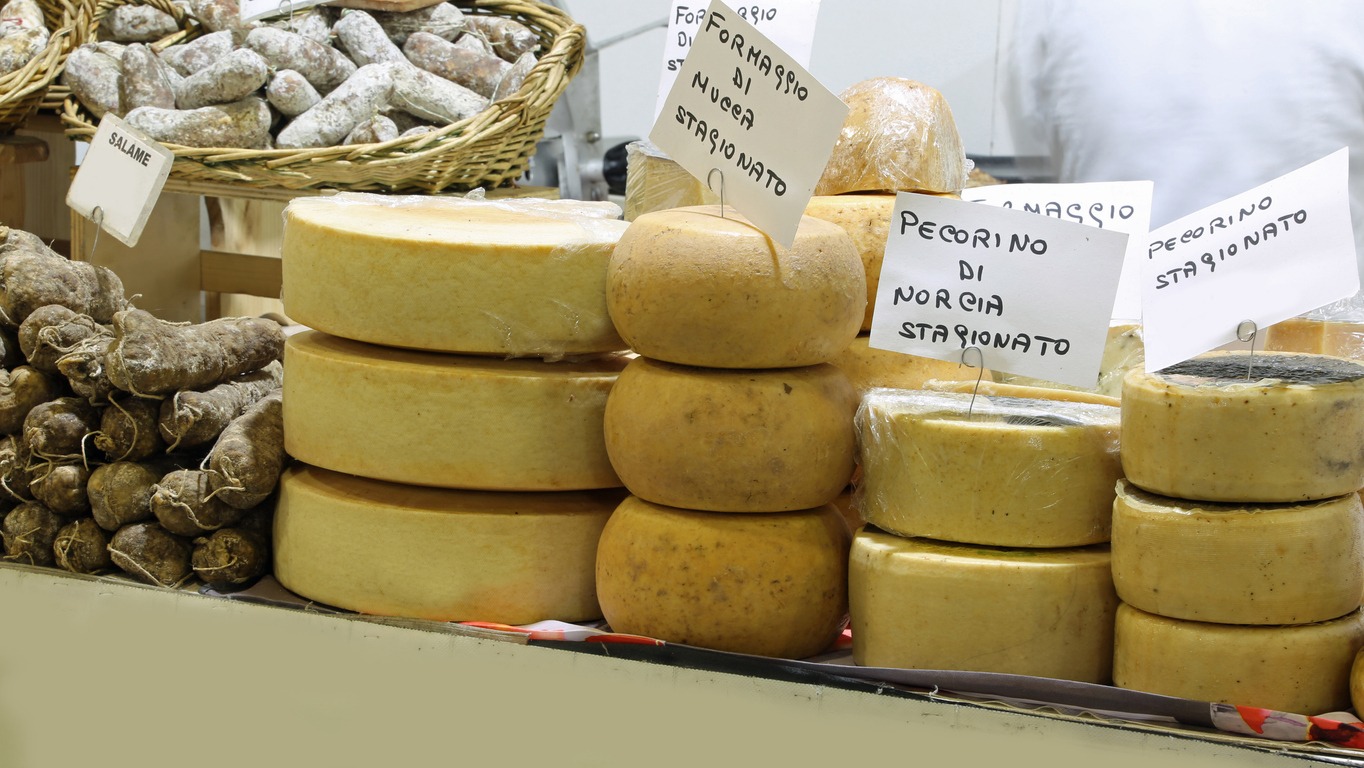
Origin labels on cheese provide essential information about its provenance and production methods, ensuring authenticity. These labels reveal the country or specific region where the cheese was made, offering insights into traditional practices and techniques that shape its unique flavor profile.
Some cheeses carry protected designation of origin (PDO) or protected geographical indication (PGI) statuses, which guarantee adherence to strict standards regarding origin and production. For example, 'Parmigiano Reggiano' and 'Roquefort' have PDO status, meaning they can only be produced in designated regions using specified methods to ensure high quality and authenticity.
Trustworthy Brands
When selecting authentic cheese, opt for trusted brands with a history of quality and clear labeling. Reputable brands have a proven track record of consistently delivering genuine cheese products. They prioritize transparent labeling, making it easy for you to understand exactly what you're buying. Look for labels that clearly state the type of cheese and its ingredients, ensuring minimal additives.
Frequently Asked Questions
How to Identify Real Cheese?
To identify real cheese, check labels for the word 'cheese' without qualifiers like 'cheese food' or 'processed cheese.' Real cheese should be in a solid block form, and its ingredient list should be free of unfamiliar additives.
What Brand of Cheese Is Real Cheese?
To find real cheese, look for brands like Tillamook, Cabot, or Kerrygold, which don't use fillers or additives. Always check the label for the term 'cheese' and avoid phrases like 'cheese product' or 'cheese food'.
Does Fake Cheese Have to Be Labeled Cheese?
Fake cheese doesn't have to be labeled as cheese. Look for terms like 'cheese product' or 'cheese spread,' which indicate it's not genuine. Always read the ingredient list to ensure it contains 51% or more real cheese.
How to Recognize Processed Cheese?
To recognize processed cheese, look for terms such as 'cheese food' or 'cheese product' on the label. Phrases like 'pasteurized processed cheese food' are also indicators. Additionally, reading the ingredient list can help you identify additives like cellulose, skim milk solids, or whey protein.
Conclusion
Recognizing authentic cheese labels involves understanding key indicators such as certifications, geographic indications, and specific terminology. Look for labels that include Protected Designation of Origin (PDO), Protected Geographical Indication (PGI), or Traditional Speciality Guaranteed (TSG) marks, which ensure the cheese meets strict production and quality standards.
Pay attention to the origin of the cheese, as reputable labels will clearly state the region or country of production. Additionally, familiarize yourself with terms like "raw milk," "farmstead," or "artisan," which often signify traditional and high-quality cheese-making practices. By being aware of these factors, you can confidently select authentic cheeses and savor their true flavors and craftsmanship.
By following these guidelines, you can confidently choose genuine, high-quality cheese brands.