Is Brie a Wet Cheese?
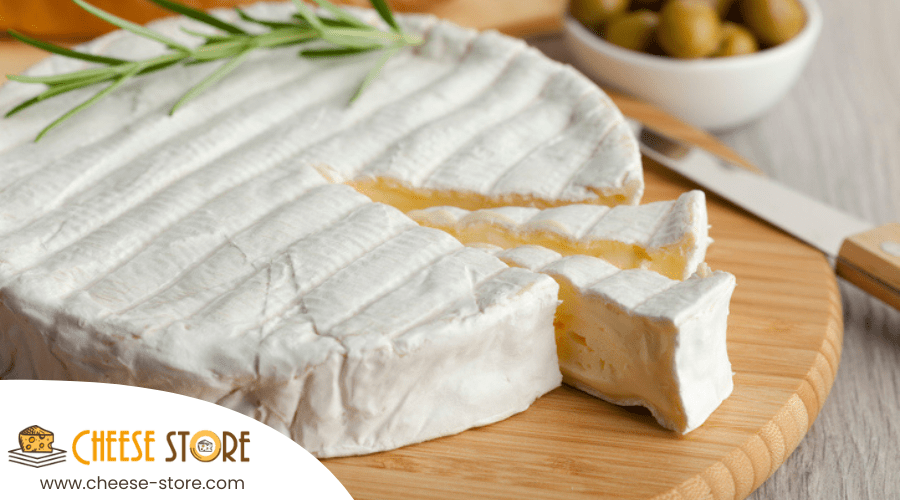
Yes, Brie is definitely a wet cheese with a moisture content between 50-60%. You'll notice its signature creamy, spreadable texture, which comes from this high moisture level. When properly aged, the cheese evolves from firm and chalky to pillowy soft through a careful ripening process. While you should store it wrapped in parchment paper to maintain its moisture balance, there's much more to understand about this beloved French delicacy.
Understanding Brie's Moisture Content
Ever wondered why Brie feels so creamy and spreadable? This beloved soft cheese contains an impressive moisture content ranging from 50-60%, making it one of the most popular high-moisture cheeses available.
When you're enjoying Brie, you'll notice its distinctive creamy texture becomes more pronounced at room temperature. This soft texture is directly linked to the cheese's moisture levels, which are carefully controlled during the ripening process. The amount of moisture in your Brie can vary depending on several factors, including how it's made from cow's milk and how long it's aged. You'll find younger Brie tends to be wetter than its more mature counterparts.
To maintain this ideal moisture balance, it is crucial to store your Brie properly, typically wrapped in parchment paper to preserve its signature characteristics. Like other high-fat soft cheeses, Brie is particularly prone to sweating as it reaches room temperature.
The Role of Ripening in Brie's Texture
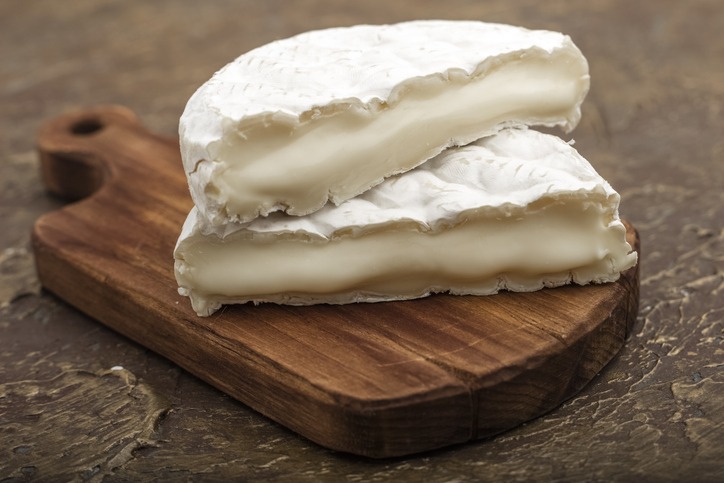
The ripening process converts Brie from a firm, chalky cheese into the creamy delicacy you know and love. As Brie ripens, specialized enzymes break down its protein structure, transforming it into the soft, spreadable texture you'll find in perfectly aged specimens.
Traditionally made Brie is thought to require specific conditions to breathe and stay at ideal moisture levels. The white mold on the rind plays an indispensable role in this process, helping maintain the right environment as the cheese develops. You'll know your creamy Brie is properly aged when it's slightly runny inside with a pillowy texture that melts in your mouth. However, timing is everything - if it's aged too long, you'll end up with an overly liquid consistency, while underripe Brie remains stiff and dry. Like its cousin Camembert, Brie develops a soft-ripened texture that becomes increasingly runny and smooth as it matures.
Comparing Brie to Other Cheese Types

Most cheese aficionados classify Brie as distinctly "wet" when comparing it to other varieties in the cheese family. You'll find that Brie's high moisture content sets it apart from firmer cheeses, making it perfect for baked Brie recipes wrapped in puff pastry. While aged cheeses like Parmesan can last for years, classic varieties like Brie de Meaux require consumption within weeks due to their water activity levels.
The creamy and buttery texture of Brie stands in sharp contrast to harder cheeses, showcasing its identity as a versatile cheese that's ideal for spreading. When you examine the aging process, you'll notice that this wet characteristic allows Brie to develop its signature ripening pattern from rind to center, unlike drier milk-based cheeses that maintain consistent firmness throughout their aging period. The short aging process of soft cheeses like Brie typically ranges from just a few days to weeks, contributing to their higher moisture content and milder flavors.
Proper Storage Methods for Wet Cheeses
Properly storing wet cheeses like Brie requires specific techniques to maintain their delicate texture and prevent spoilage. Whether you've got authentic Brie cheese made from raw milk or pasteurized milk varieties, proper storage is essential for preserving its creamy consistency.
To keep your Brie in ideal condition, follow these key steps:
- Wrap your Brie in parchment paper or wax paper, not plastic wrap, so it can continue to breathe
- Store Brie at 40-45°F, never letting it sit at room temperature for extended periods
- Place the wrapped cheese on a dedicated cheese mat or paper to protect its delicate bottom
- Use stored Brie within a few days after cutting, as the ripening process stops once you break into it
These storage methods will help maintain your Brie's signature creamy texture and rich flavor.
Serving Tips for Optimal Creaminess
Because Brie's signature creaminess emerges at the right temperature, serving this beloved cheese requires careful timing and preparation. If you're wondering how to eat Brie, start by letting this French cheese rest at room temperature for 30-60 minutes. Since Brie is normally quite soft, you'll notice it goes from firm to enjoyably spreadable during this time.
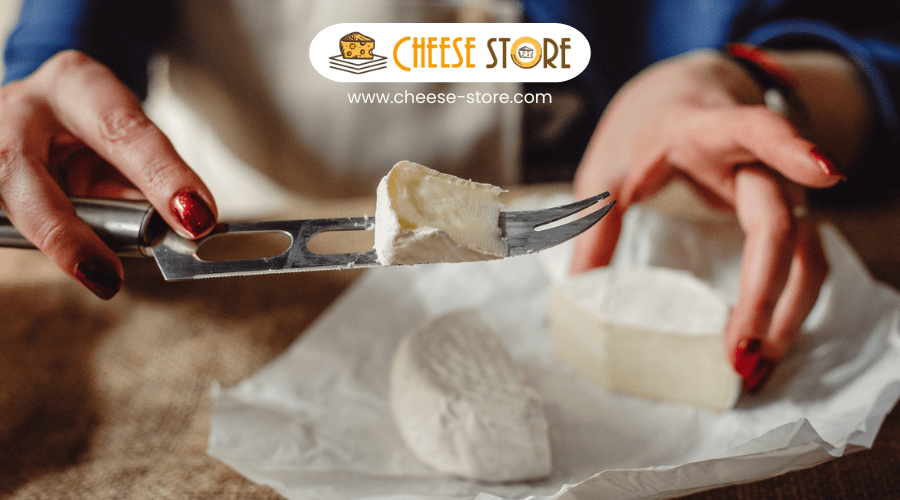
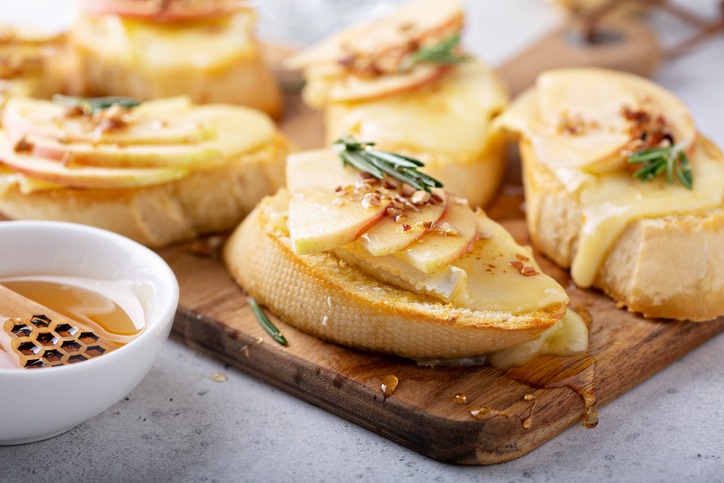
To serve Brie properly, you'll want to use a cheese knife or spreader, which prevents damaging its delicate texture. While questions about Brie cheese often focus on temperature, don't overlook its pairing possibilities. The creamy interior tastes fantastic when contrasted with crispy baguette slices or crackers. For an extra touch of elegance, try drizzling honey or fruit preserves over the top - these sweet additions complement Brie's natural flavors beautifully.