Is It Okay to Eat Sweaty Cheese?
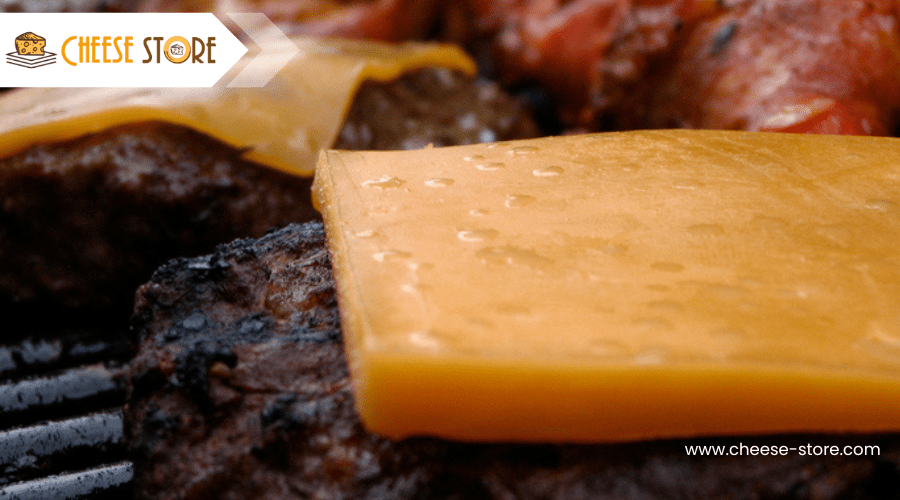
You don't need to worry about eating sweaty cheese - it's completely safe to consume. The "sweat" is just a natural reaction between milk proteins and fatty acids when cheese warms up, causing tiny oil droplets to form on the surface. While some varieties like Gouda and Cheddar are more prone to sweating, it doesn't affect their quality or safety. Just make sure there's no unusual odor, mold, or discoloration before diving into all the cheesy details.
What Makes Cheese Start Sweating
When cheese warms up, a fascinating chemical reaction occurs between its milk proteins and fatty acids. You'll notice tiny oil droplets forming on the surface as the cheese starts to release its fats, creating what's commonly known as cheese sweats.
Temperature plays a key role in this process. As your cheese warms, its protein structure begins to loosen, allowing fatty acids to separate and rise to the surface. You might also spot this sweaty appearance when cheese is wrapped in plastic, as condensation can form inside the packaging. This effect is particularly noticeable in higher-fat cheeses, which contain more fatty acids that can be released. While cheese sweats might look concerning, they're simply a natural reaction to warmth and don't mean your cheese has gone bad. Once these fatty acids separate, they cannot be reintegrated back into the cheese structure.
Common Types of Cheese That Sweat

Several beloved cheese varieties are particularly prone to sweating due to their high fat content. You'll notice that Gouda, Manchego, Comté, Gruyère, and Cheddar frequently develop beads of sweat on the surface of the cheese when they warm up. This happens because these varieties contain higher amounts of fatty acids that are released as the cheese reaches room temperature.
Soft white mold cheeses and firm pressed cheeses are more likely to display noticeable sweating patterns. The tight texture of pressed cheeses makes the sweaty cheese more apparent compared to softer varieties. If you're looking to avoid cheese sweat, opt for low-fat pressed options like Havarti, Wensleydale, or Caerphilly. These cheeses contain less fat overall, making them less susceptible to sweating when exposed to warmth. The aging process period of one to six months contributes to the development of these cheeses' distinctive textures and moisture content.
Safety and Quality of Sweaty Cheese
While many cheese lovers feel concerned about sweaty cheese, the appearance of moisture on cheese surfaces is typically harmless and doesn't indicate spoilage. When casein proteins in cheese react to temperature changes, they release whey, creating those tiny beads of moisture you might notice. Your cheese is still safe to eat as long as there aren't any unusual odors, mold, or discoloration. However, you shouldn't leave cheese indoors at room temperature for more than two hours, as this can affect both quality and safety.
During the natural aging process, Curds and whey separate, sometimes causing moisture to accumulate. To maintain ideal quality, store your cheese in breathable cheese paper or wax paper, and remember that some sweating is part of your cheese's normal characteristics. For optimal flavor and enjoyment, let cheese reach room temperature first by removing it from the refrigerator 30 minutes before serving.
Best Storage Methods to Prevent Sweating
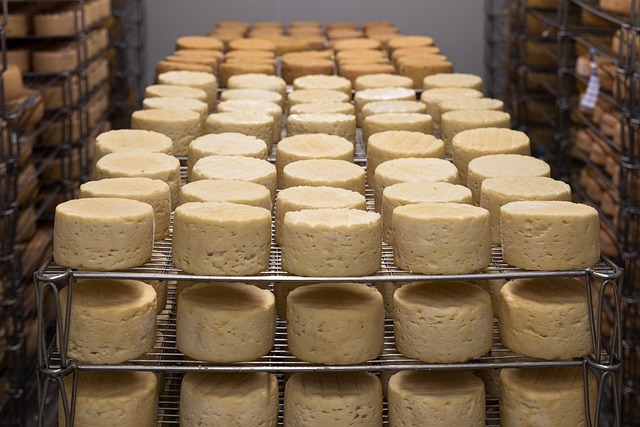
Proper storage techniques make the difference between maintaining your cheese's quality and dealing with excessive moisture. To keep your cheese fresh and prevent sweating, wrap it in greased paper or aluminum foil, which creates a protective barrier against condensation while allowing the cheese to breathe.
For added protection, store your wrapped cheese in an airtight container with a sugar cube to absorb excess moisture. Different types of cheese require varying levels of care, with high-fat varieties being more likely to sweat than their low-fat counterparts. Always refrigerate your cheese to maintain consistent temperatures, and avoid leaving it out at room temperature for long periods. These simple steps will help preserve your cheese's texture and prevent the release of fatty acids that cause sweating.
Tips for Serving Cheese Without the Sweat
Serving cheese at its best requires careful timing and temperature management. The Science Behind why Cheese Is Sweating relates to temperature fluctuations, so you'll want to keep your cheese chilled until just before serving. When preparing your cheese board, take out only what you'll consume to avoid sweaty cheese caused by extended exposure to warm temperatures.
Don't leave cheese wrapped in plastic, as this traps moisture and promotes sweating. Instead, use breathable materials like greased paper or perforated foil. If you're storing cheese in containers, add a sugar cube to absorb excess moisture. This is especially important for high-fat varieties, which are more prone to sweating. Remember to maintain proper temperature control throughout service to prevent those fatty acids from releasing and causing your cheese to sweat.