Is Mozzarella a Wet Cheese?

You'll find that mozzarella can be both wet and dry, depending on its variety. Fresh mozzarella contains 60-65% water, making it quite wet with a soft, creamy texture, while low-moisture mozzarella contains 45-50% water, giving it a firmer consistency. Each type serves different culinary purposes - fresh mozzarella works best in salads and sandwiches, while low-moisture varieties excel in pizza and baking. Understanding these moisture differences can help you choose the perfect mozzarella for your dishes.
Understanding Moisture Content in Mozzarella
When it comes to mozzarella, moisture content plays a crucial role in determining both its texture and versatility. You'll find two main varieties: fresh mozzarella, which contains 60-65% water, and low-moisture mozzarella, which has been dried to achieve 45-50% moisture content.
The moisture content directly affects how you'll experience and use each type. Fresh mozzarella's higher water content creates a soft, creamy texture that you'll need to consume within a week. In contrast, low-moisture mozzarella offers a firmer consistency and longer shelf life.
If you're planning to cook with mozzarella, you'll want to remember these moisture differences - low-moisture varieties perform better in baking and melting applications, while fresh mozzarella shines in dishes where its delicate, milky texture can take center stage. Like other soft, high-moisture cheeses, mozzarella is particularly susceptible to sweating when it reaches room temperature.
Fresh vs. Low-Moisture Mozzarella Varieties
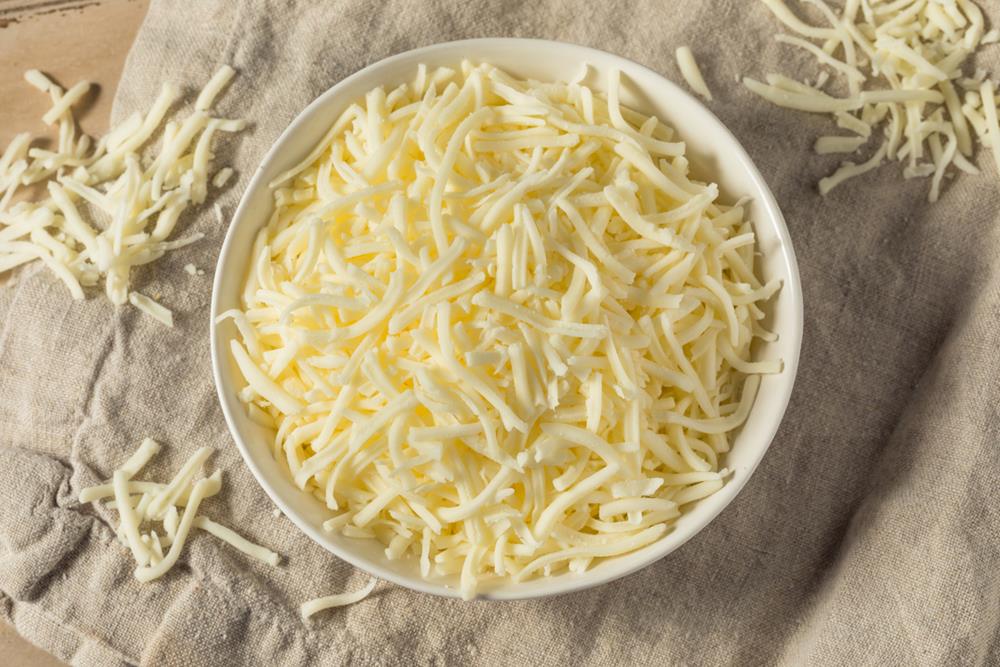
The key differences between fresh and low-moisture mozzarella impact how you'll use each variety in your kitchen. Fresh mozzarella has a high moisture content and delivers a delicate, milky flavor that's best enjoyed within a week. In contrast, low moisture mozzarella offers extended shelf life and enhanced cooking properties.
When choosing between these varieties, consider these key characteristics:
- Fresh mozzarella cheese contains more water and needs to be consumed within 7 days
- Low moisture mozzarella browns and stretches better when heated
- Whole milk low moisture varieties offer superior texture and taste compared to part-skim options
- You'll find quality fresh mozzarella from Crave Brothers and BelGioiso, while Polly-O and Boars Head excel in low moisture options
Choose fresh mozzarella for cold dishes and low moisture when you need reliable melting performance. Originally crafted from water buffalo milk in southern Italy, mozzarella has evolved to become one of the most versatile cheeses available today.
The Role of Water in Mozzarella Production
Water plays a central role in creating mozzarella's signature texture and taste, building on the differences we investigated between fresh and low-moisture varieties. When you make mozzarella, regardless of the type of milk used, the process relies heavily on water to achieve its distinctive characteristics.
During production, the cheese curds are immersed in hot water, where they're stretched and kneaded. This critical step allows the cheese to incorporate high moisture content, typically reaching 50-60% water. You'll find that this significant water content is what gives fresh mozzarella its soft, supple texture and creamy flavor. To maintain these qualities, producers package fresh mozzarella in water or whey, preventing it from drying out and preserving its desirable moisture level until it reaches your table.
The cheese undergoes careful quality control testing throughout production to ensure consistent moisture levels and texture in the final product.
Storage and Preservation Techniques

Storing fresh mozzarella properly is essential to maintain its signature wet texture and prevent spoilage. You'll need to keep it in its original brine or whey solution to preserve its moisture content and soft consistency.
Here's how you can maximize your cheese's shelf life:
- Store fresh mozzarella in the refrigerator for up to 1 week, but consume it as soon as possible for the best quality
- Keep grated mozzarella in the freezer for up to 3 months, though texture may change when thawed
- Age your mozzarella into a harder cheese to extend its storage life
- Protect your fresh mozzarella from air exposure to maintain its wet texture
Remember that proper storage techniques greatly impact your cheese's quality. While you can preserve mozzarella in various ways, each method affects its texture and moisture content differently.
Impact of Moisture on Melting Properties
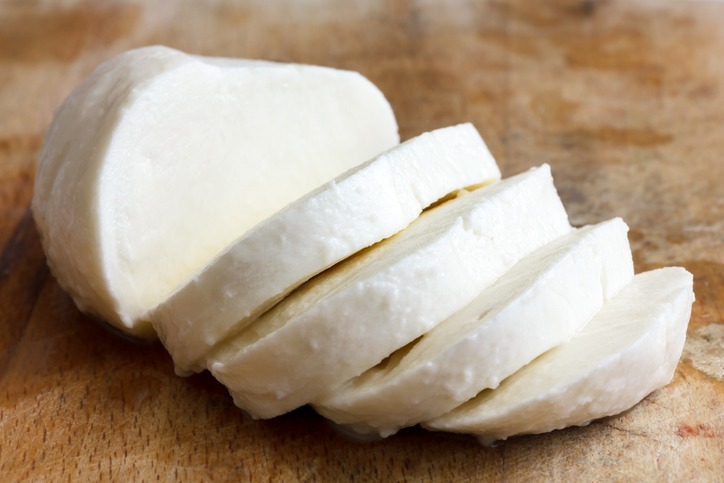
Because moisture content directly influences how mozzarella melts, understanding this relationship helps you achieve better cooking results. When you're cooking with fresh mozzarella, which contains 52-60% moisture, you'll notice it releases water and can separate when heated. This high water content often leads to a less desirable melting experience.
If you're looking for that perfect melted texture, especially on pizza, you'll want to choose low-moisture mozzarella instead. With a moisture content of 45-52%, it melts more smoothly and maintains better structure. You'll get that appealing stretch and ideal browning without the excess water that can make your dishes soggy. The reduced moisture helps the cheese hold its shape while creating that coveted stringy texture when melted.
Shelf Life and Water Activity
The moisture content in mozzarella doesn't just affect its melting properties - it also determines how long you can keep the cheese fresh. The higher water activity in fresh mozzarella makes it more susceptible to spoilage, limiting its shelf life to just 1-2 weeks.
When you're choosing between fresh and low-moisture mozzarella, consider these storage differences:
- Fresh mozzarella's high moisture content requires careful storage to prevent bacterial growth
- Low-moisture mozzarella can last several months due to its reduced water activity
- You'll need to consume fresh mozzarella quickly after opening to maintain quality
- The manufacturing process, particularly stretching and kneading, helps control the final water activity
If you're planning to store your cheese for an extended period, low-moisture mozzarella is your best option, as its reduced water content considerably extends its shelf life.
Ideal Uses Based on Moisture Level
Different moisture levels in mozzarella make each variety ideal for specific culinary applications. You'll find that fresh mozzarella, particularly Mozzarella di Bufala made from buffalo milk, works best in uncooked dishes where you can appreciate its creamy texture and delicate flavor. When you're making pizza or lasagna, reach for low-moisture mozzarella since it melts and browns beautifully without releasing excess water.
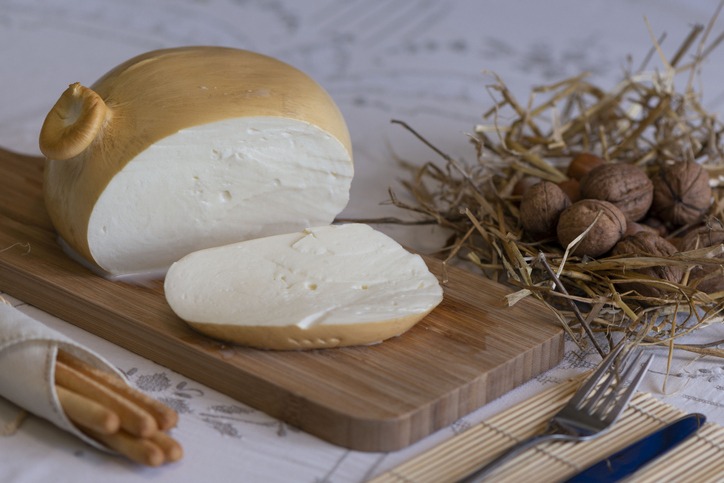
If you're watching your fat intake, part-skim mozzarella offers a lighter alternative that still performs well in heated dishes. For a unique flavor dimension, try smoked mozzarella, which adds depth to your melted cheese preparations. Each type serves a distinct purpose: fresh varieties shine in cold preparations, while drier versions excel in baked dishes.
Quality Assessment and Moisture Testing
Professional quality assessment of mozzarella relies heavily on moisture content evaluation, with ideal levels ranging from 52-60%. You'll find this high moisture content is what makes this cheese so distinctively soft and pliable. Various types of mozzarella are sold with different moisture levels, but maintaining proper hydration is vital for quality control.
- Use the standardized oven drying method to determine exact moisture percentages
- Check for proper texture and elasticity through physical examination
- Monitor storage conditions to prevent unwanted moisture loss
- Assess the cheese's ability to melt and stretch, which directly relates to water content
When testing mozzarella's moisture content, you're ensuring it meets industry standards while maintaining its characteristic properties. This quality control step helps guarantee you're getting authentic, high-quality cheese with the proper moisture level for its intended use.