Keto-Friendly Cheeses: High-Fat, Low-Carb Options for Your Diet
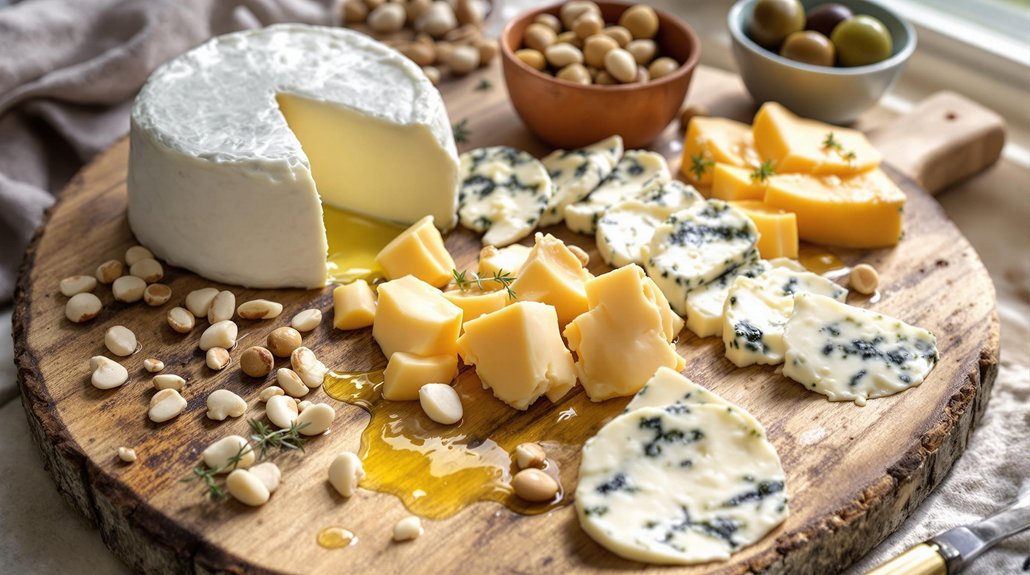
The best keto-friendly cheeses combine high fat with minimal carbs to support ketosis. Opt for hard, aged varieties like cheddar (9g fat, 0.59g carbs per oz) and parmesan, or consider goat cheese, blue cheese, and cream cheese for excellent macronutrient profiles. Avoid cottage cheese, low-fat varieties, processed cheeses, ricotta, and feta, which contain higher carb counts. You'll want to practice portion control—even with keto-friendly options—to maintain your daily carb limits while enjoying these flavorful additions to your diet.
Understanding the Role of Cheese in a Ketogenic Diet
While many foods are restricted on a ketogenic diet, cheese stands out as a versatile staple that can help you meet your macronutrient goals. Cheese offers an ideal keto-friendly profile with high fat content, moderate protein, and typically few carbs per serving.
You'll find that harder, aged cheeses like cheddar and parmesan contain fewer grams of carbohydrates than their softer counterparts. Most keto dieters eat cheese not only for its nutritional benefits but also for its satisfying taste and versatility.
The saturated fat in cheese, once demonized, isn't necessarily harmful as previously thought. Additionally, the calcium present in cheese can bind to fatty acids, aiding their elimination from your body. This makes cheese not just a convenient Eat but a potentially beneficial component of your Keto Diet.
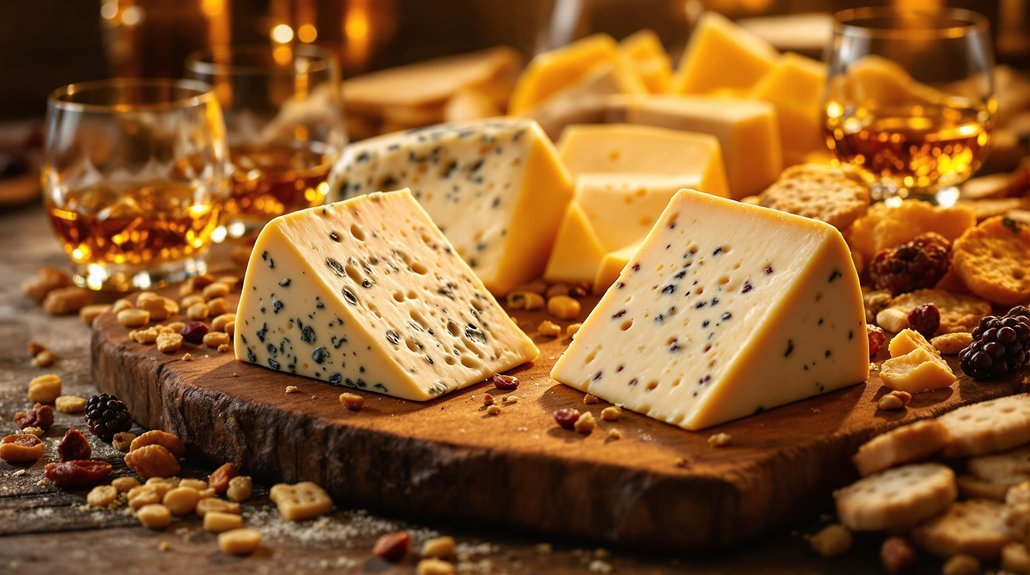
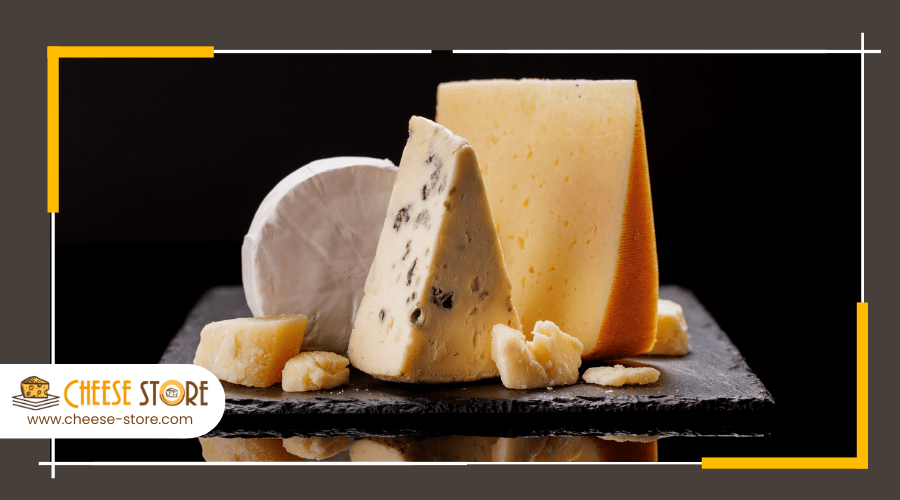
Among the hundreds of varieties, hard cheese options like Parmesan, Asiago, and Gruyère are excellent choices for keto dieters due to their low moisture content and minimal carbohydrates.
Top 5 Best Cheeses for Keto: Macronutrient Breakdown
When selecting cheeses for your keto diet, understanding the specific macronutrient profiles helps you make ideal choices. Goat cheese offers an excellent balance with 0g carbs, 8g fat, and 6g protein per ounce, making it perfectly keto-friendly.
Blue cheese contains minimal carbs (0.5g) with 8g fat and 6g protein per slice, adding robust flavor to your meals. While parmesan cheese provides 0.7g carbs, 1.4g fat, and 1.4g protein per tablespoon, its concentrated taste means a little goes far.
Cream cheese delivers 1g carbs, 8g fat, and 2g protein per ounce, serving as a versatile high-fat option. Finally, cheddar cheese rounds out your low-carb dairy products with just 0.59g carbs alongside 9g fat and 7g protein per ounce. Each of these options supports your macronutrient goals while adding variety to your ketogenic lifestyle.
Choosing organic cheese options can provide additional health benefits with higher levels of omega-3 fatty acids, vitamin E, and beta-carotene compared to conventional alternatives.
Cheeses to Avoid When Following a Keto Lifestyle
Several popular cheeses can derail your ketogenic diet despite cheese generally being considered keto-friendly. Cottage cheese tops the list of problematic options with a high carbohydrate content of 5 grams per half-cup serving, making it unsuitable for keto.
Low-fat cheese varieties directly work against your goals by undermining the high-fat focus essential to ketosis. Similarly, processed cheese like American contains additives and preservatives that compromise your macronutrient profile.
Watch out for ricotta cheese, which contains 1 gram of carbs per 2 tablespoons—these small amounts add up quickly on a strict keto plan. Even feta cheese presents challenges with 2 grams of carbs per ounce, potentially pushing you over your daily carb limit if not carefully measured.
How to Incorporate Cheese Into Your Daily Keto Meal Plan
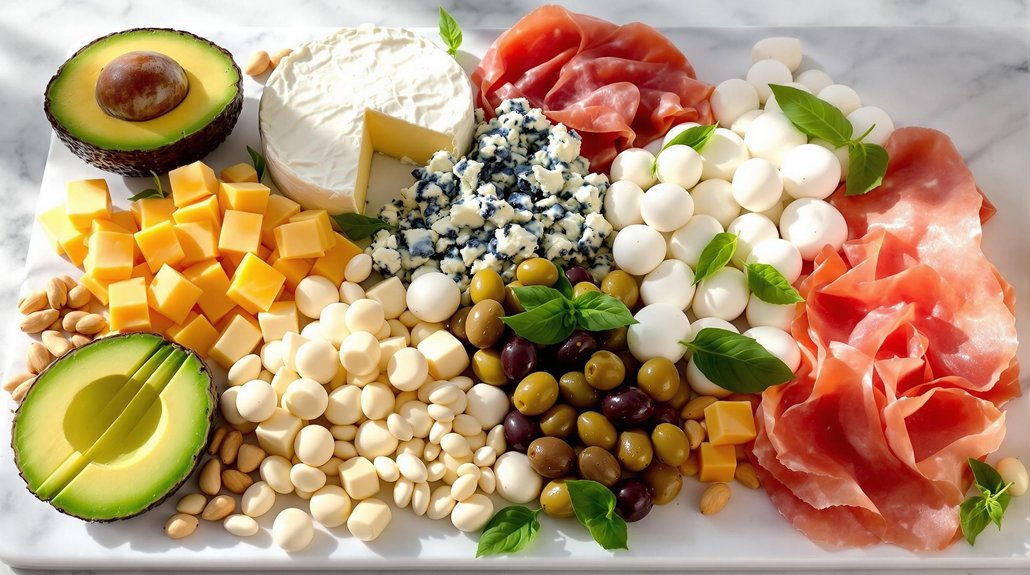
Three simple strategies can transform cheese into the cornerstone of your keto meal plan without derailing your macros. First, prioritize high fat, low carb options like cheddar, parmesan, and goat cheese—these keto cheeses deliver the best fat content while keeping grams of carbs minimal.
Second, create balanced snacks by pairing cheese with non-starchy vegetables. Cucumber slices topped with full-fat cheese is an excellent way to satisfy hunger while maintaining ketosis.
Finally, leverage cheese's versatility in meal preparation. Use cream cheese as a base for keto-friendly sauces or sprinkle aged cheese over salads for added protein. On the keto diet, cheese is often your secret weapon for flavor without carbs. Just remember to limit softer varieties like ricotta, which contain higher carb counts.
Portion Control: Balancing Cheese Consumption on Keto
Although cheese offers excellent nutritional benefits for keto dieters, mastering portion control remains essential for success. While cheese contains minimal carbs, its calorie density can impact weight loss if consumed liberally.
For hard cheeses like cheddar or parmesan, limit yourself to one-ounce portions (about a tablespoon). Soft varieties like cream cheese should be kept to 2 tablespoons or less per serving. Track the carbs per serving carefully—even small differences between cheese types can affect your daily carb allowance during low-carb eating.
Pair your moderate protein cheese portions with keto-friendly vegetables to create balanced meals that satisfy without exceeding your macros. Remember that successful keto food consumption isn't just about choosing the right foods—it's about appropriate quantities that support your nutritional goals.
Homemade Keto Cheese Recipes and Snack Ideas
Making your own keto-friendly cheese snacks at home provides both economic benefits and complete control over ingredients. You can create crispy cheese crisps by simply baking shredded parmesan or cheddar in your air fryer or oven—a perfect low-carb alternative to potato chips.
For creamy options, blend cream cheese with cheddar and spices like garlic powder for a satisfying dip. Roll goat cheese into balls coated with nuts or herbs for portable snacks that require no cooking.
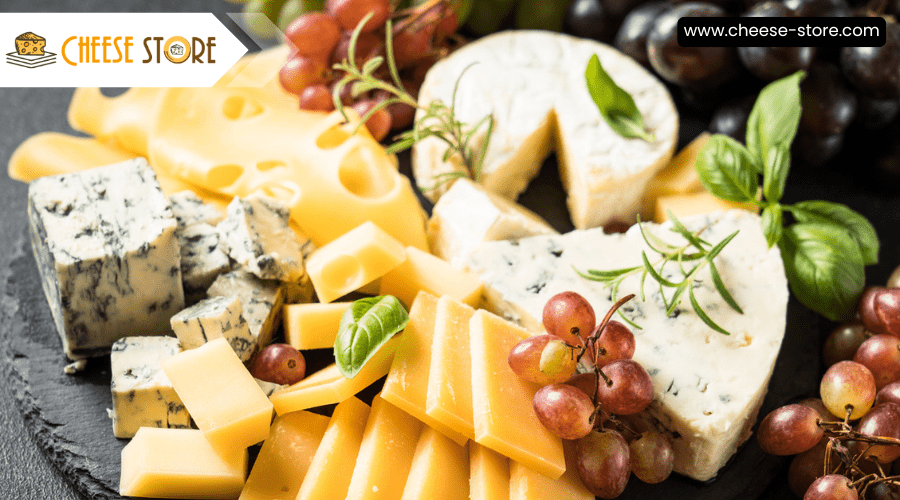
When you're craving something crunchy, try baking keto crackers using almond flour and parmesan. For entertaining, assemble an impressive cheese board featuring hard cheeses like gouda paired with berries and nuts. These keto-friendly snacks satisfy cravings while keeping you within your macronutrient goals.
Health Benefits of Including Cheese in Your Keto Journey
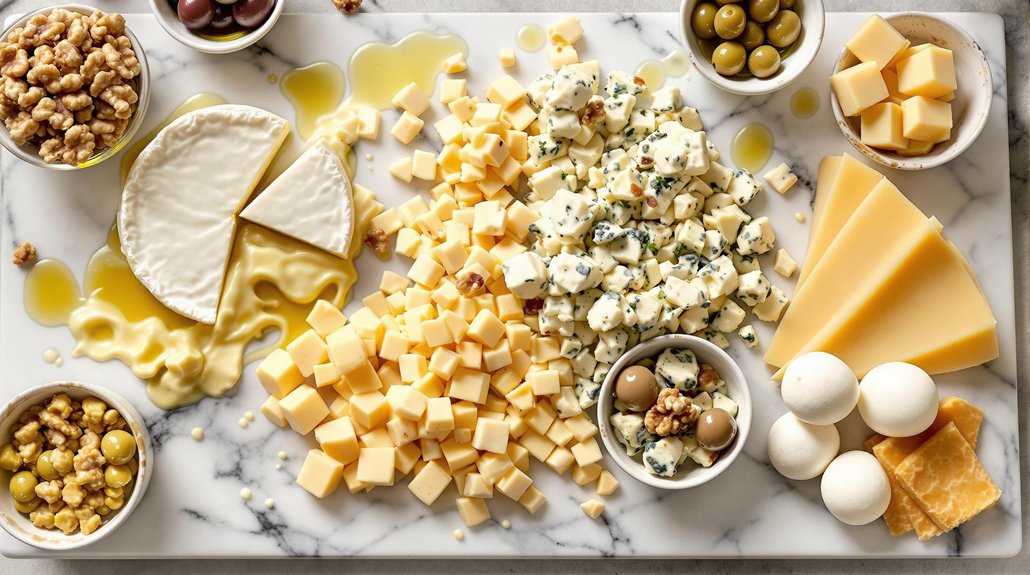
Many keto enthusiasts celebrate cheese not just for its flavor but for its impressive nutritional profile. When you're following a ketogenic diet, cheese provides a high amount of healthy fats, including unsaturated fats, while remaining low in carbohydrates—making it an excellent choice for someone looking to help meet their macronutrient goals.
Including Dairy Foods like cheese in your keto plan can:
- Supply valuable grams of protein that promote satiety and help you lose weight
- Deliver essential calcium and phosphorus that enhance fat metabolism
- Offer potential protection against type 2 diabetes
- Provide heart-healthy fats, contrary to outdated beliefs about saturated fat
Don't worry about the low melting point of some varieties—this actually makes them perfect for creating rich, satisfying keto meals without adding unnecessary carbs.
Related posts