Limburger Cheese: History Behind Its Pungent Aroma & Serving Suggestions
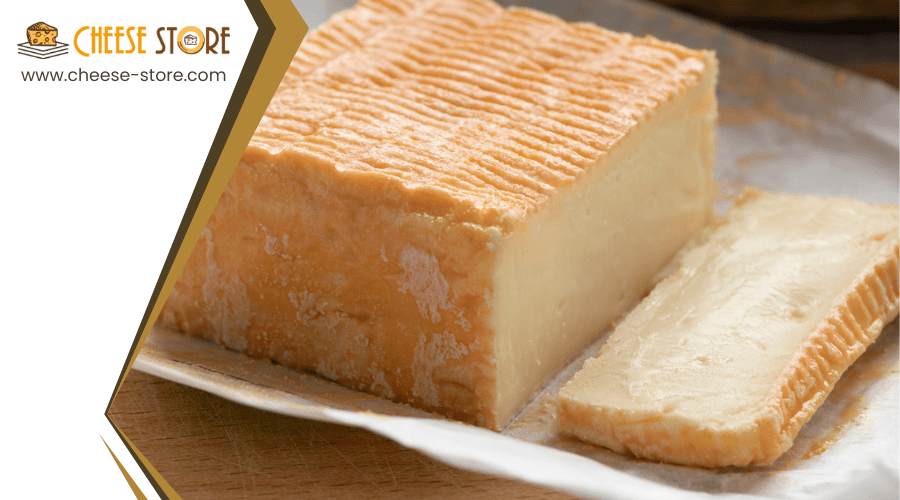
Limburger cheese, first created by Trappist monks in the 19th century, gets its infamous smell from Brevibacterium linens—the same bacteria found in human body odor. Despite its pungent aroma, it offers a surprisingly mild, grassy flavor. You'll find the last American producer in Monroe, Wisconsin. Tradition calls for serving it on rye bread with raw onions and pairing with dark beers like bock or stout. The story behind this aromatic delicacy goes far beyond its notorious smell.
The Origins of Limburger Cheese: A Monastic Legacy
While many infamous cheeses boast lengthy histories dating back to antiquity, Limburger's aromatic journey began relatively recently in the 19th century. Trappist monks near Liège in the Duchy of Limburg first made this distinctive cheese, applying a bacterial smear used to develop its characteristic pungency.
The culture used at Chalet was first cultivated using microorganisms like Lactobacillus bulgaricus to ferment the cheese properly.
Although most European Limburger production continues in Germany today, the cheese found its way to America with Swiss immigrants in 1867. These settlers established production in Wisconsin, where German immigrants residing nearby embraced this familiar food product.
The cheese became so popular in the United States in 1867 that by the 1920s, it actually outpaced Swiss cheese production.
Wisconsin became a natural home for Limburger production as the state had already established itself as America's Dairyland through immigrant cheesemaking traditions and the shift from wheat farming to dairy production.
How Limburger Gets Its Notorious Smell
The notorious smell of Limburger cheese comes from a specific culprit: Brevibacterium linens. This bacterium is essential to the maturing process, breaking down the cheese's proteins and fats over time. You'll find that as Limburger ages, its aroma becomes increasingly intense.
After three months of aging, Limburger reaches peak pungency. The bacteria responsible for the cheese's smell are identical to those causing human body odor. Brevibacterium linens creates the distinctive "sweaty" aroma during ripening. The smell becomes so powerful that it's been used in practical jokes and even to drive away unwanted tenants.
Interestingly, the longer you allow Limburger to mature, the more its characteristic pungent aroma develops—a true witness to how bacteria transform simple dairy into something remarkably complex. Despite its powerful odor, Limburger offers a surprisingly mild, grassy taste with subtle mushroom notes that contrast dramatically with its smell.
The Last American Limburger Producer
Despite its legendary status in cheese circles, Limburger production in America has dwindled to a single source: the Chalet Cheese Cooperative in Monroe, Wisconsin. This historic operation is collectively owned by 21 member farms committed to preserving this aromatic tradition.
When you taste Chalet's Limburger cheese, you're experiencing the expertise of Myron Olson, the only certified Master Cheesemaker specializing in this pungent variety. The cooperative's distinctive flavor profile stems from its carefully sourced milk—a blend from Holstein and Brown Swiss cows raised on member farms throughout the region.
What makes south-central Wisconsin ideal for Limburger production? The area's limestone-filtered water provides unique mineral qualities that contribute to the cheese's characteristic flavor and aroma, proving that even the most pungent traditions require specific environmental conditions to thrive.
From Farm to Table: The Creation Process
Behind Limburger's notorious aroma lies a meticulous production process that begins long before the cheese reaches your plate. Traditionally a German specialty, Limburger is now primarily produced at the Chalet Cheese Cooperative in Monroe, Wisconsin—America's sole remaining producer.
The creation process involves:
- Starting with pasteurized Holstein cow's milk that's transformed using Brevibacterium linens bacteria first cultivated in 1911
- Washing the developing cheese with a brine solution during the aging process
- Utilizing the unique limestone-filtered water of south-central Wisconsin that contributes to its quality
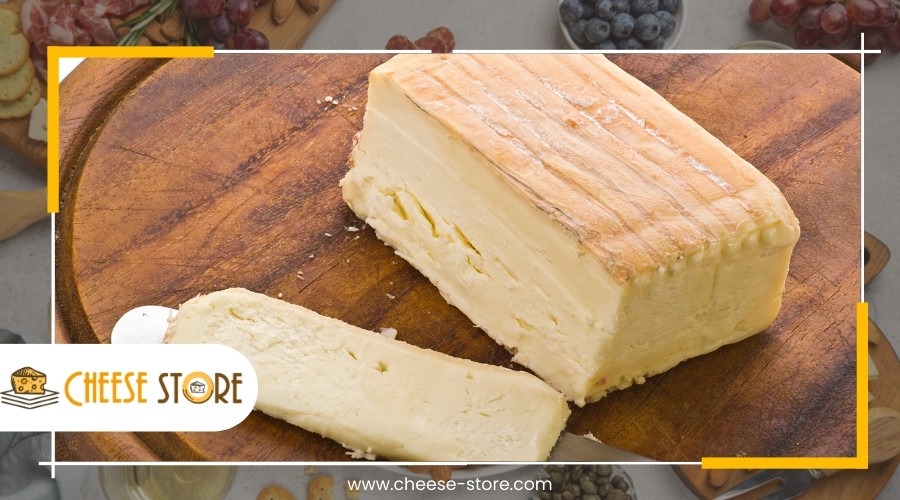
- Allowing the smear-ripened, washed-rind cheese to develop its distinctive high-fat content and creamy texture
You're experiencing centuries of tradition when you taste Limburger, a cheese whose craftsmanship balances both science and artistry.
Traditional Pairings That Complement Limburger's Bold Flavor
While Limburger's reputation often centers on its potent aroma, mastering the art of pairing this bold cheese reveals its true culinary value. Despite its powerful smell, the creamy interior created by surface bacteria offers a surprisingly subtle flavor that shines when properly paired.
Traditional companions include dark rye bread and raw onions, which create the perfect sandwich foundation. The robust texture of rye stands up to both the soft cheese and its aromatic rind. For beverages, you'll want to reach for beer rather than wine. Lager and bock styles are classic choices, with Monroe locals favoring Huber Bock alongside their Limburger. Porter and stout also work exceptionally well, their roasted profiles complementing the cheese's character.
Adventurous eaters might incorporate Limburger into gourmet dishes rather than serving with traditional meats.
Limburger's Cultural Impact and Representations
Few cheeses have permeated popular culture as thoroughly as Limburger has with its infamous aroma. Originally from the historical Duchy of Limburg, this cheese's reputation as one of the stinkiest varieties (thanks to Brevibacterium linens causes) has made it both beloved and notorious.
You'll find its cultural significance particularly pronounced among those residing in the Midwest, where German-American families are proud to source and maintain traditional ways to eat this distinctive cheese.
- The Limburger sandwich for the true enthusiast typically served with strong beer, especially cold lager
- A starring role in practical jokes, infamous for clearing rooms when hidden under desks
- The challenging centerpiece of "Iron Belly" competitions, defeating even the bravest contestants
- A cheese with distinct grassy and mushroom notes that some locations have actually banned due to its potency
Related posts