Munster Cheese: A Flavorful French Delicacy with a Rich History
There’s something magical about a cheese that comes with its own story. Munster cheese, a beloved cheese from France, is exactly that – a flavorful gem with a rich history that dates back centuries. If you’re a cheese lover or just someone curious about unique flavors, Munster cheese is worth exploring. It brings a taste of French tradition and some unforgettable flavors to the table.
In this article, we’ll walk through everything you need to know about Munster cheese: what it is, where it comes from, how it’s made, what it tastes like, and how you can enjoy it. By the end, you’ll have a newfound appreciation for this special cheese – and maybe even an urge to add it to your next cheese board!
What is Munster Cheese?
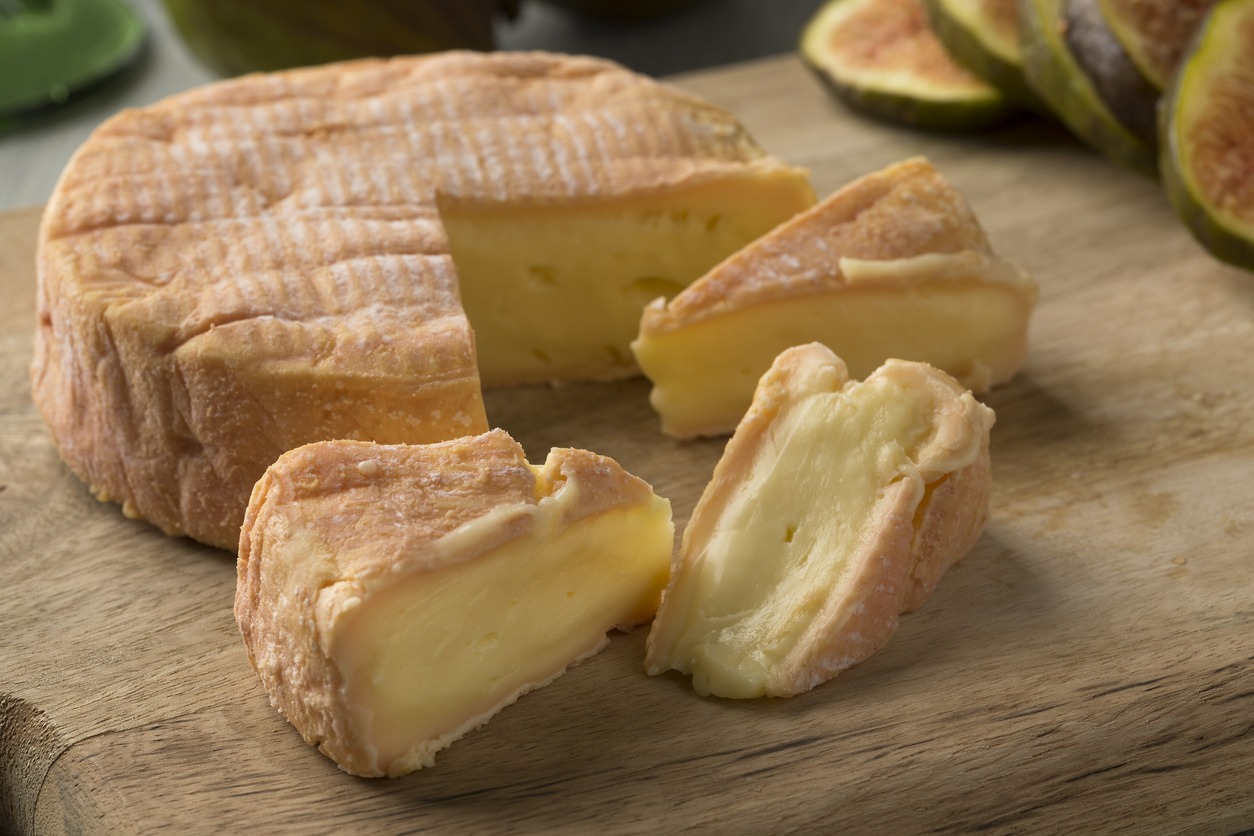
Munster cheese is a soft, creamy, and intensely aromatic cheese originating from the Vosges Mountains in Alsace, France. Known for its bold flavor and distinct smell, Munster cheese is traditionally made from raw cow's milk and has a slightly spicy (in intensity) and earthy flavor that’s unique to its place of origin.
The cheese takes its name from the town of Munster in Alsace, and it’s said that the local monasteries played a big role in shaping the cheese as we know it today. In fact, monks who settled in the area as early as the 7th century began making and aging this cheese in the cool cellars of their abbeys. Their methods of aging and care have been passed down, preserving the cheese's unique characteristics.
What’s also interesting is that Munster cheese has a special status called AOP (Appellation d'Origine Protégée), which means that to be called Munster, it must be produced in a specific way and only in designated areas of France. This ensures its quality and keeps the tradition alive, maintaining the cheese’s signature flavors and aromas.
The History of Munster Cheese
The roots of Munster cheese go back nearly a thousand years, making it one of the oldest cheeses in France. The monks who lived in abbeys and monasteries around Alsace and the Lorraine region were some of the earliest makers of Munster. These monks had a lot of experience with preserving food, and cheese-making fit well with their knowledge.
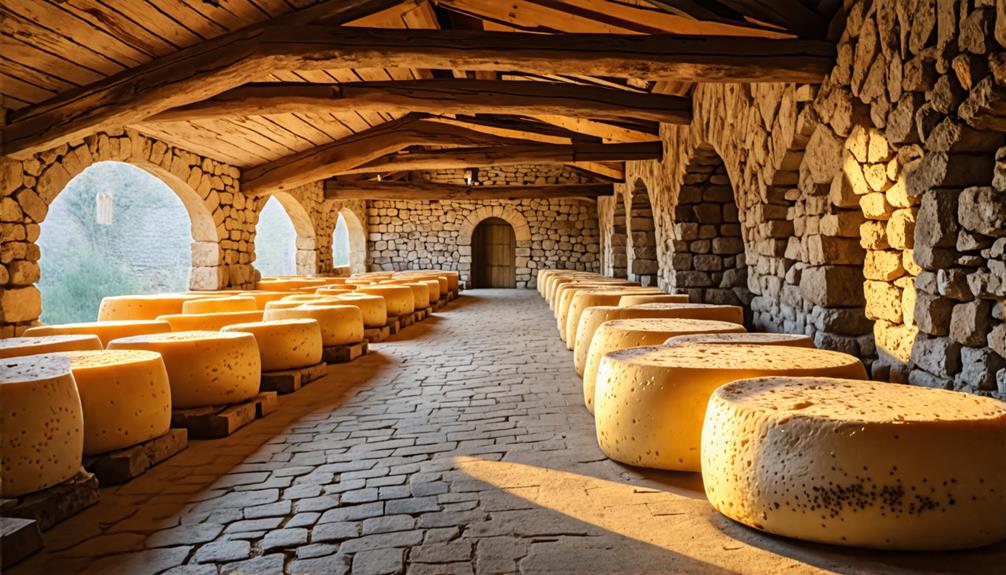
They developed a technique of aging the cheese in cellars and washing the rinds with brine, a salty solution, as the cheese aged. This brining process helped prevent mold growth and gave the cheese a distinctive, orange rind and powerful aroma. Over the years, the practice spread among local farmers, and soon, Munster cheese became a staple in Alsace.
Today, the AOP status protects Munster, meaning it has to be made using traditional methods in specific regions. This is a way of honoring its heritage and ensuring the quality of every piece of Munster cheese you buy.
Characteristics and Flavor Profile
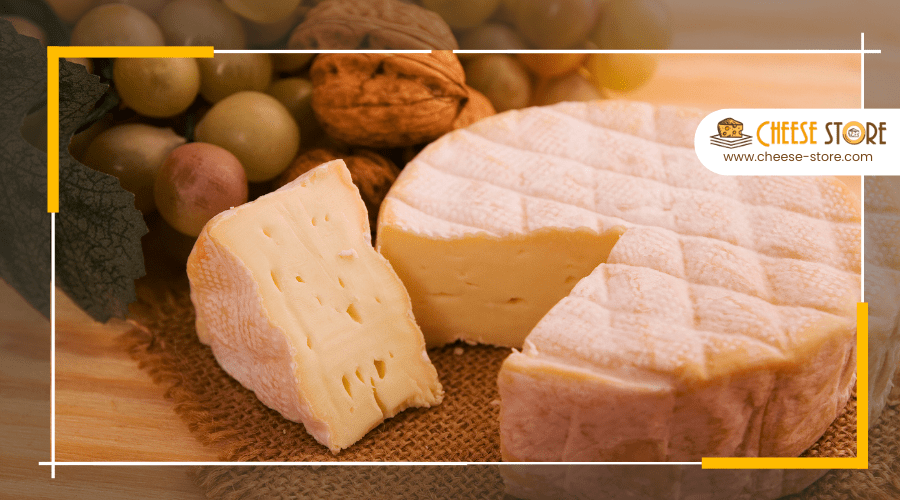
If you’re wondering what Munster cheese looks and tastes like, let’s dive in. Munster is easily recognized by its bright orange rind, which is a result of the aging and brining process. Inside, it has a soft, creamy texture that’s smooth yet slightly elastic. Munster cheese is not a cheese for the faint of heart – it’s known for its strong smell, often compared to fermented fruits or even smelly socks. But for those who love bold flavors, this smell is part of its charm.
The taste of Munster is equally unique. Young Munster tends to have a mild, creamy taste with a hint of sweetness, while aged Munster develops a much stronger, spicier, and nuttier flavor. You might even detect subtle notes of garlic, mushrooms, or earthiness in older versions. This intense flavor comes from the bacteria and natural cultures used in the cheese-making process, as well as the constant washing of the rind.
Munster is often enjoyed on its own, paired with bread, or as an ingredient in various dishes. Its bold flavor holds up well when melted, making it a popular choice in savory recipes.
The Making of Munster Cheese
The production of Munster cheese is an art that requires patience and skill. It all starts with fresh cow’s milk, usually sourced from local farms in the Alsace and Lorraine regions. Here’s a simple breakdown of the process:
- Curdling the Milk: Fresh milk is curdled using rennet, which is a natural enzyme that helps the milk separate into curds and whey. This step is essential in forming the base of the cheese.
- Cutting and Heating the Curds: The curds are then cut into smaller pieces and gently heated. This process helps release some of the moisture, creating a firmer structure for the cheese.
- Shaping: The curds are shaped into rounds, which will become the final wheels of Munster cheese.
- Aging: Munster cheese is aged in cool, damp cellars where it can develop its flavor. Cheesemakers regularly wash the cheese’s rind with salt water and occasionally with beer, which helps cultivate the bacteria responsible for its orange color and strong smell.
The aging process can last anywhere from a few weeks to several months, depending on the desired flavor intensity. Younger cheeses are mild and creamy, while longer-aged Munster will have a more complex and pungent profile.
How to Enjoy Munster Cheese
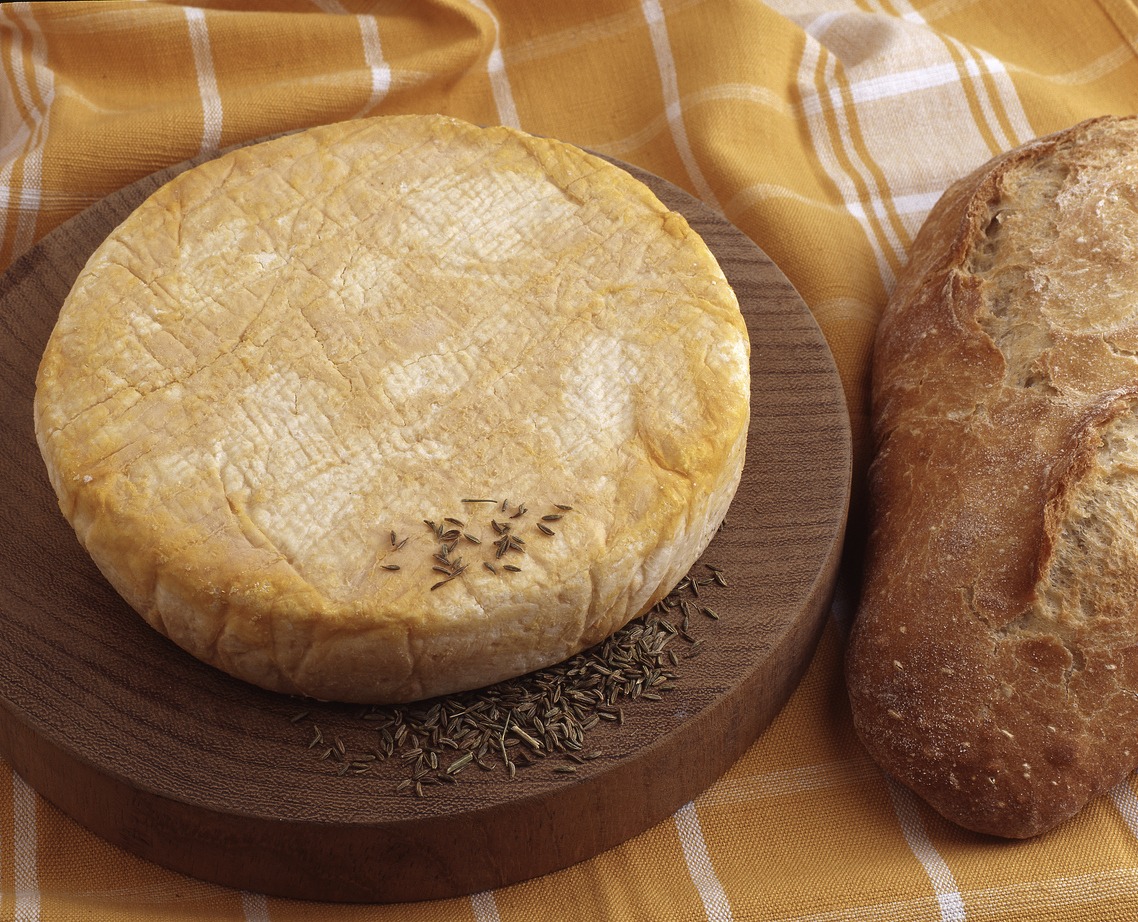
Munster cheese is incredibly versatile and pairs well with a variety of foods and drinks. If you’re wondering how best to enjoy it, here are some ideas:
- On a Cheese Board: Serve Munster alongside crusty bread, fresh fruit like apples and pears, and cured meats. Its bold flavor contrasts beautifully with sweet fruits and rustic breads.
- With Potatoes: Munster cheese and boiled potatoes are a classic pairing in Alsace. Simply melt some Munster over hot potatoes and sprinkle with cumin seeds for an authentic taste of France. Cumin seeds are traditionally paired with Munster in Alsace, but this isn’t common elsewhere.
- In Grilled Sandwiches: Use Munster cheese in a grilled sandwich or panini for an earthy, nutty twist on a classic.
- In Recipes: Munster can add depth to savory dishes like gratins, quiches, or tarts. It’s also delicious, melted into soups or sauces, giving them a rich, creamy flavor.
- With Wine: Munster’s strong flavor pairs well with both red and white wines, especially those from the Alsace region, like Riesling or Gewürztraminer. These wines have a natural sweetness that balances the cheese’s boldness.
Health Benefits and Nutritional Facts
Munster cheese, like many other cheeses, is nutrient-dense and offers some health benefits when enjoyed in moderation. Here’s a quick look at its nutritional profile per 1-ounce (28-gram) serving:
- Calories: Around 110 kcal
- Fat: Approximately 9 grams
- Protein: Around 6 grams
- Calcium: Provides about 20-25% of the daily value
Munster is a good source of calcium, which is essential for strong bones and teeth. It also contains protein, which helps repair and build body tissues, as well as vitamins A and B, which support vision and immune function. However, keep in mind that Munster cheese is high in fat and salt, so it’s best enjoyed in small portions as part of a balanced diet.
Munster vs. Muenster: What’s the Difference?
You may have heard of a similar-sounding cheese called “Muenster,” but don’t be fooled – Munster and Muenster are two very different kinds of cheese!
- French Munster: Originates from the Alsace region in France, it has a strong smell and a bold, earthy flavor. Its rind is orange and quite pungent due to the washing process.
- American Muenster: A milder, smoother cheese made in the United States, often in the Midwest. It lacks the washed rind and strong flavor of French Munster, making it more versatile for sandwiches and snacks.
So, if you’re looking for a bold, earthy experience, go with French Munster. If you prefer something mild, American Muenster might be more your style.
How to Choose and Store Munster Cheese
When buying Munster cheese, try to look for authentic French Munster from the Alsace region. If possible, buy cheese that has been made using traditional methods, as it will often have a more complex flavor.
To store Munster, keep it wrapped in wax paper or parchment and place it in a breathable container in the fridge. This will help contain the strong aroma. Avoid wrapping it in plastic, as this can make it spoil faster. Munster cheese should be enjoyed within a week or two of purchase for the best flavor.
Conclusion
Munster cheese isn’t just a cheese; it’s a French tradition packed with bold flavors and a long history. With its strong aroma, creamy texture, and unique taste, it’s a cheese that leaves a lasting impression. Whether you’re pairing it with crusty bread, melting it over potatoes, or simply enjoying it with a glass of wine, Munster brings something special to every bite.
If you haven’t yet tried Munster cheese, consider adding it to your next cheese board or incorporating it into your cooking. It’s a wonderful way to experience the flavors of France and discover a cheese that’s as bold as it is delicious.