Petit Munster: French and German Versions Compared
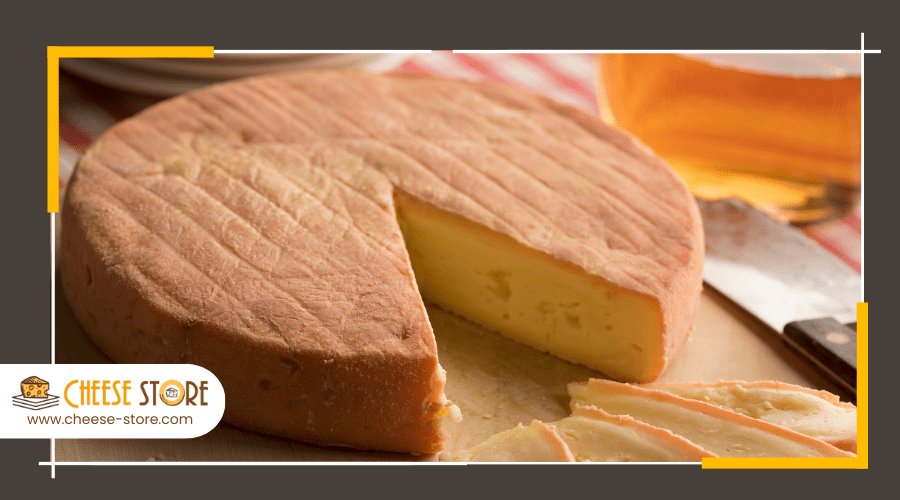
Munster cheese (not to be confused with Muenster cheese) is one of the most beloved cheeses from Alsace, a region rich in both French and German cultural influences. Both France and Germany lay claim to their own unique versions of this cheese, each adapted to reflect the culinary traditions of its country. Whether you’re familiar with Munster or intrigued by its smaller, easier-to-eat sibling, Petit Munster, this guide will help you discover the unique flavors, history, and characteristics of this culinary gem.
So let’s explore the fascinating world of Munster cheese—from its monastic origins to its evolution as a cherished cheese on both sides of the Rhine.
The History of Munster Cheese
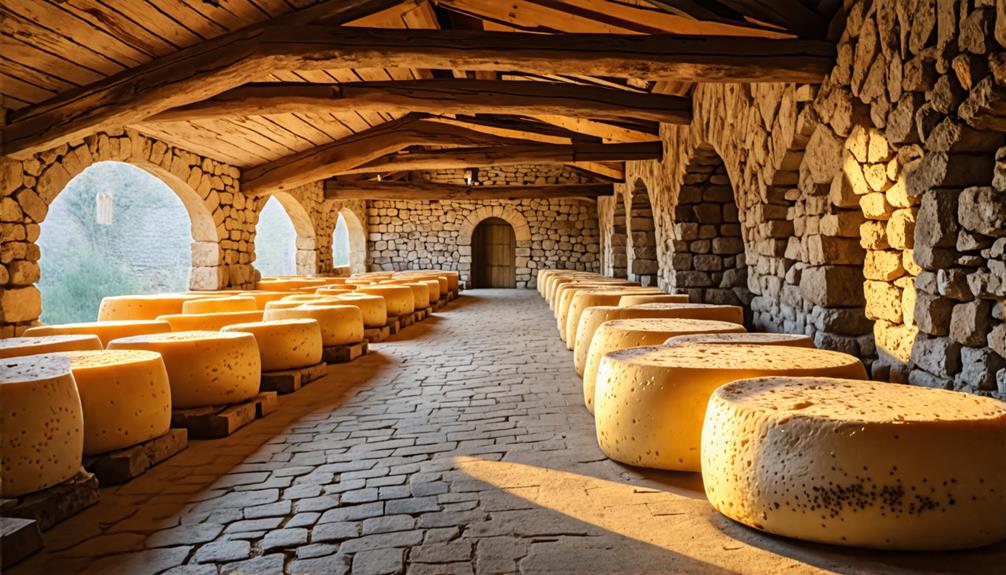
Munster cheese traces its roots back to the 7th century when monks living in the Vosges Mountains developed it as a way to preserve the milk from their cows. The name "Munster" itself hints at these origins, coming from the word “monastery.” During these times, cheese was a valuable way to store nutrients and feed the monks through harsh winters, and it wasn’t long before Munster became a local staple.
Over the centuries, Munster remained a specialty of Alsace. However, its reputation gradually spread beyond the mountains, gaining popularity in both France and Germany. As trade routes grew and culinary tastes evolved, each side of the Rhine adopted and adapted Munster to suit their own tastes and preferences, creating unique French and German variations of the cheese.
Crafting Munster: Traditional Methods and AOC Certification
Munster’s signature flavor comes from its washed rind, a traditional cheesemaking method that involves washing the cheese’s rind multiple times as it ages. Each wash encourages the growth of specific bacteria on the rind, giving Munster its distinct aroma and deep orange color. The washed rind also contributes to Munster’s soft, creamy texture and robust flavor profile, which sets it apart from other cheeses.
In France, Munster cheese is protected by an Appellation d'Origine Contrôlée (AOC) certification. This prestigious designation ensures that Munster is crafted according to specific rules that uphold quality and authenticity. Only cheese made in certain regions, from milk produced by cows grazing in the local Vosges pastures, can be labeled as “Munster.” Most French Munster is made with unpasteurized milk, which preserves the natural flavors imparted by the cows’ diet of alpine grasses and herbs.
French Munster vs. German Munster
The French and German versions of Munster are both delicious, but they reflect different approaches to cheesemaking and taste. French Munster, especially with its AOC certification, is often more aromatic, owing to its use of raw milk and longer aging times. The rind has a deep orange color, and the flavor is more intense, with earthy notes of mushrooms, butter, and sometimes a hint of spice.
German Munster, in contrast, is typically milder and creamier. It’s often made with pasteurized milk, which results in a slightly softer texture and a more subdued aroma. The flavor is tangy but less pungent than its French counterpart, making it a great choice for those new to strong-smelling cheeses. German Munster may lack the AOC label, but it still follows time-honored techniques, honoring the cheese’s traditional roots.
Both versions owe their unique qualities to the terroir—the natural environment in which the cows graze, the soil, and the climate. This local terroir impacts the cheese’s flavor profile in subtle ways, so even within France and Germany, Munster cheese may taste slightly different depending on the exact location of its production.
Petit Munster: A Small But Mighty Version
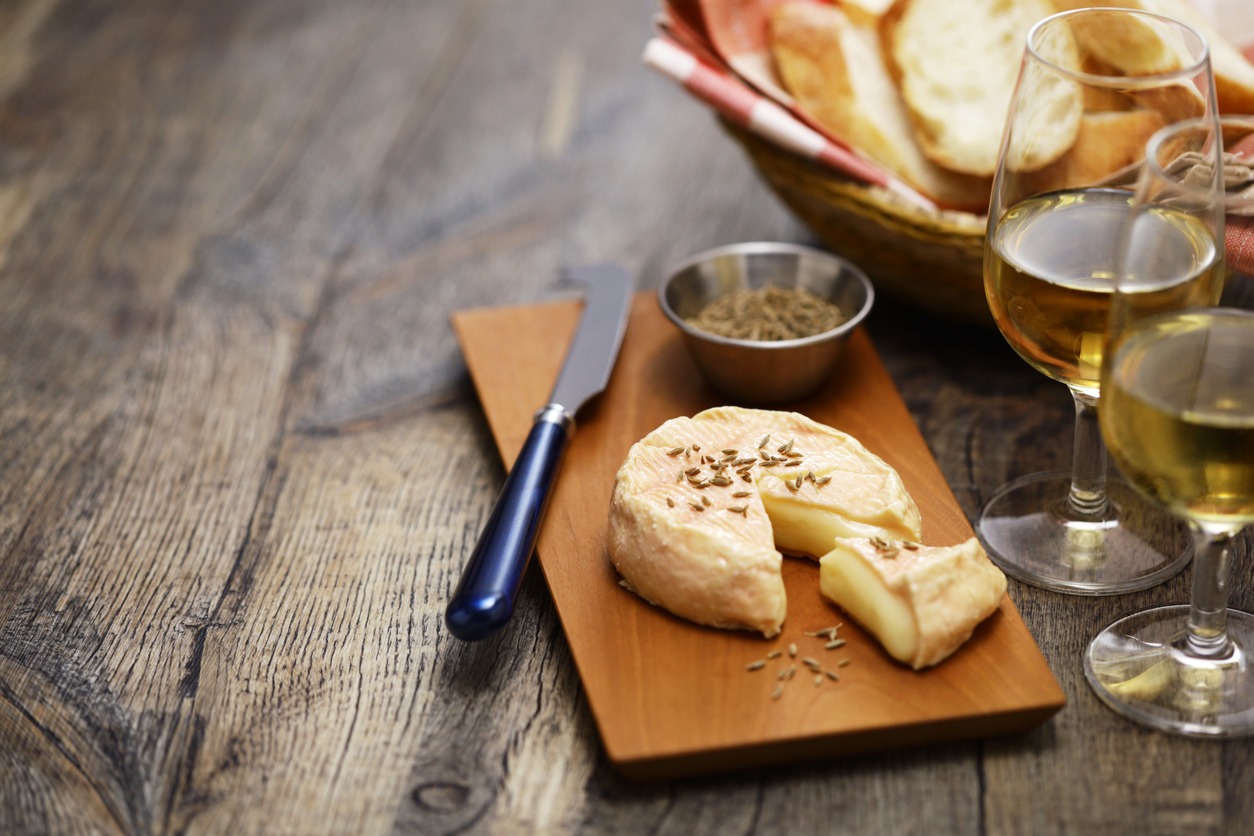
Petit Munster follows a similar production process but is aged for a shorter time, usually around two weeks, compared to the standard Munster’s three to ten weeks. This quicker aging gives Petit Munster a milder, slightly less intense flavor, which many people find more accessible. For this reason, Petit Munster has become a favorite among those who want to enjoy Munster’s distinctive qualities in a smaller, more convenient form.
If you’re curious about Munster cheese but prefer a milder option, Petit Munster is a fantastic introduction. Created with the same care and attention as regular Munster, Petit Munster offers a balanced taste without the overwhelming intensity of a fully aged cheese. This mini version is also incredibly versatile; it’s easy to slice, melt, or even enjoy on a cheese board for a quick snack.
Why Choose Petit Munster?
Petit Munster’s compact size is convenient for serving, and the shorter aging process means that it develops a gentle flavor profile, perfect for those who want just a hint of Munster’s essence. It’s also easier to store and handle, making it a go-to choice for casual cheese lovers and culinary adventurers alike.
Aging and Flavor Profiles
Aging is the magic ingredient that transforms Munster from a young, mild cheese to a complex, aromatic delight. The aging process, which can vary from two weeks (for Petit Munster) to as long as ten weeks, deeply influences the cheese’s taste, aroma, and texture.
- Young Munster: Aged for around 2–3 weeks, young Munster has a soft, creamy texture and mild taste, with hints of butter and a light tang. This version is perfect for those who enjoy a gentler cheese experience.
- Aged Munster: Aged for four weeks or longer, aged Munster boasts a stronger aroma, more complex flavors, and a firmer texture. As it ages, Munster takes on deeper, earthier notes of mushrooms, grass, and even a hint of spiciness. This is the cheese for those who love bold, dynamic flavors.
In both France and Germany, the aging process is often accompanied by regular rind washing. This allows beneficial bacteria to thrive, giving Munster its famous aroma and flavor. As the cheese ages, the rind becomes a beautiful, deep orange, a sign of the flavor intensity that awaits inside.
Serving and Pairing Suggestions
Munster’s unique flavor profile makes it an incredibly versatile cheese to enjoy in a variety of ways. Here are a few serving ideas that bring out its best qualities:
- Baked with crusty bread: Melting Munster in the oven and serving it with a crusty baguette is a simple yet heavenly treat.
- On salads: A few slices of Munster on a green salad or with roasted veggies add a creamy, tangy twist.
- With fruit: Fresh fruits like apples, pears, and even grapes bring out Munster’s buttery, nutty flavors and make for a balanced snack.
- With potatoes and cumin seeds: In Alsace, boiled potatoes topped with Munster and a sprinkle of cumin seeds is a classic dish that highlights the cheese’s creamy texture and earthy flavors.
- On crackers with honey: Adding a drizzle of honey to Munster on crackers is a fantastic way to balance its stronger flavors with a touch of sweetness.
Munster also pairs beautifully with wine. Here are some top pairing options:
- Gewürztraminer – Its floral and slightly sweet notes are a classic match with Munster, enhancing the cheese’s richness.
- Riesling – A crisp, refreshing Riesling pairs well with Munster’s creamy texture and earthy flavors, especially if the cheese is young.
- Pinot Noir – This light red wine adds a delicate fruitiness that contrasts well with aged Munster’s bold flavors.
- Sauternes – For a surprising match, try Sauternes. The sweet wine complements Munster’s tangy and earthy profile, especially if the cheese is on the older side.
Pairing Munster with the right wine truly elevates the tasting experience, highlighting the cheese’s unique taste while balancing its intensity.
Selecting and Storing Munster
Choosing the right Munster cheese is essential for an enjoyable experience. Here are some tips:
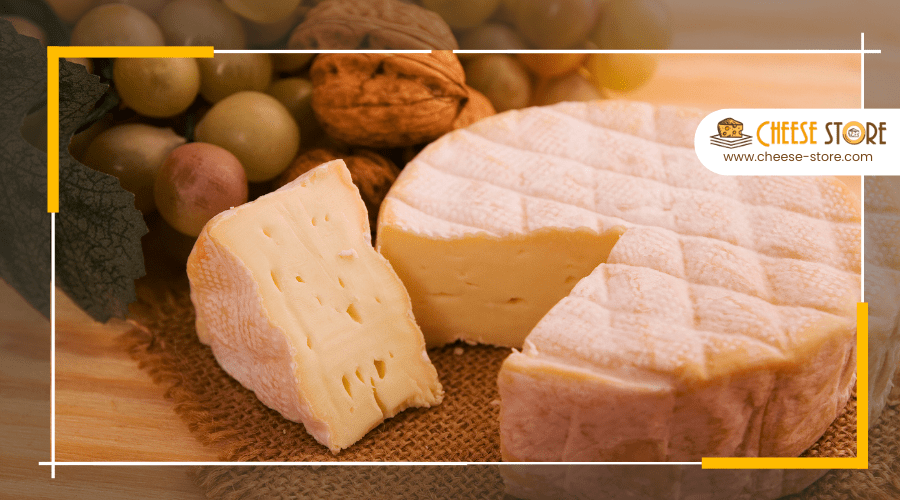
- Look for a soft, sticky rind: This indicates the cheese has aged properly and developed its signature washed-rind flavor.
- Check for a pale, ivory-colored interior: Fresh, high-quality Munster will have a soft, creamy center.
- Embrace the aroma: Don’t shy away from Munster’s distinctive scent—it’s part of its character and adds to the experience.
Storing Munster correctly is just as important. Wrap it in wax or cheese paper and store it in the refrigerator, away from strong-smelling foods. Avoid plastic wrap, as it can trap too much moisture and affect the cheese’s flavor. Let it come to room temperature before serving to appreciate its creamy texture and complex aroma fully.
Petit Munster in Alsatian Cuisine
Munster cheese isn’t just eaten on its own in Alsace—it’s an integral part of many regional dishes. In Alsatian cuisine, Munster is featured in tarte flambée, a type of flatbread pizza topped with Munster and local ingredients. The cheese also appears in warm potato dishes, salads, and with meats, where it enhances the flavors of these dishes and showcases its versatility.
For those interested in traditional Alsatian cooking, Munster provides an authentic taste of the region, connecting diners to centuries-old culinary traditions.
Tips for Tasting Strong-Flavored Cheeses
For those new to Munster, here’s a tip to ease into the experience: Start with Petit Munster, which is milder and less pungent. Pair it with honey or a bit of fruit to balance its earthiness. For aged Munster, try it alongside a bold wine to help temper the stronger flavors.
Conclusion
Munster cheese is more than just a cheese—it’s a reflection of the rich cultural heritage of Alsace. With distinct French and German versions, each offers a unique experience for cheese lovers, from the bold flavors of aged French Munster to the softer, milder notes of German varieties.
Whether enjoyed alone, paired with wine, or used in traditional Alsatian dishes, Munster cheese offers a taste of history, tradition, and culinary artistry. So go ahead, explore the world of Munster and Petit Munster, and enjoy the flavors of Alsace—one delicious bite at a time.
Related posts