The Ancient Origins of Feta Cheese
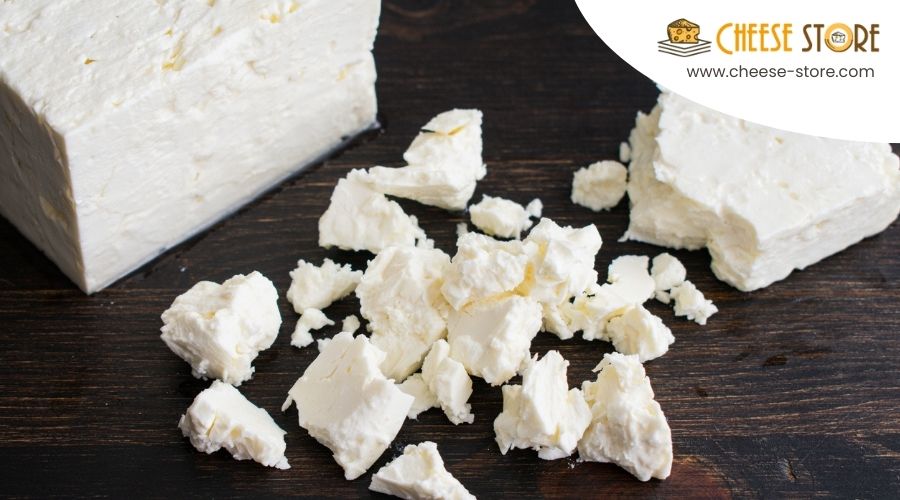
Feta cheese has been a part of Greek life for thousands of years. Its origins trace back to ancient Greece, where it was made from sheep's and goat's milk using simple techniques. Known for its salty flavor and crumbly texture, feta became a staple in the Mediterranean diet.
The cheese has remained closely tied to Greek culture, where traditional methods of making feta are still followed today. To know more about this particular type of cheese, here are the ancient origins of feta cheese.
Early Beginnings of Feta Cheese
Feta cheese has deep roots in Greece's history, dating back to ancient times. It has long been a part of Greek culture and cuisine, and it is connected to the daily lives of shepherds and farmers. The beginnings of feta are tied to simple agricultural traditions that have been passed down through generations.
Feta was first produced around the 8th century BC, during a time when sheep and goat herding was common in Greece. Shepherds used the milk from their herds to make cheese, a method that helped preserve milk for longer periods. They discovered that by adding rennet to the milk, it would curdle and solidify, creating the basis for feta. This process allowed them to store milk in a more durable form.
The name "feta" comes from the Italian word "fetta," meaning slice, which describes how the cheese is often served. However, the cheese itself has much older roots, as ancient Greeks were making cheese long before the word feta was used.
Cheese-making was not only a practical way to preserve food but also a part of religious and cultural practices. The cheese was used in offerings to the gods, and its presence in ancient feasts and gatherings highlighted its importance in Greek society. As Greece expanded its trade networks across the Mediterranean, the methods of making cheese spread to neighboring regions.
Though the process of making feta has evolved over time, many of the same techniques from ancient Greece are still used today. The cheese continues to be made primarily from sheep's and goat's milk, maintaining its traditional character.
Feta's salty and tangy flavor, along with its crumbly texture, has made it one of the most recognized and loved cheeses in the world. However, its origins are deeply rooted in ancient Greek agricultural practices.
References of Feta Cheese in Greek Mythology
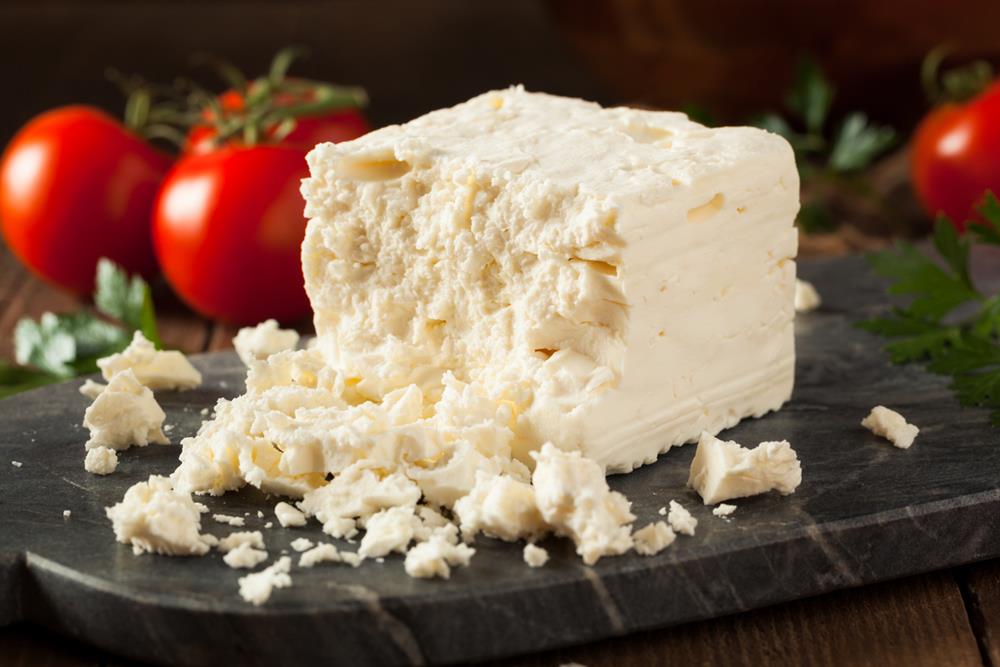
Feta cheese has roots in Greek history and mythology. Here are the references to feta cheese in Ancient Greek mythology.
Polyphemus in the "Odyssey"
One of the most famous references to cheese-making appears in Homer's *Odyssey*. In the story, Odysseus and his men encounter Polyphemus, the Cyclops, who is seen curdling milk in his cave. Polyphemus is described as using sheep's milk to make cheese, which he stores in woven baskets.
Polyphemus's cheese-making is not just a simple detail in the story. It also shows the daily life of shepherds in ancient Greece, who used sheep and goat milk to make cheese in a similar way. The fact that this method is included in such an important text suggests how common and valued cheese was in Greek culture.
Offerings to the Gods
Cheese, including feta, was often part of religious offerings in ancient Greece. It was considered a valuable food worthy of being given to the gods during rituals and ceremonies. One well-known example is the offering to the god Apollo, where cheese was placed on the altar along with other foods like honey and wine.
This tradition shows the high status of cheese in Greek society. By including it in offerings, the Greeks recognized cheese as an important food, one that played a role in both their daily lives and their spiritual practices.
How Feta Cheese is Made
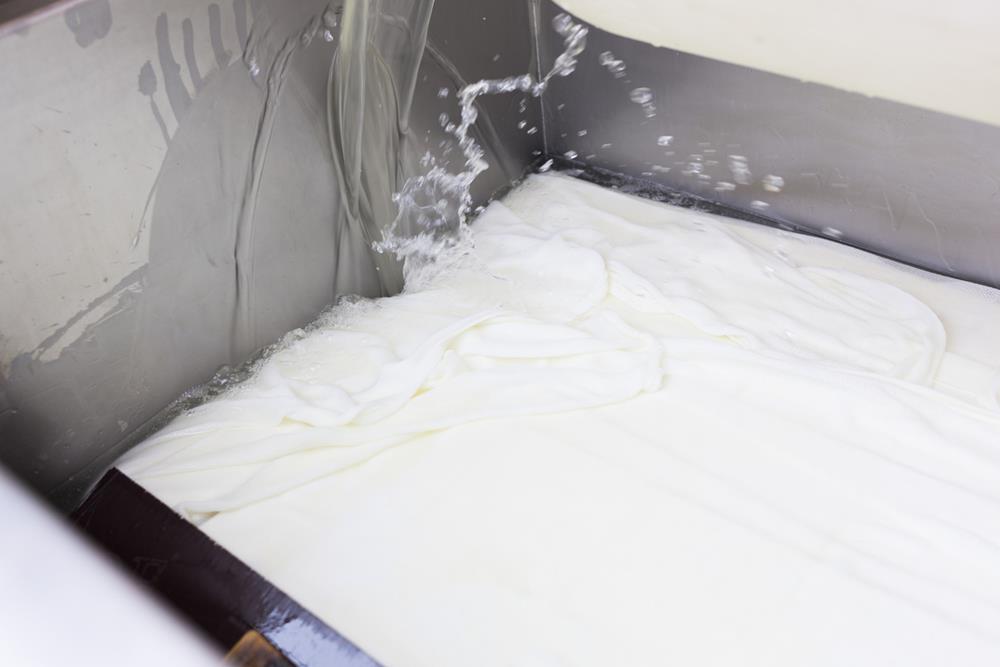
Feta cheese is made using traditional methods that have been passed down for centuries. The process is straightforward but requires attention to detail to create the cheese's unique flavor and texture. Below are the steps involved in making feta cheese.
Milk Collection
Feta is traditionally made from sheep's milk or a mixture of sheep's and goat's milk. The milk is collected from local herds and must be fresh to produce the best quality cheese. In some cases, goat milk is used to add a tangier flavor to the cheese.
The milk is then heated to a specific temperature before rennet is added. Rennet is an enzyme that helps the milk curdle and separate into solid curds and liquid whey.
Curd Formation
Once the milk has curdled, the curds are carefully cut into small pieces. This helps to release more whey and allows the curds to firm up. The size of the curds can affect the final texture of the cheese, with smaller curds creating a denser cheese.
After the curds are cut, they are left to settle for a short period. This allows more whey to drain off naturally, which is important for achieving the right moisture level in the cheese. The curds are then placed into molds to give them their shape.
Salting and Brining
Once the cheese has been molded, it is salted. Salt is a crucial part of the feta-making process, as it not only adds flavor but also acts as a preservative. The cheese is rubbed with salt and then placed in brine, a solution of salt and water.
The cheese stays in the brine for a period of time, which helps it develop its characteristic salty taste. The brining process also helps the cheese maintain its moisture and keep its crumbly texture.
Aging Process
After brining, feta cheese is aged for at least two months. The cheese is kept in a controlled environment where temperature and humidity are monitored. The aging process helps develop the flavor, giving feta its tangy, slightly sour taste.
During aging, the cheese continues to absorb moisture from the brine, which keeps it from becoming too dry. The longer the cheese is aged, the stronger the flavor becomes.
Conclusion
Feta cheese's distinct flavor and texture, along with its deep roots in Greek mythology and history, make it a unique part of Mediterranean cuisine. Today, feta continues to be made using methods passed down through generations, preserving its connection to the past while remaining a favorite in kitchens around the globe.