The Best-Selling Cheeses in the World
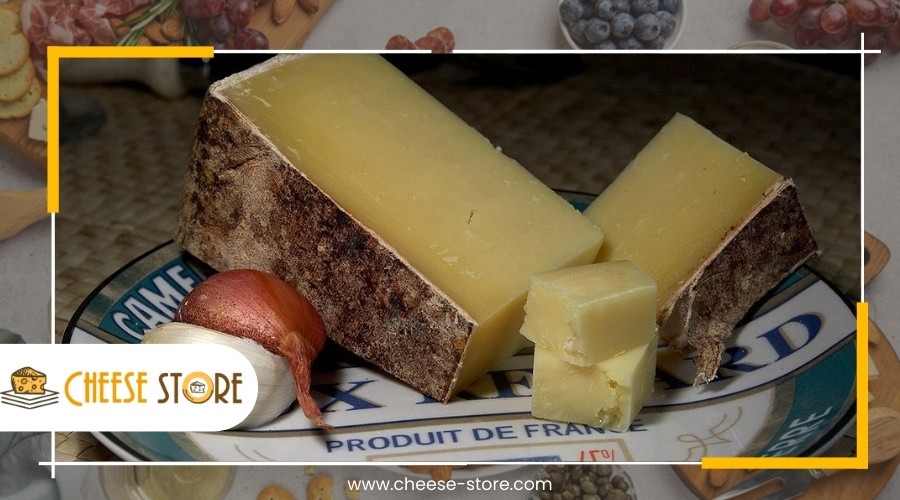
Cheese is enjoyed in nearly every part of the world, with each region having its favorites. From creamy brie to sharp cheddar, certain cheeses have gained global popularity for their distinct flavors and textures. These cheeses are used in countless dishes or enjoyed on their own. Here is a list of the best-selling cheeses in the world.
Cheddar
Cheddar is one of the most widely consumed cheeses in the world. Originating in England, it has become a favorite in many countries due to its versatility and distinct flavor. The taste of cheddar varies depending on how long it has been aged, with younger cheddar being mild and older cheddar developing a sharper and more complex flavor.
Cheddar's texture changes as it ages. Young cheddar is smooth and creamy, while aged cheddar becomes crumbly. This makes it suitable for everything from sandwiches to gourmet dishes. Cheddar is often used in cooking due to its ability to melt easily without losing its flavor.
Cheddar's popularity has spread beyond England. Today, it is produced globally, with each region offering its own version. From mild varieties to extra sharp types, cheddar continues to be a go-to cheese for people who enjoy bold flavors and a versatile ingredient.
Brie
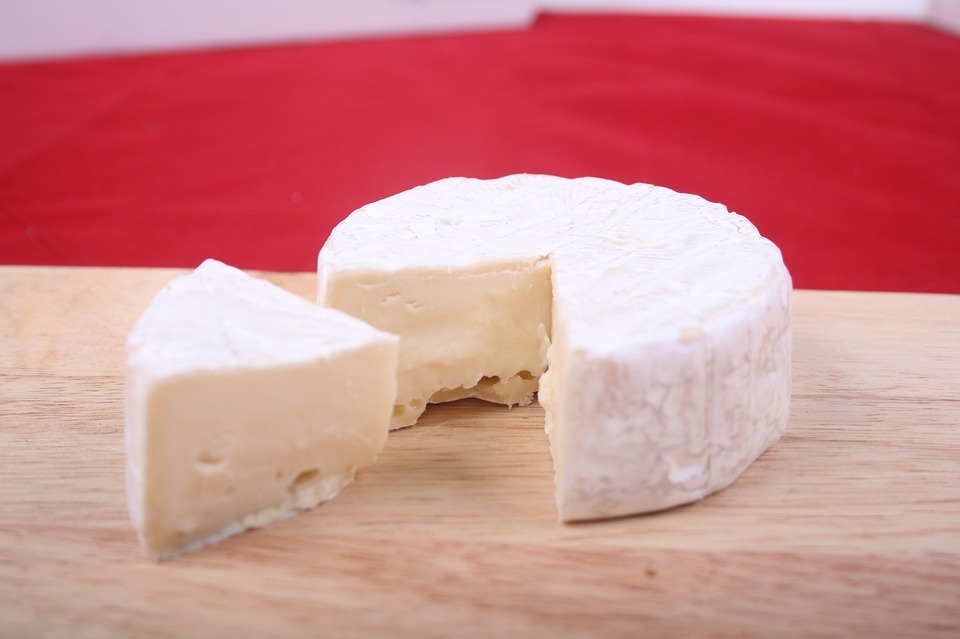
Brie is a soft cheese from France that has gained fans worldwide. It has a creamy texture and a mild, buttery flavor that intensifies with age. Brie's soft and edible rind is often a distinguishing feature, as it adds a slight tang to the smooth interior.
Brie is commonly served at room temperature, allowing its creamy texture to spread easily. It is often paired with fruits, crackers, or bread. Brie's delicate flavor means it can be eaten on its own or used in a variety of recipes.
While French brie remains the most well-known, other countries also produce their own versions. This cheese's versatility and mild taste make it a staple in many households, enjoyed by those who prefer a soft and easy-to-eat cheese with a mild profile.
Parmesan
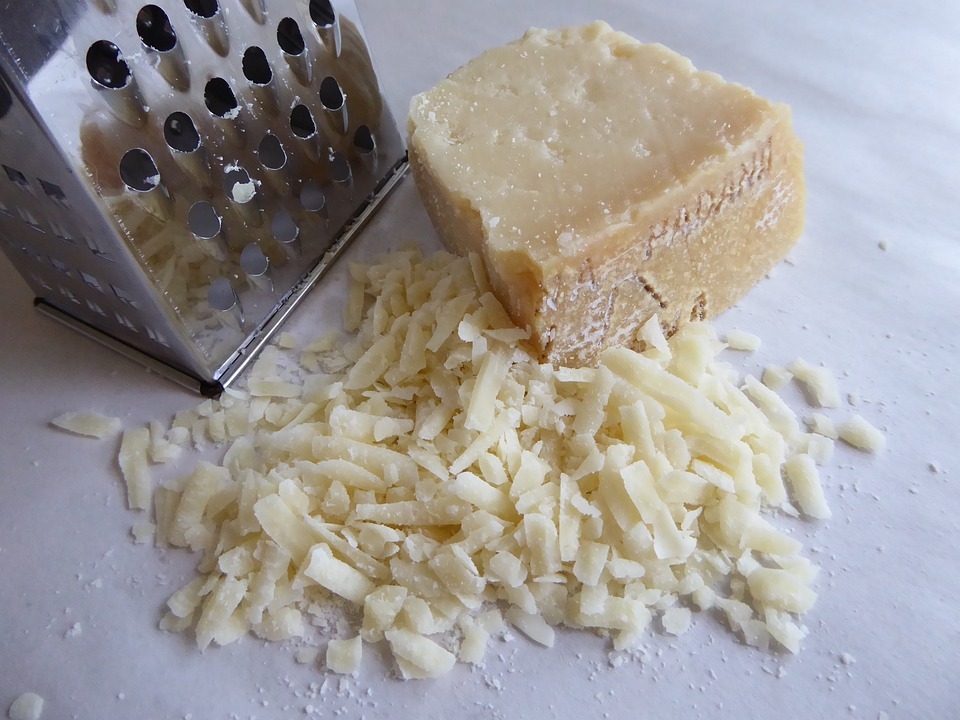
Parmesan is a hard, aged cheese that originated in Italy and is known for its sharp, nutty flavor. It is most commonly used as a grated topping for pasta, soups, and salads but can also be eaten in small chunks. Parmesan's firm texture and strong taste make it a favorite for adding depth to many dishes.
Parmesan is produced through a lengthy aging process, which can last anywhere from 12 months to several years. The longer it ages, the more intense its flavor becomes. This aging process also contributes to its hard and crumbly texture.
Though it is still closely tied to Italian cuisine, Parmesan is now produced worldwide. Its strong, savory taste and versatility in cooking have made it a staple in kitchens around the globe. Parmesan's ability to enhance a variety of dishes is one reason it remains a top choice for many cheese lovers.
Gouda
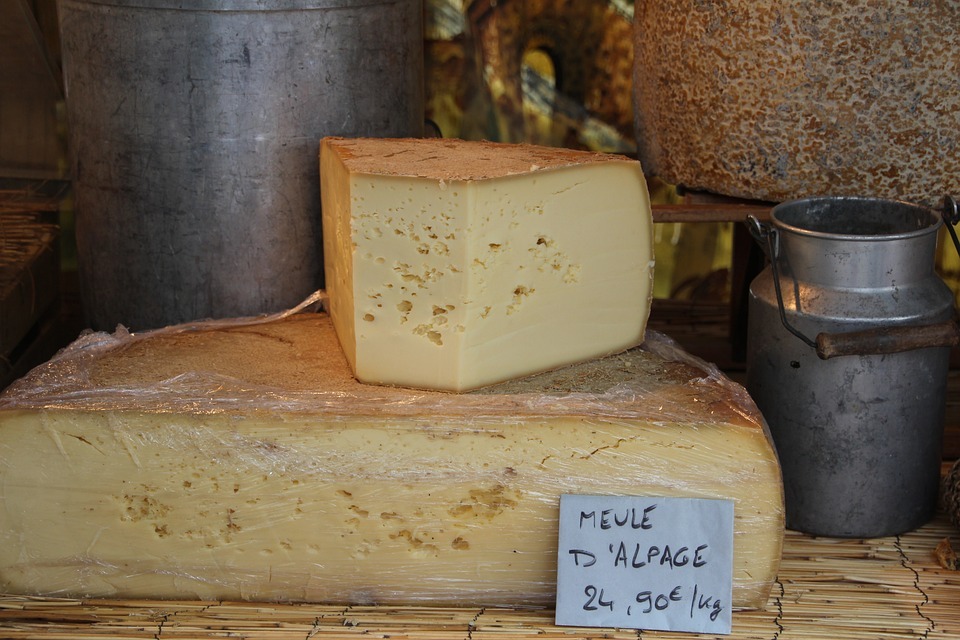
Gouda is a semi-hard cheese from the Netherlands that has a rich, caramel-like flavor. It is one of the oldest cheeses still made today and comes in both young and aged varieties. Young Gouda is mild and creamy, while aged Gouda becomes firmer and develops a more complex, nutty taste.
This cheese is often paired with fruits and nuts or used in cooking. Its creamy texture when young makes it ideal for melting, while aged Gouda is often sliced and eaten on its own. The balance of sweetness and saltiness makes Gouda a popular choice for cheese lovers who enjoy a well-rounded flavor.
Gouda's production has expanded beyond the Netherlands, and it is now made in many countries around the world. It remains a beloved cheese for its versatility and its ability to cater to different tastes, whether enjoyed young or aged.
Mozzarella
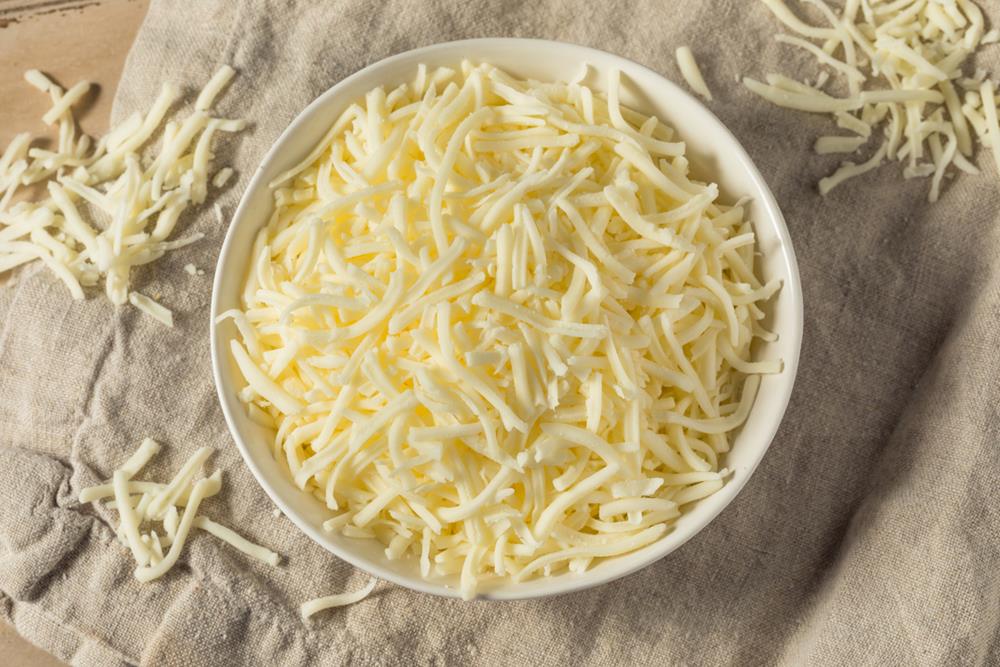
Mozzarella is a soft, mild cheese that is a key ingredient in many dishes, particularly pizza. Originating in Italy, mozzarella has a stretchy texture when melted, which makes it a favorite for baked dishes. Its fresh and milky flavor is light and neutral, allowing it to pair well with a variety of foods.
Mozzarella is usually sold fresh, and unlike many cheeses, it is not aged. Its soft, elastic texture is best enjoyed when it is freshly made. It is commonly used in Italian dishes like pizza and lasagna but also pairs well with tomatoes and basil in a caprese salad.
Mozzarella's mild flavor and smooth texture have made it one of the most popular cheeses in the world. Whether used in cooking or eaten fresh, mozzarella is loved for its versatility and light and fresh taste.
Swiss
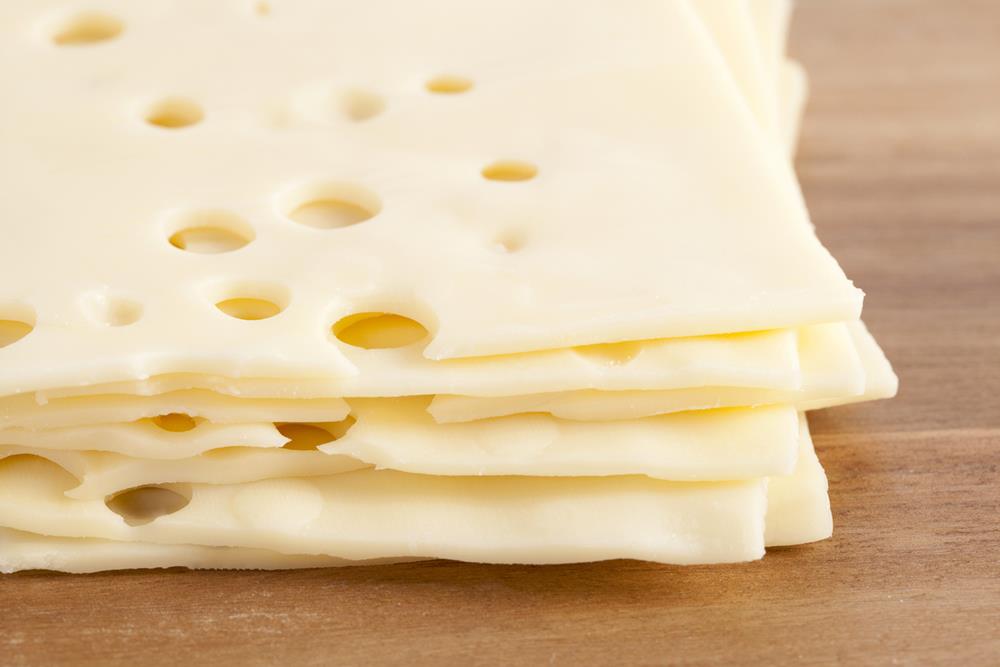
Swiss cheese is known for its distinctive holes and mild, nutty flavor. Originating from Switzerland, this cheese is made using bacteria that create bubbles, forming the characteristic holes during fermentation. The flavor of Swiss cheese is mild and slightly sweet, which is why it is often used for sandwiches and snacks.
The texture of Swiss cheese is firm but elastic, which allows it to melt well. This makes it a great addition to hot dishes like grilled cheese sandwiches and casseroles. Swiss cheese's mild taste also pairs well with fruits and crackers.
Swiss cheese is now produced in many parts of the world, though the original version is still highly regarded. Its balance of sweetness and nuttiness, combined with its unique appearance, keeps it a favorite for cheese lovers everywhere.
Blue Cheese
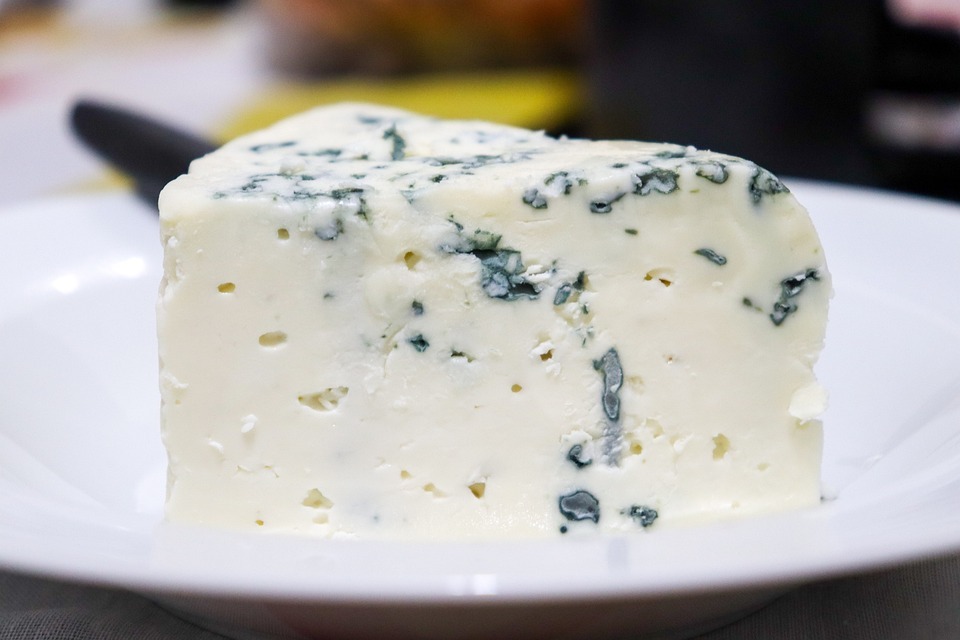
Blue cheese is a bold cheese known for its sharp, tangy flavor and blue-green veins. The distinctive appearance and taste come from the introduction of Penicillium mold during the aging process. This gives the cheese its signature bite, which some people love while others find strong.
The texture of blue cheese can range from soft to crumbly, depending on the type. It is often used in salads, dressings, and sauces due to its intense flavor. Blue cheese also pairs well with fruits and nuts, offering a contrast to its sharp taste.
Blue cheese is made in various countries, with popular types like Roquefort, Gorgonzola, and Stilton. Despite its polarizing flavor, blue cheese remains a popular choice for those who enjoy strong and complex cheeses.
Feta
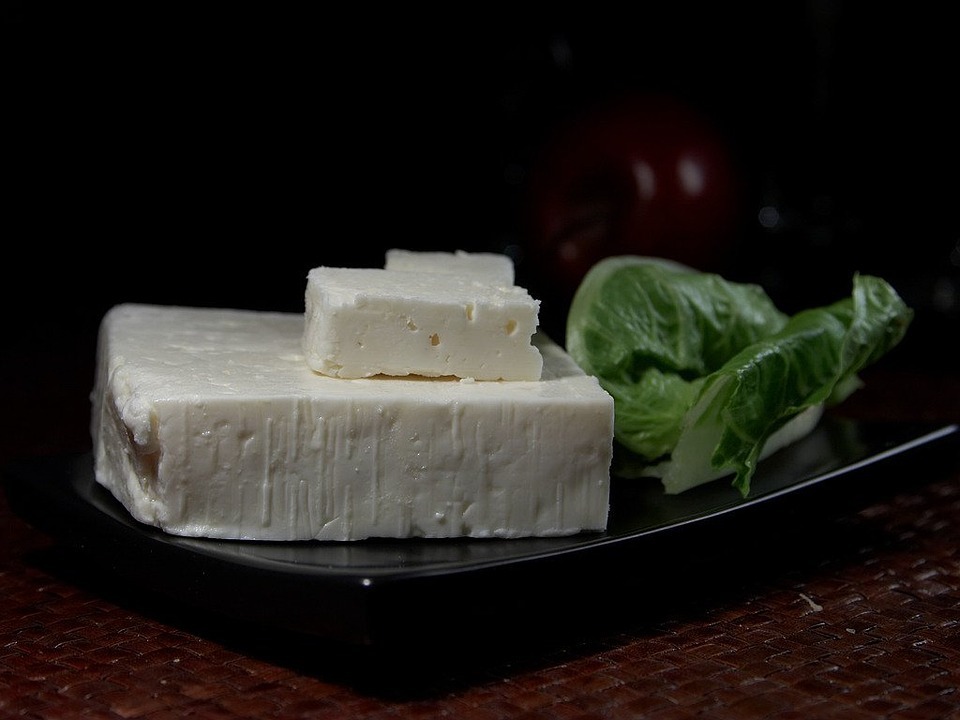
Feta is a soft, crumbly cheese from Greece. Its tangy, salty flavor makes it a staple in many Mediterranean dishes. Feta is usually made from sheep's milk or a mixture of sheep and goat milk, which gives it its rich taste.
Feta is often used in salads, particularly Greek salads and pastries like spanakopita. Its crumbly texture makes it easy to sprinkle over dishes, adding a salty kick. Feta also pairs well with fresh vegetables, olives, and herbs.
Though originally from Greece, feta has become popular worldwide. Its distinctive taste and texture make it a versatile cheese that can be used in both cooked and raw dishes.
Camembert
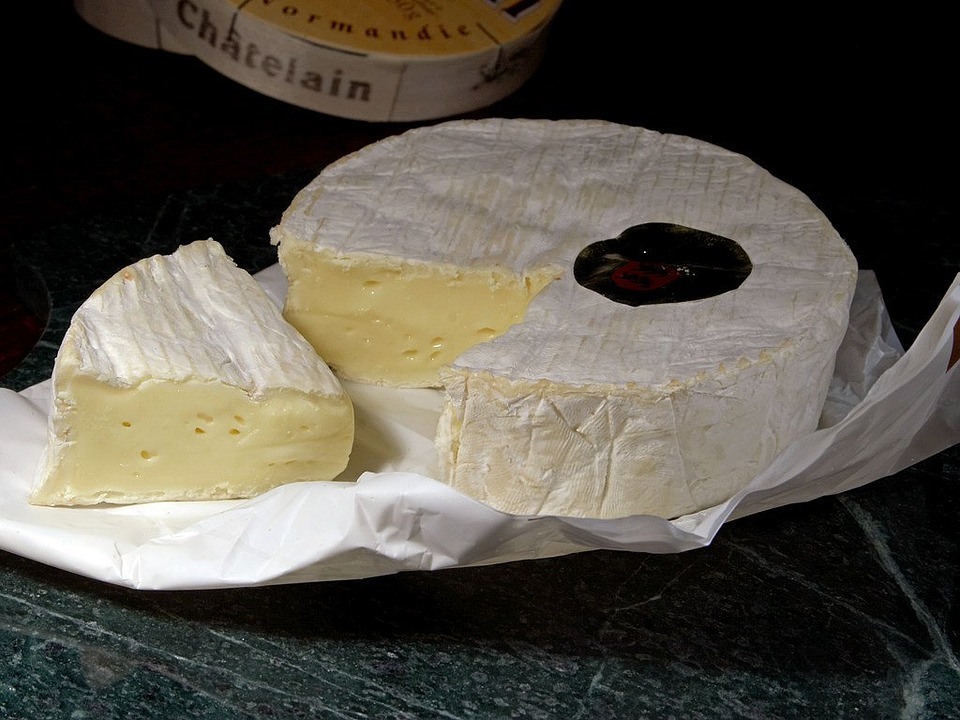
Camembert is a soft, creamy cheese from France. Its rich, buttery flavor has a slight earthy undertone. The edible rind adds a bit of tang to the otherwise mild interior, making it a favorite for cheese boards and snacks.
Camembert is usually eaten at room temperature, allowing its creamy texture to shine. It pairs well with fruits, bread, and crackers, making it a common choice for appetizers. Camembert can also be baked, resulting in a gooey center that's perfect for dipping.
Camembert is a cheese similar to brie but with a stronger, more pronounced flavor. Its soft texture and rich taste have made It popular both in France and internationally.
Provolone

Provolone is an Italian cheese known for its smooth texture and mild, slightly tangy flavor. It comes in two main varieties: Provolone Dolce, which is sweet and mild, and Provolone Piccante, which has a sharper and more intense taste due to longer aging.
Provolone melts well, making it a popular choice for sandwiches, pizzas, and other hot dishes. It is also enjoyed sliced on its own or with meats and vegetables. The cheese's versatility makes it suitable for both casual meals and more refined dishes.
Provolone is now produced in many countries, but its Italian roots remain strong. Its range of flavors, from mild to sharp, gives it broad appeal, and its smooth texture makes it easy to incorporate into a variety of meals.
Conclusion
Cheese has become a favorite food in many cultures, with each type offering its own unique taste and texture. The world's love for cheese continues to grow, and these classic varieties remain staples in kitchens everywhere.