The Challenges of Lab-Grown Cheese: Can It Compete With Traditional Cheese?
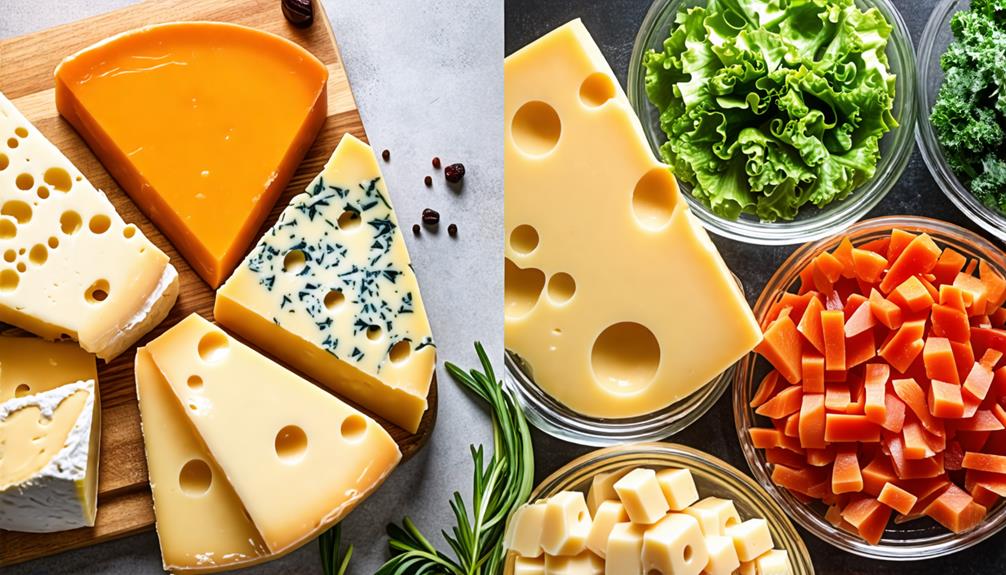
The viability of lab-grown cheese in a market dominated by traditional options is an intriguing subject. Promising environmental benefits and innovative production methods, lab-grown cheese faces significant challenges such as high costs and consumer skepticism. Companies striving to replicate the beloved taste and texture of traditional cheese often fall short, raising questions about authenticity. Can lab-grown cheese win over consumers, or will it remain a niche product? Exploring these complexities offers a rich area for discussion.
Understanding Lab-Grown Cheese
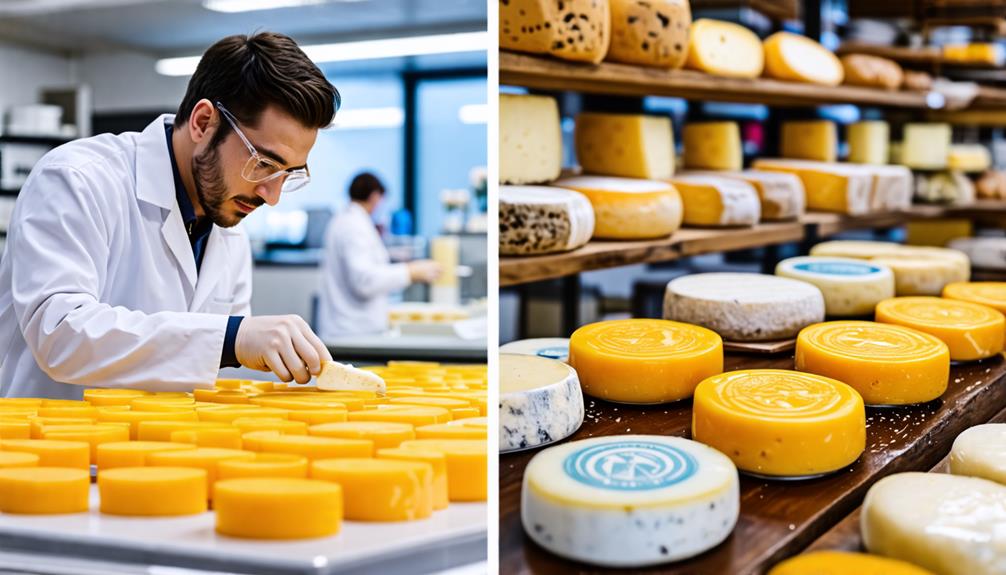
Lab-grown cheese is produced using engineered microbes to create casein, the essential protein found in dairy, without involving animals. This innovative method relies on a fermentation process, offering a way to enjoy cheese without the environmental drawbacks of traditional cheese production. This method aims to replicate the taste and texture of conventional dairy cheese while significantly reducing carbon emissions and water usage.
Lab-grown cheese can achieve up to 97% lower carbon emissions and 99% less water usage compared to traditional dairy cheese production. This sustainability advantage appeals to environmentally conscious consumers who are looking for alternatives to conventional dairy products.
Despite its benefits, the lab-grown cheese market faces challenges, particularly regarding production costs. Companies like New Culture and Perfect Day are working on developing more affordable options but still struggle to match the prices of traditional cheese. As they strive for cost competitiveness, the future of lab-grown cheese looks promising, with an expanding range of products like mozzarella and cheddar expected to become available. Understanding lab-grown cheese is crucial for assessing its potential impact on the dairy industry.
Major Companies in the Industry
In the lab-grown cheese industry, several major companies are making significant advancements with innovative production techniques. Notable players such as Perfect Day and New Culture are at the forefront, each employing distinct market positioning strategies. These companies are pivotal in shaping the future of sustainable cheese alternatives, driving the industry toward more environmentally friendly and ethical options. As you explore this evolving landscape, consider how these leaders are influencing market trends and consumer preferences.
Key Industry Players
Several key players are driving innovation in the lab-grown cheese industry, including Perfect Day, New Culture, and Remilk, each focusing on unique approaches to creating animal-free dairy products. Perfect Day specializes in plant-based casein production, crucial for crafting textures similar to traditional cheesemaking. New Culture stands out by producing 100% animal-free mozzarella through precision fermentation, targeting cheese lovers seeking alternatives.
Remilk emphasizes replicating dairy proteins that mimic traditional cheese, further advancing the lab-grown cheese market. Other notable companies like Legendary Foods aim to develop cheese products that completely exclude animal involvement. Natures Fynd and Climax Foods are also significant contributors, with Natures Fynd boasting impressive sustainability metrics, such as 99% reduced land usage and 94% fewer greenhouse gases compared to traditional dairy methods.
Collaboration with traditional cheese makers is common among these companies, as they integrate lab-grown ingredients into final products, often resulting in powdered casein rather than conventional cheese. With several companies, including New Culture and Superbrewed Food, preparing to launch their lab-grown cheese products soon, the market is set for significant expansion, complementing the existing 1,800 plant-based cheese options available.
Innovative Production Techniques
Major companies are revolutionizing cheese production with innovative techniques that replicate traditional methods while being completely animal-free. Precision fermentation is at the forefront of this transformation. Companies like Perfect Day and Remilk are pioneering the creation of plant-based casein, which mimics the proteins found in conventional dairy cheese. This approach enables the production of cheese without animal-derived ingredients.
New Culture employs a different strategy by using engineered microbes to produce mozzarella through fermentation, aiming to replicate the taste and texture of traditional cheese while ensuring it's entirely animal-free. Perfect Day also highlights the sustainability of their process, claiming it results in 97% less carbon emissions and 99% less blue water usage compared to conventional dairy methods.
Additionally, emerging players like Natures Fynd and Superbrewed Food are poised to expand the lab-grown cheese market. They use fermentation tanks and collaborate with established cheese makers, which are crucial for developing lab-grown cheeses that meet consumer preferences and gain acceptance alongside traditional cheese. These innovations are setting the stage for a new era in cheese production.
Market Positioning Strategies
Lab-grown cheese companies are positioning themselves in the market by highlighting sustainability, taste, and advanced production techniques to attract environmentally conscious consumers. Leading firms such as Perfect Day and New Culture use precision fermentation to create dairy proteins that mimic traditional cheese, significantly lowering carbon emissions. This sustainable approach sets them apart in a competitive landscape.
Companies like Remilk are innovating by producing plant-based casein that closely resembles traditional dairy, while New Culture focuses on delivering mozzarella with authentic taste and texture. As demand for sustainable and ethical food options grows, the lab-grown cheese market is poised for significant expansion.
Nonetheless, high production costs present pricing challenges. Innovations in fermentation and protein recovery are crucial for reaching price parity with conventional dairy products. With over 1800 vegan cheese options available, lab-grown cheese producers must prioritize enhancing taste and texture to gain consumer acceptance. By concentrating on these factors, they can effectively position themselves and attract a wider audience seeking delicious, ethical cheese alternatives.
Environmental Benefits of Lab-Grown Cheese
The environmental benefits of lab-grown cheese are significant, providing a sustainable alternative that greatly reduces greenhouse gas emissions and resource consumption compared to traditional dairy farming. Utilizing precision fermentation, lab-grown cheese production can decrease greenhouse gas emissions by up to 97%, significantly lowering its environmental footprint. For instance, companies like Natures Fynd demonstrate that their methods use 99% less land and generate 94% fewer greenhouse gases than conventional dairy farming.
Moreover, lab-grown cheese can potentially reduce water usage by 97%, addressing the critical issue of water scarcity associated with livestock farming. This reduction in water use is crucial in a world facing diminishing water resources. By eliminating the need for livestock, precision fermentation not only reduces the ecological impact of animal agriculture but also offers a viable solution to mitigate the environmental damage caused by the dairy industry.
Consumer Acceptance Challenges
Despite the environmental benefits of lab-grown cheese, consumer acceptance remains a significant hurdle. Many people are skeptical of lab-grown food technologies, similar to their concerns about GMOs. Safety and taste are major issues; consumers question the long-term effects and whether the product can match the flavor and texture of traditional cheese.
Several factors contribute to this hesitance:
- Skepticism toward new technologies: Many people are wary of lab-grown food, just as they are with GMOs.
- Safety concerns: Consumers have questions about the safety and long-term health effects of lab-grown cheese.
If initial products fail to meet consumer expectations, it could result in a lasting negative perception of lab-grown cheese. Additionally, higher production costs may prevent it from competing with traditional cheese prices, despite growing interest in sustainable options. Transparent communication and high-quality products are crucial for gaining consumer trust and fostering a favorable view of lab-grown cheese.
Sensory Experience Comparisons
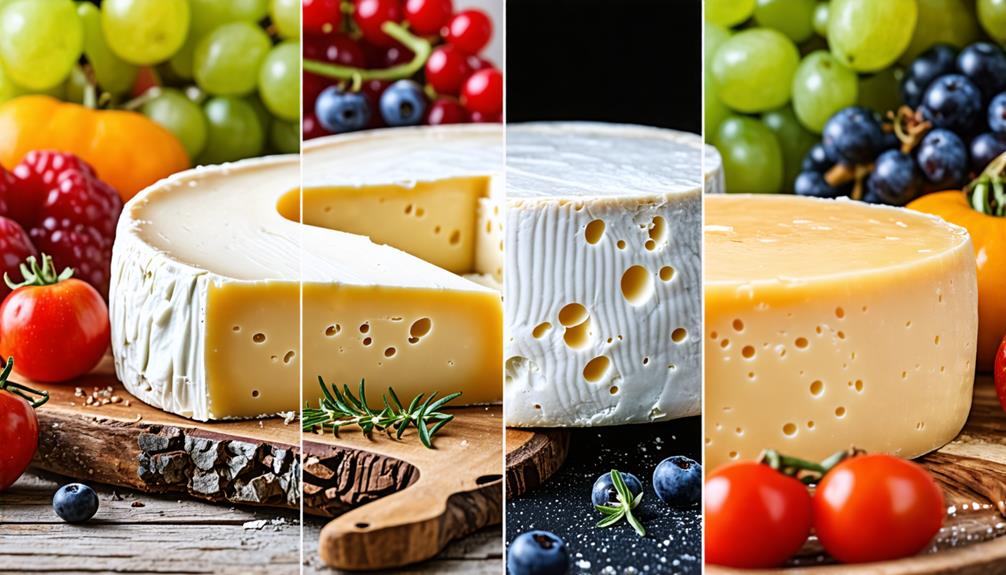
Sensory experiences are crucial in determining whether you'll choose lab-grown cheese over its traditional counterpart. When considering cheese, texture and flavor are paramount. Companies like New Culture aim to replicate the meltability and consistency of traditional mozzarella in their lab-grown versions. Initial tastings indicate that while the texture is similar, it may be slightly thinner, which could affect your overall sensory experience.
Lab-grown cheese is shreddable and meltable, addressing common issues with plant-based alternatives. However, the flavor profile differs; many consumers have noted that lab-grown cheese is less salty than traditional cheese. This difference in taste could influence consumer preference, especially if you are accustomed to the rich, savory flavors of dairy cheese.
Lab-grown cheese also aims to be inclusive by being vegan, lactose-free, and cholesterol-free, making it appealing for those with dietary restrictions. Ultimately, the market success of lab-grown cheese depends on its ability to match or exceed the sensory experiences offered by traditional cheeses. If it can achieve this, you might find yourself choosing it more frequently in the future.
Pricing and Market Competition
Lab-grown cheese currently faces a higher price point, making it less competitive against traditional cheese. The primary challenge is the elevated production costs, largely due to advanced technologies like yeast fermentation. To thrive in this market, companies must implement pricing strategies that are both appealing to consumers and aligned with their demand for sustainable products.
Key factors influencing market competition include:
- High production costs: Advanced technologies used in lab-grown cheese production, such as yeast fermentation, contribute to its higher prices.
- Shifting consumer preferences: With 16% of U.S. retail milk sales lost to plant-based alternatives, lab-grown cheese has an opportunity to capture this market segment.
As consumer demand for animal-free options grows, lab-grown cheese has significant potential. However, it must first overcome the pricing barrier to effectively compete with traditional cheese and secure a stronger market presence.
Regulatory and Safety Considerations
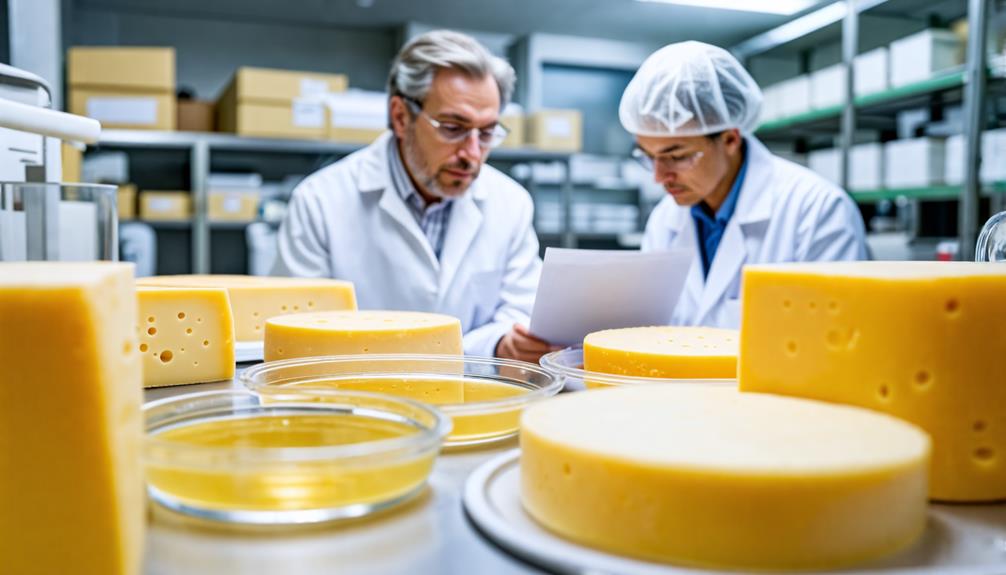
Navigating the evolving regulatory landscape is crucial for lab-grown cheese producers to ensure safety and gain consumer trust. Unlike traditional dairy products governed by established agricultural standards, lab-grown cheese faces a less defined regulatory path, complicating market entry and potentially affecting consumer acceptance.
Producers must adhere to stringent food safety protocols to address concerns about microbial behavior during production. Rigorous testing is essential to prevent contamination and ensure quality, particularly given past issues with fermented plant-based cheeses. Lab-grown cheese products must also comply with food safety standards, which may involve evaluating health risks associated with new ingredients and techniques.
Increasing consumer awareness drives demand for transparency, likely resulting in heightened regulatory scrutiny. This requires substantiating claims about safety, nutritional content, and environmental benefits. Successfully navigating this landscape ensures compliance and builds consumer confidence in lab-grown cheese as a viable alternative to traditional options. Ultimately, how well producers address these regulatory and safety considerations will significantly influence the future success of lab-grown cheese in the market.
Future Developments and Innovations
Exciting innovations in lab-grown cheese are set to redefine culinary experiences, making them more appealing to a broader audience. Advances in precision fermentation are enhancing the sensory attributes of lab-grown cheese, ensuring it can compete with traditional varieties. As consumer demand for sustainable and animal-free options continues to grow, companies are responding by developing products that align with these preferences.
Key areas of innovation to watch include:
- Enhanced Flavor Profiles: Efforts are focused on replicating the complex flavors of traditional cheese.
- Nutritional Improvements: Lab-grown cheese can be designed to be vegan, lactose-free, and cholesterol-free, appealing to health-conscious consumers.
With the rising interest in plant-based products, the potential for new research and development is immense. The future looks promising, with lab-grown cheese poised to transform how you enjoy cheese, offering delicious alternatives that align with your values and dietary needs.
The Path to Mainstream Adoption
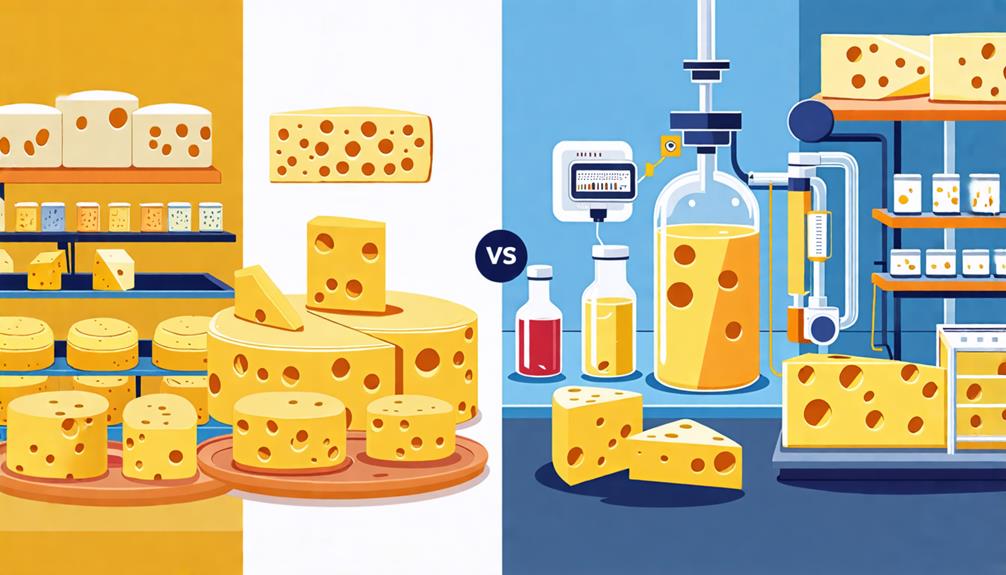
Exploring the path to mainstream adoption of lab-grown cheese reveals that price competitiveness is a significant challenge. Additionally, consumer awareness initiatives play a crucial role in shaping perceptions and driving demand for these innovative products. Overcoming these obstacles is essential for lab-grown cheese to secure its place in the market.
Price Competitiveness Issues
How can lab-grown cheese become price competitive enough to attract mainstream consumers? Currently, the production costs for lab-grown cheese are significantly higher than traditional options, limiting its market appeal. To achieve price competitiveness, several strategies need to be employed:
- Innovative Fermentation: Companies are exploring advanced fermentation techniques to lower production costs.
- Economies of Scale: Scaling production as demand grows can reduce costs and, consequently, retail prices.
While lab-grown cheese is gaining traction as a sustainable product, its price point remains a barrier. The market's growth hinges not only on reducing production costs but also on convincing consumers of its quality and taste. Companies like New Culture are actively working to achieve price parity with traditional cheese. Until these challenges are overcome, mainstream adoption will be difficult. However, as the demand for sustainable products rises, lab-grown cheese could become a viable alternative for everyday consumers.
Consumer Awareness Initiatives
To address price competitiveness, raising consumer awareness about the benefits of lab-grown cheese is essential for mainstream adoption. With over 70% of consumers unfamiliar with its production and advantages, educational campaigns are crucial. Emphasizing the sustainability of lab-grown cheese—producing milk with up to 97% fewer carbon emissions than conventional dairy—can attract environmentally-conscious consumers.
Collaborating with renowned chefs and popular restaurants can also enhance the visibility and credibility of lab-grown cheese. Initiatives like New Culture's partnership with Pizzeria Mozza generate excitement and make lab-grown cheese more appealing to the mainstream audience. As interest in vegan and sustainable options grows, leveraging this trend can drive the adoption of lab-grown alternatives.
Transparent messaging about health benefits, such as being lactose-free and cholesterol-free, can further enhance consumer acceptance. Surveys indicate that many people are willing to try lab-grown cheese once they understand its attributes. Through targeted marketing and consumer awareness initiatives, lab-grown cheese can effectively compete with traditional cheese and meet the rising demand for plant-based options.
Conclusion
In conclusion, while lab-grown cheese offers significant environmental benefits and innovative production techniques, it faces notable challenges in competing with traditional cheese. Key obstacles include higher production costs, consumer skepticism, and regulatory hurdles. Addressing these issues through improved taste and texture and educating consumers about its benefits can help lab-grown cheese gain acceptance. By overcoming these barriers, lab-grown cheese has the potential to transform the way we enjoy cheese in the future.