The Cultural Impact of Cheese Festivals and Their Role in the Industry
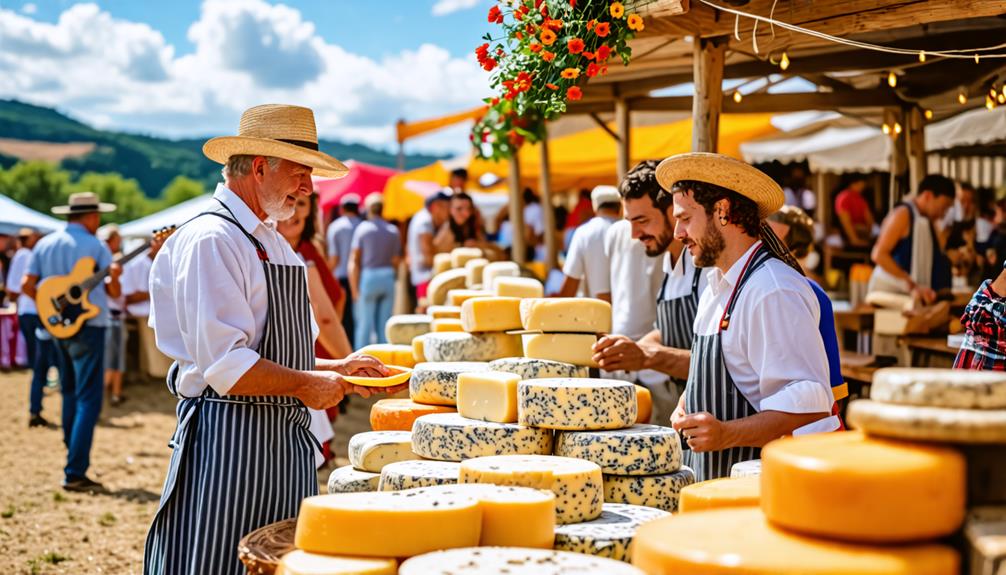
Cheese festivals do more than just celebrate dairy; they play a crucial role in shaping local culture and supporting the economy. These events bring communities together, showcasing artisanal craftsmanship and promoting culinary tourism, which significantly boosts local businesses. Reflecting on the historical and cultural importance of these festivals raises essential questions about their future in an increasingly globalized world. What does this mean for the traditional cheese-making practices that are often taken for granted?
Importance of Cheese Festivals
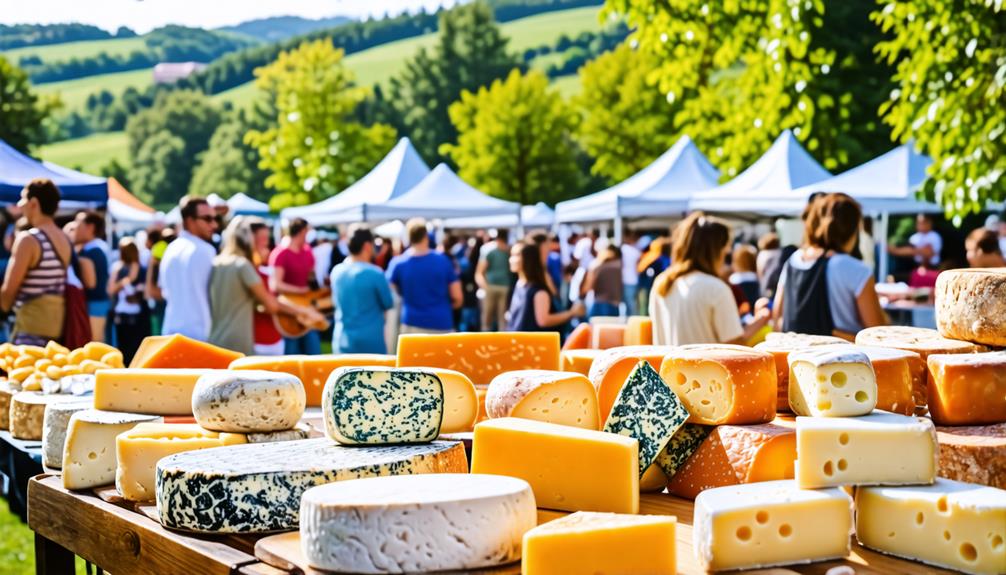
Cheese festivals are vital in celebrating local culture and fostering community spirit by connecting artisans with cheese enthusiasts. These events serve as dynamic platforms where local artisans showcase their unique products, promoting regional varieties and traditional cheese-making techniques. In doing so, cheese festivals cultivate cultural pride and encourage community engagement among attendees.
These festivals also attract significant tourist traffic, boosting local economies through increased sales in food, beverages, and merchandise. The economic impact of these events underscores the cultural significance of cheese in various societies. Events like the National Cheese Festival in the UK and the Cheese Rolling event in Gloucester highlight communal joy and social cohesion, linking current generations with ancestral traditions through shared experiences.
Additionally, cheese festivals often feature competitions and tastings that encourage innovation in cheese production. They offer an excellent opportunity to learn about the diverse characteristics and uses of different cheese types from around the world, deepening appreciation for artisanal food products. Consequently, cheese festivals are essential in celebrating culinary traditions and fostering local identities.
Historical Significance of Cheese
Dating back to around 6000 BC, the art of cheesemaking has been a fundamental component of human diets and food preservation practices. As you delve into the history of cheese, you will discover that this craft not only sustained communities but also contributed to their cultural heritage. The earliest evidence of cheese production, dating to around 7700 years ago, underscores its significance in the Mediterranean region.
Consider the following key aspects of cheesemaking's historical importance:
- Food Preservation: Cheesemaking provided a dependable source of nutrients, particularly in agricultural societies.
- Cultural Exchange: Cheesemaking techniques spread across Europe and Asia, leading to the development of unique cheese varieties tied to local agricultural practices.
- Nutritional Stability: Cheese ensured a reliable food source, especially during harsh seasons.
Economic Impact on Local Communities
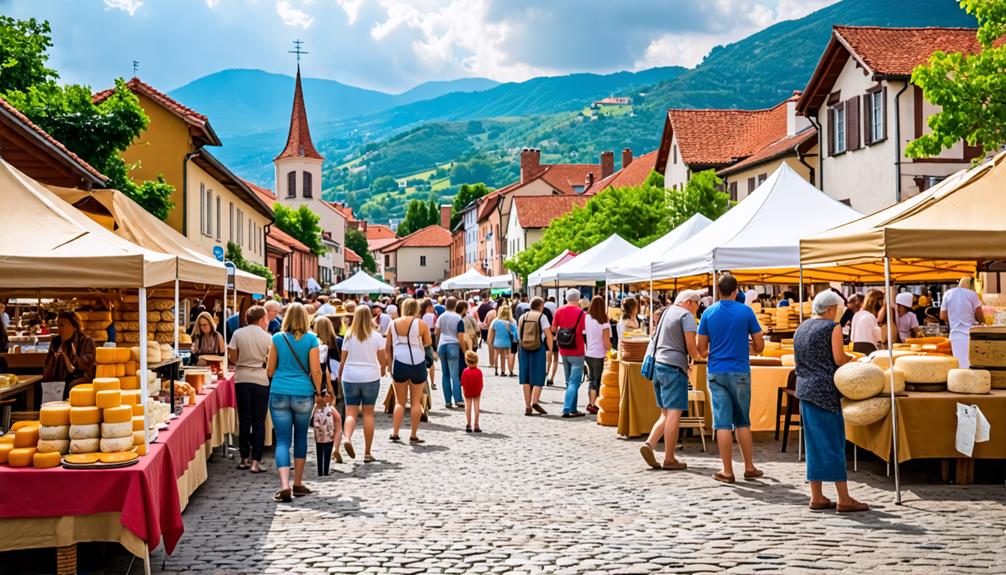
Cheese festivals significantly boost local economies by attracting visitors who spend on food, lodging, and local crafts. This influx of tourism revenue supports local businesses and generates job opportunities within the community. Analyzing the impact of these festivals reveals their substantial contribution to a vibrant local economy.
Local Business Boost
Local festivals attract thousands of visitors, significantly boosting the local economy by increasing sales for vendors, restaurants, and hotels. Attending these cheese festivals allows you to enjoy delicious local cheese while supporting a vibrant local culture. The benefits extend beyond immediate sales; local cheese producers often experience a surge in demand, paving the way for long-term growth and customer loyalty.
Here are some key economic benefits:
- Tourism Revenue: Festivals can generate over $1 million in economic impact for the community.
- Vendor Sales: Local vendors see increased sales, helping them thrive during and after the event.
- Artisan Opportunities: Local artisans gain valuable exposure, enabling them to showcase and sell their crafts.
Job Creation Opportunities
Attending cheese festivals not only supports local businesses but also creates job opportunities that invigorate the community's economy. These festivals attract thousands of visitors, increasing demand for services like catering, lodging, and transportation. Consequently, local businesses often need to hire additional staff to meet this demand.
Furthermore, local cheese producers gain greater visibility during these events, which can significantly boost their sales and encourage them to expand their workforce. Seasonal jobs in event planning, logistics, and hospitality also emerge, providing locals with employment during peak tourist seasons.
The economic impact of cheese festivals is substantial; studies show that some events contribute over $1 million to local economies through direct and indirect spending. This influx of money fosters the growth of artisanal cheese-making and the establishment of new businesses in the local food industry.
Tourism Revenue Increase
Cheese festivals can significantly boost tourism revenue, transforming host communities into vibrant centers of activity and commerce. By attending these events, you're not only enjoying delicious cheeses but also contributing to the local economy. Many festivals attract thousands of visitors annually, generating over $1 million in economic activity.
Here's how cheese festivals benefit local communities:
- Increased Foot Traffic: Restaurants, hotels, and vendors experience higher sales and profitability during these events.
- Support for Local Producers: Artisan cheese makers gain exposure, fostering long-term customer relationships and enhancing brand recognition.
- Job Creation: The influx of tourists creates new jobs in hospitality and service sectors, bolstering economic stability.
Cultural Identity and Heritage
Cheese festivals celebrate regional agricultural traditions, reinforcing community identity and pride in local cheese-making practices. Attending these events means engaging with a rich tapestry of cultural identity that highlights unique regional characteristics. Festivals like the National Cheese Festival in the UK and the famous Cheese Rolling event in Gloucester showcase not just cheese, but also the customs and communal joy that accompany it.
These gatherings foster intergenerational connections, enabling older generations to pass down traditional cheese-making techniques, crucial for preserving cultural heritage. Sampling different cheese varieties reveals how they reflect local ingredients and flavors, emphasizing the strong link between regional production and cultural identity.
Moreover, the communal atmosphere at cheese festivals strengthens community ties. Sharing culinary experiences and social gatherings not only enhances appreciation for cheese but also celebrates its diversity as a cultural marker. Fundamentally, cheese festivals are more than just fun events; they are vital for maintaining and promoting the cultural identity and heritage of the communities they represent.
Artisanal Cheese-Making Techniques
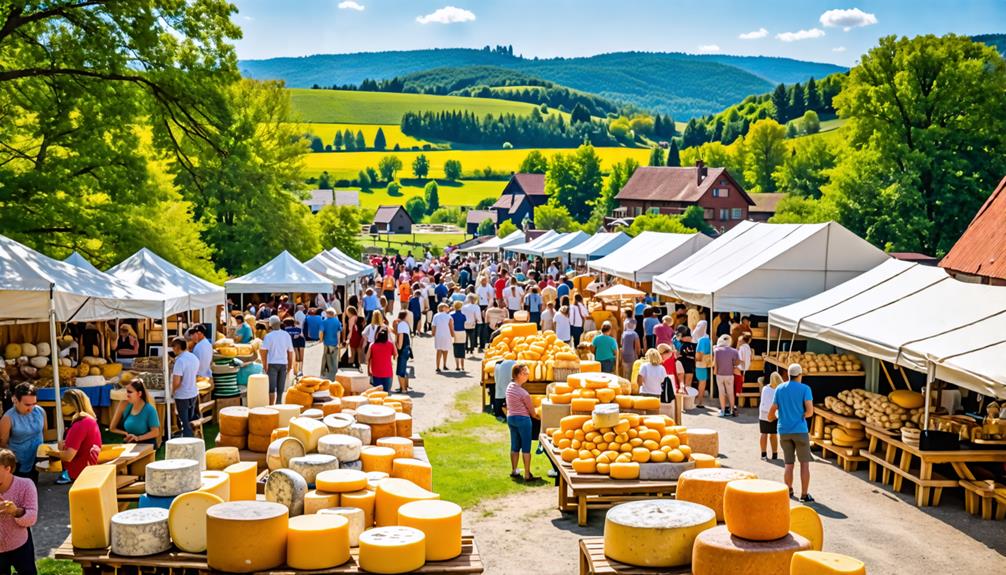
Exploring artisanal cheese-making techniques reveals the enduring beauty of traditional methods passed down through generations. These practices enhance regional flavor profiles while prioritizing sustainability and ethical production. By delving into these techniques, you gain a deeper appreciation for the craftsmanship and cultural significance behind each unique cheese.
Traditional Techniques Preservation
Artisanal cheese-making techniques emphasize traditional methods, ensuring that each unique flavor and texture reflects regional heritage and craftsmanship. These practices play a vital role in preserving traditional techniques, connecting you with the rich history of cheese-making. By focusing on hand-milking, natural fermentation, and raw milk, cheese-makers produce distinct cheeses that embody local culture.
Key elements contributing to this preservation include:
- Small Batch Production: Allows for greater control over ingredients and methods, enhancing quality.
- Protected Designation of Origin (PDO): Safeguards traditional practices, ensuring authenticity and regional identity.
- Consumer Demand: A rising interest in authentic, locally-produced foods drives the revival of traditional techniques.
Regional Flavor Profiles
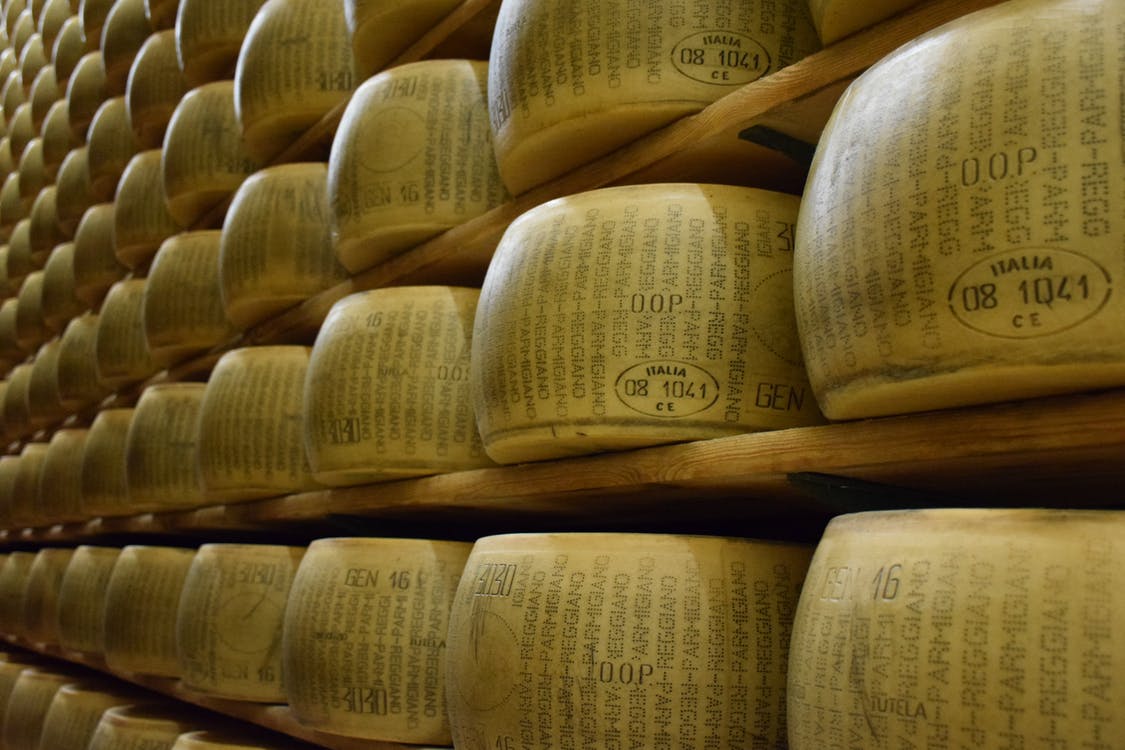
Regional flavor profiles in artisanal cheese-making arise from unique ingredients and traditional techniques that reflect the terroir of each locale. Cheeses like Roquefort and Parmigiano-Reggiano exemplify the result of raw milk fermentation and time-honored aging processes. These artisanal methods allow cheese-makers to produce small batches, ensuring each cheese retains its distinct local character.
The Protected Designation of Origin (PDO) status is crucial for safeguarding these regional flavors. It ensures that cheeses like Brie de Meaux and Pecorino Romano are crafted using strict traditional methods, preserving their unique tastes and cultural heritage. Many artisan cheese-makers enhance their offerings by incorporating local herbs or spices, creating signature varieties that mirror their region's agricultural bounty.
The aging process, ranging from weeks to years, significantly influences the texture and flavor of these cheeses. This diverse aging spectrum caters to varied palates, allowing exploration of the rich tapestry of regional flavor profiles in artisanal cheese-making. Each bite tells a story of place, tradition, and craftsmanship, making cheese festivals vibrant celebrations of these unique creations.
Sustainable Production Practices
Sustainable production practices in cheese-making enhance flavor while supporting local ecosystems and communities. By choosing artisanal cheeses, you are selecting a product crafted with care and a focus on sustainability. Many artisanal cheese-makers employ traditional methods, such as hand-ladling curds and using natural rennet, which contribute to the unique textures and flavors. These techniques also demonstrate a commitment to sustainable practices that benefit both the environment and local agriculture.
Key aspects of sustainable cheese-making include:
- Local Sourcing: Ingredients are sourced from nearby farms, reducing transportation emissions.
- Raw Milk Utilization: Using raw or minimally processed milk enhances nutritional quality while honoring traditional practices.
- Waste Minimization: Implementing strategies to reduce waste throughout the production process.
Role in Culinary Tourism
Cheese festivals significantly boost culinary tourism by attracting visitors eager to explore local flavors and traditions. Events like the National Cheese Festival in the UK and the famous Cheese Rolling in Gloucester highlight regional specialties and the cultural importance of local cheese-making practices. Attending a cheese festival offers more than just tastings; it immerses you in a vibrant celebration of culinary heritage.
Participants often engage in workshops and farm tours, deepening their appreciation for artisanal techniques and the stories behind each cheese. This interaction enriches understanding of local food culture and fosters a sense of community among attendees and producers.
The rise of social media and food blogging has further amplified the visibility of these festivals, drawing tourists excited to discover unique cheese varieties and regional specialties. Consequently, cheese festivals not only boost local economies through increased sales for artisans but also create memorable experiences that connect you with the area's rich traditions and flavors. By participating, you contribute to the preservation and celebration of culinary tourism.
Community Engagement and Pride
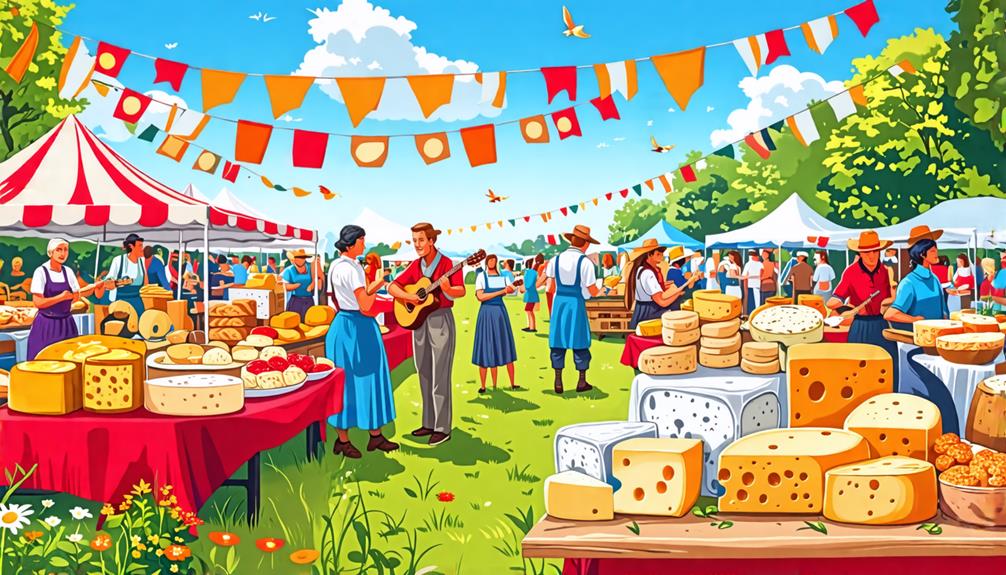
Cheese festivals celebrate local heritage and strengthen community bonds through shared experiences. These events highlight regional identity, allowing you to connect with others who take pride in the unique flavors and traditions of your area. By participating, you're not just enjoying cheese; you're actively engaging in a vibrant cultural tapestry that brings everyone together.
Celebrating Local Heritage
Local cheese festivals not only showcase regional specialties but also foster a sense of pride and connection among community members. These events serve as vibrant platforms that celebrate local heritage, connecting you with the rich cultural tapestry of your area. By highlighting traditional cheese-making techniques and regional varieties, you engage with history while enjoying delicious creations.
Participatory activities at these festivals deepen your connection to local customs. Consider the following aspects:
- Cheese competitions: Cheer for local artisans as they showcase their skills.
- Workshops: Gain hands-on experience and learn about the art of cheese-making.
- Tastings: Sample local cheeses to appreciate unique flavors and textures.
Strengthening Community Bonds
Cheese festivals serve as vibrant hubs of community engagement, where residents and visitors unite to celebrate shared traditions and strengthen social ties. These events, like the famous Cheese Rolling in Gloucester, are not only entertaining but also reinforce community identity through collective participation.
Local artisans and cheese-makers showcase their products, fostering economic connections and cultivating a sense of loyalty and pride among residents. The intergenerational nature of these festivals enriches the experience, as families and friends gather to share stories and create lasting memories.
The celebratory atmosphere encourages volunteerism, allowing community members to collaborate and build relationships, thereby enhancing the sense of belonging. Ultimately, cheese festivals are a powerful reminder of the importance of community bonds, where traditions like Cheese Rolling bring people closer and fortify the social fabric of the locality.
Enhancing Regional Identity
Cheese festivals enhance regional identity by showcasing unique cheese varieties and traditional production methods, instilling pride among residents. These events celebrate local agricultural products and connect you to cultural traditions that have shaped your community. Participating in them fosters a sense of belonging and appreciation for your heritage.
Consider these benefits of attending cheese festivals:
- Showcase of Local Talent: They highlight the skills of local cheesemakers, emphasizing the craftsmanship behind each unique flavor.
- Cultural Significance: Events like the National Cheese Festival and Gloucester Cheese Rolling connect you with ancestral practices, reinforcing the importance of these traditions.
- Community Engagement: You interact with diverse attendees, fostering social cohesion and shared experiences that strengthen community bonds.
Ultimately, cheese festivals create a festive atmosphere that enhances local identity, allowing you to celebrate not just the cheese, but the rich cultural fabric it represents.
Cheese Competitions and Events
Cheese competitions and festivals celebrate culinary creativity and strengthen community connections. Events like the Cheese Rolling in Gloucestershire draw large crowds as participants chase a 9-pound wheel of cheese down a hill, highlighting community spirit and fun. Similarly, traditional competitions such as Tiro al cacio in Italy showcase participants' skills and emphasize cheese's cultural significance.
Many cheese competitions take place during renowned festivals, like the National Cheese Festival in the UK, which highlights regional varieties and artisanal cheese-making techniques. These events foster pride in local agricultural practices and create a sense of belonging. Attendees can enjoy tastings, workshops, and educational activities, deepening their understanding of various cheese types and the complexities of cheese production.
Furthermore, these events play a crucial role in boosting local economies. They attract tourists, promote regional specialties, and enhance community engagement through shared culinary experiences. By participating in these events, you indulge your palate and contribute to a vibrant community tradition that celebrates the art of cheese-making.
Global Cheese Varieties and Traditions
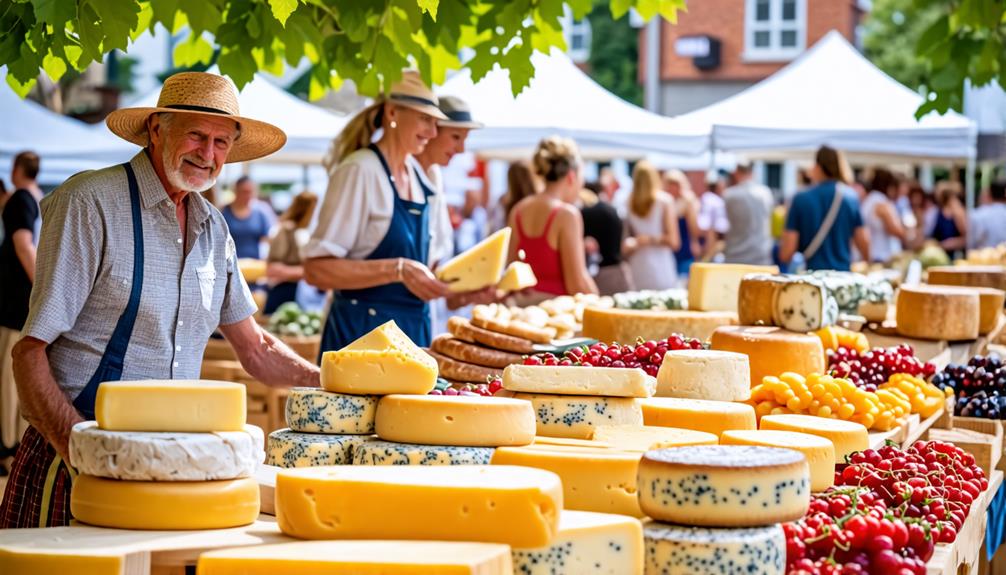
Exploring global cheese varieties offers a rich tapestry of flavors and traditions that reflect the unique cultural heritage of each region. Each type of cheese tells a story, from the rolling hills of France to the sun-soaked pastures of Italy. The nuances of each cheese are closely intertwined with local customs and history.
Consider some of these iconic global cheese varieties:
- French Brie: A soft cheese with a creamy texture, often enjoyed with crusty bread.
- Italian Parmigiano-Reggiano: Known for its rich, nutty flavor, it plays a vital role in Italian cuisine, especially in pasta dishes.
- English Cheddar: This smooth, tangy cheese has evolved from a farmhouse staple to a gourmet delight, showcasing complex flavor profiles.
These global cheese varieties enhance culinary experiences and celebrate the pride and craftsmanship of their respective cultures. Participating in cheese festivals can deepen your appreciation for these traditions and the artistry behind cheese-making.
Future of Cheese Festivals
The future of cheese festivals promises exciting changes as they embrace sustainability and creative experiences for attendees. Expect increased focus on sustainable practices to minimize waste and support local agriculture. Many festivals will highlight regional varieties, showcasing the unique flavors and heritage of local cheese-making traditions, enriching your tasting experience.
Moreover, cheese festivals are likely to adopt virtual and hybrid formats, allowing participation from anywhere in the world. Live-streamed tastings and online workshops will connect cheese lovers globally. As culinary tourism grows, these festivals will transform into immersive experiences, blending cheese tasting with local culture, cuisine, and history.
Social media will play a significant role. Cheese festivals will utilize digital marketing strategies to engage you in real time, sharing experiences and promoting local artisans and featured products. With these innovations, cheese festivals will not only celebrate cheese but also foster community, sustainability, and a deeper appreciation for the craft. You're in for an exciting adventure that elevates your cheese experience!
Conclusion
In summary, cheese festivals are more than just enjoyable events; they celebrate local culture and foster community pride. By showcasing artisanal craftsmanship and traditional techniques, these festivals enrich the culinary landscape and strengthen cultural identity. They also boost local economies and promote community engagement. Exploring the world of cheese at these festivals allows you to savor delicious flavors while connecting with the rich heritage and creativity that make these events truly special.