The Globalization of Artisan Cheese: Balancing Tradition and Innovation
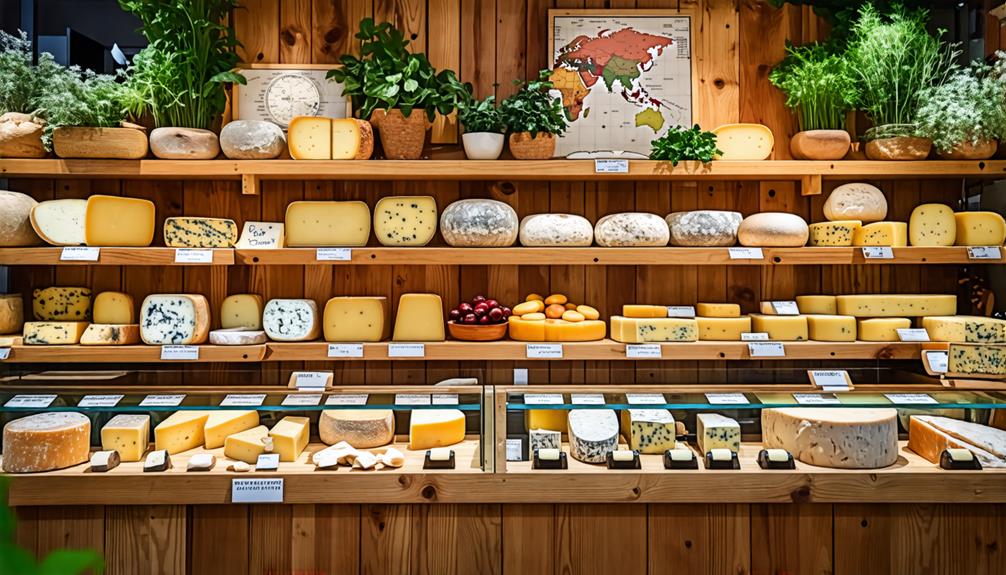
Artisan cheese is gaining global popularity, but have you considered the delicate balance that cheesemakers must maintain? They strive to preserve traditional methods while adopting new techniques to meet evolving consumer preferences. This tension between heritage and modernity raises important questions about authenticity and innovation. Reflecting on these challenges, it's fascinating to consider how this balance influences not only the cheese itself but also the broader culinary culture worldwide. What might the future hold for these artisans navigating the crossroads of tradition and change?
Origins of Artisan Cheese
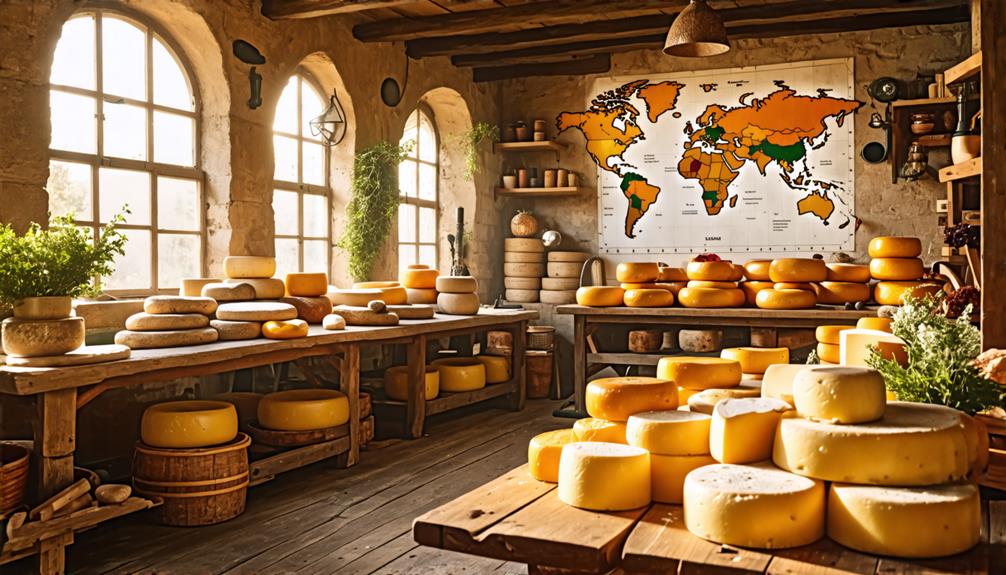
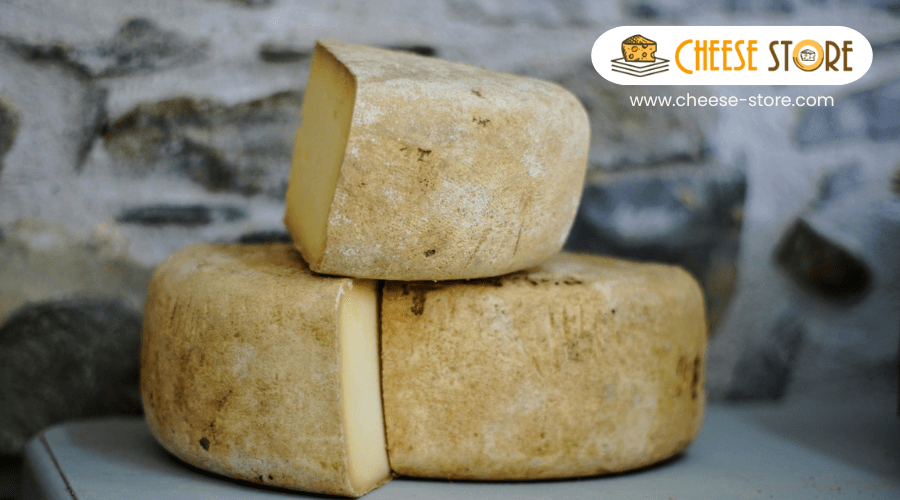
The artisan cheese movement in the United States began in the 1970s, driven by a growing demand for diverse, high-quality cheese options. As consumer preferences evolved, American cheesemakers started to explore artisanal cheeses that featured unique flavors and traditional techniques. Pioneers like Laura Chenel and Allison Hooper drew inspiration from European methods, laying the foundation for a new wave in the cheese industry.
These artisan cheesemakers faced the challenge of introducing their products to a market dominated by processed cheese varieties. They needed to educate consumers about the value of handcrafted cheese, emphasizing the craftsmanship and care involved in its production. This effort not only elevated the status of American cheese but also created an environment where female entrepreneurship thrived, as many women assumed leadership roles in this emerging sector.
Today, the American cheese industry is globally recognized for its distinctive artisanal cheeses, successfully competing with established European traditions. The movement continues to evolve, blending innovation with a deep respect for traditional food production methods, ensuring a promising future for artisan cheese in the culinary world.
Challenges in Artisan Cheesemaking
Navigating the artisan cheesemaking landscape today presents numerous challenges that can complicate the preservation of traditional practices. Balancing strict food safety regulations with heritage methods is often difficult, as these regulations may conflict with traditional values, compelling you to innovate in ways that may feel inauthentic.
Consumer trends add another layer of complexity. While there is increasing demand for healthier cheese options, this can create unrealistic expectations for your production methods. Adopting modern techniques to ensure quality and safety might attract criticism from purists who prioritize authenticity.
Economic pressures further complicate matters, requiring you to balance profitability with the cherished traditions of cheesemaking. This often leads to varied approaches, drawing inspiration from local culture and family history. As the cheese market evolves, staying competitive demands constant adaptation and innovation. It's a challenging balance between embracing new practices and honoring the time-honored techniques that define the artisan cheesemaking legacy.
Market Dynamics and Consumer Trends
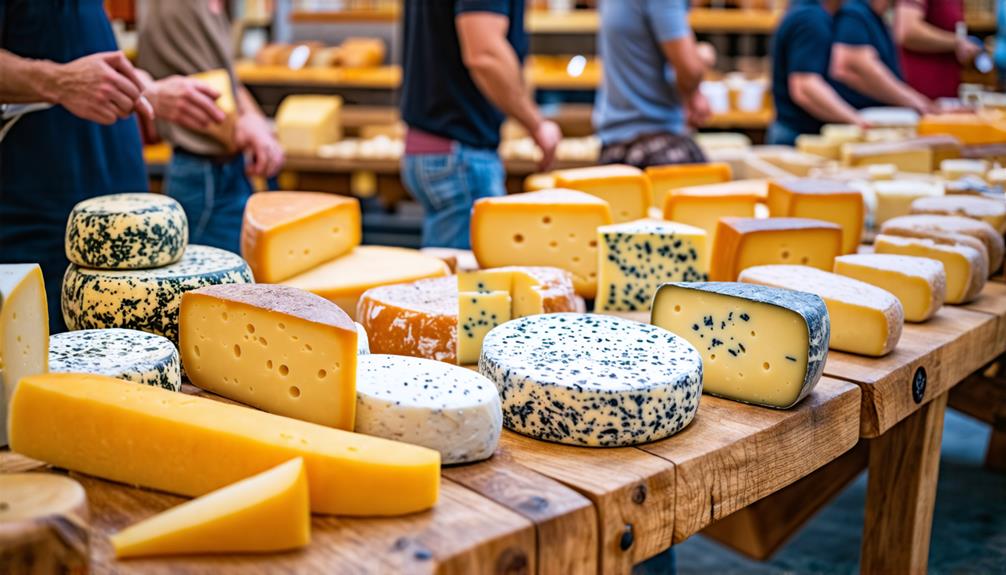
As consumers increasingly seek high-quality, artisanal cheeses, market dynamics are shifting to emphasize taste, authenticity, and ethical sourcing. The growing demand for artisan cheese has led many consumers to pay up to five times more for farmhouse varieties compared to industrial options. This trend underscores a preference for locally produced cheeses, with provenance and quality being critical factors in purchasing decisions.
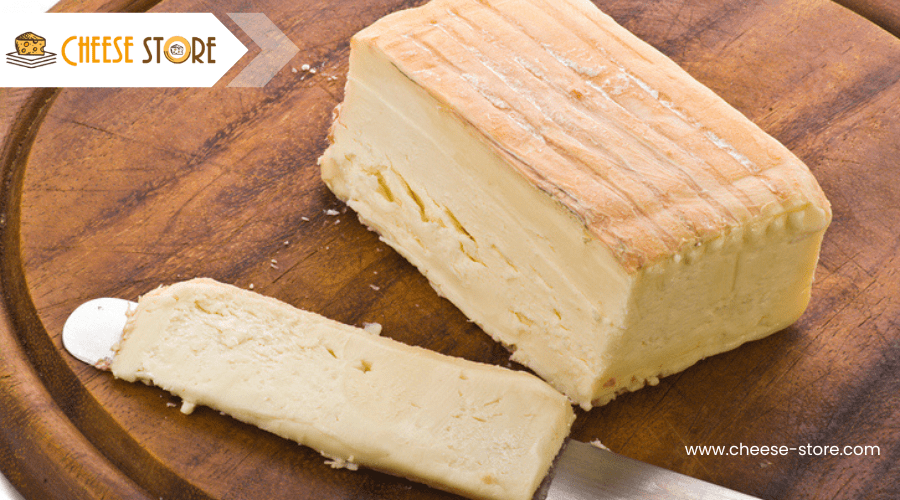
The rise of online and direct sales channels has strengthened customer connections and loyalty, promoting short supply chains and the use of high-quality raw ingredients in cheese production. Additionally, there is a notable diversification of cheese varieties, with American consumers showing a keen interest in international flavors such as French Camembert and Spanish Manchego. This curiosity reflects a broader culinary exploration, driving demand for unique experiences.
Increased awareness of food quality has also shifted consumer preferences towards organic and sustainable products, including reduced-fat and no-salt cheese options. The market is also adapting to the growing popularity of plant-based cheeses, aligning with the trend toward diverse dietary choices within the artisan cheese sector. These dynamics indicate a vibrant and evolving cheese market, responsive to changing consumer demands and preferences.
Tradition Versus Innovation
Balancing tradition with innovation is essential for artisan cheesemakers who aim to meet evolving consumer preferences while preserving their heritage. Navigating this complex landscape requires a focus on sustainability and authenticity. While you may adopt cutting-edge practices to enhance product quality, maintaining the essence of tradition is crucial. This dynamic interplay necessitates continuous adaptation, balancing what is essential with what can be modified.
Here's a concise overview of how tradition and innovation can coexist in your cheesemaking practice:
| Aspect | Tradition | Innovation |
|---|---|---|
| Methods | Time-honored techniques | Advanced technology |
| Consumer Expectations | Authentic, local flavors | Unique, diverse offerings |
| Sustainability | Local sourcing | Efficient production methods |
| Authenticity | Heritage recipes | New flavor profiles |
| Adaptation | Preserving ancient practices | Adjusting to market demands |
Certain traditional practices are indispensable, whereas others can evolve, enabling you to thrive in a competitive market. Striking this balance allows you to create cheeses that honor your heritage while appealing to contemporary consumers.
Future of Artisan Cheese
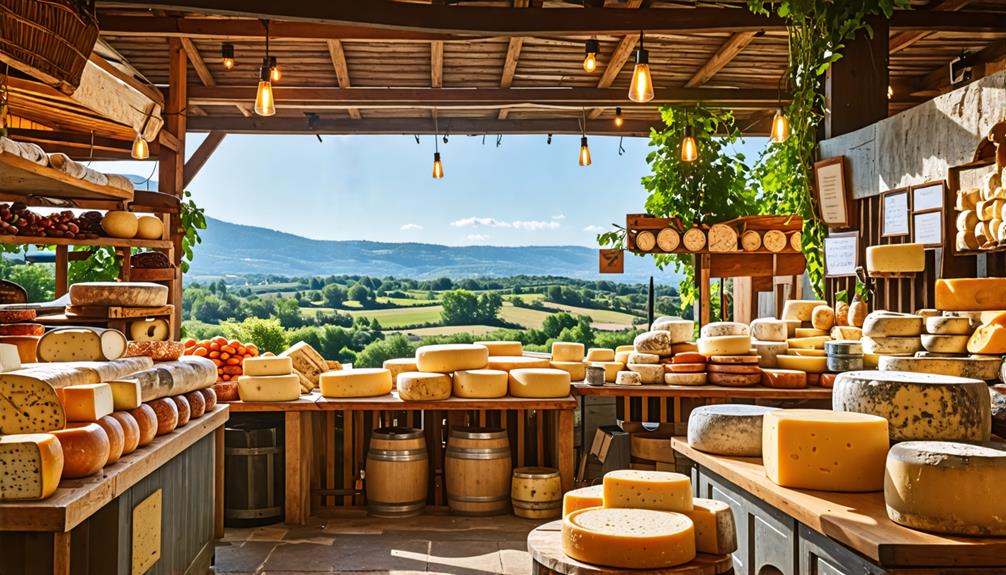
The future of artisan cheese promises exciting developments driven by creativity and a growing demand for sustainable, health-conscious options. Consumer preferences are shifting toward reduced-fat and organic cheeses, compelling producers to adapt and create healthier varieties. American artisan cheeses are gaining global recognition, enhancing opportunities for exports and showcasing unique local products. There is a rising demand for locally produced artisan cheeses, driven by an interest in provenance and quality, which also supports local economies.
Technological advancements will enhance production processes while preserving traditional methods. Innovations like precision-controlled aging and automated milking systems will ensure consistency and quality, appealing to modern consumers. The market is also likely to see an influx of original products, including cheese alternatives and probiotic-enriched cheeses, reflecting broader dietary trends. This shift caters to diverse palates and underscores the industry's commitment to sustainability. As these changes unfold, artisan cheese will continue to adapt to evolving tastes and preferences, making it an exciting time for cheese lovers everywhere.
Conclusion
In conclusion, the globalization of artisan cheese is an exciting journey that harmonizes tradition with innovation. By exploring various flavors and techniques, you can observe how cheesemakers cater to consumer preferences while honoring their heritage. Embracing sustainability and technology, they are not only preserving their traditions but also shaping the future of cheesemaking. Your appreciation for artisan cheese will grow, knowing each bite embodies a rich history and a dedication to ongoing development.