The History and Revival of Ancient Cheese-Making Techniques
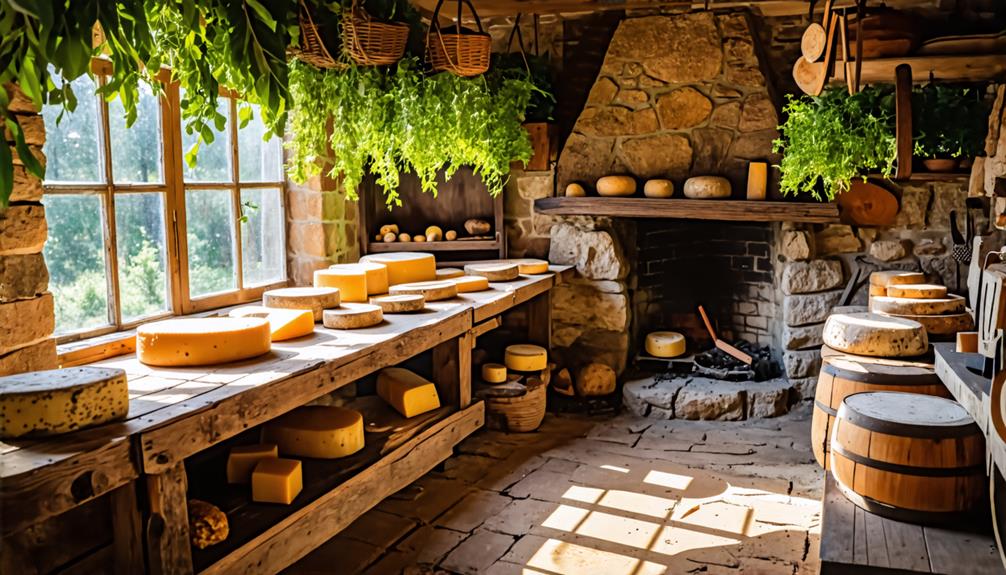
Cheese-making, with roots tracing back to 8000 BCE, has significantly shaped culinary traditions across various ancient cultures. From the Egyptians to the Greeks, each society contributed its unique techniques, leading to the diverse varieties we enjoy today. However, industrialization led to the decline of many traditional methods. Now, with a renewed focus on artisan techniques, people are rediscovering the craftsmanship behind cheese. This revival is driven by a growing appreciation for quality and authenticity, influencing modern cheese-making practices.
Overview of Cheese History
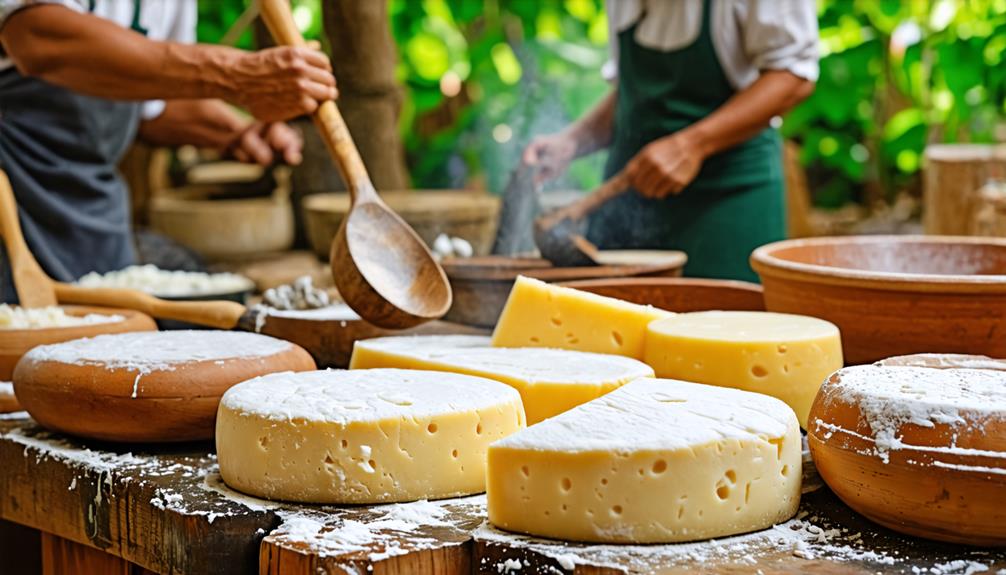
Cheese-making has a rich history dating back to around 8000 BCE, originating with the domestication of sheep in the Fertile Crescent. This ancient practice began with the accidental discovery of curdled milk, which laid the foundation for cheese as a beloved food. By 5500 BCE, the earliest evidence of cheese production appeared in Poland, marking the inception of artisan cheese-making traditions.
Ancient civilizations like the Egyptians and Greeks incorporated cheese into their diets, with cheese appearing in Egyptian murals around 2000 BCE and referenced in Greek mythology, underscoring its cultural significance. The Romans advanced cheese-making by introducing techniques for aging and preservation, which diversified the varieties of cheese across the empire.
During the medieval period, monasteries became centers for cheese-making innovation. Monks preserved traditional methods while developing new techniques, contributing to the diverse regional cheeses we recognize today. This historical journey highlights the enduring nature of cheese, connecting generations who have cherished this versatile food.
Origins of Cheese Making
The origins of cheese making trace back over 8,000 years to the Fertile Crescent, where the domestication of sheep and goats led to the discovery of curdled milk. This ancient practice began through a series of fortunate accidents and revelations, laying the groundwork for culinary traditions that persist today. Key points about those early days include:
- Excess Fresh Milk: Domestication produced a surplus of milk, prompting experimentation with storage and preservation.
- Curds and Whey: Early cheese makers likely discovered the transformation of milk into curds and whey after storing it in animal stomachs, which contain natural rennet.
- Traditional Methods: Ceramic strainers and woven baskets were essential for separating curds from whey, showcasing the ingenuity of ancient civilizations.
- Variety in Styles: Fresh cheeses similar to cottage cheese or feta emerged initially, influenced by local resources and climate.
These foundational techniques in cheese making reflect the ingenuity of early societies and demonstrate how traditional methods have shaped diverse cheese varieties that continue to delight palates worldwide.
Cheese in Ancient Cultures
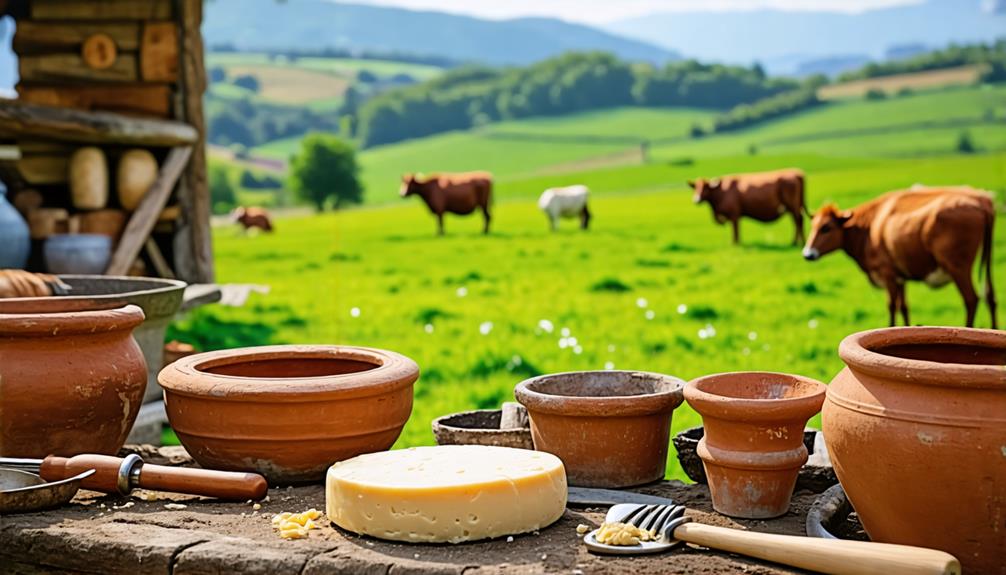
Cheese played a pivotal role in ancient cultures, serving as a vital component of social, economic, and ritualistic practices. Historical evidence indicates that cheese-making dates back to around 3000 BCE in Egypt, where murals depict its importance in both diet and rituals. The Greeks even credited the demi-god Aristaeus with the invention of cheese, underscoring its cultural significance.
In the Roman Empire, cheese was a dietary staple. Techniques such as aging and smoking were documented by authors like Pliny the Elder, leading to the creation of numerous artisan cheeses. In ancient Mesopotamia, cheese was a valuable commodity, frequently featured at banquets and used in trade, highlighting its economic importance.
Various civilizations developed unique cheese-making methods. For instance, nomadic tribes of the Sahara created distinct fermented dairy products, adapting to their local resources and environments. This rich history underscores cheese's integral role in ancient daily life and traditions, laying the foundation for modern cheese-making techniques.
Medieval Cheese Innovations
During the Medieval period, monasteries emerged as pivotal centers for cheese innovation. Monks in these monasteries developed unique recipes that greatly expanded the variety of cheeses available. Their dedication to the craft led to several advancements still appreciated today. Key contributions from this era include:
- Enhanced cheese aging processes, introducing new flavors and textures.
- Creation of regional specialties such as Roquefort and Gouda, utilizing local resources.
- Documentation and preservation of artisanal methods, ensuring the continuation of traditional techniques.
- Promotion of trade across medieval Europe, facilitating the exchange of cheese-making knowledge among communities.
These innovations diversified cheese production and laid the groundwork for future developments. Monks experimented with numerous techniques, resulting in unique textures and flavors that mirrored their environments. The emphasis on artisanal methods allowed for the creation of cheeses that catered to local tastes, enriching the culinary landscape. The legacy of medieval innovations continues to influence modern cheese artisans, underscoring the enduring impact of this period on contemporary cheese-making practices.
Impact of Industrialization
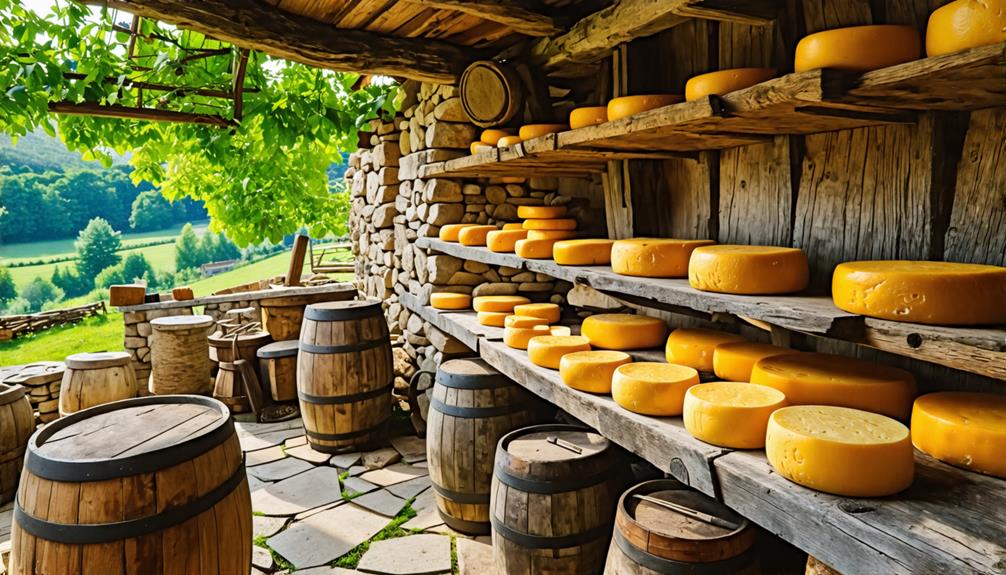
Industrialization revolutionized cheese-making by introducing mechanization and mass production. While this made cheese more widely available, it also presented challenges for artisan makers who prioritized quality over quantity. This shift significantly impacted the flavors, varieties, and essence of cheese craftsmanship.
Mechanization and Mass Production
With the advent of mechanization during the Industrial Revolution, cheese production underwent significant changes, enhancing efficiency and output while reshaping traditional methods. This shift toward industrial processes marked a pivotal moment in cheese-making and consumption. Key impacts include:
- The establishment of the first industrial cheese factory in Switzerland in 1815, which set the precedent for mass production.
- The standardization of pasteurization, which improved food safety but altered the distinctive flavors of traditional cheeses.
- The creation of processed cheese, which utilized emulsifiers and preservatives to reduce costs and extend shelf life.
- A shift in consumer preferences towards consistent and affordable products, contributing to a decline in artisan cheese varieties.
These developments increased production but reduced the diversity of available cheeses. The rise of mass production often prioritized uniformity over the unique characteristics traditional cheese-making offered. While mechanization and industrial techniques brought efficiency, they also led to the erosion of the artisanal qualities that had defined cheese production for centuries. Consequently, the market became dominated by industrial products, leaving many to long for the rich flavors and craftsmanship of traditional cheeses.
Artisan Challenges and Resilience
The rise of mass-produced cheeses posed significant challenges for artisan cheese makers, compelling them to innovate and adapt while striving to preserve their traditional craftsmanship. As industrialization advanced, many small producers faced intense competition from large-scale operations that prioritized uniformity and low prices, often at the expense of the unique flavors that define artisanal cheese.
Despite these hurdles, a renewed interest in high-quality, handcrafted products has emerged, driving consumers back to the roots of cheese-making. This shift has not only revived the appreciation for traditional techniques but also fostered a community that values sustainability and local sourcing.
A quick comparison of the impact of industrialization on cheese production highlights the differences:
| Aspect | Artisan Cheese Makers |
|---|---|
| Production Approach | Traditional cheese-making techniques |
| Flavor Profile | Unique flavors and diversity |
| Market Demand | Renewed interest in handcrafted cheeses |
The resilience displayed by artisan cheese makers underscores their commitment to preserving their craft. Their adaptability has enabled them to navigate the challenges posed by industrialization while keeping their heritage alive.
Quality Over Quantity Focus
The shift from traditional cheesemaking to mass production has often prioritized quantity over the rich flavors and unique textures inherent in artisanal products. This industrial approach has significantly altered the cheesemaking landscape, impacting both producers and consumers. Here are four key reflections:
- Loss of Craftsmanship: The rise of industrial cheese factories has diminished the skills and knowledge associated with traditional techniques.
- Flavor Compromise: The use of pasteurization and preservatives often sacrifices the unique flavors that characterize traditional cheeses.
- Consumer Preferences: Processed cheeses gained popularity due to their convenience, diverting consumer focus from quality and authenticity.
- Revival of Artisan Cheeses: In response, there's a growing movement towards artisan cheeses that emphasize quality, local ingredients, and rich history.
This renewed appreciation for traditional cheesemaking underscores the importance of prioritizing quality over quantity. By choosing artisan cheeses, consumers support a vibrant culture that values craftsmanship and rich flavors.
Revival of Artisan Techniques
The revival of artisan cheese-making techniques has surged, driven by an increasing demand for authentic, handcrafted products that prioritize quality. This resurgence began in the late 20th century as consumers shifted away from mass production towards traditional methods. Dedicated artisan cheese makers today often use ancient recipes involving raw milk fermentation, natural rennet, and aging in cheese caves—practices that have endured through the ages.
Farmers' markets and specialty cheese shops play a crucial role by connecting small producers with a broader audience eager to explore diverse cheese types. Many of these artisans emphasize local ingredients, which not only enhance flavor profiles but also support sustainable agriculture and regional economies. Investigating these unique cheeses reveals stories of dedication to preserving cultural heritage.
This movement not only highlights the beauty of traditional cheese-making but also fosters the recognition of specific varieties as cultural treasures. By embracing these artisan techniques, you are not just enjoying cheese; you are participating in a movement that values quality, tradition, and sustainability.
Modern Cheese Trends
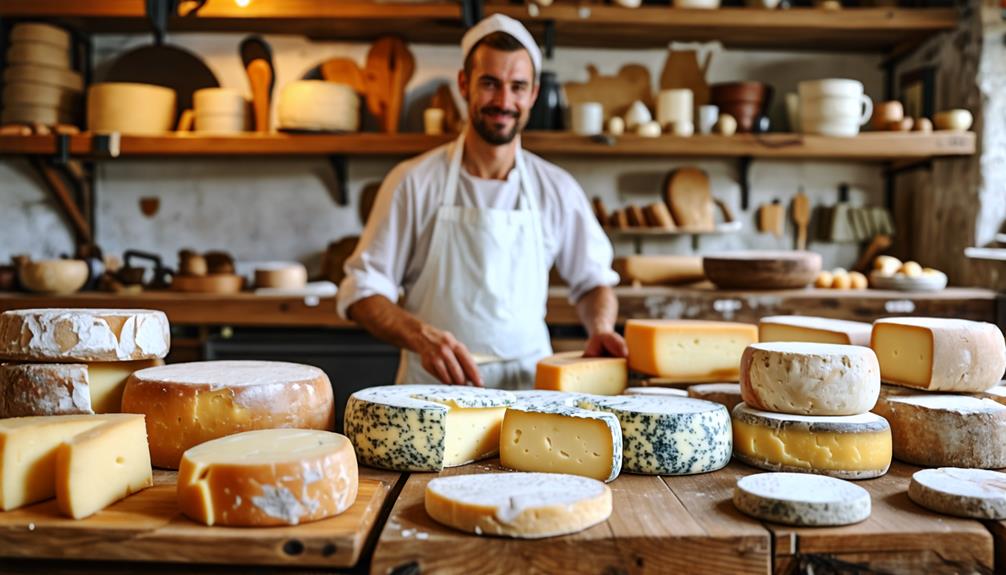
Artisan cheese production is on the rise, with makers focusing on handcrafting unique varieties using local ingredients. Sustainable practices are becoming increasingly important, as consumers seek out cheeses made with environmentally friendly methods. This trend not only revitalizes traditional techniques but also enhances the overall cheese experience.
Artisan Cheese Resurgence
In recent years, a remarkable revival in cheese-making has captured the attention of consumers who are enthusiastic about authentic, handcrafted flavors that celebrate traditional methods. This resurgence in artisan cheese not only highlights unique flavors but also emphasizes the importance of quality and craftsmanship. Key trends driving this movement include:
- Local Ingredients: Cheese makers are increasingly sourcing high-quality, locally produced ingredients, ensuring fresher flavors and supporting local economies.
- Heritage Breeds: Many artisans are reviving heritage breeds of livestock, which contribute to distinctive milk flavors and promote biodiversity.
- Sustainable Practices: There's a growing emphasis on sustainable practices, allowing cheese makers to minimize their environmental impact while producing exceptional products.
- Traditional Techniques: A renewed appreciation for traditional cheese-making techniques is evident, as artisans pass down ancestral knowledge and skills through generations.
Contemporary artisan cheeses like Roquefort, Manchego, and Mozzarella di Bufala showcase the cultural significance of cheese in modern culinary practices. Exploring these unique offerings uncovers the rich tapestry of flavors that artisan cheese brings to the table, making each bite a celebration of heritage and craftsmanship.
Sustainable Production Practices
The focus on artisan cheese has naturally led to a heightened interest in sustainable production practices that prioritize environmental health and ethical farming methods. Many cheese makers now emphasize using local, organic ingredients, thereby reducing carbon footprints and supporting regional economies.
By adopting renewable energy sources like solar and wind power, producers minimize their environmental impact during production. Sustainable water management techniques, such as rainwater harvesting and wastewater recycling, further conserve this essential resource. Another notable trend is the revival of heritage breeds of dairy animals. These breeds are often more resilient and better suited to local environments, which promotes biodiversity and healthier ecosystems.
Consumers are increasingly seeking cheeses that adhere to ethical practices, such as pasture-based farming and the humane treatment of animals. This reflects a growing awareness of sustainability in food choices, fostering a deeper connection between people and the sources of their food. By choosing cheese produced with these sustainable practices, you're not just enjoying exceptional flavors; you're also supporting a more responsible and sustainable food system.
Cultural Significance of Cheese
Cheese holds significant cultural value across various civilizations, acting as more than mere sustenance but also as a symbol of wealth, status, and community. Here are four key aspects of cheese's cultural role:
- Ancient Egypt: Cheese was a dietary staple and was often involved in religious ceremonies, underscoring its importance in both social and spiritual realms.
- Trade: Historically, cheese has been a valuable commodity, frequently featured in banquets and gatherings, highlighting its role in social interactions and commerce.
- Cheese-Making Diversity: Different cultures have developed unique cheese-making techniques influenced by regional factors such as climate and available milk sources, resulting in a wide variety of flavors and textures.
- Community Bonding: Cheese is often shared during celebrations or everyday meals, fostering connections among people and creating bonds through shared culinary experiences.
Understanding the cultural significance of cheese reveals how it transcends mere nourishment. It reflects history, community, and the richness of human connection, making it a timeless ingredient that continues to shape societies today.
Future of Cheese Making
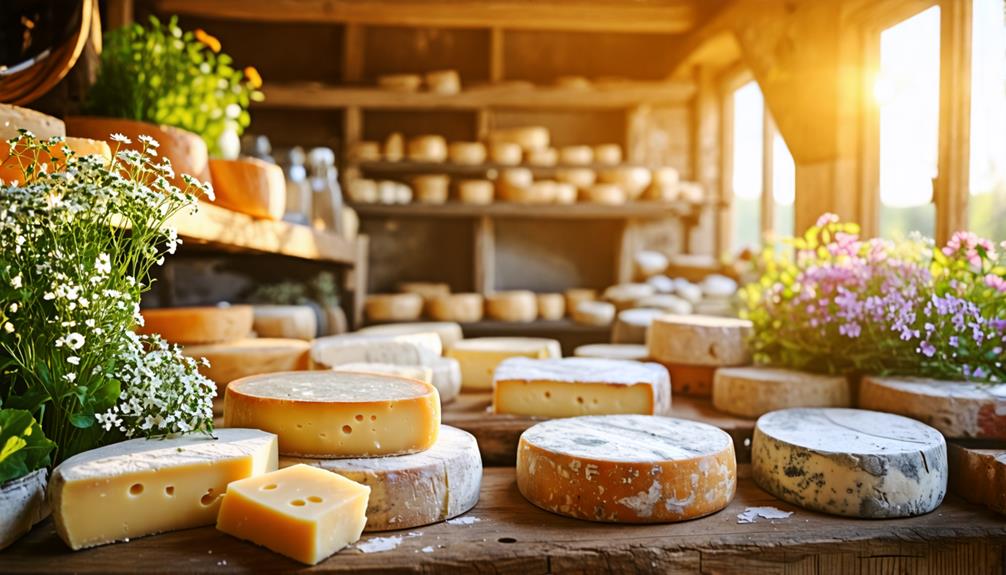
As cheese continues to play a crucial role in cultural traditions, its future is set to embrace sustainability and innovation in production methods. Emphasis on sustainable practices, such as utilizing renewable energy and reducing waste, will help minimize the environmental impact of cheese production. This shift will not only benefit the planet but also enhance the quality of the artisan cheeses you enjoy.
The resurgence of traditional cheese-making is fueled by consumer interest in local, high-quality products. As you explore these small-scale creations, you'll gain an appreciation for the craftsmanship involved. Advances in fermentation techniques and microbial cultures will further enhance flavors and safety, ensuring that each bite is both delicious and reliable.
Innovative technologies, like precision fermentation, are paving the way for new cheese varieties, catering to dietary needs such as lactose intolerance and plant-based preferences. Education and awareness programs will connect you to the rich cheese culture, preserving traditional skills for future generations. As you engage with the evolving cheese landscape, you'll find that the future of cheese making is bright, blending time-honored practices with modern advancements.
Conclusion
As you explore the rich history and revival of ancient cheese-making techniques, you'll discover how these methods connect us to our past. The combination of tradition and innovation in modern artisan cheese-making not only honors cultural heritage but also promotes sustainability. By celebrating local ingredients and craftsmanship, you become part of a movement that values quality over mass production. Embrace this journey, and let each bite of cheese remind you of the stories and traditions that shaped it.