The History of American Cheese

American cheese has become a staple in households and restaurants across the country. It is known for its versatility and long shelf life, and it has also become a common choice in many recipes. To learn more about the origins of this particular type of cheese, here is the history of American cheese.
Early Beginnings (1600s-1800s)
The early history of American cheese began when European settlers brought their cheese-making traditions to the New World. In the 1600s, these settlers, especially from England, started making cheese using methods they had learned back home. Cheese was a staple food during this time because it was easy to store and provided essential nutrients for the growing population.
Throughout the 1700s, American farmers began to produce their own cheeses, often mimicking popular European varieties such as Cheddar. These homemade cheeses were essential in the colonial diet, especially in rural areas where dairy farming was common. Cheese production was usually done on a small scale, with farmers making it for their own families or for sale at local markets.
By the early 1800s, cheese-making had become more organized in the United States. Farmers began to expand their production to meet growing demand, and cheese started to play a bigger role in the American economy.
The Rise of Processed Cheese (Late 1800s)
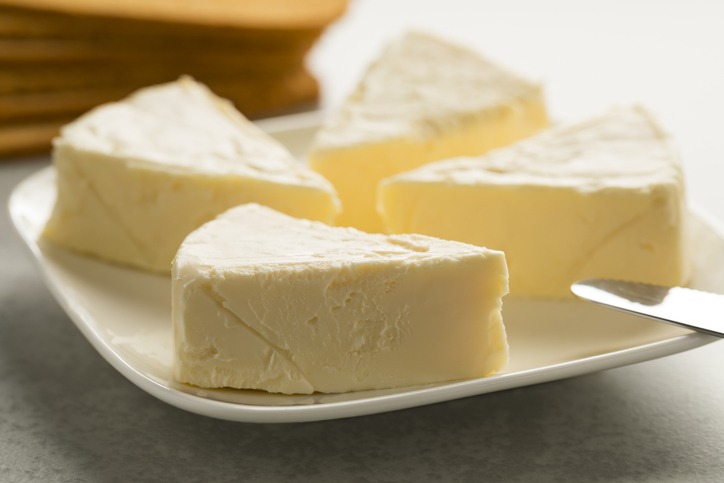
In the late 1800s, the rise of processed cheese began as a response to the challenges of preserving natural cheese. Cheese makers were looking for ways to extend the shelf life of cheese, which would often spoil before it could be fully consumed. This led to the development of new techniques that involved heating and blending different types of cheese to create a more stable product.
One of the early pioneers of processed cheese was Emil Frey, a Swiss immigrant who worked in Monroe, New York. In 1918, he created Velveeta, a product designed to melt easily and last longer than traditional cheese. Velveeta quickly became popular for its convenience and affordability.
James L. Kraft and Modern American Cheese (Early 1900s)
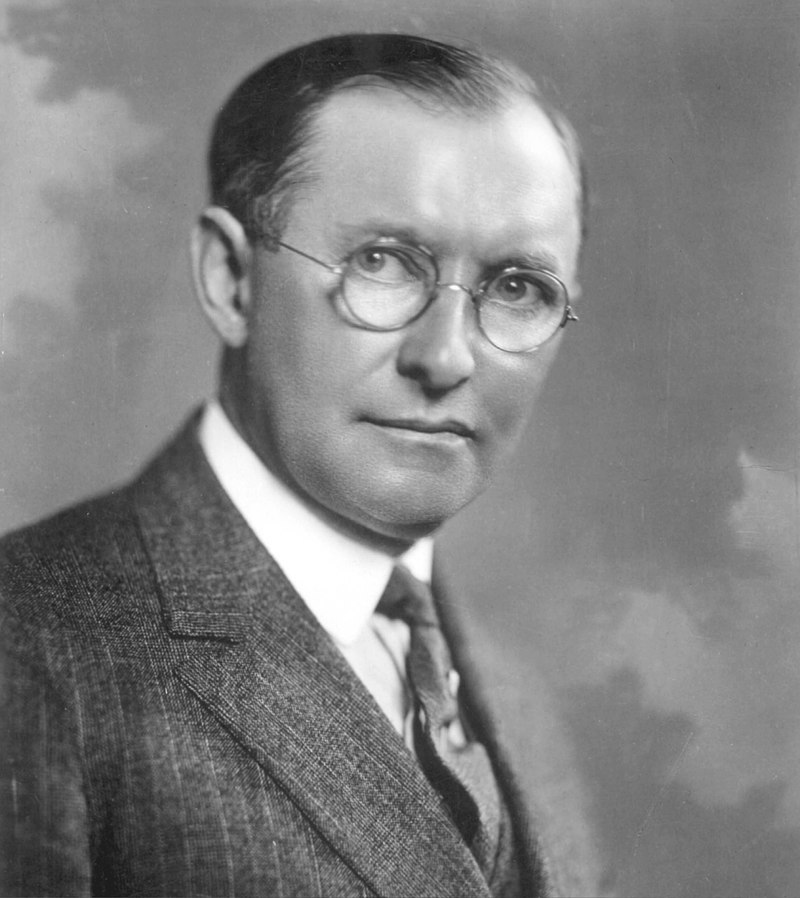
In the early 1900s, James L. Kraft played an important role in changing the way Americans consumed cheese. Kraft, a Canadian-born entrepreneur, moved to Chicago in 1903 and began selling cheese door-to-door. He soon realized that traditional cheese had a limited shelf life, often spoiling before it reached consumers. This problem led him to search for a solution.
In 1916, Kraft patented a process for pasteurizing cheese, which allowed it to be stored for longer periods without spoiling. This method involves heating the cheese to kill bacteria, which stops the aging process. Kraft’s invention made it possible to sell cheese in larger quantities, and it soon became a favorite among American consumers, especially during World War I when food preservation was crucial.
Kraft’s innovation didn’t just improve the quality of cheese; it also changed the cheese industry. By the 1920s, Kraft’s pasteurized cheese had become widely available in stores, and his company grew into a major producer of cheese products.
American Cheese in the Mid-20th Century
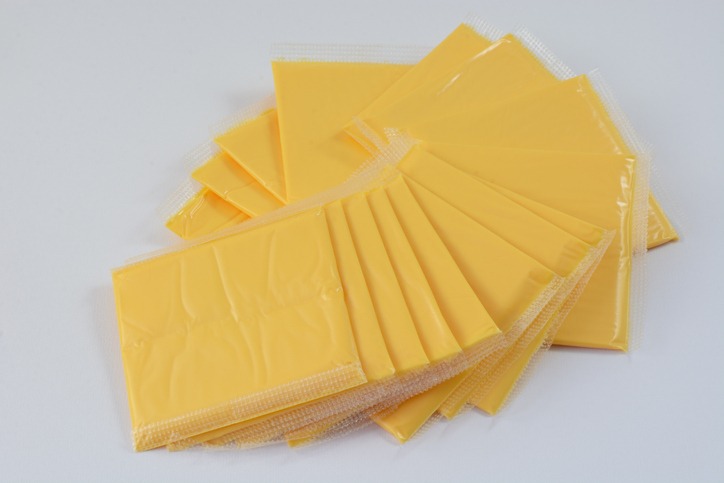
In the mid-20th century, American cheese became a household staple across the United States. The convenience and long shelf life of processed cheese made it a favorite in homes, schools, and restaurants. By the 1950s, Kraft had introduced pre-sliced and individually wrapped cheese, which made it even easier for consumers to use and consume.
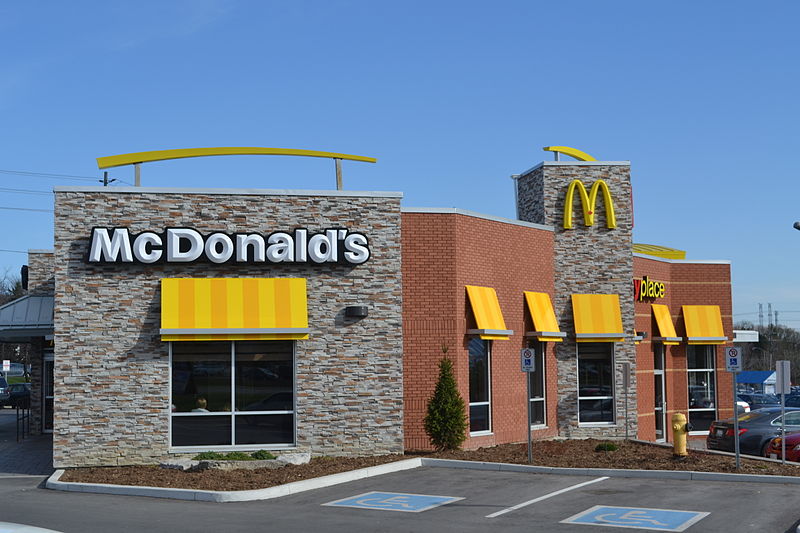
During this time, American cheese found its place in the growing fast food industry. Restaurants like McDonald’s, which was founded in 1940, began using processed cheese in their famous cheeseburgers. The uniform melting and mild flavor of American cheese made it an ideal choice for fast food menus.
American cheese also became a common item in school lunch programs. In 1946, the National School Lunch Act was passed, which included provisions for providing cheese as part of nutritious meals for children. This led to the widespread use of processed American cheese in public schools across the country.
Criticism and Competition (Late 20th Century)
By the late 20th century, American cheese faced growing criticism and increased competition. Concerns about processed foods began to rise in the 1970s and 1980s as consumers became more health-conscious.
Many people started to question the ingredients in processed cheese, with additives and preservatives being inspected more closely. Critics argued that processed cheese was not as natural or nutritious as traditional cheese varieties.
In 1982, the Center for Science in the Public Interest published a report that highlighted the high sodium and fat content in many processed cheeses. This report brought more attention to the nutritional drawbacks of processed cheese products like Kraft Singles and Velveeta. As a result, some consumers began turning to more natural and organic cheese options that were marketed as healthier alternatives.
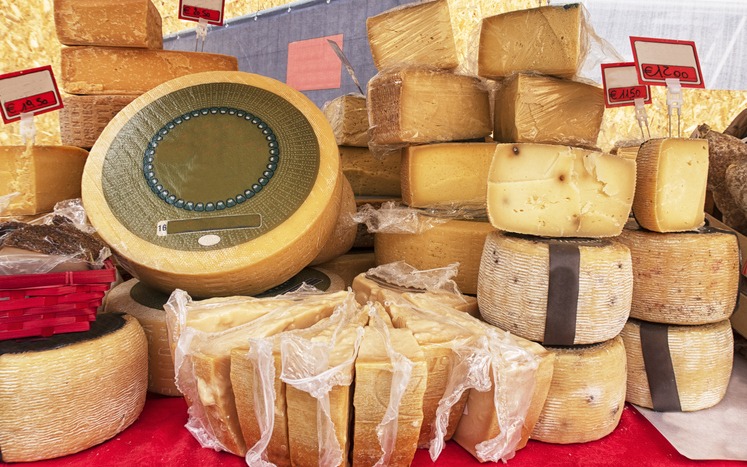
At the same time, artisanal cheese makers in the United States started gaining traction. By the 1990s, small-scale cheese producers were emerging across the country and offered high-quality cheeses made with fewer additives.
Companies like Cowgirl Creamery, founded in California in 1997, became known for producing cheeses using traditional methods. These cheeses often came with a higher price tag but appealed to consumers seeking more authentic and natural products.
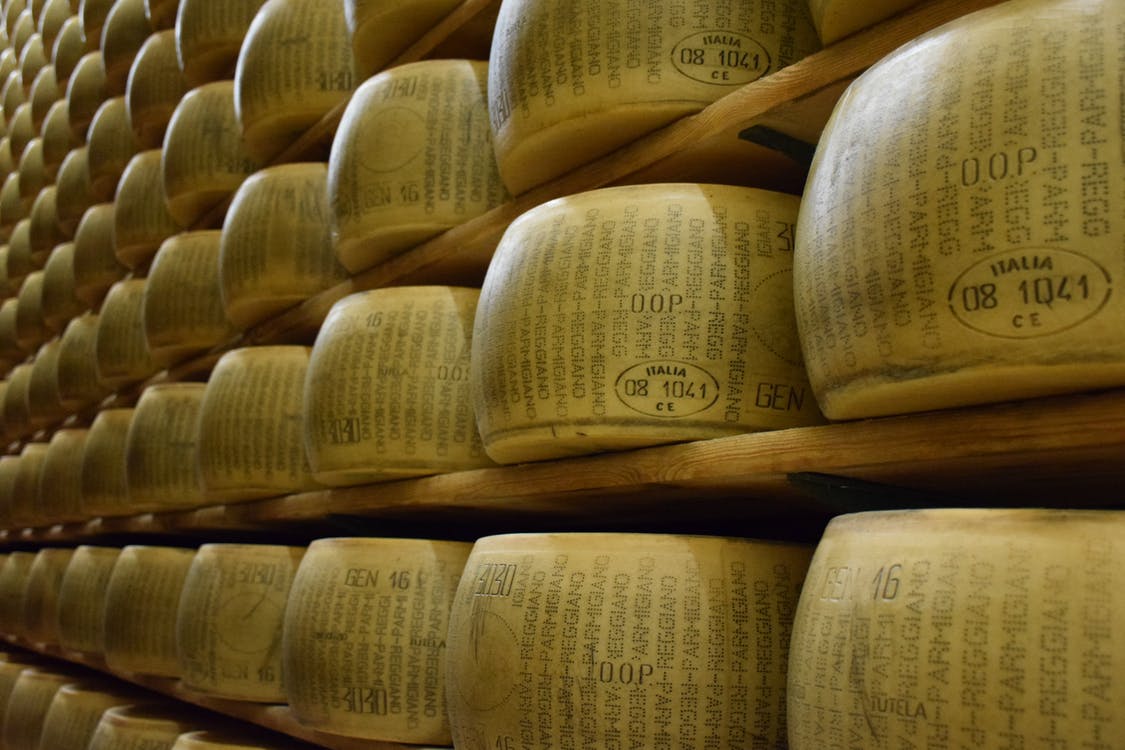
Competition also grew from the global cheese market. Imports of European cheeses, such as French Brie and Italian Parmesan, increased throughout the 1980s and 1990s. These cheeses offered a different experience from processed American cheese, as they drew in food enthusiasts who valued flavor and craftsmanship. As a result, supermarkets began expanding their cheese selections to include both domestic and international varieties.
Despite the criticism, processed American cheese maintained a strong presence in the market. It remained popular in fast food restaurants, especially in iconic items like cheeseburgers. McDonald’s, for example, continued to rely heavily on processed cheese in its menu.
By the end of the 20th century, the landscape of American cheese had changed. While processed cheese still dominated the market, it faced challenges from both health-conscious consumers and a growing variety of competitors.
American Cheese Today
While American cheese continues to be a popular choice for sandwiches and burgers, especially in fast food, the rise of artisanal and natural cheeses has given consumers more options. Nonetheless, processed cheese is still favored for its melting properties and convenience.