The Most Common White Cheese: What It Is & Why It’s Popular
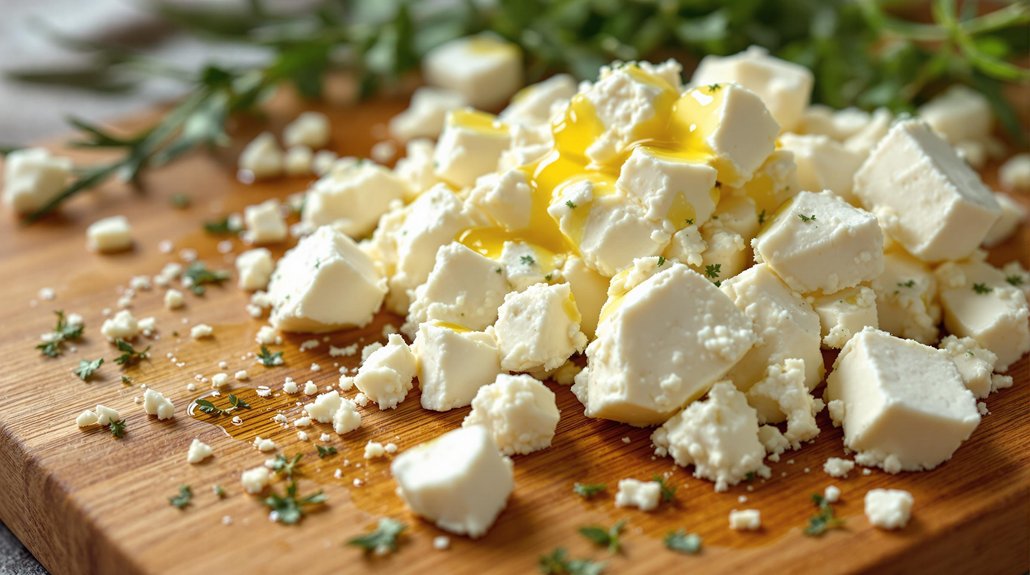
White cheddar stands as the most popular white cheese, offering a creamy texture and nutty, slightly tangy flavor profile. Unlike its orange counterpart, it contains no added colorants, showcasing its natural appearance that appeals to purists. You'll find it melts beautifully in mac and cheese, adds depth to sandwiches, and elevates charcuterie boards. Its versatility and authentic taste explain why this Somerset-originated cheese continues to dominate international markets.
The Versatility and Tradition Behind White Cheeses
White cheese encompasses a diverse family of cheeses from around the world, all sharing their characteristic pale appearance. When you're exploring cheese types beyond the familiar yellow Cheddar cheese, you'll discover numerous white varieties with distinct textures and flavors.
Queso blanco stands out for its simplicity in cheese production, requiring no bacterial cultures or rennet. You'll find it's incredibly versatile—eaten alone or sprinkled atop spicy Mexican dishes. Its popularity stems from both its ease of preparation and culinary adaptability.
Different regions have their own versions: Mexican cuisine features queso fresco, while Brazilian cuisine offers queijo branco, with Minas cheese being particularly prominent. These white cheese varieties differ greatly based on local traditions and preferences, though they all maintain their distinctive white color that sets them apart from aged, colored alternatives. Among Mexican white cheeses, Panela cheese belongs to the cottage cheese family and is prized for its smooth, mild taste.
Understanding White Cheddar: Origin and Characteristics
The most recognizable cheese in the world traces its roots to the quaint English village of Cheddar in Somerset. Unlike its orange counterpart, white Cheddar displays the natural color of the cheese, free from added colorants. You'll appreciate its nutty, slightly tangy flavor and smooth, creamy texture that develops during the careful aging process.
White Cheddar stands among different types of cheese as particularly versatile. It's often used in everything from grilled sandwiches to macaroni and cheese, while also elevating cheese platters. Many artisanal cheesemakers, including those producing Wisconsin Cheddar, craft premium white varieties that command respect for their quality. Cheddar's rich history extends back centuries, with Queen Victoria herself expressing great fondness for huge wheel presentations of this beloved cheese variety.
The next time you're selecting cheese, consider white Cheddar for both its authentic character and culinary flexibility.
The Natural Appeal: Why White Cheddar Retains Its Original Color
Unlike its vibrant orange counterpart, authentic white cheddar showcases its natural coloring, allowing you to experience cheese in its purest form. While orange cheddar contains annatto for that distinctive hue, white cheddar stands among the most honest types of cheeses made today.
You'll find that without artificial dyes masking its character, white cheddar delivers an unadulterated flavor profile that cheese enthusiasts appreciate. In different regions around the world, white cheeses—including those preserved in white brine—are celebrated for their authenticity.
Many consumers prefer white cheddar precisely because it represents artisanal quality and traditional craftsmanship. By choosing this natural version, you're enjoying cheese that hasn't been modified for visual appeal, but instead maintains its integrity from production to plate.
Flavor Profile: How White Cheddar Differs From Orange Varieties
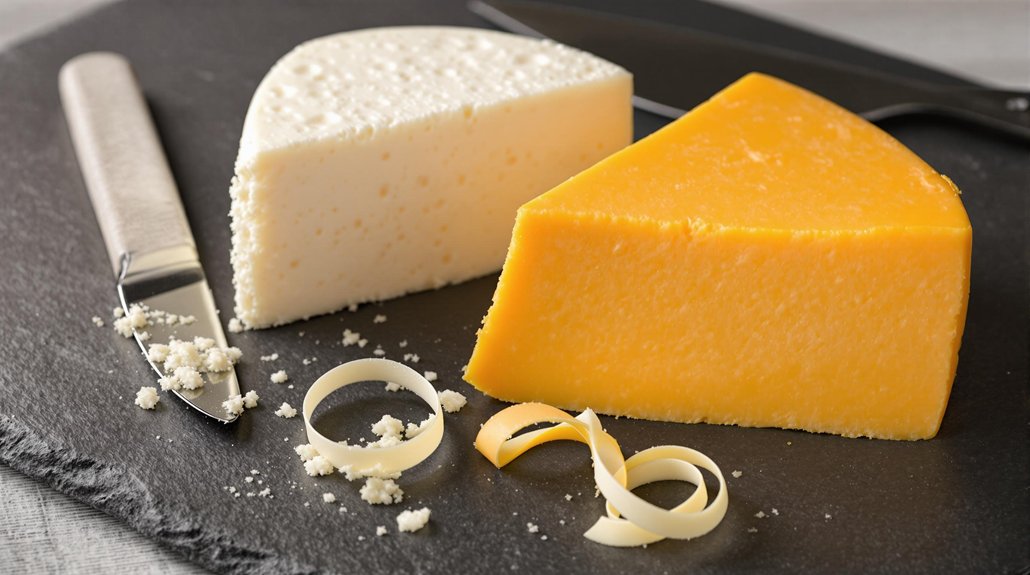
When comparing white and orange cheddar varieties, you'll immediately notice contrasting appearances, but their flavor profiles tell a more nuanced story. Despite common misconceptions, the taste difference between these popular cheeses isn't due to color, but rather perception.
White cheddar offers a more delicate, milder flavor profile that lets you appreciate the fresh cheese qualities more fully. Orange cheddar contains annatto coloring from the achiote tree, which doesn't alter taste despite its vibrant appearance. The natural appearance of white cheddar appeals to purists, while the traditional orange hue satisfies those seeking familiar visual cues.
Ultimately, your personal preference will guide your choice between these two varieties, as they undergo identical cheesemaking processes. The distinction lies primarily in aesthetics rather than actual flavor differences.
Versatility in the Kitchen: Popular Culinary Uses for White Cheddar
White cheddar's unassuming appearance belies its remarkable kitchen versatility, transforming everyday dishes into culinary standouts. Unlike pasta filata cheeses that stretch when heated, this semi-hard cheese melts smoothly into creamy sauces for mac and cheese or gratins without separation.
You'll find white cheddar used to make everything from breakfast frittatas to savory scones. Its mellow profile contrasts beautifully with spicy chili or hearty soups when grated on top. Unlike Bloomy Rind varieties, white cheddar maintains structural integrity when baked into casseroles.
Local varieties often utilize different aging processes and citric acid concentrations, creating subtle flavor variations perfect for customizing your culinary creations. Whether cubed in breakfast sandwiches or shredded over tacos, white cheddar offers endless possibilities for elevating everyday meals.
Global Popularity: White Cheddar's Place in International Cheese Markets
Cheese markets around the world have embraced white cheddar as a cornerstone product, with its sales figures climbing steadily over the past decade. The United States leads production, meeting global demand with high-quality exports that satisfy cheese lovers everywhere.
You'll find white cheddar's influence spanning continents:
- In Europe, it's aged meticulously to develop complex flavors that complement the region's culinary traditions
- Asian markets, particularly Japan and China, show rapidly increasing consumption as their taste for Western cheeses grows
- Across all regions, white cheddar's versatility and consistent flavor make it adaptable to diverse cuisines
This international appeal explains why white cheddar continues to dominate cheese markets worldwide, becoming a truly global dairy staple that transcends cultural boundaries.