The Rise of Insect-Enriched Cheese: Adding Protein and Flavor
Insect-enriched cheese is gaining attention in the culinary world. By adding protein-rich insects like crickets and mealworms, these cheeses not only boost nutritional value but also offer unique flavors that could transform your cheese experience. As sustainability becomes a pressing concern, the environmental advantages of these products are increasingly relevant. What does this mean for the future of food and your palate? The answers may surprise you, especially with the innovative culinary applications on the horizon.
Overview of Insect-Enriched Cheese
Insect-enriched cheese blends traditional cheese with protein derived from edible insects, such as crickets and mealworms, to create a nutritious and sustainable food alternative. Incorporating insect protein can boost the cheese's protein content to as high as 70%, significantly enhancing its nutritional value. This addition not only raises protein levels but also introduces unique flavors and textures, offering innovative culinary possibilities and gourmet experiences.
The sustainability of insect-enriched cheese is a key advantage. Insect farming utilizes significantly less land and water than conventional dairy farming, making it a more environmentally friendly option. As awareness of these benefits grows, consumer acceptance of insect-enriched cheese is increasing. Educational initiatives are highlighting the health benefits and environmental advantages, fostering a more favorable view of insect-based foods.
Various prototypes of insect-enriched cheese have shown acceptable sensory qualities, facilitating their entry into the market. These products can satisfy not only nutritional needs but also taste preferences. As culinary trends evolve, insect-enriched cheese emerges as a promising alternative that appeals to both health-conscious and environmentally aware consumers.
Nutritional Benefits of Insect Protein
Incorporating insect protein into cheese significantly enhances its nutritional profile. Insect protein offers a high protein content, ranging from 40% to 70% on a dry basis, comparable to traditional animal proteins in providing essential amino acids. This means you're not just enjoying a tasty cheese; you're also benefiting from substantial nutritional advantages.
Including insect protein in cheese can potentially increase its protein content by up to 86%. Edible insects like crickets and mealworms are also rich in vital minerals such as iron, zinc, and selenium, which are crucial for various bodily functions and overall health.
Opting for insect protein as an alternative protein source also benefits the environment. By reducing dependence on conventional livestock farming, you promote more sustainable practices. Exploring insect-enriched cheese allows you to indulge your palate while making a healthier choice for both your body and the planet. Embracing this innovative ingredient can result in a more nutritious and sustainable cheese experience.
Flavor Enhancements From Insects
When considering ways to enhance the flavor of cheese, insects might not be the first thing that comes to mind. However, incorporating insect protein can elevate your culinary experience by adding a richer umami profile and introducing novel flavor combinations. Additionally, these enhancements boost the nutritional value of the cheese, making it both more delicious and healthier.
Nutritional Profile Comparison
Incorporating insect flour into cheese not only increases its protein content but also introduces unique flavor profiles that enhance the overall taste experience. By using cricket flour or mealworm powder, the nutritional value of cheese can be significantly elevated. Insects contain up to 70% protein on a dry basis, making them a nutrient-dense alternative to traditional dairy ingredients.
Here's a detailed comparison of the nutritional benefits:
| Nutritional Component | Traditional Cheese | Insect-Enriched Cheese (10% Cricket Flour) |
|---|---|---|
| Protein | 25g | 28.2g |
| Iron | 0.5mg | 1.2mg |
| Zinc | 3mg | 4mg |
Adding just 10% cricket flour can result in a 12.7% increase in protein, along with significant improvements in vital micronutrients such as iron and zinc. Additionally, these sustainable practices help reduce the environmental impact associated with cheese production. Embracing insect-enriched cheese not only meets your nutritional needs but also supports a more sustainable food system.
Flavor Profiles and Pairings
Cricket flour imparts rich umami notes to cheese, enhancing its flavor and making it an excellent match for mature varieties like Parmigiano-Reggiano and Gouda. Incorporating cricket flour into cheese can significantly boost the protein content, with increases of up to 40%, thereby enriching its nutritional value while preserving the desirable taste and texture.
For an intriguing flavor profile, consider pairing cricket powder with herb-infused cheeses. This combination offers unique taste experiences that can elevate your cheese board and impress your guests. Consumers are increasingly open to these enhanced flavors, particularly when marketed for their distinctive taste and nutritional benefits.
Additionally, choosing insect-enriched cheese supports the growing interest in sustainable food options. By using insects, you not only explore creative flavors but also contribute to reducing the environmental impact of dairy production. Delving into the world of insect-enriched cheese reveals numerous pairings and profiles that highlight the versatility and potential of this sustainable ingredient. Embrace the future of cheese with exciting flavors and improved nutrition!
Culinary Applications in Cheese
Exploring the culinary applications of insect protein in cheese presents exciting opportunities for enhancing both flavor and nutrition. Incorporating cricket flour into cheese can elevate its flavor profile with delightful umami notes while increasing protein content by up to 30%, making the cheese a more nutritious choice.
Consider these benefits of insect-enriched cheese:
- Enhanced Flavor: Insect protein adds a complex flavor profile that appeals to gourmet markets.
- Acceptable Sensory Attributes: Consumer testing indicates that cheese with insect protein maintains desirable taste and texture compared to traditional options.
With the growing interest in sustainable food options, incorporating insect protein into cheese is a strategic move. It provides a nutritious alternative and appeals to eco-conscious consumers. Experimenting with different insect species and formulations can uncover unique flavor combinations that help your cheese stand out in a competitive market.
Sustainability and Environmental Impact
Insect protein is highly efficient in terms of resource use, requiring significantly less land and water compared to traditional livestock. Additionally, it contributes to lower greenhouse gas emissions. Incorporating insects into cheese offers a delicious product that supports environmentally sustainable practices.
Resource Efficiency of Insects
Insect farming is emerging as a highly resource-efficient alternative to traditional livestock farming, utilizing significantly less land, water, and feed to produce protein. This efficiency is crucial for sustainable food production, especially as the global population continues to grow.
Consider these notable benefits of insect farming:
- Minimal Feed Requirement: Crickets need only 1.7 kg of feed to produce 1 kg of body weight, in stark contrast to cattle, which require approximately 8 kg.
- Lower Water Use: Insects demand substantially less water than traditional livestock, positioning them as a more eco-friendly protein source.
These factors collectively underscore the potential of insect farming to meet rising protein demands in an environmentally sustainable manner.
Reduced Greenhouse Gas Emissions
Incorporating insect protein in cheese production not only enhances resource efficiency but also significantly reduces greenhouse gas emissions associated with traditional dairy practices. Sustainable protein sources like crickets, with their high feed conversion ratio, contribute to a lower carbon footprint for cheese products. For example, crickets require just 1.7 kg of feed to produce 1 kg of body weight, compared to the 8 kg needed for beef.
Even substituting a small percentage of conventional dairy protein with insect protein can substantially reduce greenhouse gas emissions. This change supports broader environmental sustainability goals, fostering a more eco-friendly food industry.
Moreover, insect protein production supports a circular economy by using organic waste as feed, thereby minimizing waste and reducing the environmental impact of traditional livestock farming. By choosing cheese enriched with insect protein, consumers can actively participate in creating a sustainable future, mitigating climate change while enjoying nutritious, protein-rich foods.
Consumer Acceptance and Trends
How open are you to trying cheese options enhanced with insect protein, given the increasing consumer interest in sustainable and high-protein foods? More people are embracing these innovative products, and the numbers reflect this trend. Recent studies indicate that 55.7% of consumers are willing to purchase insect protein-enriched yogurt, showcasing a growing acceptance of insect-based food.
Key trends driving this shift include:
- Health Consciousness: Consumers are increasingly seeking high-protein snacks that offer substantial nutritional benefits.
- Sustainability: Insect protein is a sustainable food source, attracting environmentally conscious shoppers.
Educational initiatives also play a crucial role in increasing consumer acceptance. By addressing cultural perceptions and spreading awareness about the benefits of insect protein, these campaigns help demystify the concept and encourage more people to try it. As you consider your cheese choices, think about how insect-enriched options could align with your values and dietary preferences.
Challenges in Production
When producing insect-enriched cheese, several challenges must be addressed to ensure a successful product. Considerations include the nutritional composition, adjustments to processing methods, and navigating regulatory requirements to ensure safety and quality. Additionally, sensory aspects are crucial for consumer acceptance of this innovative product.
Nutritional Composition Considerations
Navigating the nutritional composition of insect-enriched cheese presents specific challenges, particularly due to the high fat content in insect flours, which can impact texture and stability. To achieve the desired protein intake while maintaining appealing sensory qualities, consider the following factors:
- Fat Content in Insect Flours: High levels of fat can result in a greasy texture and potential spoilage, necessitating careful formulation management.
- Insect Species Variability: Different species have unique nutritional profiles, requiring tailored processing methods to ensure consistency in the final product.
Incorporating insect protein can significantly enhance the nutritional profile and protein content of cheese. However, refining the gel-forming and emulsifying properties of insect proteins is crucial for improving texture and mouthfeel. By addressing these challenges, you can develop a product that meets nutritional expectations and appeals to consumers.
Processing and Formulation Issues
Processing insect-enriched cheese involves several challenges, particularly in formulation adjustments to balance fat content and maintain desirable sensory attributes. The high-fat content in insect-derived flours can lead to undesirable textures if not properly managed. It's crucial to optimize the proportions of insect protein in your cheese formulations to achieve the right texture and expansion index.
| Key Factors | Considerations |
|---|---|
| Fat Content | Balance to prevent undesirable textures |
| Insect Protein Proportions | Optimize for desired textural qualities |
| Gel-Forming Ability | Improve emulsion capacity for functionality |
| Coloration Impact | Develop strategies to mitigate visual concerns |
| Microbial Contamination | Follow good manufacturing practices to ensure product quality |
While the gel-forming ability of insect proteins can enhance functionality, further research is needed to optimize these characteristics for specific cheese types. Consistency in product quality is essential, and addressing microbial contamination risks is critical. By tackling these formulation issues, you can create a successful insect-enriched cheese that meets consumer expectations.
Regulatory and Safety Challenges
Producing insect-enriched cheese involves navigating evolving regulatory standards to ensure product safety and build consumer trust. As the market grows, it's crucial to adhere to complex regulatory frameworks that ensure the absence of contaminants and allergens.
Key factors influencing safety and acceptance include:
- Allergens: Some edible insects can trigger allergic reactions. Thorough labeling and consumer education are crucial.
- Food Safety: Implementing good manufacturing practices is essential to minimize foodborne contamination risks, stressing the importance of hygiene during processing.
Optimizing processing methods is also necessary to make production efficient and competitive. Staying compliant with regulations and prioritizing safety will help build consumer trust and acceptance. By focusing on these aspects, you can contribute to creating a safe and appealing market for insect-enriched cheese.
Regulatory Considerations
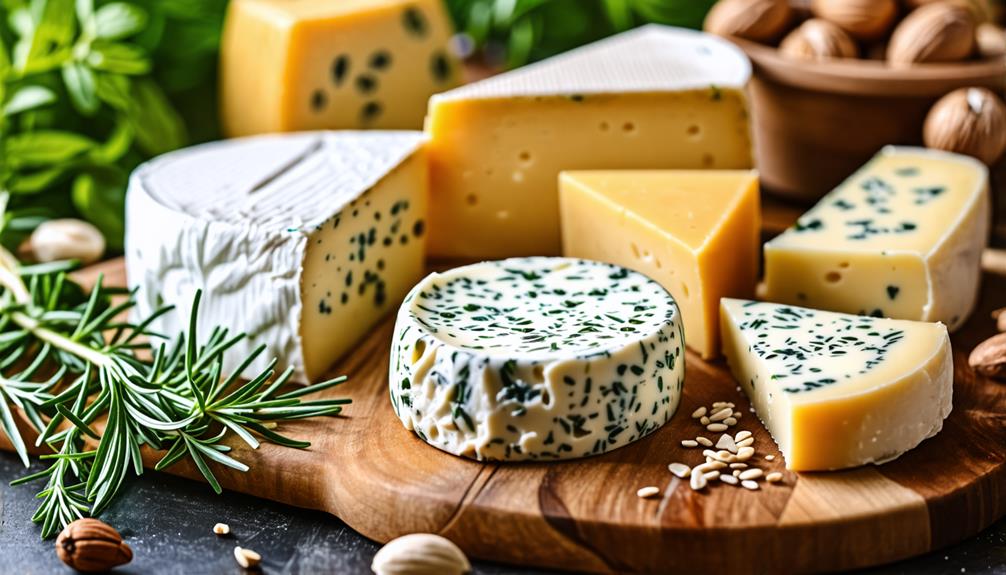
Navigating the evolving regulatory landscape for insect-enriched cheese necessitates staying informed about both FDA and USDA guidelines to ensure food safety and quality. Compliance with these guidelines is essential for your product's success. Insect protein must undergo rigorous safety assessments to mitigate risks such as potential allergenic reactions and microbial contamination.
Understanding specific labeling requirements is crucial for informing consumers about the presence of insect protein and its nutritional benefits. Transparency through clear labeling is key to building consumer trust.
Additionally, regulations can vary significantly across regions. Knowing local laws governing the incorporation of insect protein in dairy products is fundamental for compliance. Ongoing research and development efforts are important for establishing best practices and safety protocols that align with evolving regulatory standards. By staying proactive and informed, you can ensure that your insect-enriched cheese meets safety standards while appealing to consumers interested in sustainable protein sources.
Culinary Applications and Recipes
Incorporating insect protein into cheese opens up innovative culinary avenues, allowing you to create nutritious products for adventurous eaters. By blending traditional cheese-making techniques with insect-enriched ingredients, you can develop unique products that enhance nutrition and offer distinct umami flavors.
Here are a few ideas for culinary experiments:
- Cricket Ricotta: Blend cricket flour with milk and cultures for a creamy, high-protein spread, perfect for pasta dishes or as a dip.
- Mealworm Mozzarella: Create a mozzarella that melts beautifully, ideal for topping pizzas or adding to gourmet cheese boards.
These cheese products maintain desirable textures and melting properties, making them versatile for various dishes. Embracing insect-enriched cheese not only adds protein but also initiates a flavorful journey that challenges culinary norms and delights the senses.
Future of Insect-Based Products
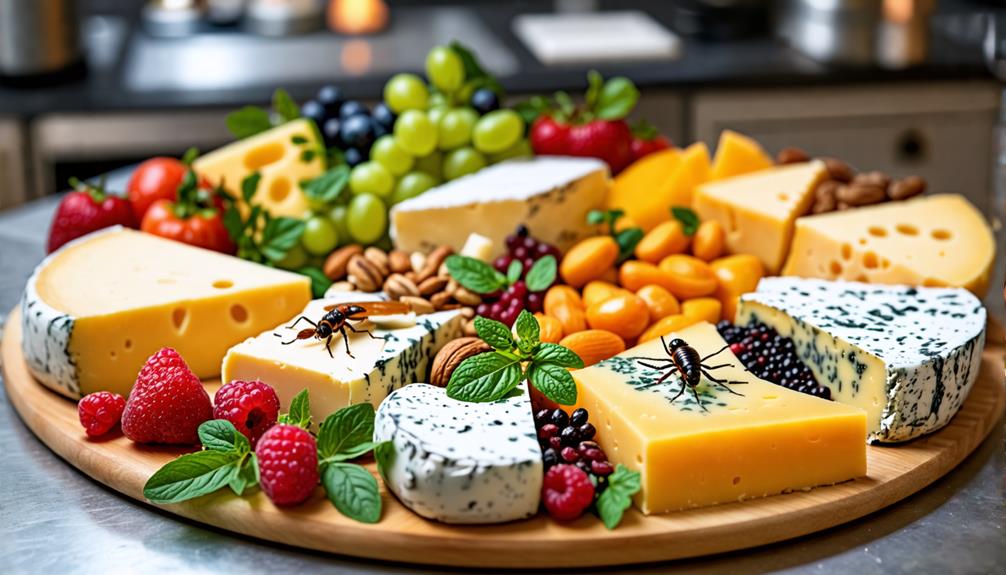
The future of insect-based products appears promising, driven by increasing awareness of their nutritional and environmental advantages. Insect protein boasts a remarkable nutritional profile, offering up to 77% protein content along with essential amino acids, making it a valuable addition to various food formulations, including cheese. Advanced processing methods, such as high-moisture extrusion, enable the production of insect-enriched cheeses that retain desirable flavor and texture, appealing to a wide range of consumers.
As the market for insect-based dairy alternatives grows, these sustainable food sources are recognized for requiring significantly less land and water compared to traditional livestock. This sustainability aspect is likely to boost consumer acceptance, especially among younger and health-conscious demographics who prioritize eco-friendly and nutritious options.
Additionally, evolving regulatory frameworks are ensuring the safety and quality of insect proteins in food products. These developments will facilitate the mainstream adoption of insect-enriched cheeses, providing more tasty and nutritious choices in the future. Embracing insect-based products not only enhances your diet but also supports a more sustainable food system for all.
Case Studies and Success Stories
Several innovative companies are pioneering the development of insect-enriched cheese, showcasing successful case studies that underscore the product's market potential. For instance, Exo and Six Foods have utilized cricket protein to enhance both the protein content and flavor profiles of their cheese formulations. Similarly, a French cheese manufacturer integrated mealworm protein, achieving a notable 30% increase in protein content while maintaining desirable sensory qualities.
Key findings from these case studies include:
- Consumer Acceptance: Research indicates that when marketed as a sustainable and nutritious alternative, consumers responded positively to tastings of insect-enriched cheese.
- Sustainability: The inclusion of insect protein significantly reduces the environmental impact of dairy production, aligning with modern trends toward eco-friendly food choices.
These success stories highlight the potential of insect-enriched cheese to revolutionize the cheese industry and meet growing demands for sustainable protein sources.
Conclusion
Insect-enriched cheese is heralding a new era in culinary innovation, offering both exceptional nutrition and bold flavors. As you explore this sustainable option, you'll not only savor a protein-rich treat but also support a more eco-friendly food system. With increasing consumer acceptance and diverse culinary applications, the future of these unique cheeses is promising. Embrace the rise of insect-based products and discover how they can enhance your meals while benefiting the planet.
Related posts