The Role of Microbes in Creating Unique Cheese Varieties
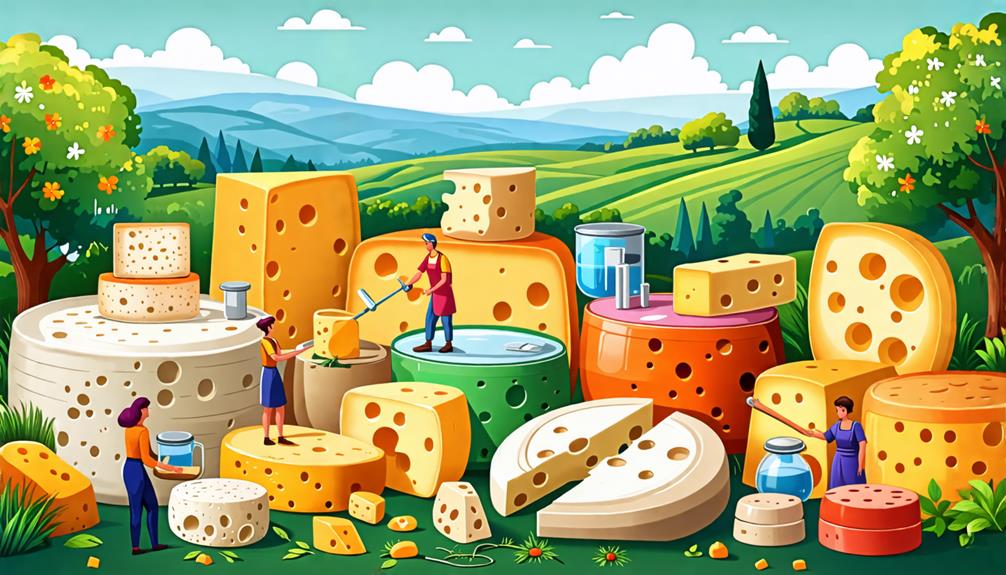
When considering cheese, it's easy to overlook the pivotal role of tiny microbes in its creation. These microorganisms are not merely background players; they actively shape the flavors, textures, and aromas that define distinct cheese varieties. Lactic acid bacteria enhance fermentation, while molds impart unique characteristics, making the microbial world as diverse as the cheeses themselves. So how do these microscopic agents interact with traditional practices and environmental factors to produce such a rich tapestry of flavors?
Overview of Cheese Varieties
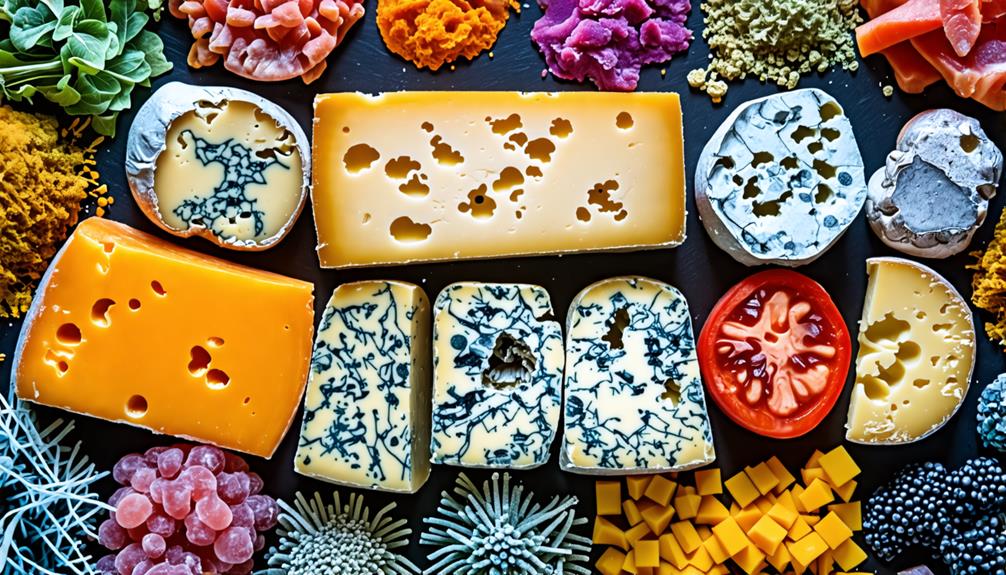
Exploring the world of cheese reveals over 1,700 varieties in the U.S. alone, each with unique flavors and textures shaped by microbial activity. The diversity in cheese arises from the different microbial cultures used during fermentation, with specific strains of bacteria, molds, and yeasts contributing to each cheese's distinct flavor profile, whether it's the sharpness of Cheddar or the creaminess of Brie.
Lactic acid bacteria play a crucial role during the maturing process, breaking down lactose and producing lactic acid to enhance the cheese's taste and texture. As cheeses mature, secondary microbes contribute to complex flavors and distinctive rinds, as seen in Camembert and blue cheese.
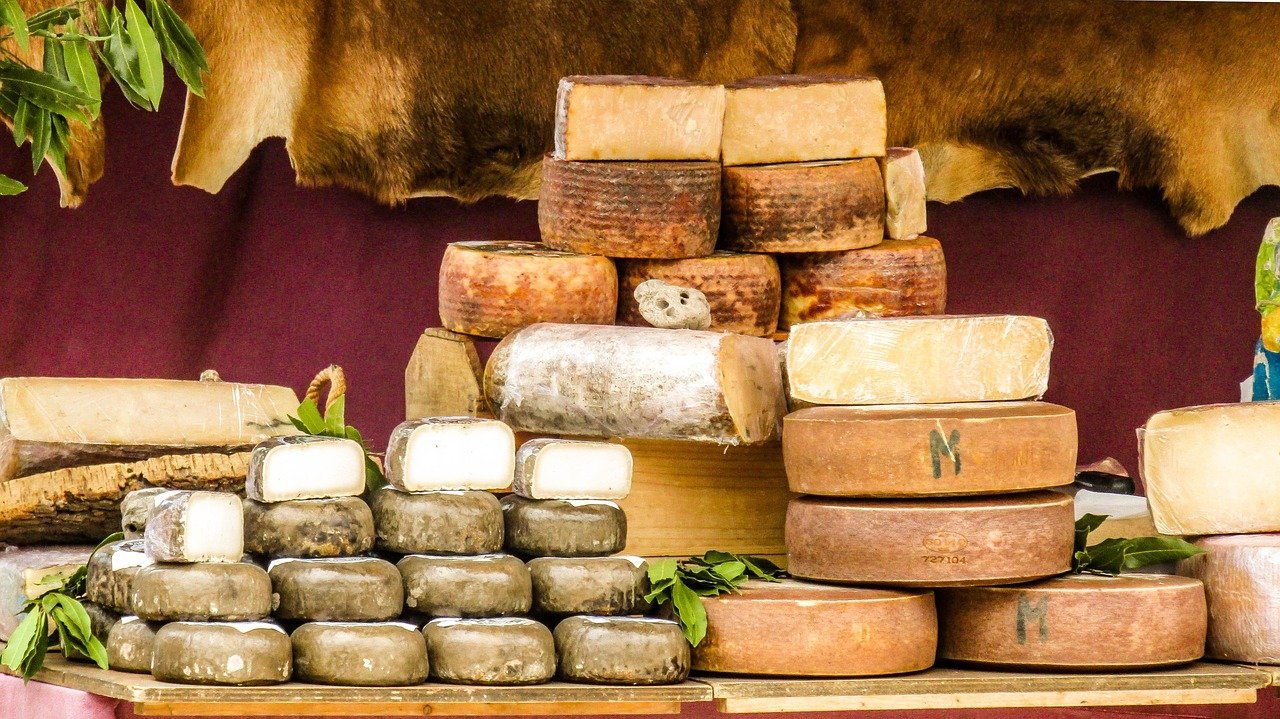
Traditional cheese-making methods often embrace a broader microbial diversity compared to modern practices, resulting in more nuanced flavors. Artisan cheeses typically showcase this microbial variety, offering a richer tasting experience. Each bite reveals the intricate work of microbes, offering diverse flavors and textures.
The Cheese-Making Process
The cheese-making process involves removing water from milk to concentrate essential proteins, fats, and nutrients. Lactic acid bacteria are crucial in this process, as they ferment lactose into lactic acid, lowering the milk's pH, causing protein coagulation, and forming curds.
Here's a concise overview of the key steps in cheese-making:
- Milk Selection: Choose high-quality milk, as its characteristics significantly influence the final cheese.
- Coagulation: Use acid, acid-heat, or rennet to create curds, each method producing distinct types of cheese.
- Fermentation: Allow lactic acid bacteria to ferment, enhancing flavor and texture.
- Curd Processing: Cut, cook, and drain the curds to achieve the desired consistency.
Each step is vital to producing cheeses with unique flavors and textures. Understanding this process highlights the artistry in cheese-making and the essential role of bacteria in crafting these delicious varieties.
Importance of Microbial Diversity
Microbial diversity is pivotal in shaping the unique flavors and textures of cheeses, significantly enhancing your tasting experience. When you savor different cheeses, you're experiencing the intricate interplay of over 1,000 species of bacteria, yeasts, and molds. Each cheese variety possesses a distinct microbial profile, especially traditional types that utilize whey from previous batches, fostering a rich array of microbes that ultimately elevate flavor complexity.
Lactic acid bacteria (LAB) play a crucial role in the cheesemaking process by converting lactose into lactic acid, which lowers the pH and helps develop specific cheese characteristics. During the ripening phase, the initial microbial composition undergoes significant changes, forming intricate ecosystems that can house over 400 microbial species in mature cheeses. This transformation not only contributes to unique flavor and texture profiles but also enhances your overall tasting experience.
However, modern cheesemaking techniques that rely on preselected cultures may limit microbial diversity, resulting in less complex flavor profiles. Embracing the natural variety of microbes inherent in traditional methods can lead to a more enriching cheese experience, underscoring the importance of microbial diversity in every bite.
Role of Bacteria in Fermentation
How do bacteria transform milk into the delicious cheeses you enjoy? The magic happens during fermentation, where lactic acid bacteria (LAB) play an essential role. These microorganisms convert lactose into lactic acid, lowering the pH and creating an environment unsuitable for spoilage organisms. In cheese making, specific starter cultures are vital for this process.
Here are some key points about the role of bacteria in fermentation:
- LAB species like Lactococcus lactis and Streptococcus thermophilus improve flavor and texture.
- They acidify milk and produce enzymes that aid in ripening.
- Non-Starter Lactic Acid Bacteria (NSLAB) develop during aging, adding depth to flavor complexity.
- The choice of bacterial strains directly impacts the final cheese profile.
Contributions of Molds to Cheese
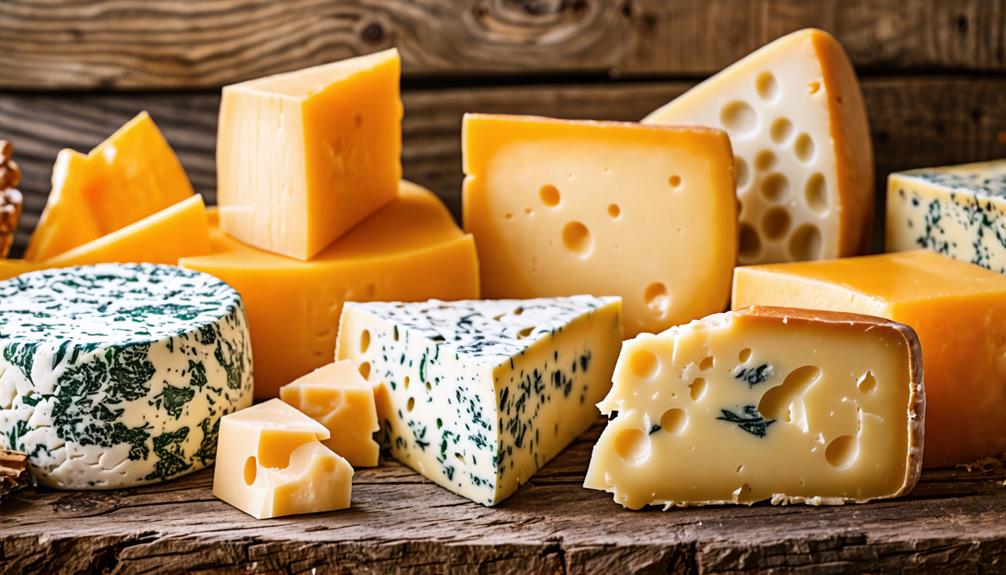
Molds play an essential role in cheese-making by shaping both the flavor and texture of various cheese types. Specific molds, such as Penicillium camemberti and Penicillium roqueforti, contribute to the unique characteristics of cheeses like Brie and blue cheese. Understanding the role of these molds can enhance your appreciation for the complexity and diversity of your favorite cheeses.
Types of Cheese Molds
The distinctive flavors and textures of different cheeses owe much to the specific molds used during their production, such as Penicillium camemberti in Brie and Penicillium roqueforti in blue cheeses. Understanding the types of cheese molds provides insight into how they shape the final product.
Here's a concise overview of the key molds involved:
- Penicillium camemberti: This white mold is essential for Brie and Camembert, enhancing creaminess and rich flavors.
- Penicillium roqueforti: Known for its blue veins, this mold imparts a sharp, tangy flavor to blue cheeses.
- Penicillium glaucum: Similar to Penicillium roqueforti, but used in milder blue cheese varieties.
- Aspergillus oryzae: Common in Asian cheeses, it aids in fermentation and ripening, influencing flavor profiles.
Molds play a crucial role in the ripening process by breaking down fats and proteins, creating unique textures and complex flavors. Understanding these molds helps you appreciate the artistry behind each cheese variety.
Flavor and Texture Impact
Many cheese lovers might not realize that molds are key players in shaping both the flavor and texture of their favorite varieties. Molds like Penicillium camemberti break down fats and proteins during the ripening process, giving soft cheeses like Brie and Camembert their creamy texture and rich flavors. On the other hand, molds such as Penicillium roqueforti and Penicillium glaucum add sharpness to blue cheeses by producing enzymes that enhance flavor complexity.
Here's a quick look at how molds affect cheese:
| Type of Mold | Flavor Contribution | Texture Impact |
|---|---|---|
| Penicillium camemberti | Creamy, buttery | Soft, spreadable |
| Penicillium roqueforti | Sharp, tangy | Crumbly with blue veins |
| Surface molds | Fruity, earthy | Natural rind formation |
Mold presence also influences moisture content, creating unique characteristics in the final product. Environmental factors, such as oxygen levels, play a significant role in mold metabolism, ensuring each cheese variety offers a delightful sensory experience.
Aging and Microbial Activity
During the aging of cheese, microbial activity is fundamental in developing unique flavors and textures. As cheese matures, a diverse array of microbes, including bacteria and molds, interact intricately, significantly influencing its flavor profile.
Key aspects of microbial activity during cheese aging include:
- Surface Molds: Specific molds contribute to distinctive aromas and textures, especially in surface-ripened cheeses.
- Brevibacterium linens: This bacterium thrives on cheese surfaces, producing strong, characteristic aromas.
- Microbial Diversity: Over 400 microbial species can emerge during cheese maturation, creating complex flavors.
- Enzymatic Breakdown: Microbial enzymes decompose fats and proteins, forming various flavor compounds.
These microbial interactions not only enhance the flavor profile but also contribute to the overall character of the cheese. Understanding and embracing the aging process allows for a deeper appreciation of the diverse and rich world of cheeses, shaped by the dynamic role of microbes.
Health Benefits of Cheese Microbes
Cheese microbes offer significant health benefits, particularly through their role in improving gut health and supporting digestion. The lactic acid bacteria (LAB) found in many cheeses enhance the digestive process and may aid those with lactose intolerance by facilitating easier digestion of dairy products. Fermented cheeses also provide a rich source of probiotics, which contribute to a healthier gut microbiota and can reduce gastrointestinal disorders.
Moreover, cheese consumption positively impacts cardiovascular health. Research suggests that it may lower levels of trimethylamine N-oxide (TMAO), a compound linked to heart disease, indicating a protective effect. The beneficial microbes in cheese not only improve gut health but also influence overall physical and mental well-being.
Additionally, these microbes contribute to the unique flavor profiles of cheeses while offering anti-inflammatory effects and bolstering the immune system. Enjoying your favorite cheeses not only delights your taste buds but also supports your health in multiple ways, making them a delicious addition to a balanced diet.
Challenges in Cheese Production
Cheese production faces several challenges that can significantly impact both quality and safety. Issues like microbial contamination and the need for consistent fermentation are critical in shaping the final product. Additionally, environmental factors can dramatically alter flavor profiles, making meticulous management essential for producing high-quality cheese.
Microbial Contamination Risks
Microbial contamination risks in cheese production stem from various sources such as milk, equipment, and the environment, potentially affecting both flavor and food safety. It's crucial to understand how these risks can introduce spoilage organisms or harmful pathogens, which may compromise cheese quality.
Key factors to consider include:
- Source of Milk: Raw milk can be a primary source of contamination.
- Equipment Hygiene: Poor sanitation of tools and surfaces can lead to bacterial growth.
- Starter Cultures: Reintroducing beneficial bacteria after pasteurization is essential.
- Cheesemaking Environment: Ambient microorganisms can influence flavor but may also pose contamination risks if not controlled.
Consistency in Fermentation
Consistency in fermentation is crucial for producing high-quality cheese, as variations in temperature, salt content, and acidity can dramatically affect the final product. Both lactic acid and the appropriate starter cultures play significant roles in this process. However, modern practices have introduced challenges in maintaining microbial diversity, often resulting in a more uniform flavor profile.
Here's a table that outlines the factors impacting fermentation consistency:
| Factor | Influence on Cheese Production |
|---|---|
| Temperature | Affects microbial survival and activity |
| Salt Content | Impacts moisture retention and flavor |
| Acidity Levels | Influences lactic acid production |
| Curd Size | Determines texture and moisture content |
To address these challenges, some cheesemakers use backslopping, a method that promotes microbial diversity and encourages unique flavors. This approach helps maintain the desired consistency in fermentation, allowing artisans to create distinct cheeses that balance tradition and innovation. By carefully managing fermentation conditions, cheesemakers can ensure a rich tapestry of flavors, leading to exceptional cheese varieties that stand out in the market.
Environmental Influences on Flavor
Environmental factors significantly influence the unique flavor profiles of cheeses, presenting both challenges and opportunities for cheesemakers. Understanding how these elements interact with the microbial ecosystem during production is vital. For instance, variations in temperature and humidity can profoundly affect the development of lactic acid and other flavor components. Key challenges include:
- Variability in raw milk sources, which affects the initial microbial load.
- Contributions from local microbial populations to distinct flavor profiles.
- Natural rinds formed during aging that introduce unique tastes and textures.
- Historical practices like backslopping, which enhance microbial diversity.
Conclusion
The fascinating interplay of microbes in cheese-making gives each variety its unique character. From the fermentation process driven by lactic acid bacteria to the distinct flavors introduced by molds, these microorganisms are essential. As you explore different cheeses, you'll appreciate the rich microbial diversity that shapes their taste and texture. Embracing this complexity enhances your enjoyment and highlights the artistry behind each delicious bite.