The Science Behind the Creation of Cheese
Cheese has been a part of human diets for thousands of years, yet its creation relies on a fascinating process shaped by science. It starts with something as simple as milk, but with the help of bacteria, enzymes, and careful techniques, milk transforms into countless varieties of cheese. For more information on this process, here is the science behind the creation of cheese.
Milk: The Starting Point
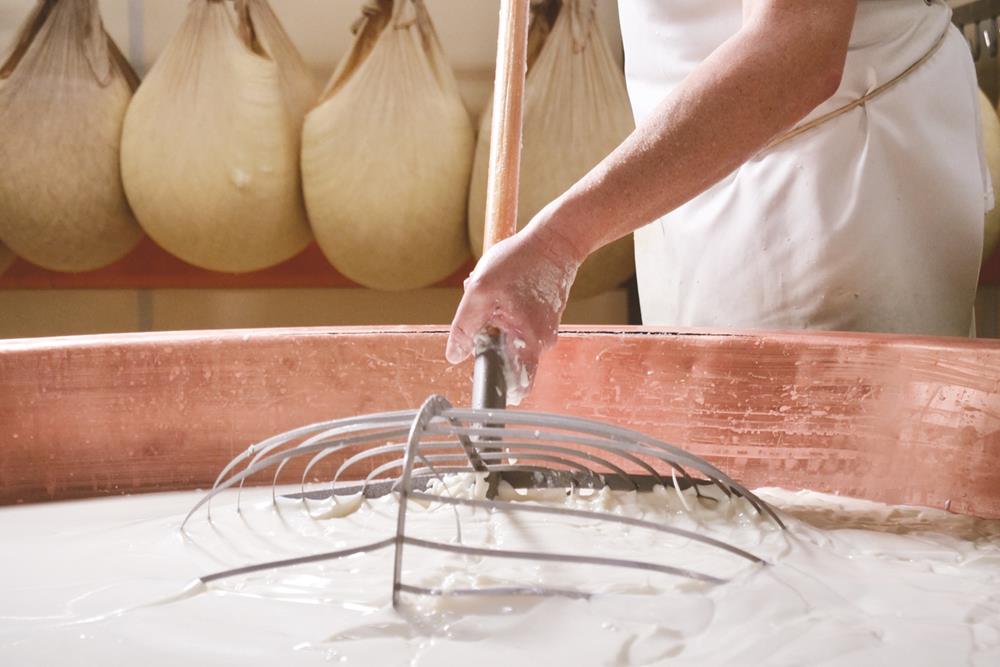
Milk is the foundation of all cheese. It contains fats, proteins, and sugars that come together to make different cheese varieties. The type of milk used also matters. Cow's milk is the most common, but goat's milk and sheep's milk bring their own unique flavors and textures. These differences are due to varying levels of fat and protein.
The proteins and fats in milk solidify during the curdling process, forming the base of the cheese. Fresh milk is filled with natural bacteria that help start the fermentation process. However, most cheesemakers add special bacteria to control the process and ensure the milk is ready for the next steps in cheese-making.
The Role of Bacteria and Enzymes

Bacteria are added to the milk to start the fermentation process, which changes the sugars in the milk into acids. This is what gives the cheese its flavor and helps to preserve it. Different types of bacteria produce different tastes and textures, which is why no two cheeses are exactly the same.
Enzymes, like rennet, are added to help the milk curdle. Rennet causes the proteins in the milk to stick together, forming curds. Without enzymes, milk would not thicken properly, and the cheese would not take shape. The balance of bacteria and enzymes determines the type of cheese that is made, from soft to hard and mild to sharp.
Coagulation: The Science of Curd Formation
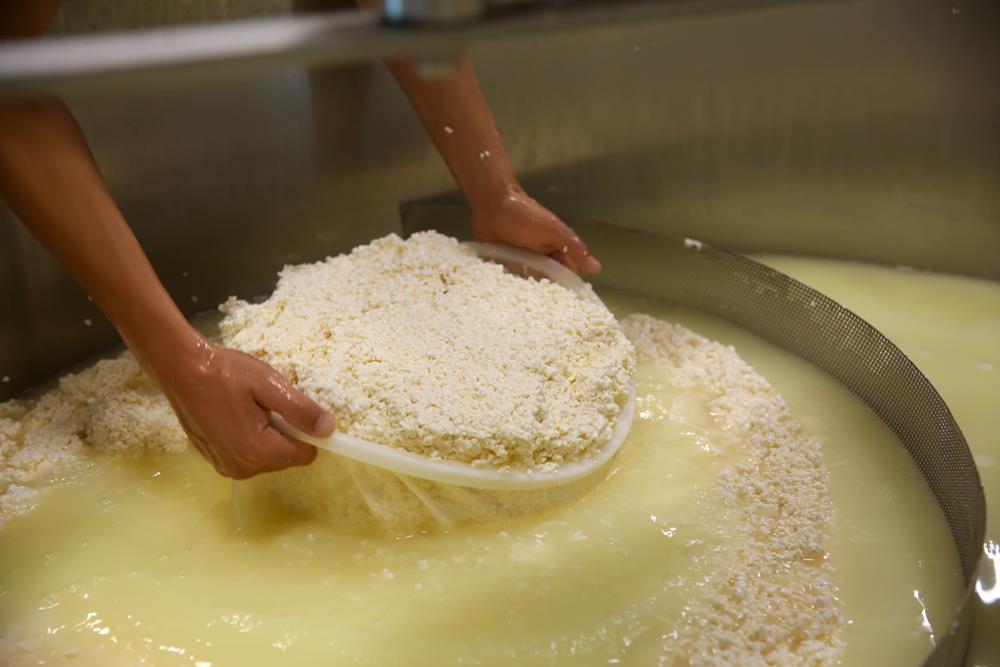
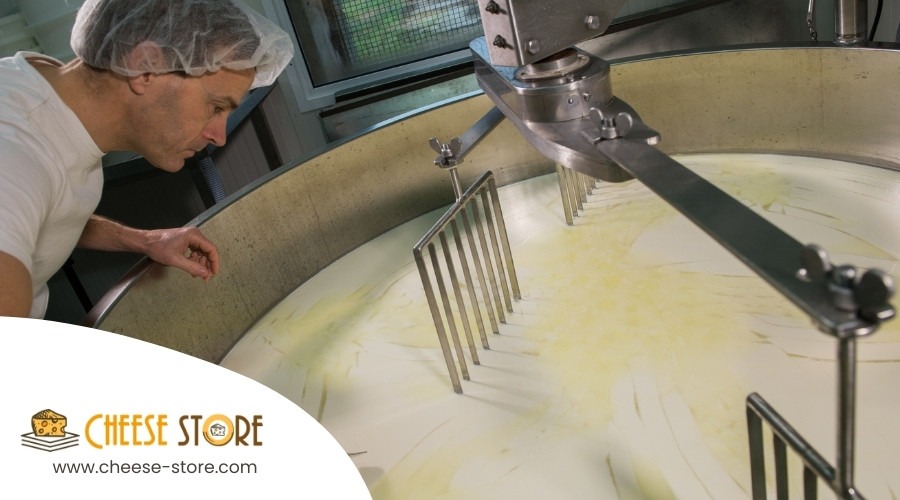
Coagulation is the process that turns liquid milk into solid curds. When enzymes like rennet are added to the milk, they cause the proteins to bond together, separating the curds from the liquid whey. The proteins and fats in the milk react, creating a thick, gel-like structure. This is the beginning of the cheese's solid form.
There are two main types of coagulation: enzymatic and acid. Enzymatic coagulation uses rennet, while acid coagulation happens when an acid, such as lemon juice or vinegar, is added. Each method affects the texture and flavor of the cheese in different ways. The process is carefully controlled by adjusting temperature and time, allowing cheese makers to create the desired type of curds for different cheeses.
Cutting and Cooking the Curds
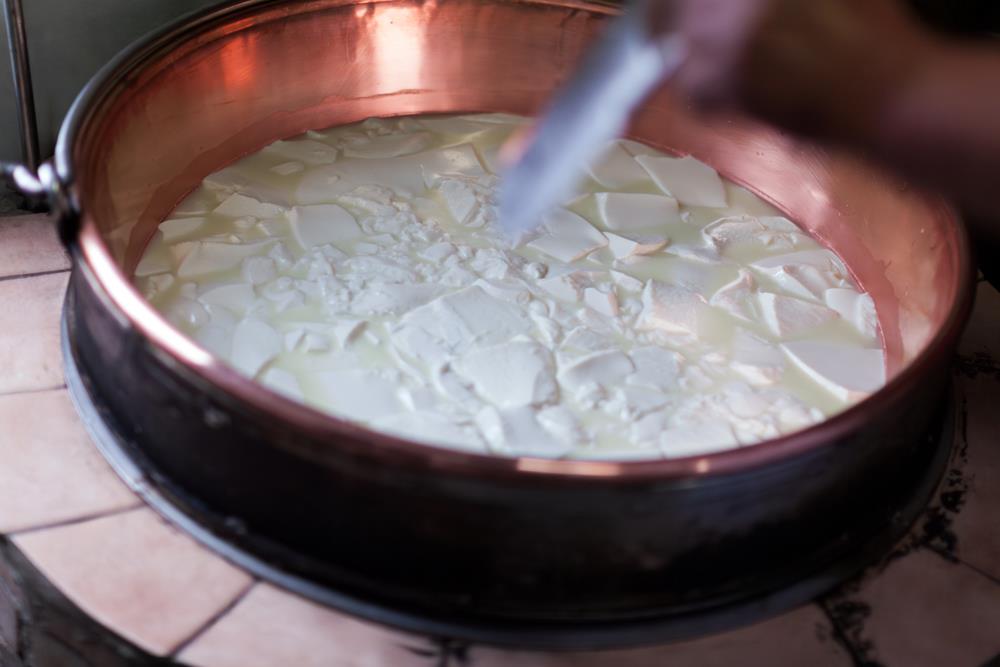
Once the curds form, the next step is cutting them. Cutting the curds helps release the liquid whey trapped inside. The size of the cuts affects the final texture of the cheese. Small curds release more whey, leading to a firmer cheese. Larger curds hold more moisture, which results in a softer texture.
After cutting, the curds are often cooked. Cooking the curds helps them firm up and removes even more moisture. The temperature and time of cooking can change the cheese's consistency. High heat produces a drier, harder cheese, while lower heat results in a softer cheese.
Whey Separation and Draining
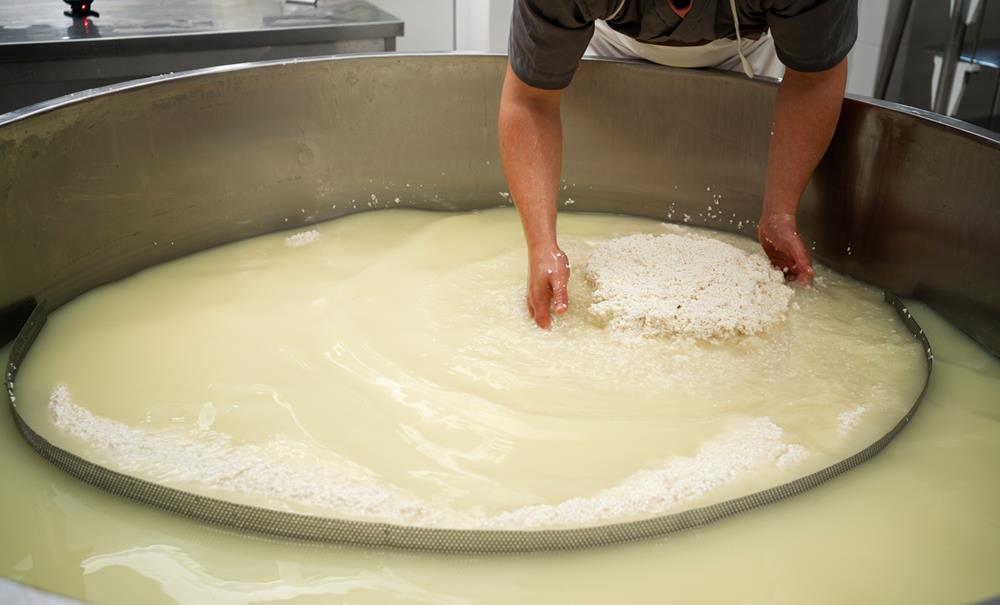
Whey separation is the process of removing the liquid whey from the solid curds. This step is essential to control the moisture level in the cheese. The more whey that is removed, the firmer the cheese will be. Different cheeses require different amounts of whey to be drained, which is why this step is carefully monitored.
Draining the whey can be done by hand or through mechanical methods. Some cheeses require gentle handling, while others need pressure to remove as much whey as possible. The curds are left to drain for varying amounts of time, depending on the type of cheese being made. This process helps determine the final texture and flavor of the cheese.
Pressing and Shaping Cheese
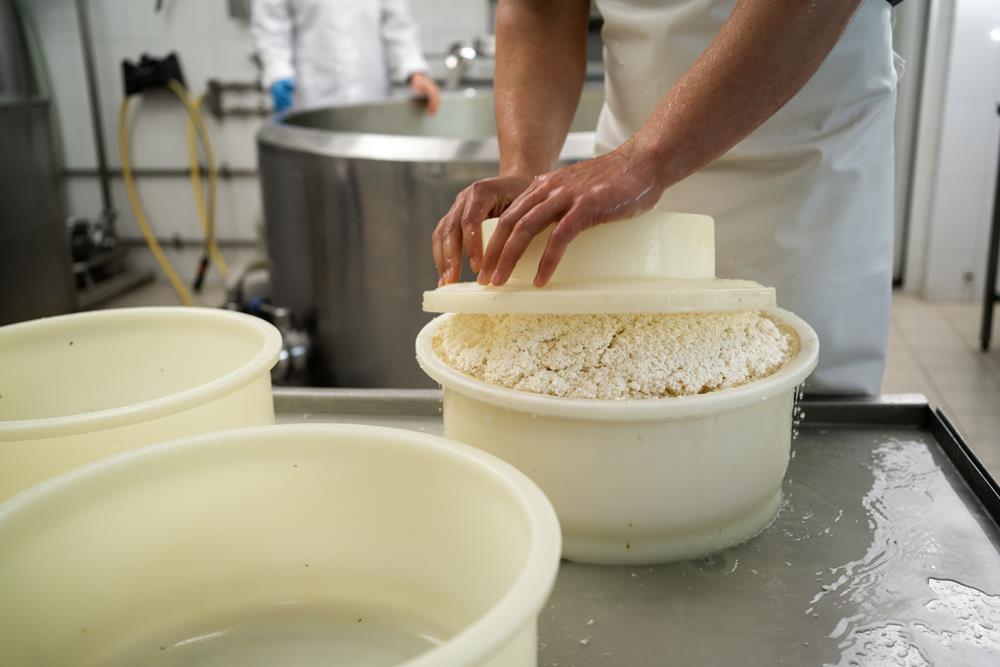
Pressing is the step where curds are shaped into solid blocks or wheels of cheese. The amount of pressure applied during pressing affects the texture and density. Light pressing leaves more moisture in the cheese, while heavy pressing removes more whey, creating a firmer product.
Shaping the cheese is also important for its final appearance and form. Cheese molds are used to give each variety its distinctive shape. Some cheeses are pressed into rounds, while others are shaped into blocks or specific forms. The shape helps define the cheese and can influence how it ripens over time.
Ripening and Aging
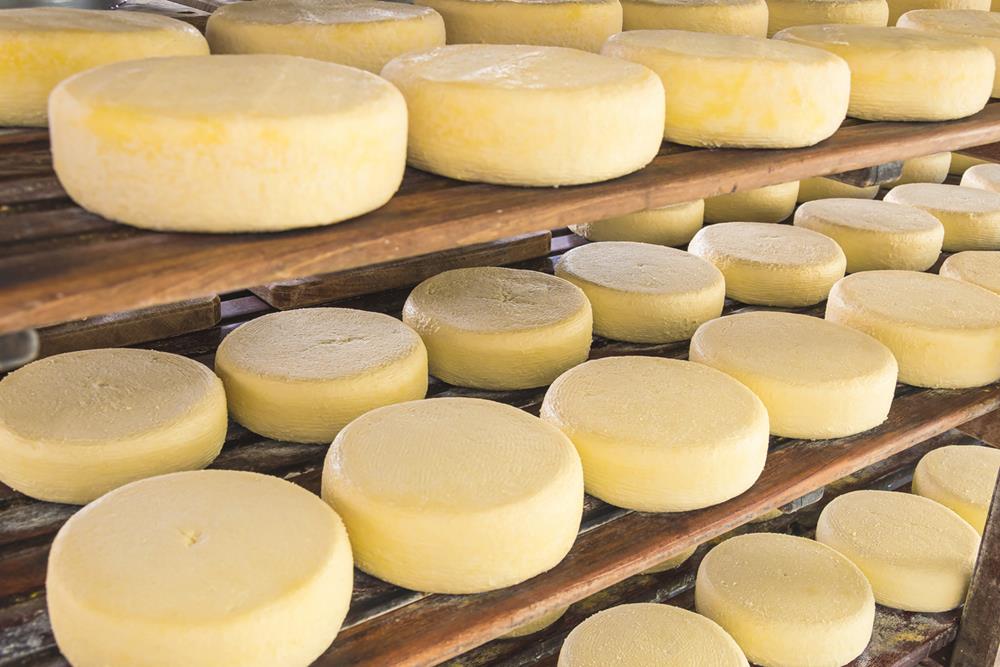
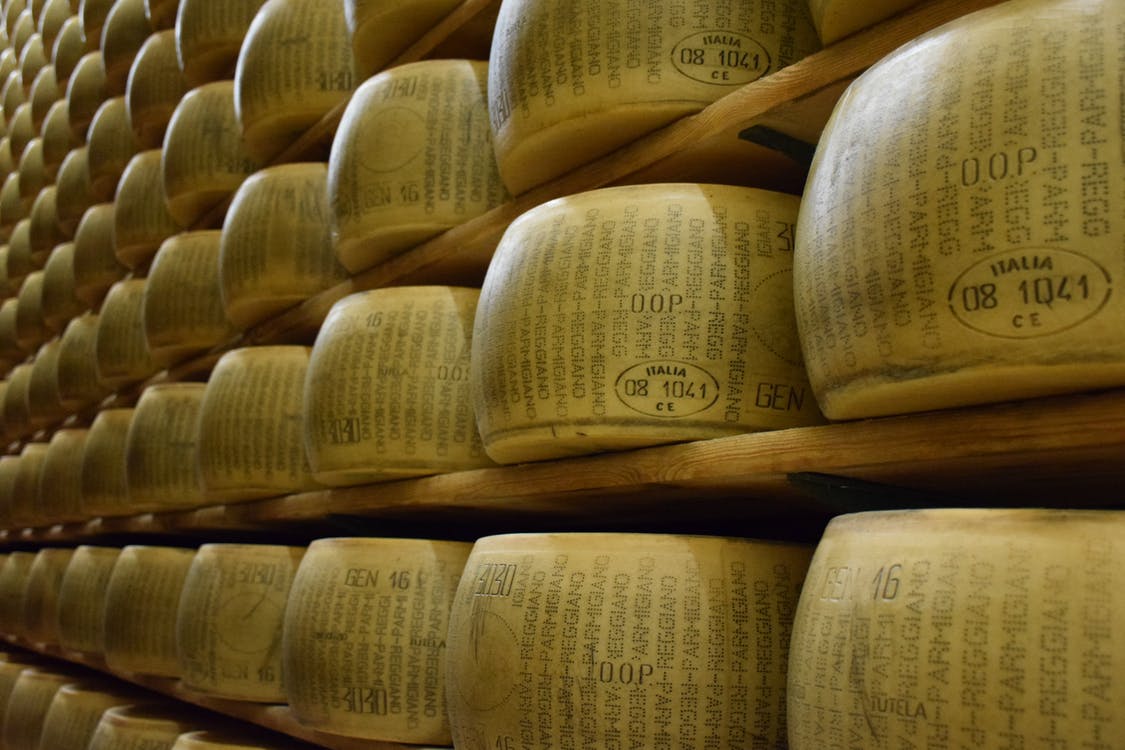
Ripening and aging are the final steps in the cheese-making process. During this time, the flavors and textures of the cheese develop. The length of the aging process varies depending on the type of cheese. Some cheeses are eaten fresh, while others are aged for months or even years. The longer a cheese ages, the stronger its flavor becomes.
The environment where the cheese is aged plays a key role in its development. Temperature, humidity, and air circulation are carefully controlled to create the right conditions. During this time, bacteria and molds work on the cheese, breaking down proteins and fats, which helps create unique flavors and textures. Different cheeses require different aging environments, which is why each type of cheese has its own distinct character.
The Science of Flavor Development
The development of flavor in cheese is a complex process influenced by several factors. These elements work together to create the unique tastes that make each type of cheese special.
- Protein Breakdown: As cheese ages, proteins break down into smaller compounds. This process, known as proteolysis, helps create the distinct flavors of aged cheeses. The degree of protein breakdown affects whether the cheese tastes mild or sharp.
- Fat Breakdown: The fats in cheese are broken down into fatty acids over time. This contributes to the creamy texture and richer flavor found in many cheeses. The type and amount of fat used in the cheese also play a role in the final taste.
- Bacterial Activity: Bacteria used in the cheese-making process produce acids and gases that add to the flavor. Different strains of bacteria create different flavor profiles, which is why some cheeses are tangy while others are more mellow.
Conclusion
Cheese-making is a process that blends art and science. Understanding the science behind curd formation, whey separation, and aging helps explain how cheese develops its unique flavors and textures. While the methods may vary, the principles remain the same, and they show the complexity and skill involved in creating one of the world's most beloved foods.