The Surprising European Origins of Cheez Whiz: A Not-So-American History
Cheez Whiz might just be one of the brightest, boldest names in American snack culture. It's the creamy orange sauce that’s topped everything from nachos to Philly cheesesteaks, and it’s become a staple in kitchens across the U.S. But here’s the twist—Cheez Whiz didn’t actually start out in America. Its journey began overseas, taking inspiration from Welsh recipes and Swiss ingenuity. Let’s dive into how this cheesy icon crossed the Atlantic to become a mainstay in American food culture and became known as a type of American cheese.
The Swiss Spark in 1911: Processed Cheese Begins
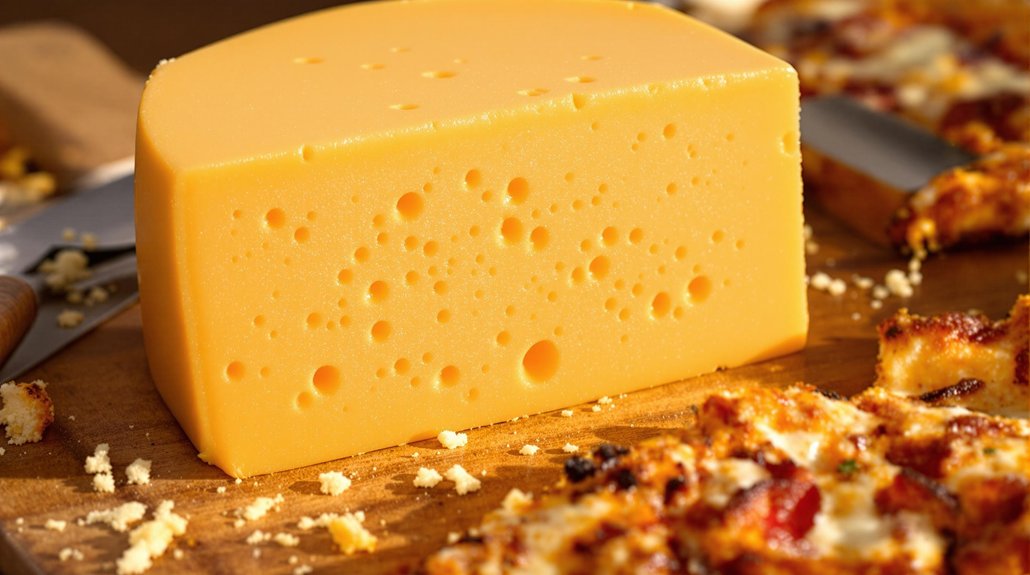
Back in the early 1900s, two Swiss cheesemakers, Walter Gerber and Fritz Stettler, were on a mission to make cheese last longer without losing its taste. Their answer? Mixing shredded Emmentaler cheese with a bit of sodium citrate and heat. This approach stabilized the cheese, giving it a much longer shelf life and laying the foundation for what we now know as processed cheese. Little did they know, this would spark a whole new chapter in cheese history.
James L. Kraft: A Canadian Cheese Pioneer (1916)
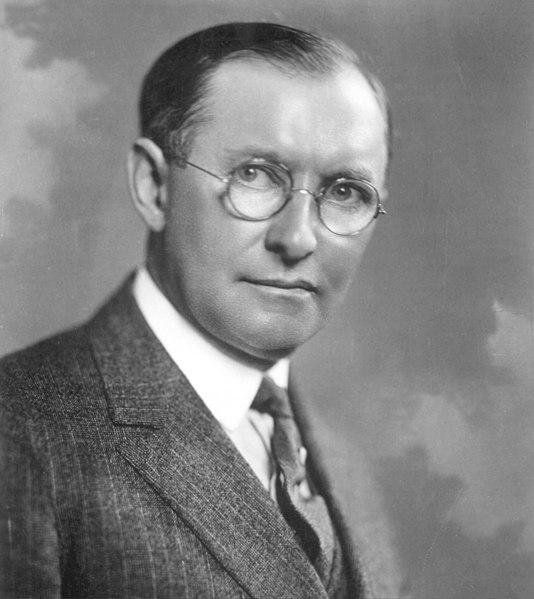
Enter James L. Kraft, a Canadian entrepreneur who saw an opportunity to take this idea to the next level. In 1916, Kraft patented his method of making cheese that could last without spoiling. With heating, stirring, and some secret sodium ingredients, he crafted a product that could survive long hauls and harsh conditions—perfect for soldiers in World War I. When the war ended, Kraft’s cheese had become a favorite among young Americans, paving the way for an entirely new cheese era.
The Rise of Kraft in the Mid-20th Century
By the 1950s, Kraft Foods was a staple in households worldwide, known for its quality and innovative approach to processed cheese. Founded by James L. Kraft, a Canadian immigrant with a vision for making cheese last longer, the company gained popularity early on by offering cheese products that were stable, convenient, and affordable. Kraft’s big breakthrough came in the 1910s and 1920s, as the company became known for supplying processed cheese to soldiers during World War I and, later, for bringing sliced, packaged cheese to the American consumer.
Fast forward to 1950, and Kraft had taken things even further by introducing Kraft Singles, those individually wrapped slices that were perfect for quick sandwiches and melty cheeseburgers. The concept of individually wrapped cheese slices was revolutionary—it made cheese easy to handle, store, and serve without the hassle of cutting or refrigerating blocks of cheese. Kraft Singles brought processed cheese into the spotlight and solidified Kraft’s reputation as a brand that made food prep quick and effortless.
As Kraft continued expanding its global reach, it turned its attention to British cuisine, noticing the popularity of a dish called Welsh rarebit. Now, Welsh rarebit was a dish with history—it’s essentially toast topped with a rich cheddar sauce, sometimes mixed with beer, mustard, or Worcestershire sauce, for a deep, savory flavor. It had been a British favorite for centuries, loved for its comforting, cheesy goodness. However, making the sauce from scratch could be time-consuming, and Kraft saw an opportunity to create a ready-made cheese sauce that captured this iconic flavor without the hassle. This observation set the stage for one of Kraft's most ambitious culinary innovations: Cheez Whiz.
Creating Cheez Whiz for the British Market (1952)
Kraft Foods enlisted its top food scientists to create a convenient, shelf-stable cheese sauce that would serve as a quick fix for Welsh rarebit and other traditional dishes. Edward Traisman, an inventive food scientist with a knack for creating processed food formulas, led the development of what would become Cheez Whiz. Traisman and his team worked to perfect a formula that was smooth, tangy, and easily spreadable. They needed a product that could withstand various conditions, maintain its texture, and have that addictive, savory flavor beloved in Welsh rarebit.
After extensive testing and fine-tuning, Kraft introduced Cheez Whiz in Britain in 1952. Marketed as a solution to the labor-intensive cheese sauce, Cheez Whiz became popular for its convenience and taste. It was initially positioned as a premium product that could replicate the rich, comforting flavor of cheddar-based sauces while saving people the time and trouble of making it from scratch. Not only did it appeal to traditional British households, but it also introduced a new way to enjoy cheese dishes in a quick, no-fuss format.
This initial success in Britain caught Kraft’s attention. The company realized that if the British loved Cheez Whiz, perhaps Americans would too. So, in July 1953, they launched Cheez Whiz in the United States, sparking a whole new wave of culinary possibilities.
Cheez Whiz Takes America by Storm (1953)
When Cheez Whiz arrived on American shelves in 1953, it quickly became a hit. American consumers were already familiar with Kraft’s processed cheese, thanks to the success of Kraft Singles and other products. But Cheez Whiz was something different—it was bright orange, tangy, and incredibly versatile. Suddenly, American home cooks had a cheese sauce that could top just about anything, and they didn’t have to grate, melt, or whisk a single ingredient.
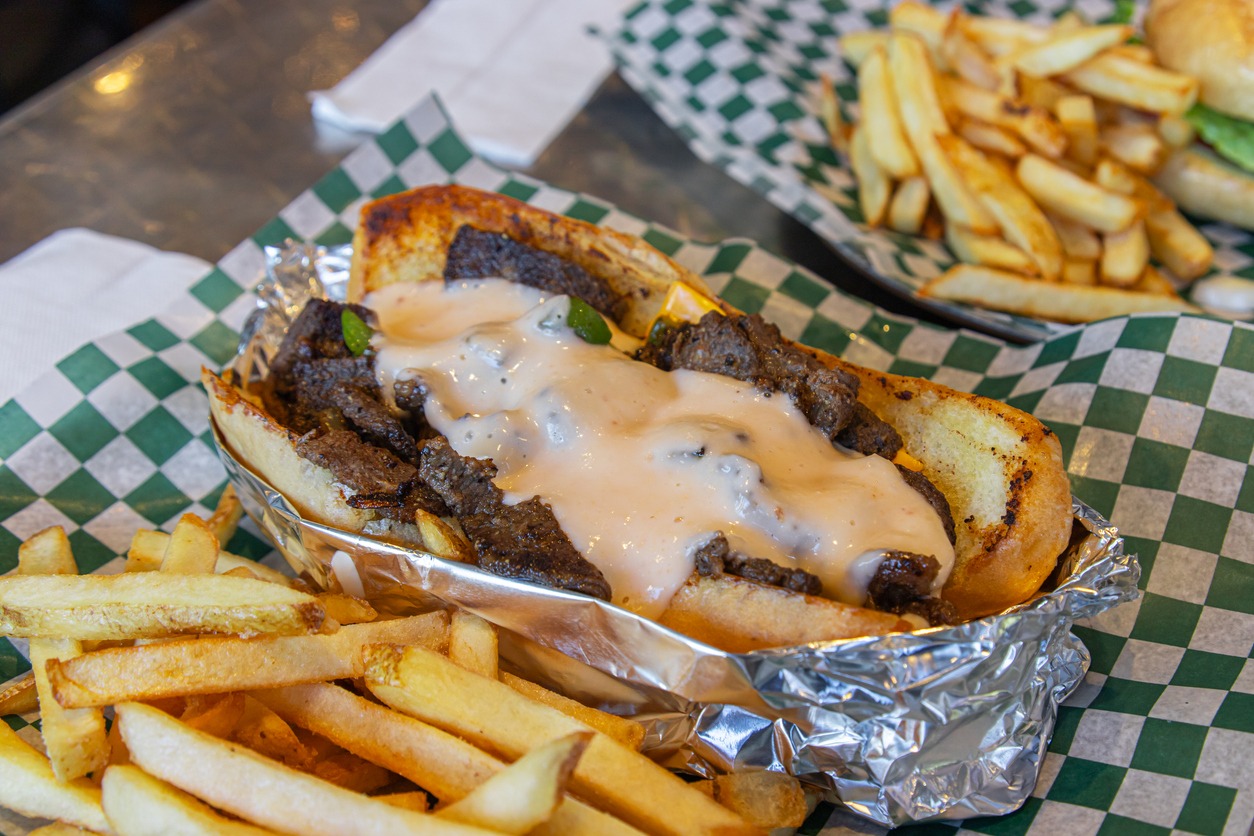
In the mid-1950s, processed foods were on the rise, as convenience became a priority for busy American families. Cheez Whiz was a perfect fit, finding its way into countless recipes beyond its original use for Welsh rarebit. People poured it over vegetables, spread it on sandwiches, and, of course, used it to create the now-iconic Philly cheesesteak. Philly cheesesteaks, originally made with thin slices of beef and provolone or American cheese, found a new fan base as Cheez Whiz became a popular topping. This shift gave the cheesesteak a unique creamy texture and tangy taste that became integral to the dish’s identity in Philadelphia and beyond.
Cheez Whiz’s bright color and bold flavor also made it a favorite for nachos, casseroles, and even macaroni and cheese. It became a go-to for adding a punch of cheesy flavor to dishes with minimal effort, and soon, it was considered a pantry essential. Its long shelf life made it a convenient option for households everywhere, and it became more than just a cheese sauce—it became a symbol of the new era of American processed foods, where speed, convenience, and taste were top priorities.
Cheez Whiz didn’t just stay in the U.S., either. Its popularity spread internationally as Kraft continued to expand, finding fans in countries worldwide who enjoyed its unique taste and versatility. Today, Cheez Whiz remains an iconic American product, representing both the ingenuity and adaptability of the Kraft brand.
The Ingredients of Cheez Whiz: Then and Now
Originally, Cheez Whiz came with a list of ingredients that actually included real cheese:
- American Cheese
- Water
- Nonfat Dry Milk Solids
- Condensed Whey
- Sodium Phosphate
- Cream
- Worcestershire Sauce
- Lactic Acid
- Mustard
- Salt
- U.S. Certified Color
But, over time, Kraft adjusted the recipe to keep up with production demands and changing tastes. Today, Cheez Whiz is marketed as a “cheese dip,” with an updated ingredient list that’s a bit different from its original formula. This shift has led some to question if there’s any actual cheese in Cheez Whiz anymore.
Love It or Leave It?
From the start, Cheez Whiz had its loyal fans and fierce critics. Some people just couldn’t get past the processed taste and texture, and even a former Kraft employee famously likened its flavor to “axle grease.” Yet, for every critic, there were plenty of Cheez Whiz fans who loved its distinct tang and versatility.
A Fixture in American Food Culture
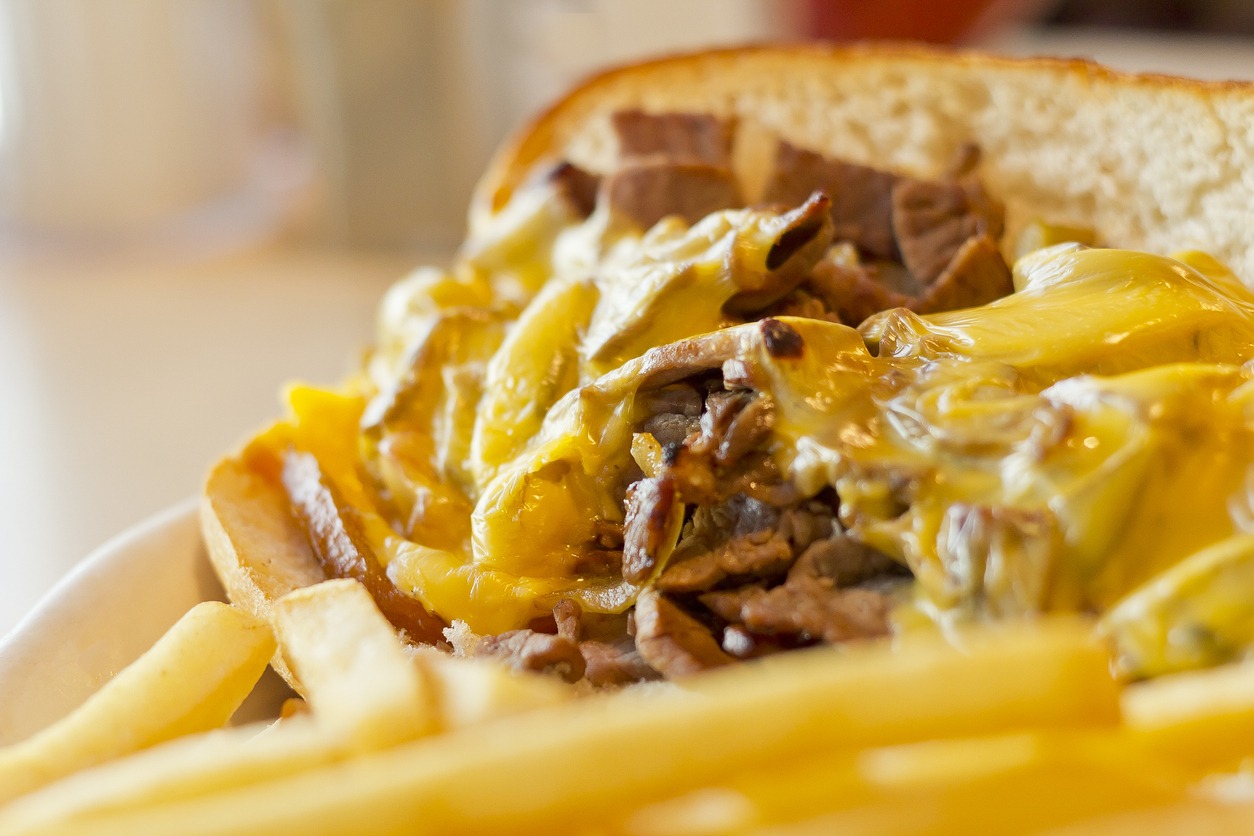
What’s fascinating about Cheez Whiz is how it managed to stick around and find new uses. Sure, Welsh rarebit was its original inspiration, but in America, Cheez Whiz has become a staple for everything from nachos to potato skins. Its convenience, spreadability, and unique flavor have earned it a permanent spot in pantries and recipes across the country.
In an era when many consumers lean toward organic and natural options, Cheez Whiz remains popular, especially among those who grew up with it. For some, it’s a nostalgic choice—a taste that reminds them of childhood snacks and family dinners. And in today’s food culture, where nostalgia often drives trends, Cheez Whiz has found new fans who appreciate its retro vibe and comforting flavor.
Processed Cheese in Today’s World
As the market shifts toward healthier, more natural options, Cheez Whiz faces new challenges. However, it holds its ground as a quick and easy option for adding cheesy flavor to meals, and its long shelf life still makes it a convenient choice for busy households. After all, it’s hard to deny the charm of a product that has been adding a bright orange pop of flavor to dishes for over 70 years.
Fun Facts About Cheez Whiz You Might Not Know
- Cheez Whiz in Pop Culture: From movie scenes to commercials, Cheez Whiz has become a pop culture icon known for its bright color and unmistakable flavor.
- The Philly Cheesesteak Debate: There’s a long-standing debate over whether a true Philly cheesesteak should be made with Cheez Whiz or provolone. Purists often insist on Cheez Whiz, claiming its creamy, tangy quality is irreplaceable.
- A Global Influence: Though Cheez Whiz was made for Britain and America, it’s made appearances in various dishes worldwide, from Canadian poutine to Tex-Mex nachos.
Cheez Whiz’s Lasting Legacy
While it may not have originated in the U.S., Cheez Whiz has undeniably made its mark on American food culture. The journey from British-inspired sauce to a household staple showcases the quirky paths food trends can take. Cheez Whiz may have started as a shortcut for Welsh rarebit, but it’s now a bright orange icon in the world of comfort food.
Conclusion
The story of Cheez Whiz is a true culinary adventure, spanning continents, wars, and changing tastes. From Swiss cheese innovators to American soldiers, and from British households to Philly cheesesteak shops, Cheez Whiz’s journey shows that even the simplest foods can have complex, fascinating origins. Whether you’re a die-hard fan or just curious about its history, Cheez Whiz remains a tasty slice of food history, worth a little appreciation.
Related posts