Types of Cheeses in China: Exploring Traditional and Modern Varieties
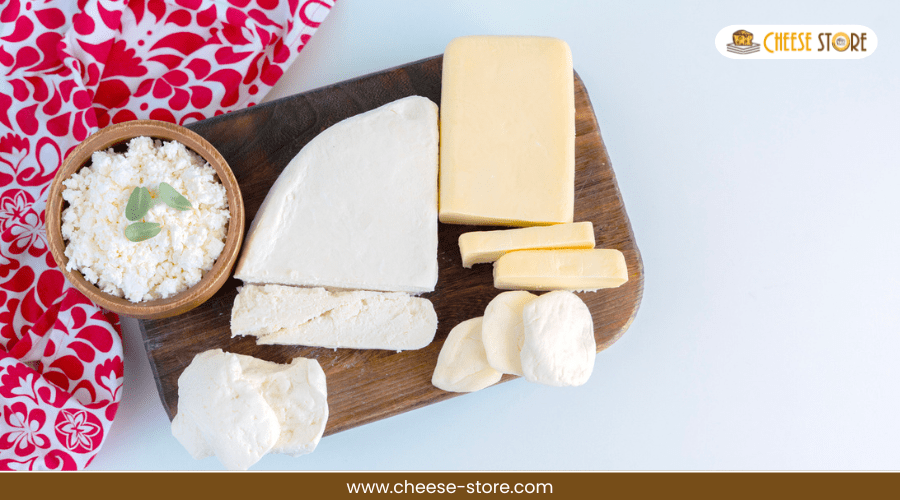
When you think of cheese, images of Italy’s Parmesan or France’s Brie might come to mind long before Chinese cheese. Yet, cheese has a surprisingly long, if under-the-radar, history in China. While cheese hasn’t been a staple in traditional Han Chinese cuisine, ethnic groups across China have been making cheese for centuries.
Today, cheese is finding its way into the hearts (and palates) of a growing number of Chinese consumers, driven by curiosity, increased dairy imports, and local production of both traditional and Western-style cheeses. Let’s explore the fascinating types of cheeses from China, from ancient recipes to modern innovations.
Historical Background of Cheese in China
China’s relationship with dairy is a unique one. Historically, dairy products were not commonly consumed by the Han majority, partly due to high rates of lactose intolerance. However, among ethnic groups like the Mongolians, Tibetans, and Bai, dairy products like cheese have held a cherished place in culinary traditions for centuries. These cheeses, shaped by mountainous landscapes and nomadic lifestyles, reflect both ingenuity and cultural heritage.
In recent years, as globalization has introduced new flavors, cheese consumption in China has grown, blending traditional local cheeses with Western influences.
Traditional Cheeses in China
1. Kurut
Kurut is an ancient cheese with roots deep in Central Asia, made by rolling sour milk into small, hard cheese balls. While it’s known that cheese remnants were discovered in ancient tombs in China’s Taklamakan Desert dating back around 3,600 years, it’s unclear whether these findings were specifically kurut. Nevertheless, kurut remains popular among the Uyghur people of Xinjiang, who continue to make it using time-honored techniques.
How It’s Made:
The process begins by allowing milk to sour naturally, after which solid curds are strained, rolled into small balls, and air-dried until they harden. The cheese balls can vary in size, but the process yields a tough, long-lasting cheese that requires no refrigeration.
Flavor and Uses:
Kurut has a tangy, salty flavor that’s often compared to Parmesan. It’s enjoyed in various ways: eaten as a snack, grated over dishes, or dissolved in hot water to create a savory broth. Its long shelf life and nutrient density made it ideal for nomads who needed food that could endure long journeys.
Across Central Asia, similar cheeses exist with slight regional differences, such as qurut in Uzbekistan, kurt in Kazakhstan, and keş in Turkey, showing kurut’s influence on neighboring cultures.
2. Chhurpi
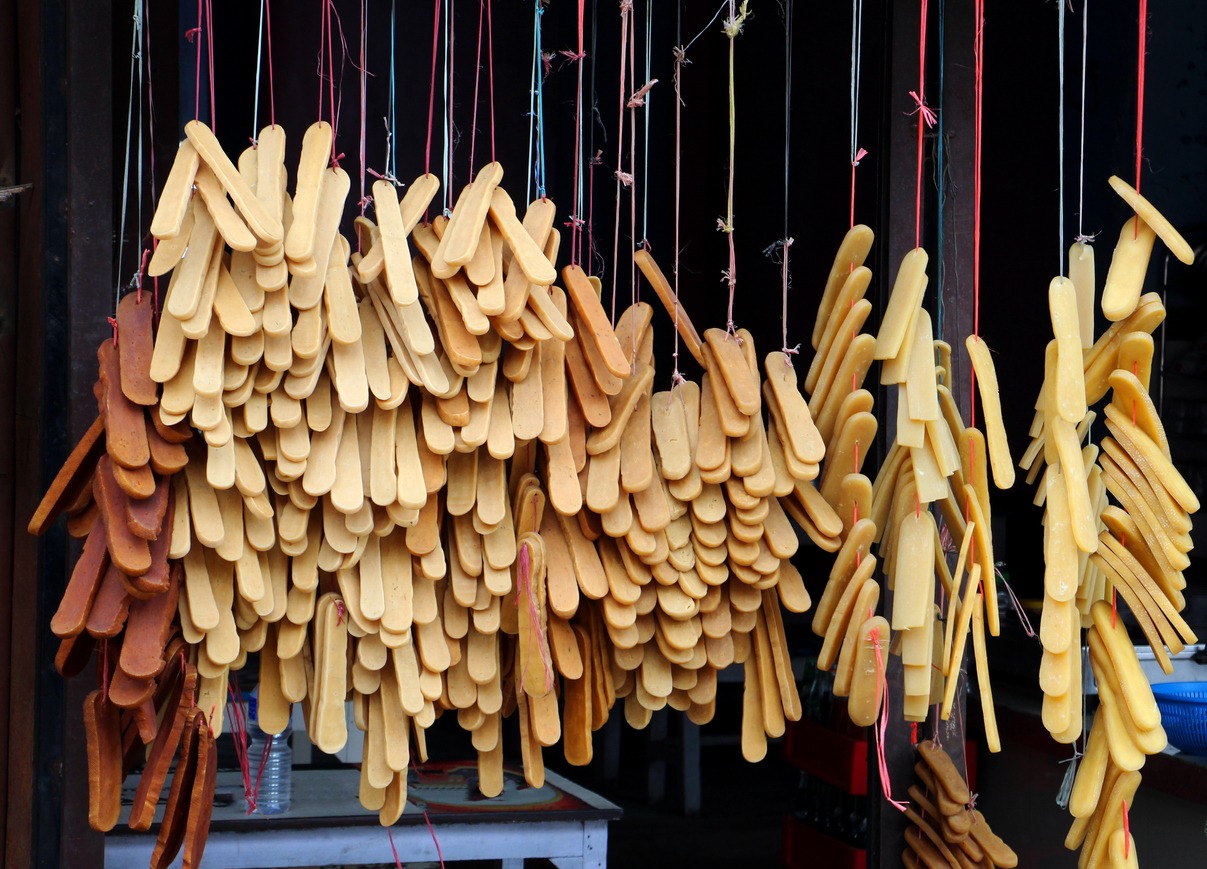
Chhurpi is a Tibetan cheese that’s known as one of the hardest cheeses in the world. Made from yak or cow milk, chhurpi is a prime example of Tibetan ingenuity, designed to withstand harsh climates and long journeys across the rugged Himalayan terrain.
How It’s Made:
The cheese-making process starts with separating curds from buttermilk. These curds are then dried, smoked, and aged outdoors for six to twelve months. This lengthy aging process is what gives chhurpi its extreme hardness and impressive shelf life, which anecdotes say can extend up to 20 years.
Flavor and Uses:
Chhurpi is chewy and has a grassy flavor influenced by the high-altitude grazing of yaks and cattle. Tibetans enjoy chhurpi in several ways: as a snack, softened in soups or teas, or grated over dishes. Fresh chhurpi, which is softer, is used in curries, soups, and even pickled vegetables. For Tibetans, chhurpi is more than just food; it’s a testament to their resourcefulness and adaptation to high-altitude life.
3. Chura
In regions near the Tibetan plateau, such as Deqin, locals enjoy a cheese known as Chura. Chura has a softer, butter-rich texture compared to chhurpi, and it’s traditionally used in steamed buns, providing a rich, melty filling that’s deeply satisfying.
How It’s Made:
Chura is made by combining curdled milk with butter, then kneading it into a soft, pliable cheese. It’s often steamed within buns, creating a savory filling that’s warming and nutritious—a practical treat for laborers working in the cold, mountainous environment.
Flavor and Uses:
Chura has a buttery, mild flavor that melts beautifully when heated. Tibetans often use it in buns or enjoy it as a snack, especially in colder months when its richness provides both comfort and sustenance.
4. Byaslag
Byaslag is a traditional Mongolian cheese with deep roots in Inner Mongolia. This firm, white cheese has a gentle flavor profile, often described as milky and mild, making it approachable for those unaccustomed to stronger cheeses. Mongolian herders craft byaslag without the use of salt or rennet, relying on natural fermentation.
How It’s Made:
Byaslag is typically made by allowing milk to sour naturally or with the help of a souring agent. The milk is then curdled and shaped into blocks. When fresh, it has a soft, chewy texture, and when dried, it resembles aged cheeses like Gouda or Edam.
Flavor and Uses:
Byaslag is often served in milk tea, paired with fried dough (boortsog), or alongside small dumplings (bansh). Its mild flavor complements both sweet and savory dishes, making it versatile within Mongolian cuisine. Byaslag embodies Mongolia’s nomadic lifestyle, reflecting centuries of dairy culture and self-sufficiency.
5. Eezgii
Eezgii is a unique Mongolian cheese with a toasted, caramelized flavor that sets it apart. Known for its crumbly texture and slightly sweet taste, eezgii is enjoyed as a snack or dessert by Mongolian herders and neighboring ethnic groups.
How It’s Made:
The process begins by toasting milk curds over an open fire until they develop a golden brown color and dry out, giving eezgii its distinctive grainy texture. This toasting also extends the cheese’s shelf life, making it suitable for storage without refrigeration.
Flavor and Uses:
With its subtly sweet, crumbly texture, eezgii makes for an enjoyable snack and is popular among nomadic cultures in Mongolia and parts of Siberia. This cheese is a testament to the adaptability of Mongolian dairy traditions, preserving milk in a form that can be carried and eaten on long journeys.
6. Rǔshān
Rǔshān, or “milk fan,” is a cheese from Yunnan Province that’s popular among the Bai people. Named for its fan-like shape, this cheese is a testament to the rich dairy culture of Yunnan.
How It’s Made:
Rǔshān is made by heating cow’s milk and stretching the resulting curds into thin sheets, and dried on bamboo poles. The sheets resemble fans, lending the cheese its name and its distinctive appearance.
Flavor and Uses:
Rǔshān is mild and slightly tangy, with a leathery texture when dried. It’s commonly fried with sugar or served grilled, making it a popular street food snack. Toppings like rose jam or condensed milk add a sweet twist, making this cheese a favorite among tourists and locals alike. Its origins date back centuries, showcasing Yunnan’s long-standing dairy traditions.
7. Rǔbǐng
Also from Yunnan, rǔbǐng is a cheese with a firm texture similar to paneer or halloumi. It’s typically made by the Bai and Yi ethnic groups, who use goat or sheep’s milk for its distinctive flavor.
How It’s Made:
Rǔbǐng is created by curdling milk with a souring agent and then pressing the curds into thin, flat cakes. This cheese is often cut into slices for cooking and doesn’t melt when heated, making it perfect for stir-frying or steaming.
Flavor and Uses:
Rǔbǐng has a mild, milky taste and a texture that holds up well in cooking. It’s commonly fried or stir-fried with vegetables, or steamed with cured ham. Some locals refer to it as “sheep tofu” due to its texture, highlighting the cultural crossover between dairy and tofu in Chinese cuisine.
8. Niúrǔ
Niúrǔ is a traditional cheese from Guangdong and Fujian provinces, typically made from buffalo milk. With a history stretching back to the Ming Dynasty, niúrǔ is one of China’s oldest cheeses.
How It’s Made:
Buffalo milk is curdled with vinegar, then shaped into small rounds or flattened circles and pressed with intricate designs using wooden molds. The cheese rounds are then brined to develop their flavor and preserved for later use.
Flavor and Uses:
Niúrǔ has a delicate, slightly tangy flavor and is often eaten with rice or porridge. It was once a luxury item known for its cooling properties in traditional Chinese medicine. Though now rare, niúrǔ remains a cultural treasure, reminding us of the rich dairy heritage in southern China.
Modern Chinese Dairy Innovations
Cheese Tea
Cheese tea, a modern twist on tea, has become wildly popular among younger generations in China. This innovative drink features a thick, creamy layer of foam made from cream cheese poured over traditional tea.
Flavor and Popularity:
Cheese tea originated in Taiwan around 2010, offering a unique flavor profile that blends the tanginess of cheese with the bitterness or sweetness of tea. This contrast makes for a refreshing experience, appealing to adventurous drinkers across the globe. The trend started around 2010 and shows how China’s tea culture continues to adapt and evolve.
Cheese Pops
Cheese pops are a recent dairy snack trend in China, combining cream cheese with fruit flavors to create a fun, nutritious treat for children. These pops contain a high cream cheese content, adding a nutritional boost to a playful snack.
Flavor and Popularity:
Available in a variety of flavors, cheese pops are designed to be both healthy and appealing to young tastes. They reflect China’s growing interest in dairy as a beneficial part of children’s diets, blending fun presentation with nutritional value.
The Influence of Western Cheese in China
Western cheeses like mozzarella, cheddar, and cream cheese have made their mark on China’s culinary landscape. Local dairies are even producing new varieties like “Beijing Grey,” a camembert-style cheese created by the Beijing-based cheesemaker Le Fromager de Pekin. It just goes to show that cheese is slowly finding its place in Chinese cuisine. While strong-smelling cheeses still face cultural resistance, increased exposure through media and travel is helping shape China’s cheese market.
Conclusion
China’s cheese scene is a fascinating blend of traditional and contemporary flavors. Whether it’s the hardy kurut of Xinjiang, the resilient chhurpi of Tibet, or the trendy cheese tea, each cheese tells a story of cultural adaptation and culinary innovation. As cheese gains popularity, these unique varieties are set to bring new flavors to Chinese cuisine, bridging time-honored practices with modern tastes.