What Are the Innovations and Challenges in Creating Vegan Cheese?
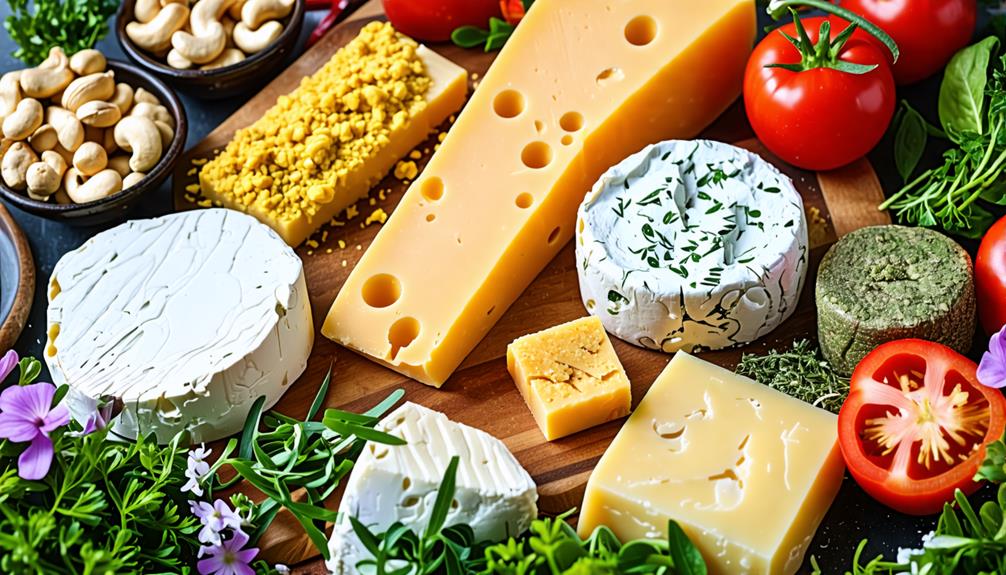
Innovations in vegan cheese include precision fermentation and microbial DNA engineering, which aim to replicate dairy's texture and flavor. However, challenges remain, such as achieving the ideal creaminess and stretchability that dairy cheese lovers desire. Balancing taste, sustainability, and production costs is crucial as the market for vegan cheese rapidly evolves. What solutions might emerge to address these gaps?
Innovations in Vegan Cheese Production
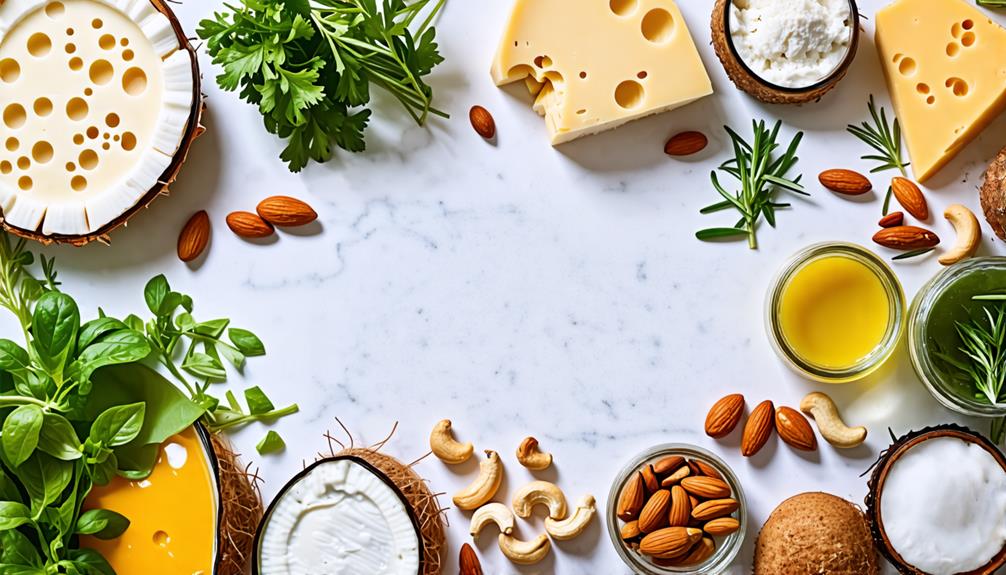
Innovations in vegan cheese production are revolutionizing the industry by enhancing textures and flavors in plant-based options. Precision fermentation is at the forefront of these advancements, allowing companies like New Culture to develop dairy-identical proteins that closely mimic the meltability and stretchability of traditional cheese. This technological leap significantly improves the overall texture of vegan cheese, making it more palatable for consumers.
Advanced food technologies, such as microbial DNA engineering, are also reshaping production techniques. These methods not only boost efficiency but also encourage sustainable practices in creating plant-based alternatives. Additionally, improvements in ingredient sourcing have led to the use of high-protein isolates from legumes and nuts, elevating the nutritional profile of vegan cheese.
Producers are increasingly adopting traditional aging and fermentation methods to enhance the flavor complexity and authenticity of their products. Consequently, a growing variety of vegan cheese options now rival traditional cheese in taste and texture, making plant-based alternatives more accessible and appealing.
Key Challenges Faced
Despite significant advances in vegan cheese production, several key challenges still hinder its widespread acceptance and enjoyment among consumers. One major issue is texture; replicating the creamy, stretchable qualities of traditional dairy cheese remains difficult. Many plant-based cheeses fall short in this area, impacting overall satisfaction.
Additionally, current formulations often lack sufficient protein content, essential for mimicking the functionalities of casein found in dairy cheese. This shortfall can leave consumers feeling unsatisfied if they seek a comparable experience. Allergen concerns also limit its appeal, as common plant-based ingredients like nuts and soy may exclude those with dietary restrictions.
Moreover, producing high-quality vegan cheese can be more expensive than traditional cheese, creating barriers to market penetration. To meet consumer expectations, ongoing product innovation and market research are necessary to address these taste and texture issues. As efforts continue to refine these aspects, the hope is that consumers will accept vegan cheese as a delicious alternative rather than a compromise.
Sustainability and Ethical Practices
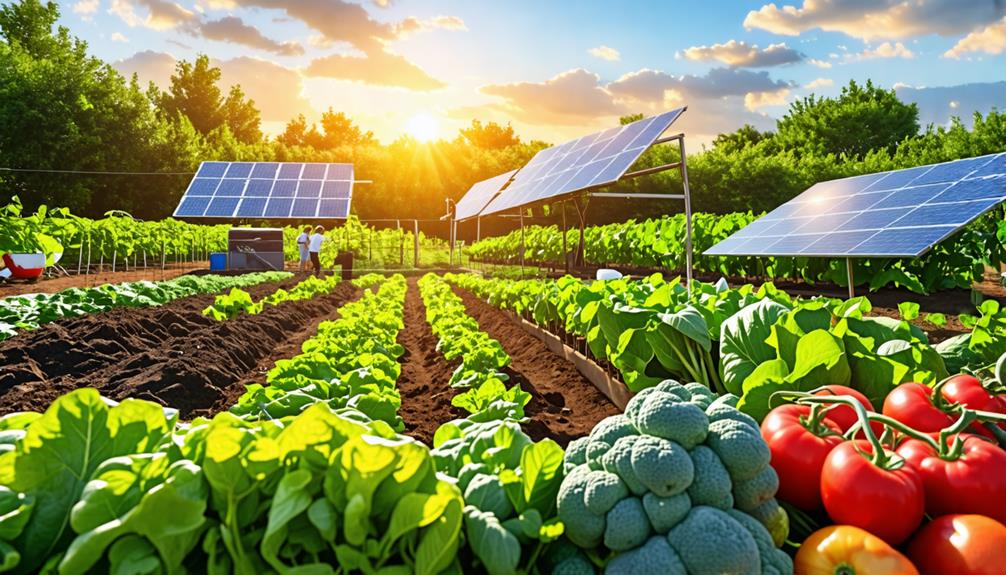
Sustainability and Ethical Practices in the Vegan Cheese Movement
Sustainability and ethical practices are integral to the vegan cheese movement, attracting consumers who prioritize environmental and social responsibility in their food choices. The rising demand for plant-based cheese is prompting companies to adopt strategies that minimize environmental impact and ensure ethical sourcing. Key aspects include:
- Lower Greenhouse Gas Emissions: Compared to traditional dairy cheese, plant-based cheese production significantly reduces greenhouse gas emissions.
- Sustainable Ingredient Sourcing: Companies use clean-label components that meet health-conscious consumer preferences and environmental standards.
- Innovative Packaging: Brands are adopting sustainable packaging solutions to reduce waste and enhance eco-friendly practices.
- Research and Development: Continuous research into plant-based proteins and production methods is essential for developing more sustainable and nutritious cheese alternatives.
These efforts reflect a broader commitment to sustainability and ethics in the food industry, making vegan cheese a responsible choice for conscientious consumers.
Market Trends and Consumer Demand
The vegan cheese market is experiencing significant growth, with projections indicating an increase from US$1.5 billion in 2022 to US$3.4 billion by 2030. This expansion is driven by the rising interest in plant-based diets, reflecting key market trends and consumer demand for innovative dairy-free cheese options.
| Key Factors | Impact on Vegan Cheese Market |
|---|---|
| Health Awareness | Increased demand for nutritious options |
| Bold Flavors | 29% of consumers seek more varied flavors |
| Environmental Sustainability | Ethical concerns driving market growth |
| Versatility of Mozzarella | Popular choice in food service |
| Regional Growth | Expansion in Asia-Pacific markets |
As you explore the food industry, it becomes evident that health, environmental sustainability, and ethical concerns are central to your choices. The popularity of mozzarella-style vegan cheese highlights the demand for familiar flavors, making it suitable for various culinary applications. With the growing vegetarian and vegan population, particularly in the Asia-Pacific region, the variety and innovation in vegan cheese options are expected to expand, catering to diverse tastes and preferences.
Future Outlook and Opportunities
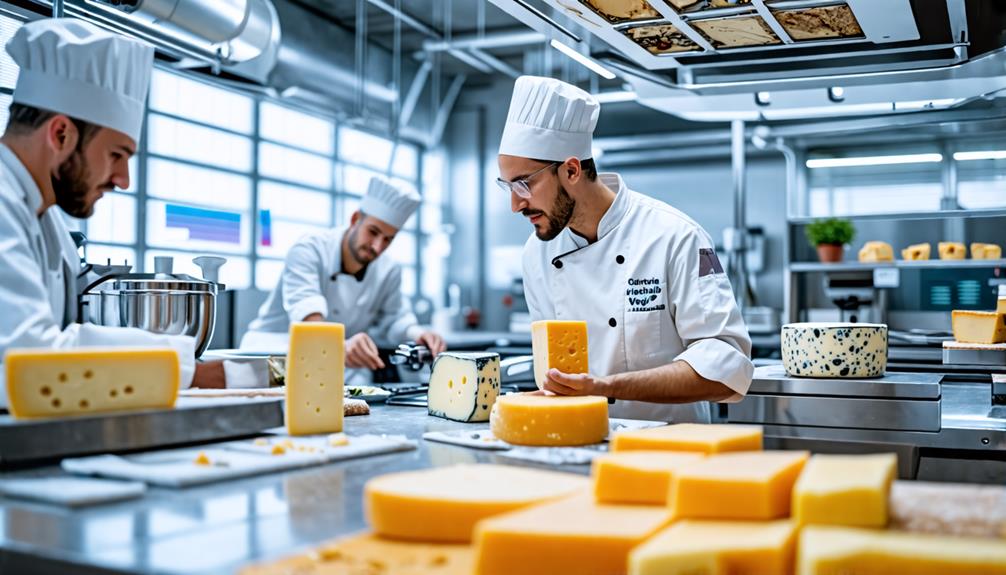
As the demand for plant-based alternatives continues to rise, opportunities abound for innovative vegan cheese products that cater to evolving consumer preferences. The market for plant-based cheese is projected to reach approximately US$3.4 billion by 2030, driven by consumer demand for health-conscious and sustainable options. Innovations like precision fermentation are making it possible to create meltable, stretchable vegan cheeses that closely mimic dairy textures and flavors.
Here are some future opportunities to consider:
- Exploring novel ingredients such as chickpea and sunflower seed proteins to enhance the nutritional profile.
- Developing clean-label products that emphasize transparency and sustainability through simple and recognizable ingredients.
- Introducing gourmet plant-based cheese options that appeal to culinary enthusiasts and elevate the dining experience.
- Focusing on sustainability, ensuring that production methods minimize environmental impact.
Conclusion
The vegan cheese industry is witnessing significant innovations, such as precision fermentation and microbial DNA engineering, which are enhancing flavors and textures. However, challenges persist, including optimizing protein content, addressing allergen concerns, and managing production costs. By focusing on sustainability and ethical practices, the future of vegan cheese looks promising. Embracing these advancements can lead to delicious, dairy-free options that appeal to a growing consumer base seeking healthier, ethical choices.