What Is Mascarpone? Historical Origins, Uses & Smart Substitutes
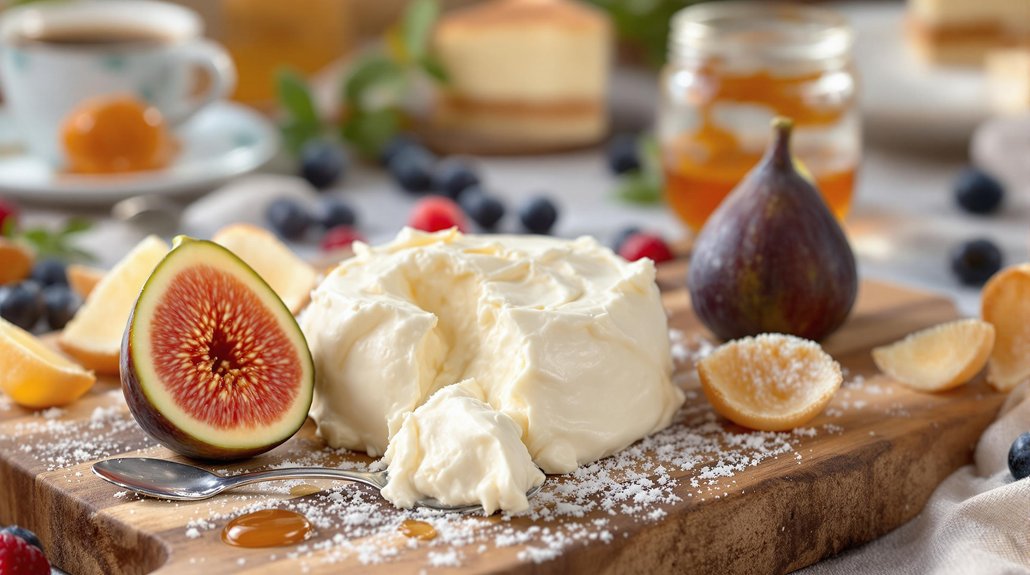
Mascarpone is a velvety Italian cheese from Lombardy with 60-75% fat content, offering a sweet, subtly tangy flavor. Dating back to the 16th-17th century, it's famously used in tiramisu, but also enhances pasta sauces, risottos, and desserts. When refrigerated, it lasts 5-7 days unopened and 3-5 days opened. If you're out of mascarpone, several alternatives can mimic its luxurious texture and subtle complexity in your favorite Italian dishes.
The Creamy Italian Delight: What Exactly Is Mascarpone?
Mascarpone stands as one of Italy's most cherished culinary treasures, a velvety cheese that bridges the gap between cream and cheese. This luxurious Italian cheese is crafted from cream that's been carefully coagulated, resulting in its distinctive smooth, spreadable texture. With a high fat content between 60-75%, mascarpone delivers an indulgent richness that few dairy products can match.
Unlike many traditional cheeses that require rennet for coagulation, mascarpone is typically made using only acid to separate the curds. You'll recognize mascarpone by its sweet, subtly tangy flavor profile that makes it remarkably versatile. While it's famously known as the star ingredient in traditional tiramisu, this creamy delight extends far beyond desserts.
You'll find mascarpone elevating both sweet and savory dishes—from enriching pasta sauces to creating silky frostings for cakes. Its origins in northern Italy's Lombardy region speak to its centuries-old culinary heritage.
A Journey Through Time: The Northern Italian Origins of Mascarpone
Deep in the lush countryside of northern Italy's Lombardy region, a culinary tradition was born that would eventually captivate the world's palates. Mascarpone emerged in the late 16th or early 17th century, with its name derived from Lombard dialect words "mascara" or "mascarpia," both referring to ricotta cheese.
Unlike its cousin ricotta, mascarpone is made by heating cream and adding acid to coagulate milk solids, creating an essential Italian ingredient with 60-75% fat content. Today, you'll find it featured in countless sweet desserts and savory dishes.
- Traditional preparation involves straining and draining the curds
- Its ultra-creamy texture distinguishes it from other Italian cheeses
- While associated with desserts like tiramisu, it's versatile enough for both sweet and savory applications
This rich cheese emerged during a period when Italy had become the cheesemaking center of Europe in the 10th century, following centuries of Roman influence on the craft.
From Cream to Cheese: How Traditional Mascarpone Is Produced
The transformation of simple cream into exquisite mascarpone follows a time-honored process that dates back centuries. This Italian cream cheese begins with high-quality cream that's gently heated before an acid like lemon juice or vinegar is introduced. This critical step causes the cream to curdle, creating the foundation for mascarpone's distinctive texture.
After curdling, you'll find the mixture is carefully drained and pressed to remove excess moisture—a technique that gives mascarpone its luxuriously velvety consistency. While originally made from water buffalo milk in Lombardy, today's mascarpone is typically made from cow's cream.
The cheese undergoes a brief aging period to develop its subtle flavor profile before it's ready to be used in both sweet and savory Italian dishes, from classic tiramisu to rich risottos.
The Culinary Star: Mascarpone's Role in Classic Italian Desserts
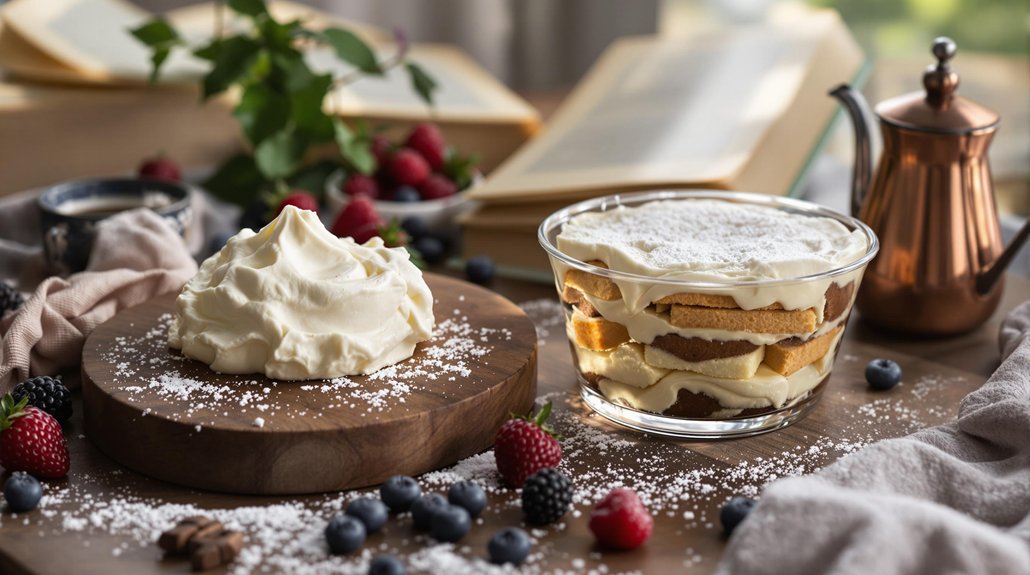
When exploring the world of Italian desserts, you'll inevitably encounter the creamy decadence of mascarpone taking center stage. This luxurious cheese, with its 60-75% fat content, delivers a velvety texture and rich flavor that's become essential in classic Italian sweet creations.
While tiramisu might be mascarpone cheese's most famous showcase, its versatility extends far beyond this coffee-infused favorite. The slightly sweet, tangy profile of this heavy cream derivative makes it perfect for:
- Creating luscious fillings for tarts and pastries
- Adding silky smoothness to cakes and confections
- Elevating savory dishes like risottos and pasta sauces
You'll find that mascarpone's ability to balance richness with subtle complexity makes it irreplaceable in desserts such as tiramisu and countless other Italian culinary treasures.
Beyond Tiramisu: Creative Savory Applications for Mascarpone
While mascarpone shines in desserts, its culinary versatility extends far beyond the sweet domain. This Italian cream cheese can transform ordinary savory Italian dishes into extraordinary culinary experiences with its rich, creamy texture.
You'll find mascarpone elevating pasta sauces to new heights when melted in to create a luxurious mouthfeel that coats each bite perfectly. Try incorporating it into risotto, lasagna, or gnocchi for added depth and silkiness. Its mild, slightly sweet profile makes it a versatile ingredient that pairs beautifully with both delicate ingredients like prosciutto and bolder flavors such as roasted garlic.
Don't overlook mascarpone as a sophisticated spread for bruschetta and crostini, or as an enriching element in creamy soups and stews where it contributes velvety consistency without overwhelming other flavors.
Nutritional Profile: Understanding Mascarpone's Fat Content and Benefits
Understanding mascarpone's nutritional composition reveals why this Italian cheese delivers its characteristic decadence. Made from cows milk, mascarpone contains 60-75% milk fat, which contributes to its richness and creaminess. This high fat content creates that velvety texture you love in tiramisu and other dishes.
Despite its indulgent nature, mascarpone offers some nutritional advantages:
- It's a good source of calcium and protein, supporting bone health and muscle function
- Compared to many cheeses, it's lower in sodium, making it a better option for those monitoring salt intake
- Its concentrated flavor means a little goes a long way, helping you control portions
Remember to enjoy mascarpone in moderation as part of a balanced diet to benefit from its luxurious qualities without overindulging.
In a Pinch: Top 5 Substitutes When You're Out of Mascarpone
Many home cooks find themselves halfway through a recipe only to discover they're out of mascarpone. Don't panic—several alternatives can save your Italian dessert made with this soft Italian cheese.
Ricotta offers a similar creamy texture and mild flavor, making it perfect for tiramisu. Cream cheese, commonly used in American kitchens, works well when softened slightly. For a tangier option, Greek yogurt provides a healthier alternative with less fat.
Quark, a German fresh cheese, serves as an excellent 1:1 substitute with nearly identical consistency. Crème fraîche, which contains natural tartaric acid like mascarpone, works beautifully in both sweet and savory applications.
If you're feeling adventurous, you can even make your own substitute by blending cream cheese with a touch of lemon juice or vinegar for acidity.
Homemade Mascarpone: A Simple Guide to Making It Yourself
If you've ever wanted to create authentic Italian desserts but couldn't find mascarpone at your local store, you'll be delighted to know that making it yourself is surprisingly straightforward. While it's often used in tiramisu and believed that mascarpone originated in Lombardy, Italy, you can recreate this luxurious cheese in your kitchen.
The process requires just two ingredients:
- Heavy cream (not made from the whey like some cheeses)
- An acid (lemon juice or vinegar will make a perfect curdling agent)
Simply heat the cream, add your acid of choice, and strain the mixture through cheesecloth. Remember that homemade mascarpone has a shorter shelf life of about one week, but the fresh flavor when used as a filling for desserts makes it worth the effort.
Storage and Shelf Life: Keeping Your Mascarpone Fresh and Flavorful
Whether you've purchased creamy mascarpone from a specialty store or made your own batch at home, proper storage is key to maintaining its luxurious texture and delicate flavor. This slightly sweet Italian cheese has a remarkably short shelf life—just about one week when refrigerated properly below 40°F.
Unlike Greek yogurt, which can last several weeks, mascarpone requires special attention. Keep it tightly covered to prevent air exposure, especially when used in desserts where freshness matters. Unopened containers maintain quality for 5-7 days past the printed date, while opened mascarpone should be consumed within 3-5 days.
Avoid freezing at all costs—different types of mascarpone all suffer texturally when frozen, turning grainy and separated. In some local dialect expressions, Italians say good mascarpone should be eaten quickly, not saved.