What Is Soft-Ripened Cheese?
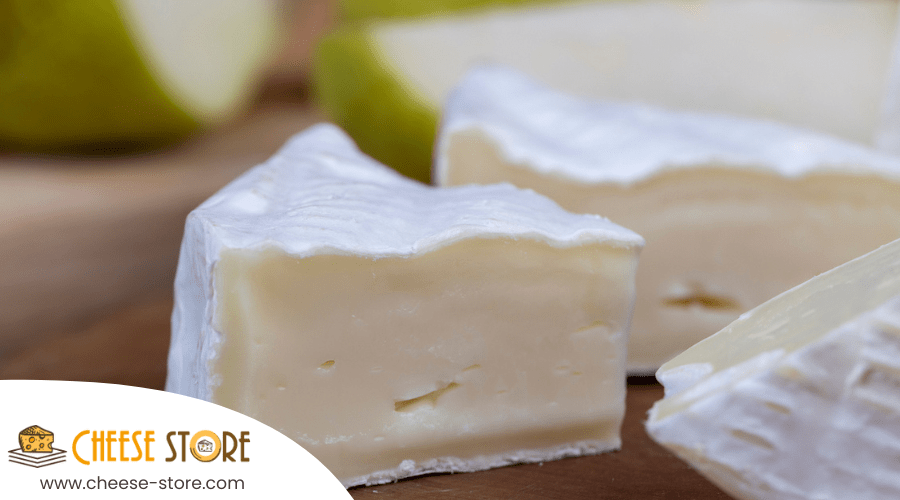
Creamy. Buttery. Velvety. All of these words describe the irresistible allure of soft-ripened cheeses. These cheeses, often called "bloomy-rind" cheeses, are aged in a way that gives them a unique texture, developing a thin, edible white rind and a smooth, luscious center. For cheese lovers, they are the epitome of indulgence, offering a mouthwatering combination of soft exteriors and oozy, flavorful interiors. Think of a wheel of Brie with its distinctive white coating and buttery center that practically melts on your tongue. Learn about the world of soft-ripened cheeses, explore what makes them so unique, and learn how to enjoy them at their best.
What Makes Cheese “Soft-Ripened”?
Soft-ripened cheeses are known for their high moisture content, which makes them distinctly creamy, even gooey, when fully ripe. Unlike hard cheeses, soft-ripened cheeses are aged from the outside inward, meaning their aging begins with the rind. Cheesemakers add specific mold cultures to the cheese, such as Penicillium camemberti, which helps form a soft white rind. Over time, these mold cultures break down the proteins and fats inside the cheese, creating that signature texture that cheese enthusiasts adore.
This ripening process distinguishes soft-ripened cheeses from their harder counterparts, which age more uniformly throughout and become firmer over time. Soft-ripened cheeses are also generally younger, and they often have milder flavors than aged cheeses, although they can still carry earthy and slightly tangy notes. The result is a luxurious cheese with a soft, often gooey center, perfect for spreading, savoring, and pairing.
The Bloomy Rind: What Is It and How Does It Develop?
The term "bloomy rind" describes the soft, edible coating that forms on the outside of these cheeses. This rind is the product of carefully introduced mold cultures, which create a velvety, white outer layer as the cheese ages. This mold also contributes to the cheese's flavor profile, adding an earthy, mushroom-like quality that complements the cheese’s creamy interior. When you cut into a piece of Brie or Camembert, you’ll notice that the rind adds a subtle yet distinct taste, blending seamlessly with the creamy core.
This bloomy rind is a hallmark of the soft-ripened cheese family and is completely edible. In fact, many cheese aficionados believe the rind is essential to experiencing the full flavor and texture of the cheese. As it ripens, the cheese closest to the rind tends to be gooier, while the center remains firmer, providing a delightful contrast of textures with each bite.
Key Characteristics of Soft-Ripened Cheese
Soft-ripened cheeses stand out for their unique characteristics, which set them apart from other cheese varieties:
- Texture: The inside is creamy, often gooey, and easily spreadable. The rind adds a slight chewiness that enhances the eating experience.
- Flavor Profile: Mild yet complex, with hints of earthiness and slight tanginess. The mold on the rind often imparts a faint mushroom flavor.
- Aroma: These cheeses tend to have a distinctive, earthy aroma due to the mold cultures used. It’s not overpowering, but it adds to the overall sensory experience.
These qualities make soft-ripened cheeses versatile for various culinary uses, whether served on a cheese board, paired with fruits and wine, or even baked into a gooey, comforting dip.
Popular Types of Soft-Ripened Cheese
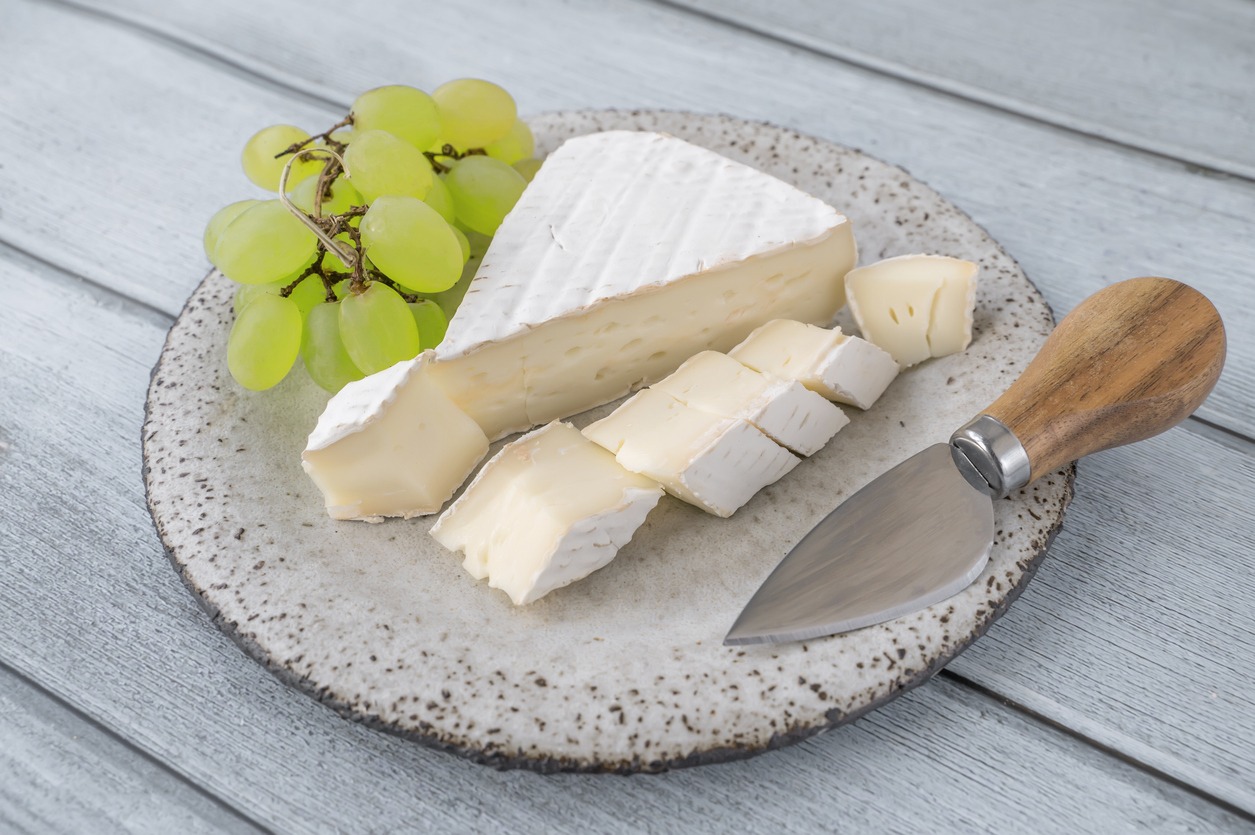
When it comes to soft-ripened cheeses, several varieties stand out and have become favorites worldwide. Here are a few you might recognize:
- Brie: Known for its mild, buttery flavor and creamy texture, Brie is a French classic that has become a staple on cheese boards around the world. Its soft, bloomy rind and luxurious interior make it perfect for spreading or baking.
- Camembert: Similar to Brie but with a slightly bolder flavor, Camembert is a rustic French cheese that offers a rich, earthy taste. Camembert is often more aromatic than Brie, making it a favorite for those who enjoy a cheese with a bit more character.
- Triple-Crème Cheeses: Richer than Brie and Camembert, triple-crème cheeses like Brillat-Savarin and Explorateur contain extra cream, giving them an indulgent, velvety texture and mild flavor. These cheeses are incredibly soft and practically melt in your mouth.
- Coulommiers: Often considered a cousin of Brie, Coulommiers is slightly smaller in diameter and has a firmer, denser texture. It offers a more concentrated flavor while still embodying the creamy qualities of soft-ripened cheeses.
- Neufchâtel: A heart-shaped cheese from Normandy, Neufchâtel has a similar texture to Brie but a saltier, tangier flavor. This French cheese is a delightful addition to any cheese platter.
The Creamy Core: Texture and Taste Experience
The texture of soft-ripened cheeses is a significant part of their appeal. When fully ripe, these cheeses have an irresistibly creamy interior that contrasts beautifully with the soft, velvety rind. Unlike hard cheeses, which age to become firmer and more crumbly, soft-ripened cheeses stay supple and smooth, making them ideal for spreading on crusty bread or pairing with fresh fruit.
As you bite into a piece of soft-ripened cheese, the taste experience unfolds in layers: the slight resistance of the rind, the immediate creaminess as the cheese melts on your tongue, and the subtle flavors of milk, earth, and a hint of tang. For cheese lovers, this combination of textures and flavors is nothing short of heavenly.
How to Serve and Enjoy Soft-Ripened Cheese
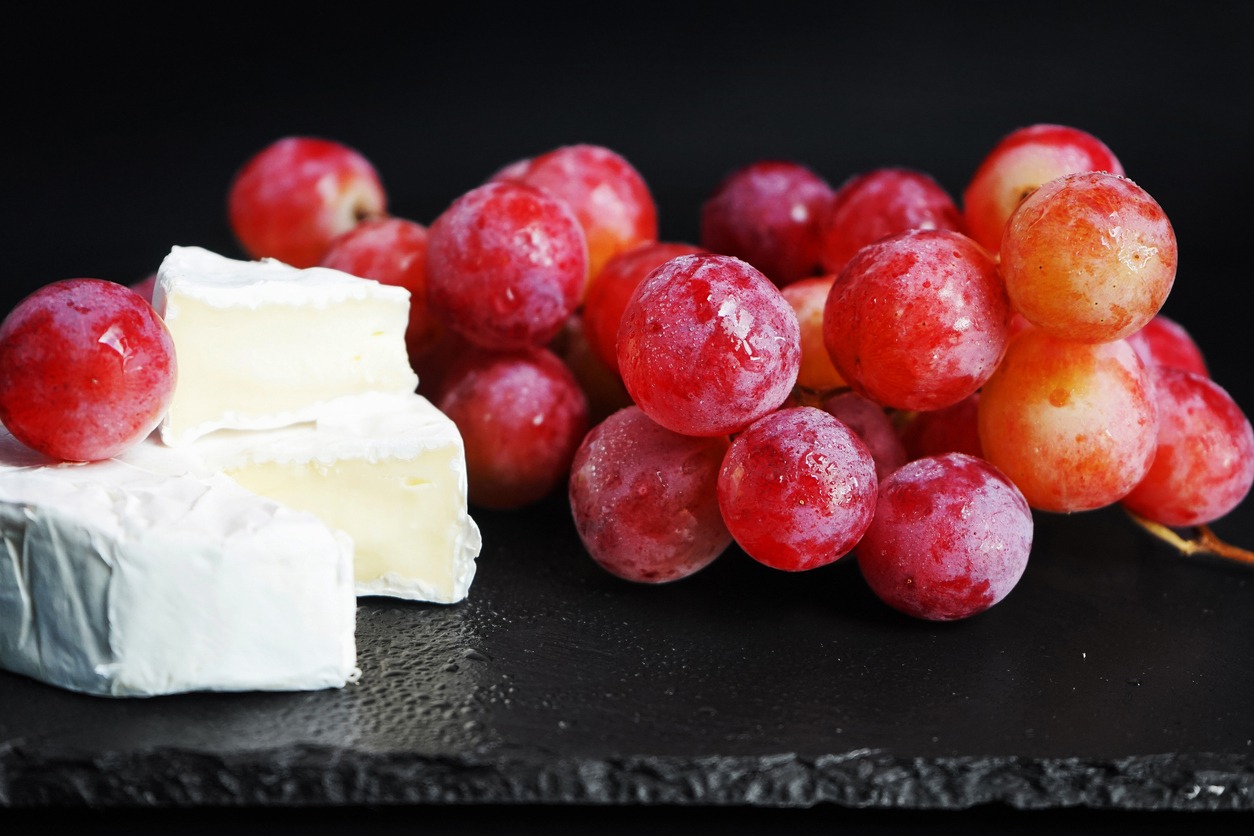
To fully appreciate the flavors of soft-ripened cheeses, serving them correctly is essential:
- Serving Temperature: Soft-ripened cheeses are best served at room temperature. Remove them from the fridge about 30–45 minutes before serving to allow the flavors and texture to develop fully.
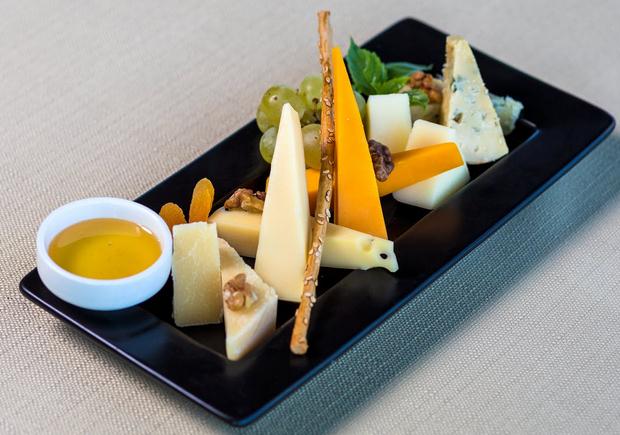
- Accompaniments: These cheeses pair well with a range of foods. Fresh fruits like apples, pears, and grapes, along with nuts and honey, complement the creamy texture. A rustic baguette or crackers add a perfect crunch.
- Wine Pairings: Soft-ripened cheeses pair beautifully with sparkling wines, light whites, and fruity reds. Champagne, Chardonnay, and Pinot Noir are popular choices, as they balance the creaminess without overwhelming the cheese’s subtle flavors.
How to Store Soft-Ripened Cheese
Proper storage is key to preserving the quality of soft-ripened cheeses:
- Wrapping: Avoid plastic wrap, which can trap moisture and create an overly humid environment. Instead, use wax or parchment paper, which allows the cheese to breathe.
- Refrigeration: Store soft-ripened cheeses in the warmest part of the fridge, usually the vegetable drawer. The cheese should be kept in an airtight container to prevent odors from other foods from affecting its flavor.
- Consumption Timeline: Soft-ripened cheeses are at their best within a few days of purchase. If the cheese is fully ripe, plan to enjoy it within a week for optimal flavor and texture.
How Soft-Ripened Cheese Compares to Other Types
Soft-ripened cheeses are part of a diverse world of cheeses, each with unique characteristics. Here’s a quick comparison:
- Blue Cheeses: While soft-ripened cheeses are creamy and mild, blue cheeses are pungent and tangy, with a crumbly texture. They’re aged with a different type of mold that creates blue-green veins inside.
- Hard Cheeses: Cheddar, Parmesan, and Gouda are firm and dense due to longer aging times, making them ideal for grating or slicing. Hard cheeses develop intense, complex flavors, which differ from the mild, buttery notes of soft-ripened varieties.
- Washed-Rind Cheeses: These cheeses, like Taleggio and Limburger, develop a strong aroma and an orange rind from being bathed in brine or alcohol. They’re soft but not as creamy as soft-ripened cheeses and have a more robust, tangy flavor.
This variety makes it easy to find a cheese for every taste and occasion, from the mild indulgence of soft-ripened cheeses to the robust flavors of blue and hard cheeses.
Conclusion
Soft-ripened cheeses are a true delicacy, embodying a perfect balance of creamy textures, earthy flavors, and mild aromas. Their unique ripening process and edible bloomy rind create an unforgettable tasting experience, whether enjoyed on a simple cheese board, paired with wine, or baked into a warm, gooey dip. For those looking to explore the world of cheese, soft-ripened varieties offer an accessible yet indulgent introduction to the art of cheesemaking.
So, next time you’re at the cheese counter, consider reaching for a wheel of Brie, a wedge of Camembert, or perhaps a luxurious triple-crème. These cheeses are not only a feast for the taste buds but also a reminder of the rich traditions and artistry behind cheesemaking. Enjoy them with friends, savor them with wine, and let each creamy bite transport you to the heart of a centuries-old culinary tradition.