Why is Cheese Commonly Created in a Wheel Form?
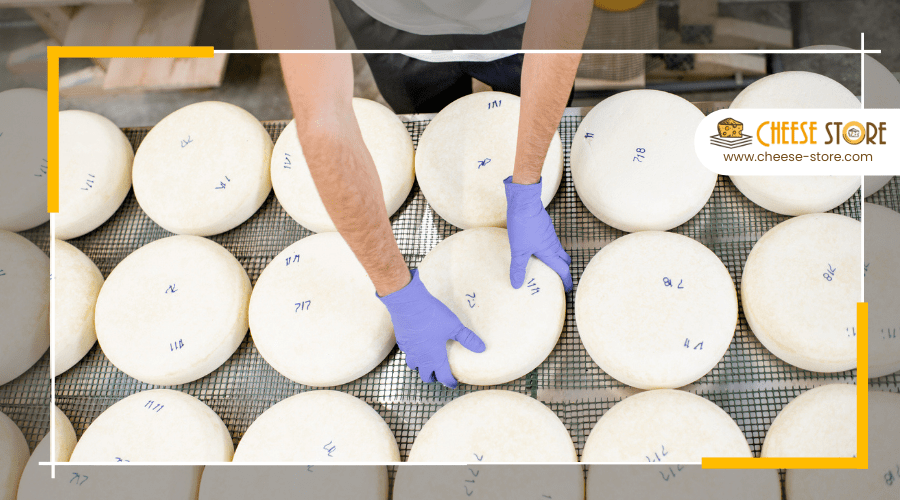
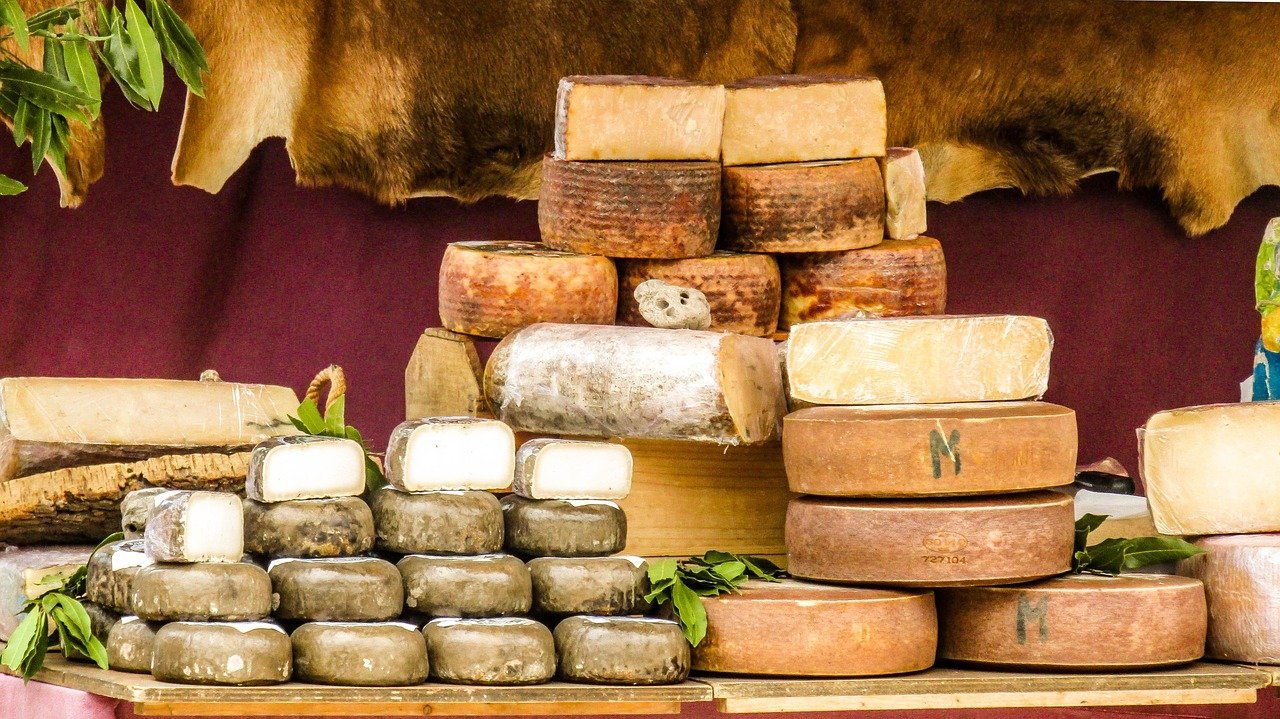
Cheese wheels are a common sight in markets and cheesemongers around the world. This shape has been used for centuries, and there are practical reasons behind it. To know more, here are the reasons and the science behind why cheese is commonly created in a wheel form.
Historical Reasons
Cheese-making dates back thousands of years, with early evidence found in ancient Egypt around 2000 BCE. In those times, cheese was produced in simple, round forms because the tools and techniques available made this shape practical. The round shape allowed for an even distribution of pressure during the pressing process, which was done by hand or with rudimentary tools.
In medieval Europe, cheese-making continued to evolve, but the wheel form remained popular. Monks in France and Switzerland during the Middle Ages played a key role in refining cheese-making techniques. They used wooden molds to shape cheeses into wheels, allowing for easy aging and storage in monastic cellars.
In the early centuries of cheese-making, transporting cheese from rural farms to markets was difficult. The wheel shape made it easier to roll or stack cheeses for transportation by cart or horse-drawn carriage. In the 12th century, cheese merchants in France and Italy commonly used wheels to move large batches of cheese to urban markets.
The shape also helped with storage. Cheese wheels could be stacked in cellars without the risk of breaking or losing their shape. In regions like Switzerland, where cheeses like Gruyère were aged in Alpine caves, wheels were easier to rotate and manage during the aging process, ensuring consistent quality throughout.
Practical Advantages of the Wheel Form
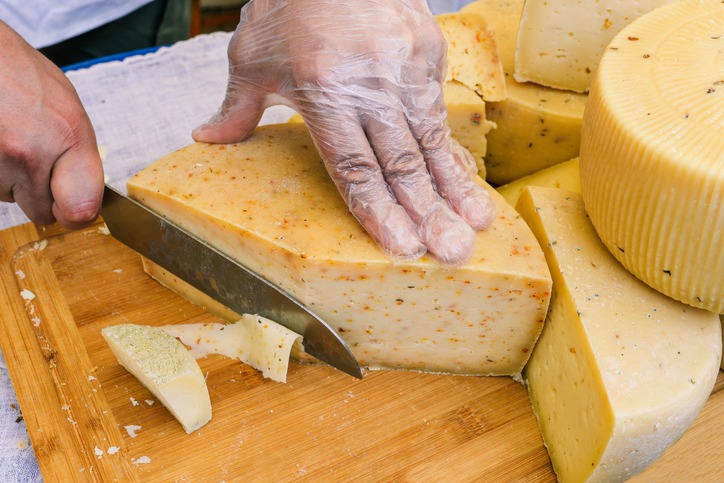
The wheel shape of cheese is not only a tradition but also serves several practical purposes that have kept it popular for centuries. The form helps with various aspects of the cheese-making process and storage, benefiting both producers and consumers. Here are some key advantages of the wheel form:
- Even Aging: The round shape of a cheese wheel allows for an even distribution of moisture and bacteria during the aging process. This results in consistent flavor and texture throughout the entire wheel. Cheeses like Parmigiano-Reggiano benefit from this uniform aging, giving them a smooth rind and rich interior.
- Protection from Drying: As cheese ages, it develops a rind that helps protect it from drying out. A wheel provides more surface area for this protective layer to form evenly. The rind acts as a natural barrier, preserving the quality of the cheese while it ages for months or even years.
- Ease of Cutting: A wheel is easy to cut into wedges, which are then sold or served. This shape allows for consistent portions, making it convenient for both cheese makers and sellers. Wheels are often divided into equal sections that maintain the balance of texture and flavor in each piece.
- Shape Stability: Cheese's round shape helps prevent cracking during aging. A wheel distributes weight evenly across its structure, allowing it to hold its shape even as moisture levels change. This stability is especially important for larger cheeses that undergo long aging processes.
- Efficient Storage: Wheels are ideal for stacking in storage areas like cellars or caves. Their shape allows them to be rotated easily during aging, which is essential for ensuring even maturation.
Structural Benefits
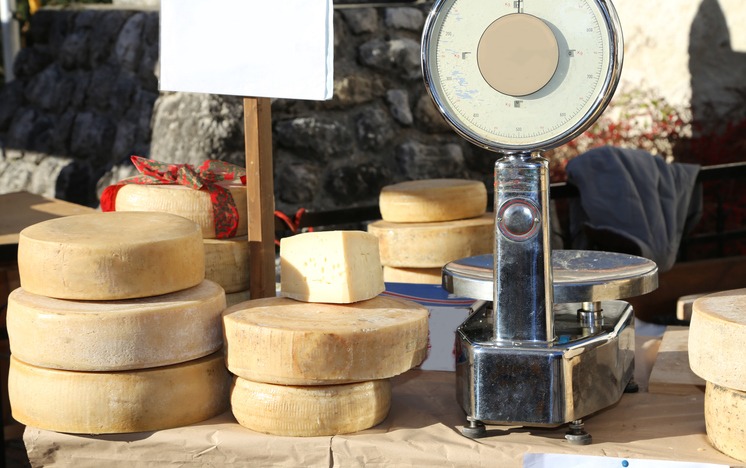
The wheel form of cheese offers structural advantages that make it practical for cheesemakers. These are the structural benefits of creating cheese in a wheel form:
- Weight Distribution: The round shape of a wheel helps distribute the weight evenly, preventing the cheese from collapsing under its own weight. This is especially useful for larger cheeses that are aged for long periods, like Gruyère or Parmigiano-Reggiano.
- Reduced Cracking: A wheel form helps minimize the risk of cracks forming in the cheese during aging. The round shape allows the cheese to maintain its structure as it loses moisture over time. Cracking is less likely compared to cheeses made in other shapes.
- Rind Formation: The surface area of a wheel supports the formation of a thick, even rind. This rind helps protect the cheese during its long aging process, preserving the interior texture and flavor. The rind also adds structural stability to the cheese.
- Ease of Rotation: Cheese wheels are easy to rotate during aging, which helps promote even maturation. Regular rotation is necessary for cheeses that are aged in cellars, as it prevents the cheese from settling unevenly. The round shape makes this process simple and efficient.
Modern Uses of Cheese Wheels
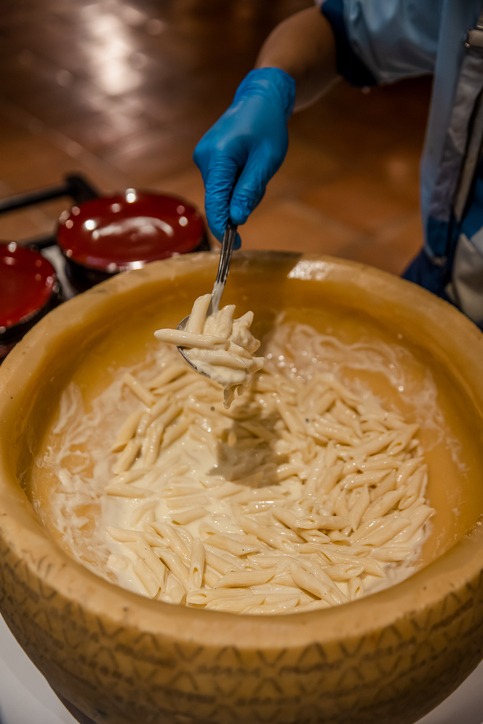
Despite being an ancient practice, the art of creating cheese in a wheel form is still used in modern ways that highlight their versatility and appeal. From food preparation to marketing, cheese wheels remain popular in today’s world. Below are the modern uses of cheese wheels:
- Cheese Wheel Pasta: Restaurants often prepare pasta using large wheels of cheese like Parmesan or Pecorino. Hot pasta is tossed inside the hollowed-out wheel, allowing the cheese to melt and coat the dish. This creates a rich and creamy flavor that is popular in upscale dining.
- Cheese Displays and Events: Whole cheese wheels are often used as eye-catching displays at food markets, festivals, or weddings. These large wheels serve both as a visual centerpiece and a source of fresh, cut-to-order servings.
- Aging and Specialty Varieties: Some modern cheesemakers are experimenting with different types of cheese wheels to create new flavors and textures. They use the wheel form to age cheese in various conditions, including caves or temperature-controlled rooms, to develop unique characteristics.
- Artisanal Marketing: Cheese wheels are often marketed as symbols of high-quality, artisanal production. Small, independent dairies use whole wheels to showcase their commitment to traditional methods.
Conclusion
The wheel form has been a practical choice for cheesemakers for centuries, offering benefits in aging, storage, and handling. Its structure helps maintain the quality of the cheese while allowing for efficient production and transportation. Even today, the cheese wheel remains a symbol of tradition and craftsmanship, and it continues to serve both functional and aesthetic purposes in the world of cheese-making.