3D-Printed Cheese: Can Technology Create Custom Cheese Designs?
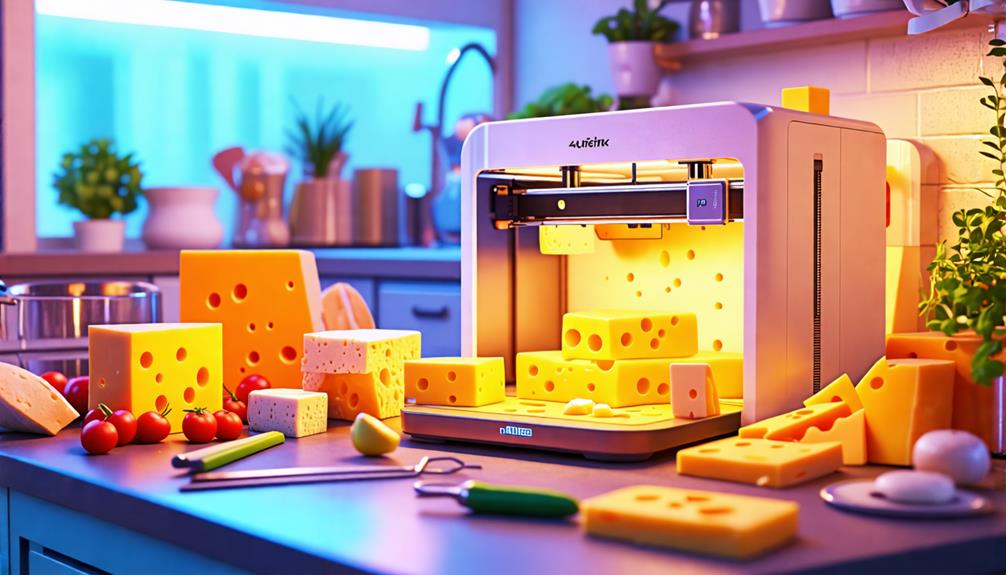
Imagine walking into a restaurant where the cheese on your plate is not just a familiar wedge but a custom design created specifically for you. 3D-printed cheese leverages advanced technology to craft unique shapes and potentially even personalized flavors. This innovation raises intriguing questions about its impact on the culinary world. While some may embrace the novelty, others might have concerns about the taste and texture of this pioneering product. What does this mean for traditional cheese-making practices, and could it revolutionize your dining experience? The answers could fundamentally change how we perceive and enjoy food.
Overview of 3D Printing Cheese
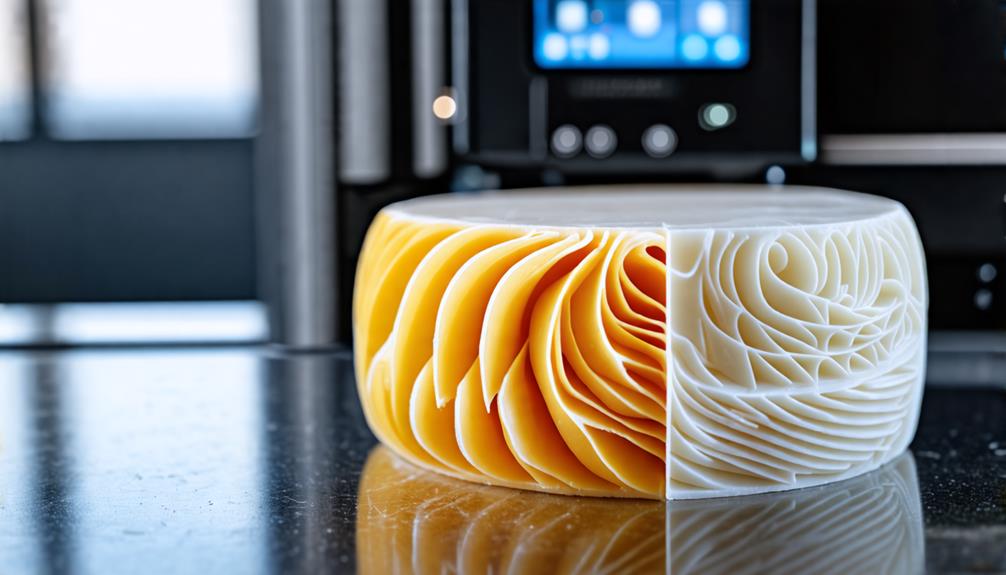
3D printing cheese revolutionizes snack preparation by merging traditional cheese products with cutting-edge technology to create customizable and visually appealing designs. This innovative approach to cheese production introduces a new level of creativity and personalization to your snacks. Imagine preparing custom cheese shapes that cater to your preferences, whether you're hosting a party or enjoying a quiet evening at home.
Developed by Andrew Maxwell-Parish, 3D printing cheese combines culinary artistry with engineering precision. The technique not only automates the dispensing process but also opens up endless possibilities for unique presentations. You can print cheese in various forms, from playful animals to elegant decorations, adding a fun twist to your meals.
With the ability to tailor portions to your liking, 3D printing enables you to create personalized snacks that reflect your taste. This advancement in food technology signifies a shift in how we think about cheese, transforming it from a standard ingredient into a canvas for culinary expression. Embrace this trend to enhance your snack game with custom cheese designs that impress and delight.
Technology Behind 3D Cheese Printing
Utilizing Fused Deposition Modeling (FDM), this innovative technology extrudes melted cheese through a nozzle, layer by layer, to create intricate designs that traditional methods can't achieve. In the realm of 3D cheese printing, conventional cheese materials are combined with additive manufacturing techniques to produce unique shapes and forms tailored to specific needs. The customization possibilities are extensive, enabling the creation of cheese portions that meet individual dietary preferences. This allows for precise control over flavor combinations and textures, making it a game-changer for both culinary professionals and home cooks.
To achieve optimal results, the cheese must be specially formulated into a paste-like consistency, ensuring a smooth flow and proper adherence during the printing process. This technology not only enhances the way cheese is crafted but also introduces new avenues for creative snack presentation and preparation methods. As advancements continue in 3D cheese printing, new applications may emerge in restaurants or even home kitchens, transforming ordinary cheese into extraordinary culinary experiences. Embrace the future of cheese-making with this exciting technology!
Benefits of Custom Cheese Designs
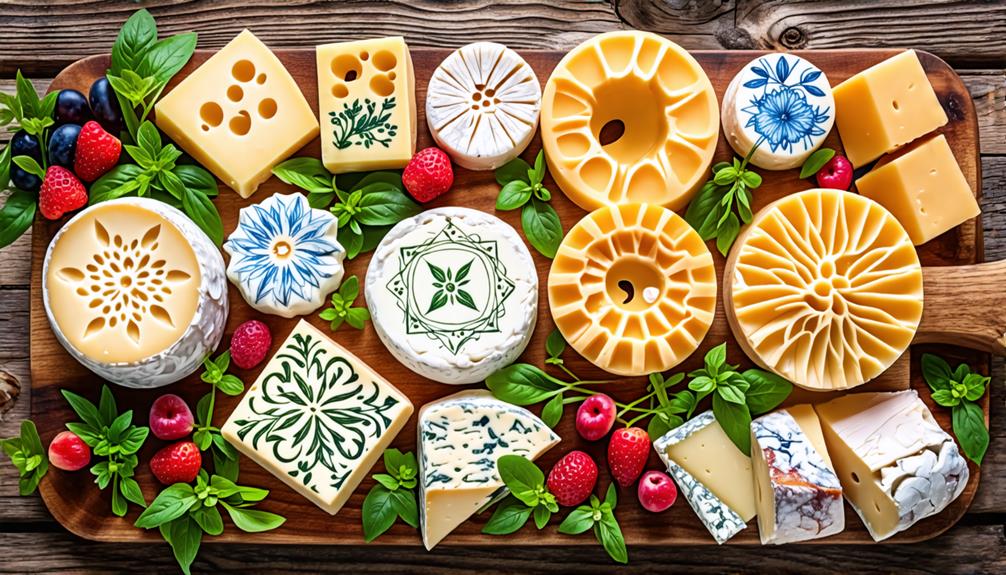
Custom cheese designs let you tailor flavors and shapes to your exact preferences, enhancing your dining experience. Impress your guests with creative presentations that suit any theme or occasion, making your dishes visually appealing. Additionally, by controlling the ingredients, you can easily adjust flavors and nutritional content to meet specific dietary needs.
Personalized Flavor Profiles
Personalized cheese designs enable you to enjoy flavors customized to your unique tastes and dietary requirements. Using advanced 3D printing technology, you can create specific cheese profiles that elevate your culinary experiences. Here are some benefits of these custom cheese designs:
- Flavor Variety: Experiment with various ingredients and flavors to craft unique combinations that satisfy your palate.
- Dietary Considerations: Develop tailored flavor profiles to accommodate dietary needs such as lactose intolerance or low-sodium preferences.
- Portion Control: Automated dispensing ensures consistent portion sizes, aiding in effective calorie and macronutrient management.
Creative Presentation Opportunities
3D-printed cheese offers innovative opportunities to elevate the presentation of your culinary creations. With the ability to craft unique shapes and designs, custom cheese pieces can be tailored to fit specific events or occasions, such as themed parties or holidays. This personalized touch enhances visual appeal, leaving a lasting impression on your guests. Additionally, 3D printing technology enables precise portion control, allowing you to create cheese shapes that match individual serving sizes. This promotes efficient consumption and minimizes waste, eliminating the issue of leftover cheese in the fridge.
Moreover, this technology facilitates the integration of different flavors and textures within a single design, leading to unique and delightful culinary experiences. Engaging your guests with playful and interactive food presentations can create memorable dining moments and influence trends in both gourmet dining and casual snacking.
Practical Applications in Culinary Arts
Transform your culinary creations with 3D-printed cheese by automating the cheese dispensing process for quick and easy snack preparation. Imagine serving cheese in custom shapes that not only look appealing but also cater to individual preferences. This technology opens up exciting possibilities for unique designs and playful presentations in your kitchen, enhancing both visual appeal and personalization.
Automated Cheese Dispensing
Automated cheese dispensing is transforming the culinary arts by enabling chefs to effortlessly create intricate cheese designs and precise portions. Leveraging advancements in food printing technology, this innovation offers numerous benefits for modern cooking:
- Effortless Portioning: Customize cheese portions to suit individual preferences, ensuring consistent satisfaction.
- Creative Presentations: Craft visually stunning cheese designs to elevate the aesthetic appeal of your dishes.
- Streamlined Preparation: Save time by automating cheese cutting and shaping, allowing you to focus on other culinary tasks.
This technology not only simplifies cheese preparation but also inspires the creation of unique dishes that will impress your guests. As developers like Andrew Maxwell-Parish continue to refine this process, anticipate further advancements in automated cheese dispensing. Embrace this innovation to enhance your culinary creativity and transform your approach to cheese-based dishes. The possibilities for delicious and artful culinary creations are endless!
Custom Shapes and Designs
3D-printed cheese introduces an innovative way to create custom shapes and designs, enabling chefs to craft visually stunning culinary presentations that captivate and delight diners. Utilizing 3D printing technology, unique cheese portions can be tailored to individual preferences, enhancing the overall dining experience. Imagine serving cheese in intricate patterns on crackers, elevating your snack offerings to new gastronomic heights.
Here are some exciting applications of 3D-printed cheese:
| Custom Shapes | Cheese Formulations | Culinary Creations |
|---|---|---|
| Themed events | Diverse cheese types | Decorative cheese platters |
| Personalized snacks | Flavor and texture combos | Unique appetizer designs |
| Artistic presentations | Original flavor pairings | Creative food designs |
Consumer Reactions to 3D Cheese
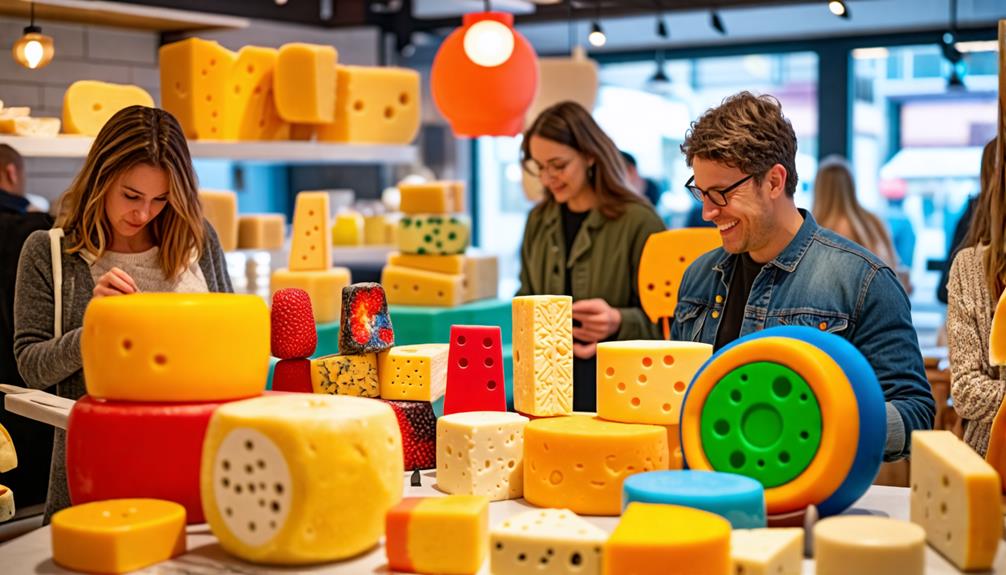
Many consumers are excited about the unique shapes and customization options that 3D-printed cheese offers, though some remain doubtful about its taste and quality. The novelty of this food technology has sparked mixed reactions, leading to a variety of opinions among potential buyers. Here are three key consumer reactions worth noting:
- Excitement for Customization: Many see the potential for personalized cheese designs that can enhance their dining experiences, making meals more fun and visually appealing.
- Skepticism About Taste: While creative shapes are intriguing, some worry that the taste may not match the quality of traditionally made cheeses, leaving room for doubt.
- Curiosity About Convenience: The automated dispensing of 3D-printed cheese has piqued interest, as it could make snacking more convenient and engaging for busy lifestyles.
As consumers become more familiar with 3D-printed cheese and the benefits of food technology, acceptance may grow. In time, this could shift preferences toward more playful and customized food items, making 3D-printed cheese a staple in future culinary trends.
Challenges in Production and Acceptance
The production and market acceptance of 3D-printed cheese face several significant hurdles, including high equipment costs, consumer skepticism, and stringent food safety regulations. The substantial initial investment in 3D printing technology makes it challenging for producers to justify the expense. Additionally, many consumers are wary of the taste and texture of 3D-printed foods, which can deter them from trying these innovative products.
Key Challenges
| Challenge | Description |
|---|---|
| Equipment Costs | High cost of 3D printers and components limits access. |
| Consumer Skepticism | Concerns about taste and texture hinder acceptance. |
| Food Safety Regulations | Strict hygiene standards must be met. |
| Limited Material Options | Specific binding agents required restrict cheese designs. |
Furthermore, the complexity of 3D printing necessitates specialized training, which may discourage chefs and food producers from adopting this technology. Addressing these challenges is essential for fostering the acceptance of 3D-printed cheese. Producers must ensure compliance with food safety regulations and address consumer concerns to successfully introduce these products to the market.
Nutritional Aspects of 3D-Printed Cheese
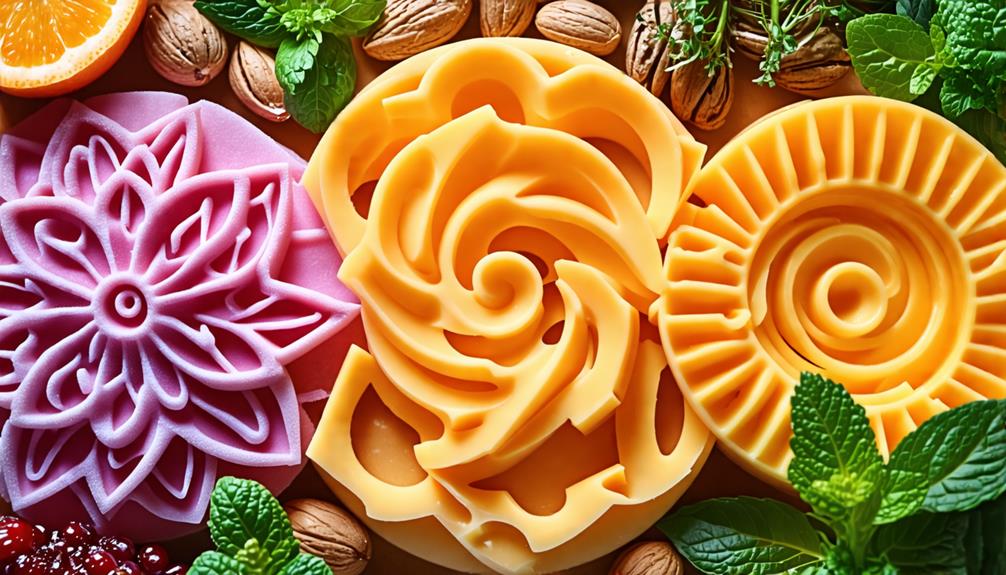
3D printing technology allows for the precise customization of cheese, tailoring its nutritional content to meet specific dietary needs and preferences. This innovative method offers significant benefits for health-conscious consumers. Here are three key advantages of 3D-printed cheese:
- Precise Ingredient Control: The technology enables accurate measurement and incorporation of ingredients, allowing you to adjust macronutrient ratios to match your dietary requirements for protein, fat, and carbohydrates.
- Dietary Restrictions: For individuals with lactose intolerance or other dietary concerns, 3D printing can produce cheese alternatives that are both safe and enjoyable, eliminating the risk of adverse effects.
- Enhanced Nutrition: Functional ingredients such as probiotics or fortified vitamins can be added to improve the nutritional profile of the cheese, as supported by recent studies in nutrition science.
This level of customization ensures that you can enjoy cheese that not only satisfies your taste buds but also aligns with your overall health goals. With 3D printing, the future of cheese consumption is bright, providing personalized options that cater to individual dietary needs.
Future Trends in Cheese Technology
As cheese technology advances, automation will play a pivotal role in production, enhancing speed and efficiency. Anticipate the emergence of custom cheese shapes tailored to individual preferences, revolutionizing the cheese experience. Additionally, the industry is prioritizing sustainable practices, making your cheese choices not only delicious but also environmentally responsible.
Automation in Cheese Production
Automation in cheese production is revolutionizing the industry by integrating advanced technologies like 3D printing, enhancing both efficiency and customization. This transformation streamlines processes and elevates the overall quality of cheese. Here are three key benefits of automation in cheese production:
- Efficiency: Automation minimizes labor costs and accelerates the cheese-making process, enabling higher production volumes without sacrificing quality.
- Consistency: Utilizing technology ensures a more uniform texture and flavor, effectively addressing the inconsistencies common in traditional methods.
- Customization: 3D printing allows for the creation of customized cheese shapes and specific flavor combinations, catering to individual consumer preferences.
As consumer interest in personalized food experiences grows, automation in cheese production will adapt to offer tailored flavors and portions that meet diverse dietary needs. The market for this advanced food technology is projected to reach $4.3 billion by 2025, reflecting a significant shift towards convenience and creativity in the cheese industry. Embracing these advancements enables the enjoyment of fresh, high-quality cheese that aligns with unique tastes.
Custom Cheese Shapes
Custom cheese shapes created through 3D printing are revolutionizing the culinary landscape, offering unique designs that elevate both presentation and flavor. This innovative technology allows for intricate cheese designs that not only look stunning but also cater to specific taste preferences.
3D printing automates the cheese dispensing process, making it more efficient and precise. No longer will you need to manually aim or squeeze; instead, you can concentrate on creating personalized cheese boards tailored to your guests' preferences. This level of customization is not just convenient—it invites culinary experimentation.
Exploring the world of 3D-printed cheese shapes can inspire themed events that make your gatherings memorable. Imagine how a unique cheese design could enhance a party or casual get-together. The blend of convenience and creativity in cheese production means you're not just serving snacks; you're offering engaging food experiences that captivate and delight. Embrace the future of cheese and unleash your imagination with custom cheese shapes!
Sustainable Cheese Practices
Embracing sustainable cheese practices, producers are increasingly utilizing 3D printing technology to enhance efficiency and minimize waste in their operations. This innovative approach not only reduces excess production but also promotes the use of sustainable ingredients. Here are three key benefits of integrating 3D printing in cheese production:
- Waste Reduction: Precise measurements in 3D printing minimize leftover materials, ensuring every ingredient is used effectively.
- Customization: Unique cheese designs can be created to cater to specific consumer preferences, transforming cheese from a mere product into an experience.
- Enhanced Food Safety: Standardized processes in 3D printing ensure consistent quality, reducing contamination risks and promoting safer cheese options.
These advancements also facilitate the production of plant-based cheese alternatives, meeting the growing demand for environmentally friendly and vegan choices. By automating production, companies can streamline operations, reduce energy consumption, and align with sustainability goals. As you explore cheese options in the future, remember that 3D printing is revolutionizing not just what you eat but how it's made, ensuring a more sustainable and customized experience.
Cultural Impact of Food Innovations
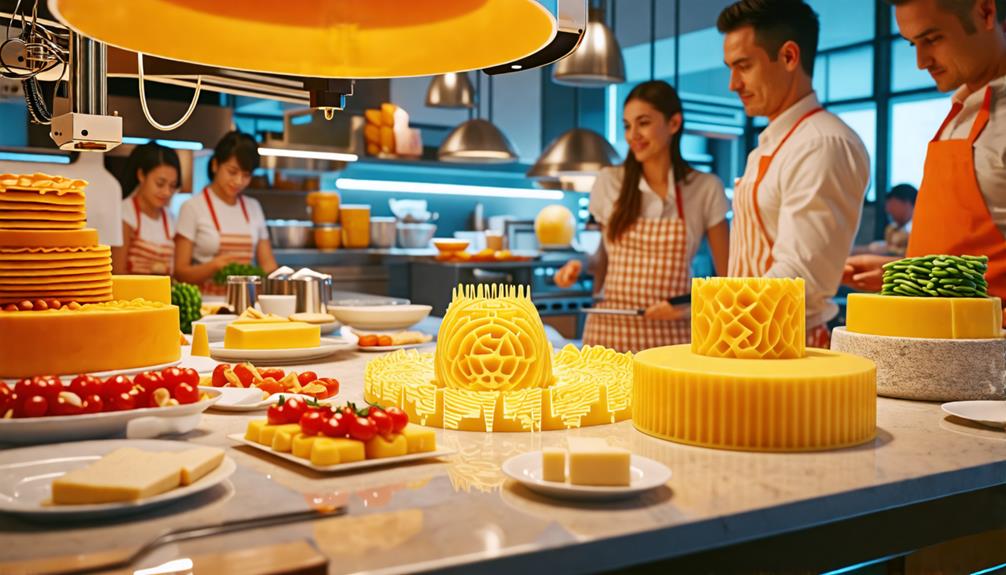
Innovations like 3D-printed cheese are reshaping our culinary landscape, sparking curiosity and encouraging playful experimentation in how we enjoy and present food. This technology blends convenience with creativity, catering to rising consumer interest in unique dining experiences. As you explore this fusion, you'll discover how creative machines in labs are transforming the way we perceive and consume food.
| Aspect | Impact |
|---|---|
| Customization | Shapes and portion sizes tailored to individual preferences |
| Consumer Engagement | Sparks discussions on processed food technology |
| Social Settings | Simplifies cheese preparation for gatherings and events |
The innovative nature of 3D-printed cheese not only enhances snack preparation but also encourages exploration of unconventional food concepts. Media coverage amplifies the excitement, generating humor and curiosity around these innovations. As you embrace these changes, you'll find that your interactions with food become more dynamic and engaging, bridging the gap between tradition and modernity.
Sustainability and Food Waste Reduction
How can 3D-printed cheese play a pivotal role in reducing food waste and promoting sustainability in our snack choices? This innovative approach to cheese production not only boosts creativity but also minimizes waste effectively. Here are three ways it contributes to sustainability:
- Precision Usage: 3D printing technology allows for exact ingredient measurements, ensuring only the necessary amounts of cheese are used for snacks, thus reducing excess.
- Automated Dispensing: Automating the cheese dispensing process with 3D printing minimizes the risk of excess cheese going unused or spoiling before consumption, directly addressing food waste.
- Customization: The ability to customize cheese shapes and portions promotes creative usage, leading to more efficient consumption and less waste.
Additionally, incorporating 3D printing into food production can streamline processes, resulting in lower material usage compared to traditional cheese manufacturing. This not only promotes sustainability but also supports local food systems by reducing transportation waste and improving ingredient freshness. By embracing 3D-printed cheese, you can enjoy delicious snacks while actively participating in reducing food waste and fostering a sustainable future.
Conclusion
In summary, 3D-printed cheese presents exciting opportunities for personalized culinary experiences. By merging technology with creativity, it allows for unique flavors and shapes tailored to individual preferences. While some may question the taste and texture, the potential for innovation in food design is clear. As the culinary industry embraces these advancements, you can expect more playful and sustainable dining options, turning each meal into a canvas for creativity and enjoyment.