Asadero Cheese Spotlight: Mexican Melting Star & Production Insights
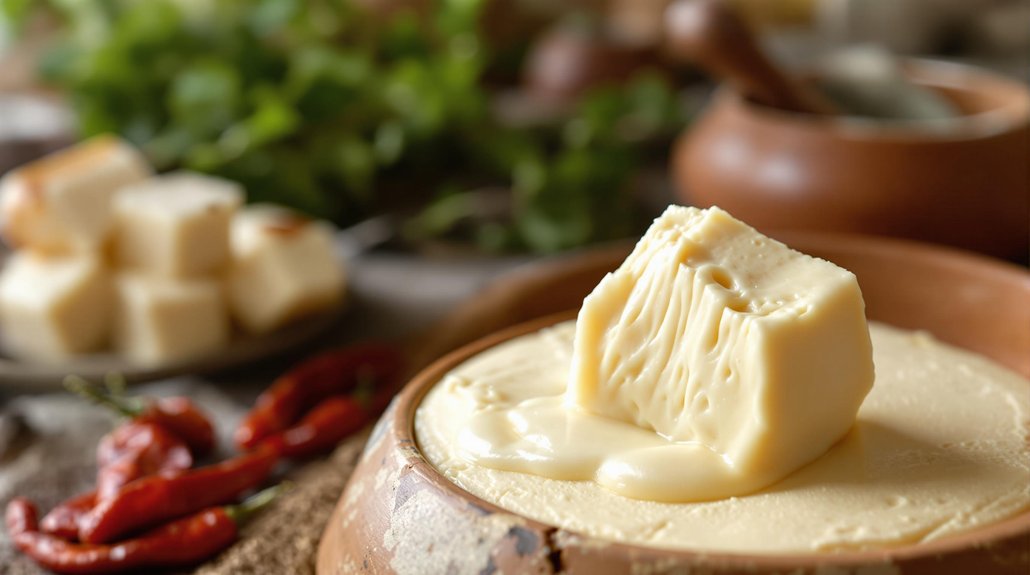
Asadero cheese, Mexico's premier melting cheese, boasts a 500-year heritage rooted in Chihuahua's Mennonite communities. You'll recognize its semi-soft, creamy texture and mild, slightly salty flavor that transforms traditional dishes like quesadillas and queso dips. It's produced by pressing cow's milk curds to create an elastic consistency that melts beautifully when heated. With 6g of protein per ounce and rich calcium content, this versatile cheese offers both authentic taste and nutritional benefits.
The Rich Heritage of Asadero Cheese
Five centuries of tradition stand behind Asadero cheese, a culinary treasure from Mexico's northern state of Chihuahua. Unlike other Mexican cheeses like Queso Oaxaca or Queso fresco, Asadero's unique character comes from the Mennonite communities who perfected its production methods using whole cow's milk.
You'll find this semi-soft cheese distinctly different from Monterey Jack, with its creamier texture and mild flavor that's made it a beloved staple in authentic Mexican food. While Chihuahua cheese (sometimes confused with Asadero) has similar origins, Asadero stands apart for its exceptional melting properties.
This artisanal treasure represents generations of cheese-making expertise, preserving time-honored techniques that showcase the regional diversity of Mexico's rich culinary heritage. Similar to Queso Manchego, Asadero is prized for its excellent melting and shredding qualities, making it perfect for quesadillas and other hot dishes.
Distinctive Characteristics and Flavor Profile
While many cheeses claim versatility, Asadero stands apart with its semi-soft, creamy texture and mild, slightly salty flavor profile that's distinctly Mexican. This queso's exceptional melting properties make it a staple in countless Mexican dishes, from sizzling quesadillas to loaded nachos.
Native to the northern state of Chihuahua and southern regions of Mexico, Asadero transforms when heated, developing a smooth, velvety consistency without the rubbery or stringy texture that plagues other melting cheeses. You'll appreciate how it maintains its creamy character while beautifully incorporating into dishes.
Whether you're melting it into a complex mole or simply grating it as a finishing touch, Asadero's balanced flavor complements rather than overwhelms your culinary creations—a true hallmark of this beloved Mexican cheese. Asadero, also known as Queso Quesadilla, is one of the essential Mexican melting cheeses perfect for authentic quesadillas, enchiladas, and other heated dishes.
Production Process and Regional Variations
Deep in the heart of northern Mexico, particularly Chihuahua, authentic Asadero cheese comes to life through a meticulous production process that has been refined over generations. Mennonite communities in this northern state of Chihuahua have considerably influenced how Queso asadero achieves its signature stringy texture and exceptional melting properties.
The traditional Mexican cheese-making technique involves pressing cow's milk curds to create that distinctive semi-soft, elastic consistency. You'll find regional variations across Mexico, with Oaxaca producing a similar cheese with subtle flavor differences. Some producers age their Asadero to create queso añejo, a firmer variant perfect for grating.
These regional approaches result in nuanced differences while maintaining the cheese's fundamental characteristics that make it ideal for quesadillas and other melted applications.
Culinary Applications: From Traditional to Modern

The versatility of Asadero cheese shines across countless Mexican dishes where its exceptional melting properties transform everyday meals into memorable culinary experiences. You'll find this smooth-melting cheese elevating traditional favorites like quesadillas, chiles rellenos, and nachos with its creamy consistency and mild flavor.
When you're craving a rich queso dip, Asadero delivers perfect results thanks to its superior melting qualities. Beyond Mexican cuisine, you can incorporate this versatile ingredient into modern fusion creations—try it in burgers, pizzas, or the ultimate grilled cheese sandwich.
Whether grated over enchiladas, stuffed into burritos, or melted into soups, Asadero's buttery profile complements a wide range of seasonings and spices. Its adaptability makes it a prized addition to both traditional recipes and contemporary innovations.
Nutritional Benefits and Dietary Considerations
Beyond its culinary versatility, Asadero cheese offers substantial nutritional benefits that make it a worthwhile addition to your balanced diet. Unlike some other Mexican cheeses like queso fresco, this melting cheese provides 6g of protein per ounce, supporting your muscle maintenance needs.
You'll appreciate that this cows milk product contains 17% of your daily calcium requirement, promoting bone health while containing relatively low sodium (280mg) compared to many grocery store alternatives. The cheese made chiefly with unsaturated fats (9g total) can be integrated into heart-conscious meal plans.
Often featured in Mexican restaurants, Asadero isn't just delicious—it's nutritionally valuable, delivering vitamins A and B12 that you won't find in many fresh cheese varieties. This makes it both a flavorful and nutritious option.
Storage Tips and Shelf Life Optimization
Properly stored Asadero cheese can grace your refrigerator considerably longer than many fresh dairy products. Unopened packages remain viable for 2-3 weeks beyond their sell-by date, while opened cheese maintains optimum freshness for approximately two weeks.
For maximum shelf life, wrap your Asadero tightly and keep it in a sealed container in your refrigerator, where it can last up to a month. Homemade versions require quicker consumption—aim to complete them within 7-10 days.
Don't hesitate to freeze Asadero if you won't use it promptly; it preserves well for up to three months in the freezer. These storage tips guarantee you'll enjoy this Mexican melting cheese at its best while minimizing waste and maintaining its distinctive qualities.