Asiago Cheese Guide: Fresh vs. Aged Asiago & Flavor Differences
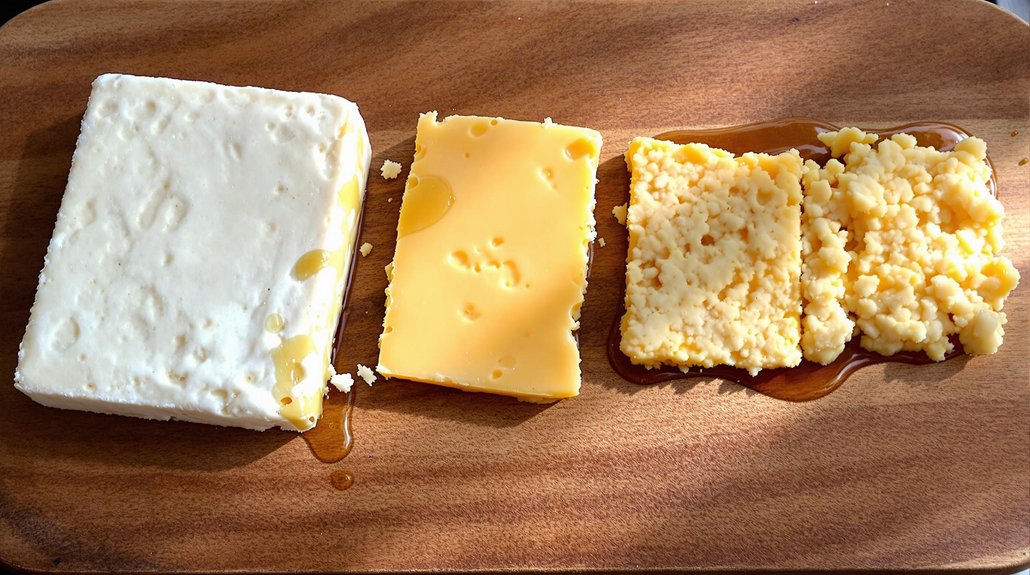
Fresh Asiago (Pressato) offers a creamy, mild flavor with a semi-soft texture that melts beautifully in cooking. In contrast, aged Asiago (d'Allevo) develops a firmer, grainier texture with concentrated nutty flavors, making it ideal for grating. You'll find fresh Asiago perfect for sandwiches and melting applications, while aged varieties shine when grated over pasta or risotto. Both versions of this Italian DOP cheese bring distinctive characteristics to your culinary creations.
The Rich History of Asiago: From Mountain Plateau to Global Tables
Nestled in the rolling mountains of northern Italy, Asiago cheese boasts a heritage stretching back more than a thousand years. This remarkable dairy tradition began when farmers in the foothills created a method to preserve excess milk through the harsh winter months, crafting what would become one of Italy's most beloved cheeses.
Originally made from sheep's milk on the Asiago plateau, production shifted to cow's milk in the 1700s as farming practices evolved. Today, authentic Asiago comes exclusively from the Veneto and Trentino-Alto Adige regions, where it received protected DOP status in 1978. This designation guarantees only cheese made according to strict traditional methods in these specific areas can bear the Asiago name—distinguishing the genuine article from imitators that have emerged as its popularity has spread worldwide.
Much like the monastery cheesemaking traditions that preserved and refined European cheese techniques during the decline of the Roman Empire, Asiago's production methods have been carefully maintained through generations.
Aged Asiago: Characteristics and Culinary Applications
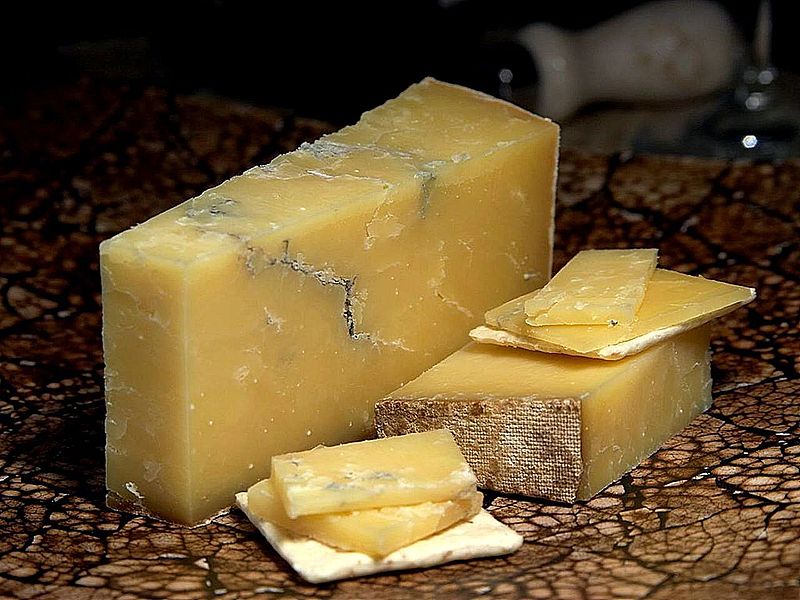
While fresh Asiago offers a mild charm, it's the aged variety that delivers the true intensity coveted by cheese connoisseurs. Aged Asiago d'Allevo undergoes a 5-12 month maturation process, developing its signature pale-to-amber yellow color, compact texture, and distinctly nutty aroma.
This strong, versatile cheese serves primarily as a grating cheese, similar to Parmesan or Romano. You'll appreciate its concentrated flavor that stands up remarkably well to cooking. When you're looking to elevate dishes with bold, savory notes, aged Asiago shines brilliantly.
Try incorporating this robust cheese into your pasta, risotto, soups, or salads. Its denser profile and concentrated flavor make it an excellent choice when you need a cheese that makes a statement without overwhelming your culinary creations. Unlike Provolone, which was first mentioned in literature in 1871 and is produced through the pasta-filata process, Asiago follows a different production method to achieve its distinctive characteristics.
Fresh Asiago: Texture, Flavor Profile, and Uses
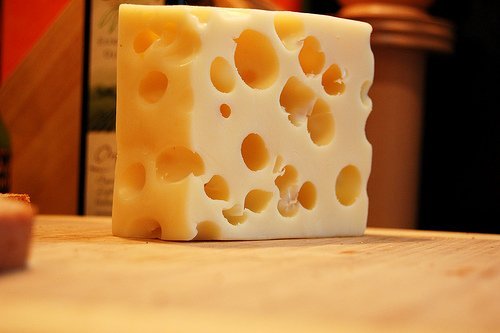
Unlike its aged counterpart, fresh Asiago Pressato offers a completely different experience for cheese lovers. This mild cheese features a slightly spongy texture with small irregular holes that distinguishes it from mature varieties. You'll notice its appealing white to pale yellow appearance and delicate buttery aroma.
Made from whole milk, Asiago Pressato delivers a sweet, creamy flavor profile that's more subtle than its aged relatives. Its youth contributes to its mildness, making it perfect for those who prefer gentler cheese experiences. When cooking, you'll appreciate how fresh asiago melts more evenly and creamily than aged options like parmesan or romano.
This characteristic makes it an excellent choice for dishes where you want a smooth, consistent melt rather than the intense flavor concentration of aged cheeses.
Pairing Asiago: Wine, Food, and Serving Suggestions
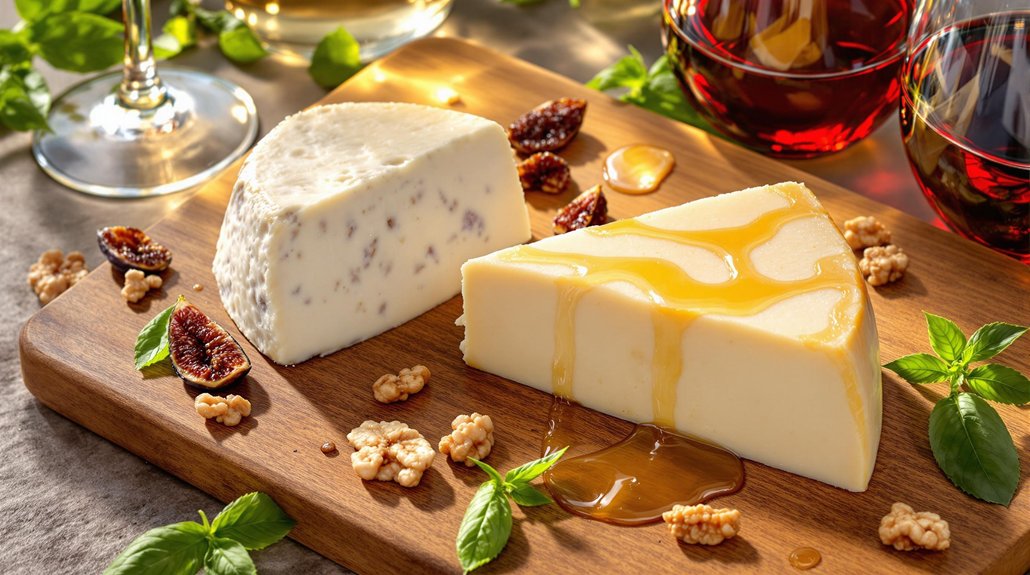
The art of pairing Asiago cheese enhances your culinary experiences, letting you appreciate its versatile flavor profiles in various contexts. Younger Asiago Pressato shines alongside light wines like Pinot Grigio, while aged Asiago d'Allevo demands robust reds such as Barolo.
You'll find this cheese excels both as a standalone table cheese and as an ingredient. Grate it over pasta, risottos, soups, or salads for added depth. Fresh Asiago works beautifully in sandwiches, while the aged variety melts wonderfully in cooked dishes.
When Parmigiano Reggiano isn't available, reach for Asiago as a substitute—it offers a slightly sweeter, nuttier flavor profile. For an authentic Italian experience, pair Asiago with regional cured meats like Speck from the Veneto and Trentino-Alto Adige regions.
Selecting and Storing Asiago for Maximum Flavor
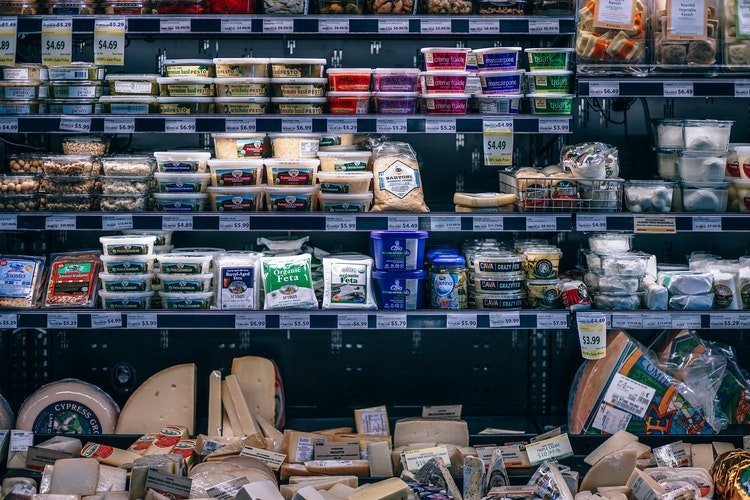
To ascertain you're getting the most from your Asiago experience, selecting and storing this versatile cheese properly makes all the difference in preserving its distinctive flavors. When shopping, always look for "Asiago DOP" on the label—this designation guarantees authentic cheese from Northern Italy's Veneto and Trentino-Alto Adige regions.
For storage, wrap your Asiago in parchment or waxed paper rather than plastic, then refrigerate for up to two weeks. Remember that aged Asiago d'Allevo develops more complex, concentrated flavors during its 5+ month maturation, while fresh Asiago Pressato offers milder, sweeter notes with a creamier texture.
To guarantee flavor preservation, only grate or shred your Asiago immediately before using it—this simple step assures you'll enjoy its full flavor profile.