Biodegradable Cheese Packaging: Innovations in Reducing Waste
Cheese packaging significantly contributes to overall waste, but innovative biodegradable solutions are emerging to tackle this issue. Sustainable materials like PLA (polylactic acid) and PHB (polyhydroxybutyrate) are becoming popular among manufacturers and consumers. These materials are designed to break down naturally, reducing landfill impact and appealing to environmentally conscious shoppers. However, widespread adoption faces challenges such as cost, scalability, and performance compared to traditional packaging. Overcoming these hurdles will require advancements in material science, increased production efficiency, and consumer education on the benefits of biodegradable packaging.
Environmental Benefits of Biodegradable Packaging
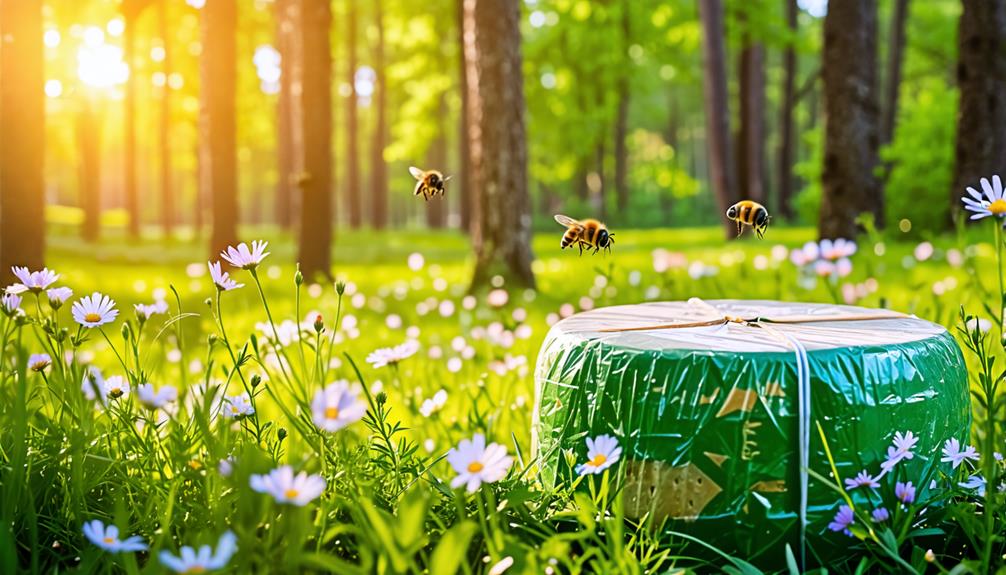
Biodegradable packaging offers an effective solution to addressing plastic waste and its environmental impact, particularly in the cheese industry. By transitioning to biodegradable options, we can significantly reduce the amount of plastic waste that ends up in landfills, which currently accommodates about 80% of all plastic waste. Sustainable packaging made from renewable materials, such as polylactic acid (PLA) derived from cheese whey, not only enhances the sustainability of cheese products but also supports a circular economy.
This transition helps minimize the carbon footprint associated with traditional fossil fuel-based plastics. As biodegradable packaging decomposes into organic material, it leaves a smaller ecological footprint and reduces long-term environmental impact. Additionally, this strategy aligns with the growing consumer demand for eco-friendly products. Studies indicate that 70% of consumers are willing to pay more for sustainable packaging options, reflecting a strong market preference.
Advances in Bioplastic Technology
Recent innovations in bioplastic technology are revolutionizing the cheese packaging industry by utilizing renewable materials, such as dairy waste, to create sustainable alternatives. Bioplastics derived from sources like cheese whey are emerging as a significant solution for reducing plastic waste. For example, researchers at the Center for Dairy Research are engineering microorganisms to convert acid whey into polyhydroxybutyrate (PHB), a biodegradable plastic that can significantly lessen environmental impact.
Moreover, the production of polylactic acid (PLA) from pure lactic acid obtained from cheese whey is gaining momentum. PLA bioplastics are increasingly preferred in food packaging due to their biodegradability, making them ideal for dairy packaging. Innovations in biodegradable materials, such as plant-based films, are also gaining popularity, offering compostable options that reduce reliance on fossil fuels.
These advances in compostable materials, including recycled paper and cardboard alternatives, provide sustainable packaging solutions for cheese products. By adopting these bioplastics, the industry is not only choosing convenience but also supporting a circular economy that minimizes waste and promotes environmentally friendly practices. As the cheese industry progresses, these developments promise a more sustainable future for packaging.
Consumer Demand for Eco-Friendly Options
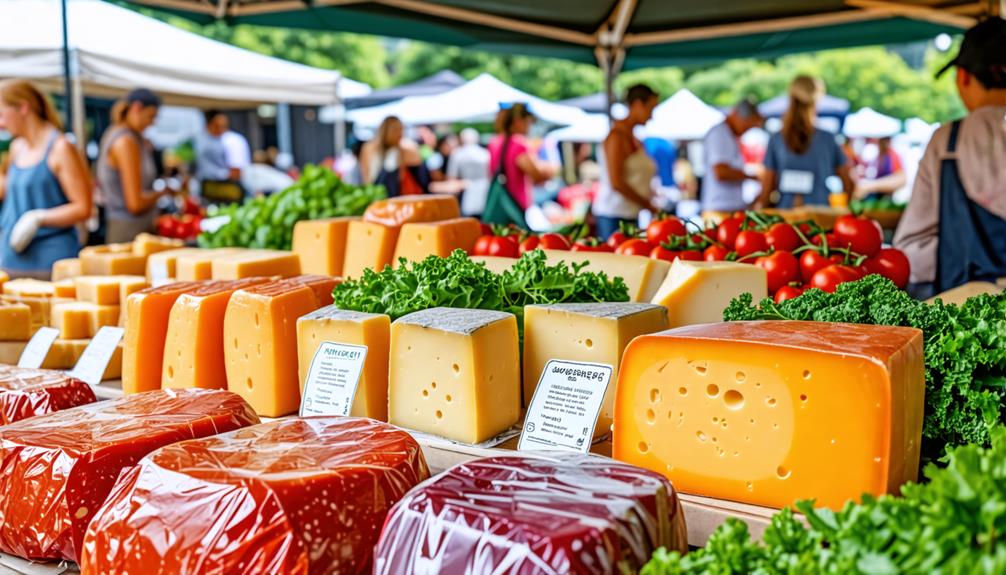
With growing awareness of environmental issues, consumers increasingly prioritize eco-friendly packaging for cheese products. This shift reflects a broader trend toward sustainable packaging to address food waste and environmental impact. Surveys indicate that 70% of consumers are willing to pay more for products with sustainable packaging, demonstrating a strong commitment to eco-friendly options.
In the U.S., 73% of consumers are making more sustainable choices, highlighting that biodegradable packaging is not just desirable but necessary. Additionally, 67% of consumers specifically look for items with sustainable packaging, and 66% are more likely to purchase from companies that prioritize eco-friendly options.
The rising demand for biodegradable cheese packaging signals a significant market shift. As consumers continue to choose environmentally responsible products, manufacturers will likely develop innovative packaging solutions that align with these values, ensuring a more sustainable future for both cheese lovers and the planet.
Challenges in Bioplastic Adoption
As the demand for eco-friendly cheese packaging grows, manufacturers encounter significant challenges in adopting bioplastics for production. Transitioning from lab-scale research to industrial production necessitates larger bioreactors to ensure bioplastics are commercially viable. This shift also requires investment in specialized pilot-scale equipment for purifying green chemicals, which is vital for efficient production scaling.
Cost-effectiveness is another critical factor. To comply with sustainability standards and enhance your brand's reputation, it is essential to ensure that your bioplastic production methods are economically viable. Additionally, regulatory standards for biodegradable and compostable certifications are constantly evolving, adding complexity to meeting these requirements.
Future Directions for Sustainable Packaging

The future of the cheese packaging industry hinges on pioneering biodegradable solutions that emphasize sustainability and environmental responsibility. A notable shift is occurring towards biodegradable bioplastics made from dairy byproducts. Additionally, fiber-based vacuum skin packaging and paperboard trays are gaining traction, cutting plastic usage by up to 80% while maintaining product integrity.
Investments in sustainable packaging technologies are growing, with 70% of consumers willing to pay a premium for eco-friendly options. Smart packaging solutions, such as QR codes that offer recycling information, enhance consumer engagement and transparency about sustainable practices in cheese packaging.
An overview of future directions in sustainable cheese packaging is as follows:
| Innovations | Benefits | Circular Economy Impact |
|---|---|---|
| Biodegradable Bioplastics | Reduces plastic waste | Promotes resource recovery |
| Fiber-based Packaging | Maintains shelf life, less waste | Supports sustainable sourcing |
| Smart Packaging Solutions | Increases consumer awareness | Encourages responsible disposal |
Collaboration between cheese producers and packaging companies is crucial for achieving zero-waste solutions, focusing on minimizing environmental impact and fostering a circular economy.
Conclusion
In summary, adopting biodegradable cheese packaging is a crucial step toward a sustainable future. By reducing waste and supporting innovations in bioplastics, you are meeting consumer demand for eco-friendly options. While challenges remain, the potential for a circular economy in cheese production is promising. Choosing biodegradable packaging contributes to a healthier planet and makes a positive environmental impact with every purchase. Embracing these changes paves the way for a greener tomorrow!