Bocconcini Cheese Overview: Origin, Texture & Pairing Ideas
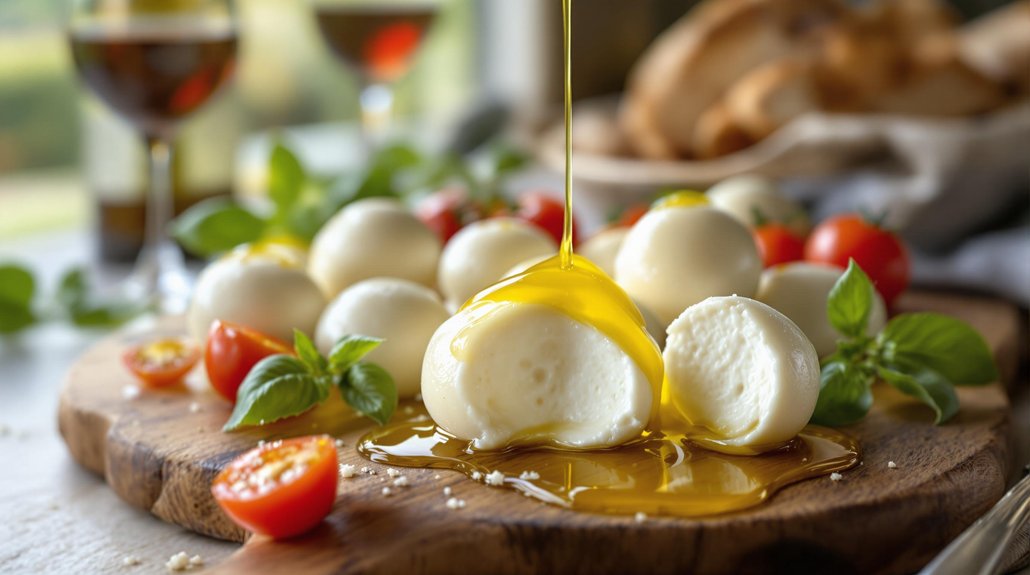
Bocconcini cheese originated in Naples, Italy, where it was traditionally made from water buffalo milk. These "small mouthfuls" feature a delicately soft texture that readily absorbs surrounding flavors while maintaining a subtle tanginess. You'll find bocconcini shining in classic Caprese salads, melting beautifully in hot dishes, or pairing with unexpected ingredients like grilled peaches and watermelon. Whether you're crafting an elegant antipasto or elevating a weeknight pasta, this versatile cheese offers endless culinary possibilities.
The Italian Origins of Bocconcini: Naples' Fresh Cheese Treasure
Nestled in the sun-drenched region of Naples, Italy, bocconcini cheese emerged as one of the country's most treasured culinary contributions. This fresh mozzarella variety, whose name charmingly translates to "small mouthfuls" from the Italian word "boccone," has been delighting palates for generations.
Originally made exclusively from water buffalo milk, bocconcini boasts a remarkably soft texture that readily absorbs surrounding flavors. Today, you'll often find it made from a combination of cow and water buffalo milk, though its distinctive creaminess remains unchanged.
The small, pearl-like balls are incredibly versatile—perfect alongside pasta dishes or in salads. What sets bocconcini apart is its subtle tanginess and delicate flavor profile, characteristics that have made this Neapolitan cheese treasure beloved worldwide. Unlike French Ossau-Iraty cheese that requires 90-180 days of maturation, bocconcini is enjoyed fresh without aging.
How Bocconcini Is Made: The Pasta Filata Method Explained
The creation of bocconcini cheese revolves around a time-honored Italian cheesemaking technique known as pasta filata, literally meaning "spun paste." This distinctive method transforms ordinary milk curds into the delightfully tender, springy cheese balls you'll find floating in tubs of brine at specialty stores.
The magic happens when cheesemakers immerse the curds in hot water, then begin stretching and kneading the heated mass. This vital process aligns the milk proteins into long strands, giving bocconcini its characteristic pliable and stringy consistency. Once properly stretched, the cheese is formed into bite-sized balls or ovals—"bocconcini" appropriately means "little mouthfuls" in Italian. Finally, they're stored in brine or whey solution, preserving their soft and chewy texture while adding subtle saltiness to their delicate, milky flavor.
Texture and Flavor Profile: What Makes Bocconcini Special
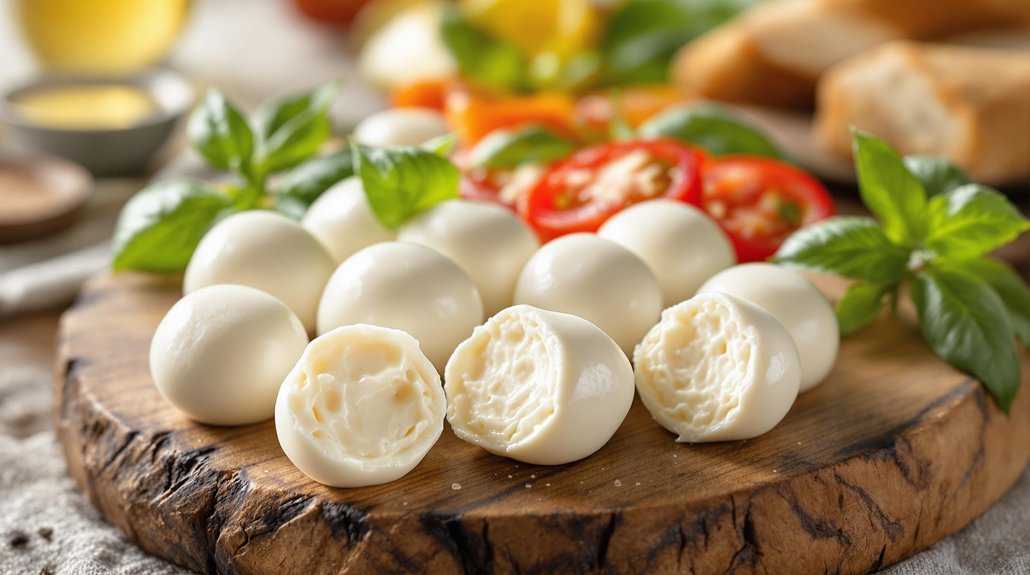
Beloved for its remarkable versatility, bocconcini cheese offers a tactile experience unlike any other in the cheese world. This fresh mozzarella variety's creamy texture makes it instantly recognizable, achieved through the traditional method of pasta filata, where curds are heated and stretched to create that signature velvety mouthfeel.
When bitten into, you'll notice the delightful chewiness that shifts to a smooth creaminess that coats your palate. Its mild flavor pairs well with both savory and sweet companions, featuring subtle tanginess and milky sweetness. Once heated, the traditionally made bocconcini transforms into strings of gooey goodness that elevate pizzas and baked dishes.
This unique flavor profile and ability to absorb other ingredients' characteristics makes bocconcini truly special in Italian cuisine.
Classic Culinary Uses for Bocconcini in Italian Cuisine
Italian culinary tradition has embraced bocconcini's remarkable textural qualities and mild flavor profile in countless classic dishes. This versatile Bocconcini Cheese shines in the iconic Caprese salad, where it's paired with fresh basil and ripe tomatoes for a invigorating appetizer.
Beyond being used in salads, bocconcini is a popular choice for pizzas, pastas, and bruschetta. Its flavor and creamy texture melts beautifully in hot dishes like calzones and grilled sandwiches, while complementing prosciutto in elegant antipasti. The cheese's bite-sized shape makes it a perfect addition to salads, skewers, and finger foods.
You'll find bocconcini elevating everything from simple tarts with roasted vegetables to sophisticated main courses featuring chicken or veal, demonstrating its remarkable adaptability in Italian cuisine.
Bocconcini vs. Other Fresh Mozzarella Varieties: Key Differences
Among the diverse world of fresh Italian cheeses, bocconcini stands out with distinctive characteristics that set it apart from its mozzarella cousins. This type of cheese offers a softer, chewier texture in every bite thanks to the traditional pasta filata method used when this cheese is made.
Unlike other varieties that might use buffalo milk, bocconcini is primarily made from cow's milk, giving it a milder, slightly tangy flavor profile. You'll find it packaged in brine or whey, which enhances its subtle saltiness.
- Size matters - bocconcini comes in cherry tomato-sized portions, perfect for individual servings
- Texture difference - markedly softer and more delicate than standard mozzarella
- Versatility factor - its mild flavor complements a wide range of dishes from caprese salads to grilled vegetables
Creative Pairing Suggestions: Beyond the Traditional Caprese
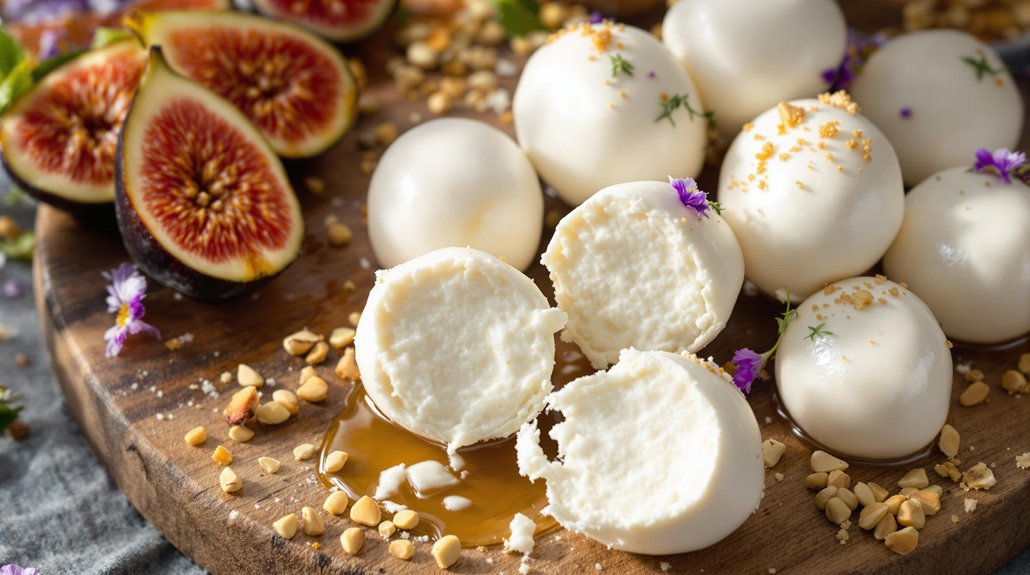
Culinary adventurers know that bocconcini cheese deserves to venture beyond the traditional caprese salad. While the classic combination with ripe tomatoes and basil showcases bocconcini's delicate flavor profile, there's a world of creative pairing suggestions to explore.
Try threading these small mozzarella cheese balls onto skewers with grilled peaches and prosciutto for a sweet-savory appetizer. Or toss them into warm pasta with roasted vegetables and a drizzle of quality olive oil for an elevated weeknight meal. For a cooling summer dish, combine bocconcini with watermelon, mint, and a balsamic reduction.
The cheese's mild creaminess complements a variety of ingredients from roasted beets to spicy arugula, pickled vegetables to smoky grilled meats. Don't limit this versatile cheese to just Italian cuisine!
Storing and Serving Tips for Maximum Freshness
The delicate nature of bocconcini cheese demands proper storage techniques to preserve its freshness and delightful flavor profile. When properly stored in its original brine or whey solution, this cheese beloved around the world maintains its moisture content for about a week in your refrigerator.
If you notice the liquid evaporating, simply create a salt-water mixture as a replacement rather than leaving the cheese dry for extended periods.
- Always serve bocconcini at room temperature to fully experience its creamy texture and sweet, mild flavor
- Consume within a few days after opening for ideal quality
- Watch for signs of mold or sour odors, which indicate spoilage and mean it's time to discard