Caciocavallo Cheese Guide: Italian Pasta-Filata Craft & Tasting Notes
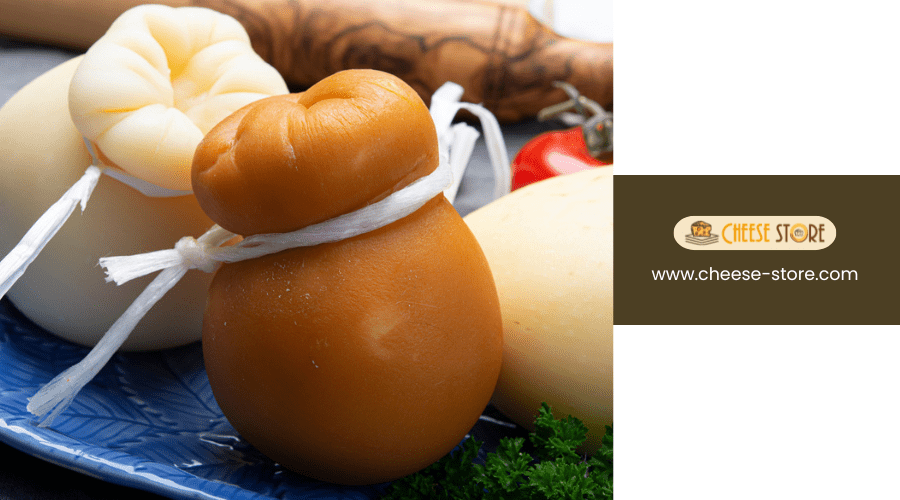
Caciocavallo is an ancient Italian pasta filata cheese dating back to 500 BC. You'll recognize its distinctive teardrop shape, hung in pairs during aging. The stretched-curd technique creates its unique texture, with flavors evolving from mild and creamy when young to sharp and complex when aged over a year. Regional varieties include the prized PDO Caciocavallo Silano and truffle-infused versions. Discover how this two-millennia-old tradition transforms from springy to firm throughout its remarkable aging journey.
The Ancient Origin Story of Caciocavallo Cheese
According to ancient records, caciocavallo cheese dates back to around 500 BC, earning its place among the world's oldest known cheeses. You'll find it first mentioned in the writings of Hippocrates and later by Pliny the Elder, confirming its ancient pedigree.
The history of caciocavallo began with shepherds in southern Italy, who developed this distinctive cheese-making technique centuries ago. Its name, literally meaning "horse cheese," refers to how the cheese pairs are hung across wooden sticks during aging—resembling saddlebags on a horse's back.
This tradition spread throughout the Balkans and southern Italian regions, preserving its authentic character for over two millennia. In 1996, caciocavallo's cultural significance was formally recognized with Protected Designation of Origin (DOP) status in Italy.
Caciocavallo is conceptually similar to an aged Mozzarella cheese but has developed its own distinct character and flavor profile over the centuries.
Traditional Production Methods: From Milk to Maturation
To understand caciocavallo's enduring appeal, you'll need to appreciate its meticulous production process that has remained largely unchanged for centuries. At its heart is the pasta-filata technique, where curds from cow or sheep milk are heated, coagulated with rennet, cut, and then stretched by hand.
This stretched-curd method gives the cheese its distinctive texture and enables artisans to form the iconic saddlebag shape. Once molded, the cheeses are paired and suspended over wooden rods during maturation, creating the characteristic "horse-back" appearance.
The aging process varies dramatically from 30 days for soft, mild varieties to over a year for harder, intensely flavored versions. Throughout maturation, the cheese transforms from springy to firm, developing complex flavors while maintaining the slightly stringy texture unique to pasta-filata production methods. The careful draining of liquid whey from the curds is crucial for achieving the right moisture content that affects the final texture of the cheese.
Understanding the Pasta Filata Family of Cheeses
Caciocavallo's production method places it squarely within one of Italy's most distinctive cheese traditions: the pasta filata family. This category of cheeses, which originated in southern Italy centuries ago, is defined by its unique cheesemaking process that involves cooking and stretching the curd.
When you encounter pasta filata cheeses like mozzarella, provolone, and caciocavallo, you're experiencing the results of this ancient technique that creates their characteristic elastic, stringy texture. This special stretching method transforms ordinary curds into versatile cheeses with remarkable melting properties.
The pasta filata process isn't just a production method—it's a cultural heritage that has defined southern Italian cheese for generations, giving each variety its distinctive personality while maintaining the hallmark stretchy texture that makes this cheese family instantly recognizable.
Regional Varieties: Exploring Caciocavallo Across Southern Italy
While pasta filata techniques remain consistent throughout southern Italy, the regional expressions of Caciocavallo reveal a striking diversity that reflects the unique terroir of each area. The most renowned is Caciocavallo Silano PDO from the Sila plateau in Calabria, setting the standard for this cheese family.
For an intense experience, try Caciocavallo Podolico, crafted from Podolica cow's milk, delivering acidic notes with fruity undertones that cheese connoisseurs prize. In western Sicily, the Palermo and Trapani regions produce Caciocavallo Palermitano, distinguished by its rectangular shape rather than the traditional teardrop form.
Specialty variations include the aromatic Caciocavallo Tartufata infused with black truffles and Caciocavallo Affumicata, where smoking adds complexity to the cheese's flavor profile.
Aging Profiles: From Fresh to Extra-Aged Caciocavallo
The maturation journey of Caciocavallo represents one of the cheese's most fascinating aspects, transforming dramatically as it ages from a soft, milky delicacy to a complex, crystalline treasure. This Italian cheese, made under strict Denominazione di Origine standards, offers three distinct aging profiles.
You'll find Caciocavallo Semi-Stagionato (aged 60 days) soft, springy, and sweet with a fresh creaminess. Moving to Stagionato (2-4 months), the texture becomes semi-hard with developing complexity. For the most intense experience, Extra Stagionato (4 months to 2 years) delivers a hard, stringy texture with sharp, spicy notes.
Each stage tells a different story on your palate, showcasing how time carefully sculpts this southern Italian masterpiece from mild and accommodating to bold and assertive.
Tasting Notes: Flavor Evolution Through Maturation
Each stage of Caciocavallo's maturation reveals a distinctive flavor profile that transforms this humble southern Italian cheese into something extraordinary. When young, you'll experience a soft, sweet creaminess that gradually develops into sharper, saltier notes as it ages.
Caciocavallo Cheese Taste varies dramatically through its journey. The extra-aged varieties, particularly Caciocavallo Podolico, deliver a dry, crumbly texture with intense acidity and fruity undertones.
Meanwhile, Caciocavallo Palermitano offers a robust spiciness that deepens with time.
As one of the oldest cheese made in Italy, its unique hanging method on wooden rods exposes the cheese to varying humidity levels, influencing its flavor development. You'll notice the transformation from milky white to dark straw yellow color, mirroring the evolving complexity of this southern Italian treasure.
Protected Designation: The Significance of Caciocavallo Silano PDO
Caciocavallo Silano PDO represents one of Italy's most cherished cheese treasures, protected by rigorous European Union regulations that preserve its authenticity. This protected designation guarantees you're experiencing a cheese crafted exclusively in the Sila plateau of Calabria, following centuries-old traditional methods.
- Made from raw cow's milk and aged at least 3 months, developing its distinctive sharp flavor profile
- Produced in its iconic "saddlebag" shape, a hallmark of authentic Caciocavallo Silano
- Crafted by artisans who maintain the cultural heritage of Southern Italian cheesemaking
When you purchase Caciocavallo Silano with the PDO seal, you're not just buying cheese—you're investing in a piece of Italian gastronomic history, where traditional methods remain faithfully preserved under strict quality standards.
Culinary Applications: Best Uses in Italian Cuisine
From humble peasant tables to sophisticated ristorantes across Italy, versatile caciocavallo transforms countless traditional dishes with its distinctive flavor profile. This semi-hard cheese melts beautifully over pasta, pizza, and roasted vegetables, offering a nutty depth similar to but more complex than Provolone cheese.
Young caciocavallo shines on charcuterie boards alongside fruits, nuts, and balsamic vinegar. As it ages, the pasta filata cheese develops a sharper character perfect for grating over soups and stews. Try the smoked affumicato variety with pasta alla norma, where its smoky notes enhance the dish's rustic appeal.
Don't overlook caciocavallo in a grilled sandwich – its superior melting properties and rich flavor elevate this simple comfort food to something truly memorable.
Pairing Guide: Wines, Foods, and Accompaniments
Now that you're familiar with caciocavallo's culinary applications, let's explore the art of pairing this distinctive Southern Italian cheese. Whether made from sheep's or cow's milk, caciocavallo offers versatile pairing possibilities that delight cheese connoisseurs.
Italian red wines like Primitivo, Montepulciano, and Aglianico complement caciocavallo's sharp, spicy profile perfectly. For impressive cheese boards, pair this smooth, meltable cheese with rustic bread and cured meats.
Young caciocavallo creates balanced flavor profiles with fruits, balsamic vinegar, nuts, and dried fruits. The smoked variety adds vibrant aroma to hearty soups and stews. Its rich, savory notes enhance pasta dishes, pizza, and roasted vegetables.
You'll find caciocavallo's versatility makes it an outstanding addition to both everyday meals and special occasions.
Storing and Serving Tips for Optimal Flavor Preservation
To preserve the rich flavors and distinctive texture of this prized Italian cheese, proper storage and serving techniques are essential. Keep your Caciocavallo in the refrigerator's vegetable drawer, wrapped in its original packing liquid to maintain moisture. Fresh varieties should be consumed within days, while aged types can last 2-3 weeks when properly stored.
Remember that Caciocavallo is perishable—always submerge leftover pieces in their original liquid to prevent drying and mold formation. Despite careful storage, quality will naturally degrade over time, so adjust your consumption timeline accordingly.
For the best tasting experience, allow your Caciocavallo to reach room temperature before serving. This simple step enhances its full flavor profile and delivers the creamy, meltable texture that makes this cheese so beloved.