Cheese Aging Explained: How Ripening Time Shapes Flavor & Texture
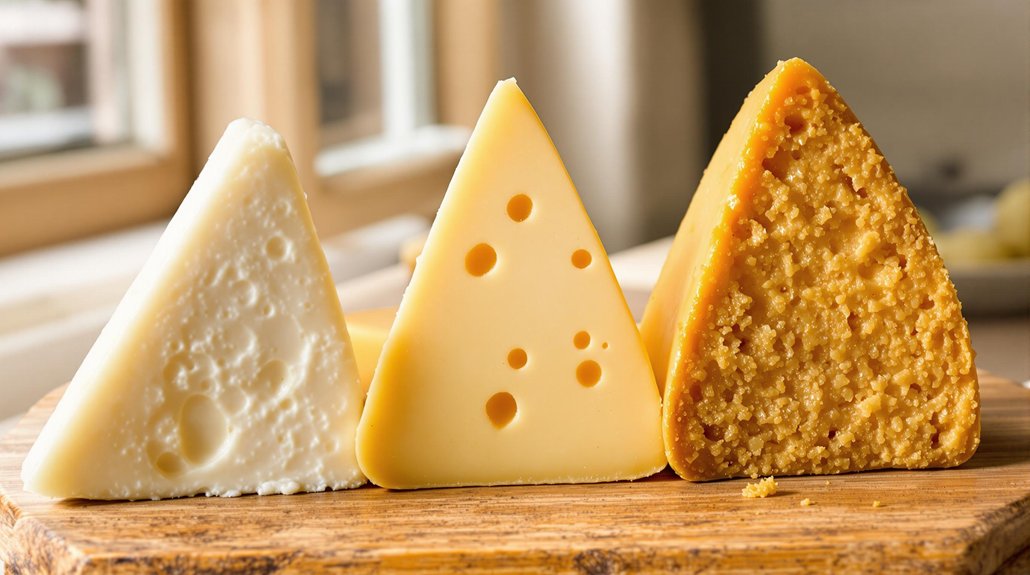
Cheese aging transforms simple milk curds into complex flavor bombs through controlled biochemical processes. As cheeses mature, bacteria and enzymes break down proteins and fats, developing deeper flavors and firmer textures. Fresh cheeses remain mild and moist, while aged varieties become more intense and crystalline.
Temperature, humidity, and environmental conditions critically influence this transformation, with each cheese type requiring specific aging parameters. Discover how these precise conditions create your favorite cheese's signature character.
The Science Behind Cheese Ripening
Everyone knows cheese tastes better with age, but few understand the complex biochemical symphony that creates these flavors. When you're enjoying that perfectly aged cheddar or brie, you're tasting the results of a carefully orchestrated ripening process.
During aging, starter bacteria break down proteins and fats, triggering biochemical changes that develop the cheese's distinctive character. These microscopic workers transform bland curds into complex flavor profiles that can range from nutty to pungent.
The aging time directly impacts both taste intensity and cheese texture—shorter periods yield milder flavors, while extended aging creates sharper notes.
Environmental factors matter tremendously; temperature and humidity are carefully controlled to maintain optimal conditions for the specific cheese variety. This precision allows cheesemakers to consistently craft products with predictable characteristics that you've come to love.
Some cheeses like Limburger develop their characteristic foot-like smell during aging due to the action of Brevibacterium linens bacteria that produce sulfur compounds.
Key Ingredients That Affect the Aging Process
Four fundamental ingredients form the backbone of every cheese's aging journey: milk, bacterial cultures, rennet, and salt. The source of your cheese milk—whether cow, goat, sheep, or buffalo—establishes the baseline flavor profile that evolves during ripening.
Bacterial cultures introduced in the cheese-making process work tirelessly as your cheese ages, developing distinctive textures and complex aromas that define varieties like cheddar or brie. Rennet's enzymatic action determines how firm your final product becomes, influencing both mouthfeel and structural integrity.
Salt isn't merely for flavor; it's an essential regulator of moisture content throughout aging. You'll find it affects both preservation and taste development, allowing proper maturation while preventing unwanted bacterial growth. These four ingredients interact continuously, transforming simple milk into the nuanced cheeses you enjoy.
The coagulation process during cheese formation directly impacts how these ingredients will react and develop during the aging period.
Fresh vs. Aged: Understanding the Spectrum
Now that you understand the foundational elements that shape cheese development, let's examine the spectrum from fresh to aged varieties.
The cheese aging process fundamentally transforms both flavor and texture. Fresh cheeses offer mild, creamy profiles requiring minimal aging, while aged types develop complex, intense flavors over time.
Semi-soft varieties like Muenster need little ripening, but hard cheese like Parmesan demands patience—often aging beyond two years.
During aging periods, proteins and fats continue breaking down, creating firmer textures and more pronounced aromas. This process reduces moisture content while extending shelf life. You'll notice that longer-aged cheeses generally provide more robust flavor profiles with crystalline textures.
Whether you prefer the subtle delicacy of fresh cheese or the bold character of well-aged varieties depends entirely on your palate.
How Different Environments Impact Cheese Maturation
While recipes and starter cultures establish a cheese's basic profile, the environment in which it ages ultimately determines its final character. Each type of cheese requires specific conditions to develop properly—hard cheeses like cheddar thrive at 50-55°F with 85-90% humidity, creating their dense texture and complex flavor.
Traditional caves offer natural fluctuations that enhance ripening, particularly for surface-ripened varieties that need 90-95% humidity to develop their distinctive rinds. These environments encourage beneficial molds and bacteria essential to cheese making.
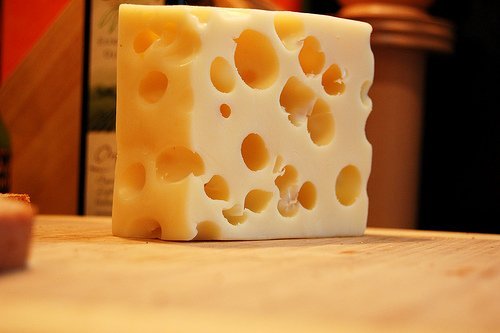
Airflow plays a surprisingly vital role too—proper ventilation allows gases to escape, creating those characteristic "eyes" in Emmental. The craft of creating Aged Cheese isn't just about time; it's about maintaining these precise environmental conditions throughout the maturation process, balancing temperature, humidity, and air circulation for ideal results.
The Biochemical Transformation During Aging
The physical environment where cheese ages sets the stage, but it's the invisible biochemical dance happening inside that truly transforms milk into magnificent aged cheese. During the cheese ripening process, three key transformations occur: proteolysis breaks down proteins, lipolysis degrades fats, and glycolysis converts lactose into lactic acid.
The amount of time these reactions have to work varies by type of cheese, resulting in unique flavor profiles. Enzymes from starter cultures and rennet play an essential role in cheese flavor development, producing compounds that create nutty, fruity, or earthy notes. As moisture evaporates, these flavors become more concentrated.
Meanwhile, the rind isn't just a protective layer—it actively participates in this transformation, influencing microbial activity and contributing to the cheese's distinctive character.
Signature Flavor Profiles of Popular Aged Cheeses
What makes each aged cheese uniquely delightful? It's the transformation that occurs as acid bacteria work their magic over time. When cheese is aged, lactose breaks down, creating distinct cheese flavors that connoisseurs cherish.
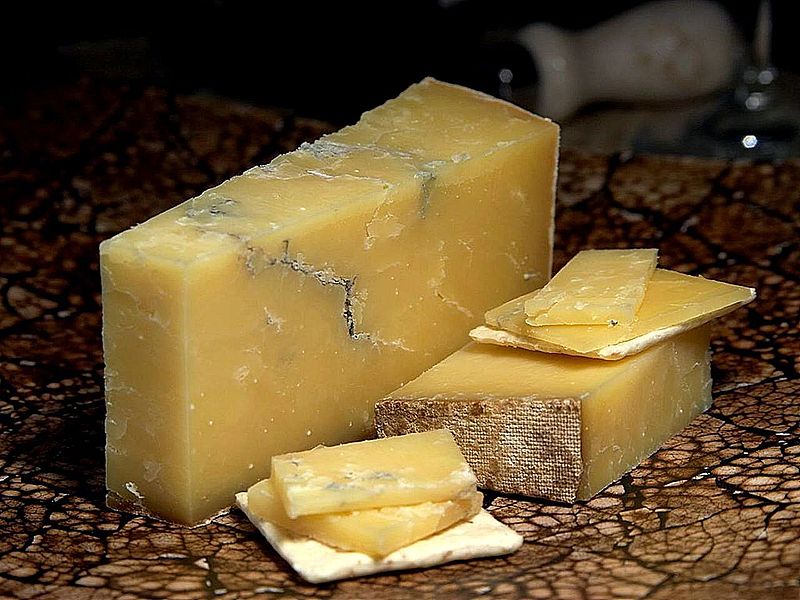
Hard cheeses like Parmesan develop their nutty, salty character through a minimum 12-month aging process, while cheddar cheese becomes increasingly sharp and crumbly when matured for 12-24 months. Among various cheese types, Gruyère strikes a balance with 4-12 months of aging, resulting in a complex, slightly sweet profile.
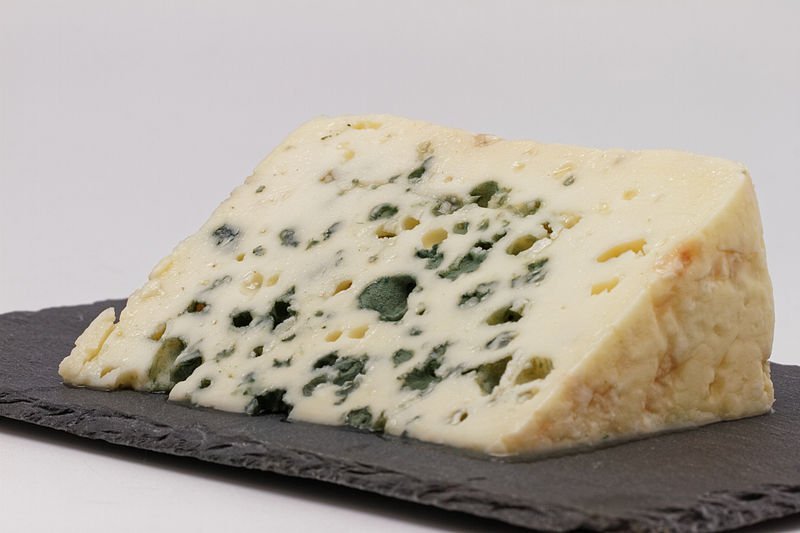
Shorter aging periods produce different results: Brie needs just 4-8 weeks to develop its creamy interior and bloomy rind, while Roquefort's pungent, salty-sweet character emerges after 2-4 months in natural French caves. Aging cheese is truly a science of time and patience.
The Art of Temperature and Humidity Control
Just two critical factors—temperature and humidity—determine whether your aged cheese becomes a masterpiece or a disappointment. The ideal cheese cave maintains temperatures between 50-55°F (12-15°C) with consistently high humidity, creating the perfect environment for controlled microbial activity.
When you're aging cheese, these conditions aren't just preferences—they're necessities. Temperature fluctuations disrupt enzymatic reactions, altering how your cheese develops flavor and texture. Too warm? Ripening accelerates unnaturally. Too cool? The aging process stalls.
Today's artisanal cheesemakers employ sophisticated climate-controlled systems to monitor these variables constantly. These modern cheese caves eliminate the guesswork, ensuring beneficial molds and bacteria thrive at precisely the right pace. The difference between good and extraordinary cheese often comes down to these seemingly simple but critically important environmental conditions.
Selecting the Perfect Aged Cheese for Your Palate
Finding your ideal aged cheese requires understanding how time transforms flavor, texture, and aroma. Hard cheeses require extended aging, developing complex amino acid profiles that create nutty, savory notes in the resulting cheese. Your taste buds might prefer the intense sharpness of a two-year sharp cheddar or the crystalline crunch of aged Parmesan.
Texture plays a role too – soft cheeses like Brie mature quickly, while semi-hard varieties occupy middle ground. Depending on the type, aging ranges from weeks to years. Consider exploring cheese tasting flights to identify which specific type resonates with your palate.
Don't hesitate to experiment with various aging periods of the same cheese due to how dramatically flavor evolves over time – from mild and creamy to complex and bold.