Cheese, Flavor, and Memory: Why Traditional Foods Still Win Hearts
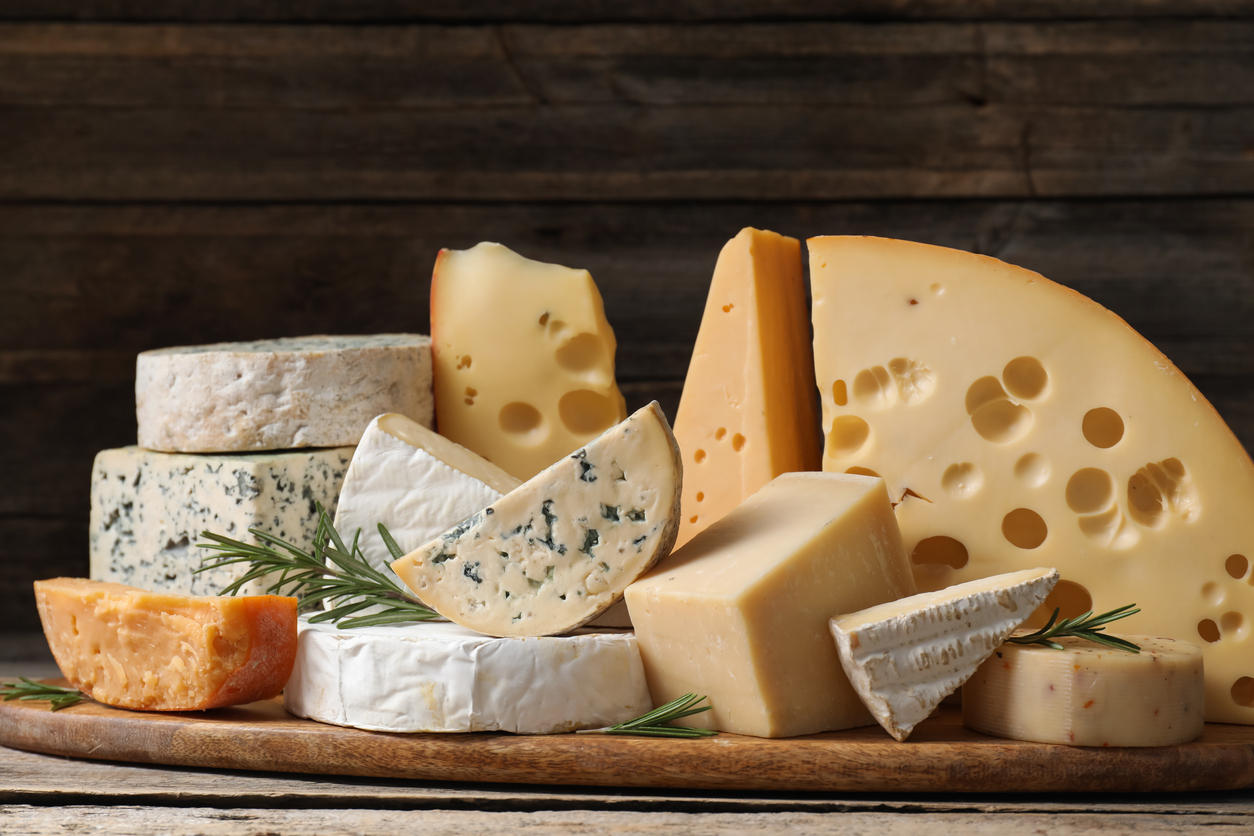
Some foods satisfy hunger, while others instantly transport you to another place and time. A familiar piece of cheddar might remind you of family lunches, and a slice of Brie could bring back memories of traveling abroad. These powerful emotional responses explain why traditional foods continue to hold a special place in cultures around the world. Scientists have spent decades studying the remarkable connection between taste, smell, and memory, while chefs, filmmakers, and food creators have helped keep traditional dishes in the spotlight. Television programs, travel documentaries, family recipe revivals, and social media all celebrate foods that connect people to their heritage. Together, they demonstrate that traditional flavors offer something far more meaningful than nutrition—they preserve stories, identities, and shared experiences.
How One Bite Can Bring Back an Entire Childhood
There's a reason a single bite of your grandmother's cooking can stop you mid-chew and pull you straight back to her kitchen table. Your brain isn't just tasting—it's retrieving. Smell and flavor connect directly to your hippocampus and amygdala, the regions responsible for memory and emotion. That's why nostalgic food memories often appear instantly and feel surprisingly vivid. These memories rarely focus only on the food itself. A familiar cheese, a particular spice, or the texture of freshly baked bread can reconstruct an entire moment from years ago. Suddenly you remember who was sitting beside you, what conversations filled the room, and even the emotions you experienced during that meal. Food becomes a powerful storyteller that reconnects you with experiences you may not have consciously recalled for years. Traditional foods are especially effective because they're often repeated during holidays, birthdays, and family gatherings. Over time, those repeated experiences strengthen emotional associations until certain flavors become permanent reminders of home, celebration, and belonging.

Why Taste and Smell Hit the Memory Center So Hard?
Unlike your other senses, taste and smell have a uniquely direct relationship with the parts of the brain responsible for emotion and memory. Rather than passing through multiple processing stages, familiar aromas quickly activate regions that store personal experiences, making food one of the strongest emotional triggers people encounter throughout their lives. That's why the smell of a favorite cheese or a traditional family recipe can feel so immediate. Your brain isn't simply identifying an ingredient—it's reconstructing the entire emotional context surrounding previous experiences with that flavor. The people, locations, conversations, and emotions connected to those meals all become part of the memory that's being recalled. This neurological shortcut helps explain why recipes passed through generations often feel irreplaceable. Even when two dishes appear nearly identical, subtle differences in aroma or preparation can determine whether they unlock decades of family memories or simply register as another enjoyable meal.
What Your Brain Is Actually Doing When You Taste Something Familiar
When you taste a familiar food, your brain immediately begins comparing that experience with thousands of memories stored over your lifetime. Instead of treating every meal as entirely new, it searches for recognizable patterns, connecting flavors, textures, aromas, and emotions that have been experienced together before. Scientists describe this process as the brain reactivating existing neural pathways. As familiar flavors reach the gustatory cortex, stored sensory information becomes active once again, allowing previous experiences to replay almost instantly. Rather than remembering isolated facts, your brain reconstructs entire experiences, including the environment, people, and emotions connected to the meal. This process also explains why familiar foods often feel comforting during stressful or uncertain times. Because the brain associates these flavors with positive experiences and emotional security, traditional dishes frequently provide reassurance that extends far beyond their nutritional value.

Why Celebrity Chefs Keep Celebrating Regional Cheese
Modern food media has introduced millions of people to traditional cheeses that they might never have discovered otherwise. Celebrity chefs and television personalities frequently travel to small villages, family farms, and artisan producers to showcase regional specialties, helping audiences appreciate the craftsmanship and history behind these foods. Programs such as Chef's Table, Somebody Feed Phil, Stanley Tucci: Searching for Italy, and the late Anthony Bourdain's travel series have demonstrated that every local cheese tells a story about the people and places that created it. These programs rarely focus only on flavor. Instead, they explore centuries-old production methods, family traditions, and regional identities that have shaped local cuisine. A wheel of Parmigiano Reggiano, a piece of English Cheddar, French Camembert, Greek feta, or Dutch Gouda becomes more than a dairy product—it represents history, geography, agriculture, and cultural pride. As viewers become inspired by these stories, many begin seeking out traditional cheeses during their own travels or supporting local producers closer to home. Celebrity chefs have helped transform regional cheeses from everyday ingredients into cultural symbols that connect food lovers with heritage, craftsmanship, and authentic culinary experiences.
How Fermented Cheese Feeds the Brain That Remembers It
Beyond its remarkable sensory appeal, fermented cheese also contains compounds that researchers continue to study for their potential effects on brain health. During fermentation, beneficial bacteria transform milk into complex flavors while producing substances that may influence the gut-brain connection. Although research is still developing, these discoveries have added another fascinating layer to our understanding. Scientists have explored how compounds such as butyric acid, conjugated linoleic acid (CLA), and other fermentation byproducts may support healthy brain function. Some experimental studies suggest these substances could contribute to environments that encourage learning, memory, and healthy cognitive processes. Research involving fermented cheeses has also examined their potential relationship with brain-derived neurotrophic factor (BDNF), a protein associated with neuron growth and communication. While enjoying cheese alone won't transform memory, these findings suggest that traditional fermented foods may offer benefits beyond their flavor. Combined with the powerful emotional memories already linked to familiar tastes, cheese occupies a unique place where nutrition, biology, and culture intersect.
Why Traditional Foods Feel Like an Emotional Reflex
The science behind memory helps explain why traditional foods often trigger emotional reactions before we consciously recognize what's happening. A familiar aroma drifting from the kitchen can immediately create feelings of comfort, excitement, or nostalgia long before the first bite reaches the table. These responses develop through years of repeated experiences that connect certain foods with meaningful moments in life. Family celebrations, holiday dinners, birthdays, and weekend gatherings strengthen these emotional connections over time. Each occasion reinforces the relationship between a particular flavor and the people present, making the food itself a shortcut to those memories. This enduring connection between traditional foods and cultural nostalgia explains why familiar recipes continue to evoke such powerful emotions across generations. This is why traditional foods often feel reassuring during periods of stress or change. They represent continuity and familiarity, reminding people of family traditions, childhood experiences, and communities that continue to shape their identities regardless of where life takes them.
How Social Media Revived Traditional Recipes
Social media has introduced traditional recipes to entirely new generations of cooks. Platforms such as TikTok, Instagram, YouTube, and Facebook are filled with creators recreating family recipes, documenting regional specialties, and sharing cooking techniques that might once have remained within individual households. Rather than replacing traditional food culture, these platforms have helped preserve and expand it. Videos featuring grandparents preparing longtime family recipes have become especially popular because they combine cooking with storytelling. Viewers aren't simply learning how to prepare a dish—they're hearing family histories, regional customs, and personal memories that give each recipe greater meaning. Many younger audiences have embraced these videos as a way to reconnect with traditions that might otherwise have been forgotten. Social media has also encouraged people to celebrate local ingredients, artisan cheeses, and heritage recipes from around the world. Whether someone is making homemade mozzarella, showcasing regional cheddar, or demonstrating traditional cheesemaking techniques, these creators help preserve culinary knowledge while introducing it to audiences far beyond their local communities.
How Cultural Repetition Turns Cheese Into an Identity
Traditional foods become part of personal identity because they're woven into the routines and celebrations people experience throughout their lives. Families often prepare the same dishes for birthdays, religious holidays, reunions, and seasonal festivals, allowing familiar flavors to become symbols of togetherness. Cheese, in particular, frequently appears in recipes that are passed from one generation to the next, giving each meal an added sense of continuity. Communities reinforce these traditions through local festivals, farmers' markets, and regional food celebrations where signature cheeses and recipes take center stage. Visitors learn about the history behind each product while residents celebrate culinary practices that have helped define their communities for decades or even centuries. These repeated experiences strengthen cultural pride while preserving knowledge that might otherwise disappear. Over time, familiar cheeses become more than ingredients. They represent family history, regional identity, and shared experiences that connect people across generations. Every celebration, recipe, and gathering reinforces those associations, making traditional foods powerful symbols of belonging.
How Comfort Foods Keep Returning in Pop Culture
Traditional comfort foods continue to appear throughout popular culture because they instantly communicate warmth, family, and familiarity. Films, television series, holiday specials, and cooking competitions frequently use shared meals to represent homecoming, celebration, or emotional connection. Whether it's a holiday dinner, a family picnic, or friends gathering around a table, familiar foods help tell stories that audiences immediately recognize. Streaming platforms have also contributed to this revival through documentaries and food-focused programs that celebrate regional specialties and family traditions. Viewers are introduced to artisan cheesemakers, historic recipes, and local food customs that highlight how traditional ingredients remain relevant in modern kitchens. These stories remind audiences that heritage foods continue evolving while preserving their cultural roots. Comfort foods have also found new life through seasonal recipe collections, cookbook releases, and community food festivals that celebrate regional flavors. Rather than fading as new culinary trends emerge, traditional dishes continue inspiring home cooks who value both nostalgia and craftsmanship. Their enduring popularity shows that familiar flavors still resonate deeply in an increasingly global food culture.
Conclusion
The connection between cheese, memory, and tradition extends far beyond simple taste. Scientific research helps explain why familiar aromas and flavors activate powerful emotional memories, while cultural traditions ensure those experiences are repeated and strengthened throughout life. Together, biology and shared experience make traditional foods some of the most meaningful parts of everyday culture. Celebrity chefs, travel documentaries, cooking programs, and social media creators continue introducing audiences to regional cheeses and heritage recipes. These platforms have helped preserve culinary traditions while inspiring new generations to value local ingredients and time-honored techniques. Whether enjoyed at a family celebration, discovered during travel, or recreated from a cherished recipe, traditional cheeses continue to connect people.
Related posts