Cheese, Food, and Drink Trivia for Entertaining Food Lovers
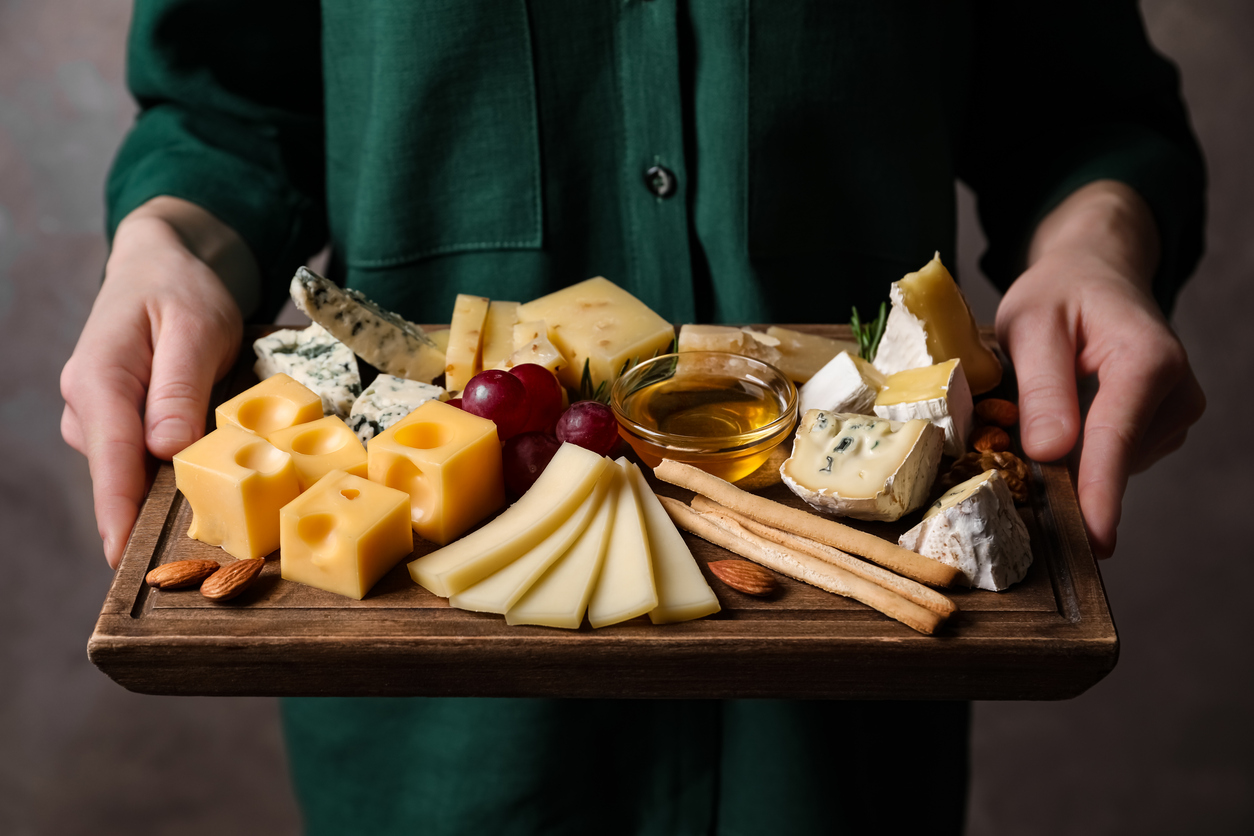
Cheese has a way of bringing people together, whether it's served on a holiday cheeseboard, paired with wine at a dinner party, or featured in a lively trivia game. Beyond its rich flavors and countless varieties, cheese carries fascinating stories about geography, history, science, and culture. That combination makes it one of the most entertaining food topics for quiz nights and gatherings with family and friends. Food trivia has also become a popular form of entertainment. Restaurants, pubs, wineries, and even home game nights often include food-themed quizzes that encourage people to learn while having fun. Cheese is especially well suited to this format because every variety has a unique origin, production method, or legend that can surprise even experienced food lovers.
The Best Cheese Trivia Questions for Your Next Quiz Night
Cheese trivia works because it blends history, geography, science, and everyday food knowledge into one entertaining game. Rather than asking questions that rely purely on memorization, the best quizzes encourage players to connect places, traditions, and ingredients. That variety keeps experienced food lovers interested while still allowing casual participants to join the fun. A balanced trivia round might ask players to identify the French region where Roquefort originated, explain why Swiss cheeses develop their famous holes, or estimate how much milk is needed to produce a single pound of cheese. Pairing questions can also add variety by asking guests to match cheeses with classic dishes, wines, or regional cuisines. Mystery rounds based on texture, aroma, or appearance often become some of the evening's most memorable challenges. The strongest trivia games mix easy, medium, and difficult questions so everyone has opportunities to contribute. Combining geography, food science, production methods, and cultural history creates a quiz that feels educational without becoming overwhelming. Players leave having learned something new while enjoying the friendly competition.
Where in the World Do Famous Cheeses Actually Come From?
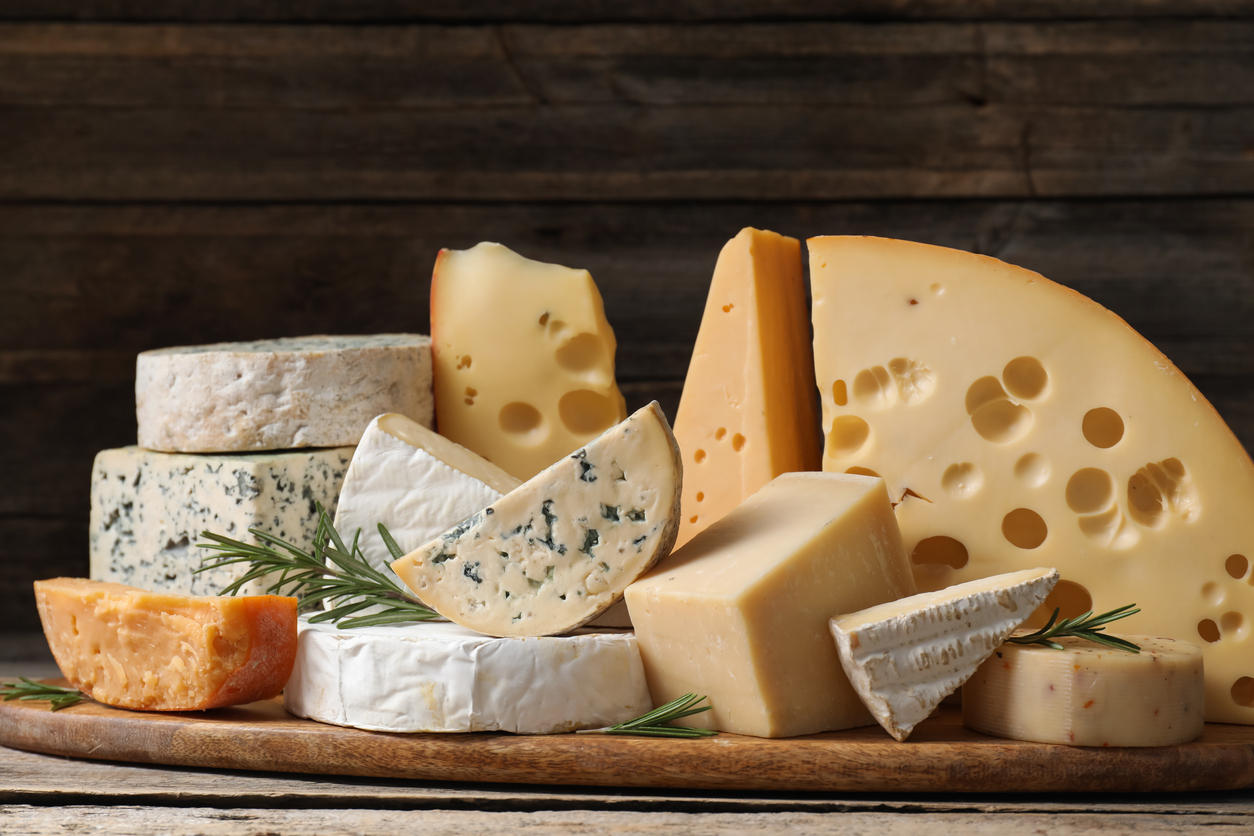
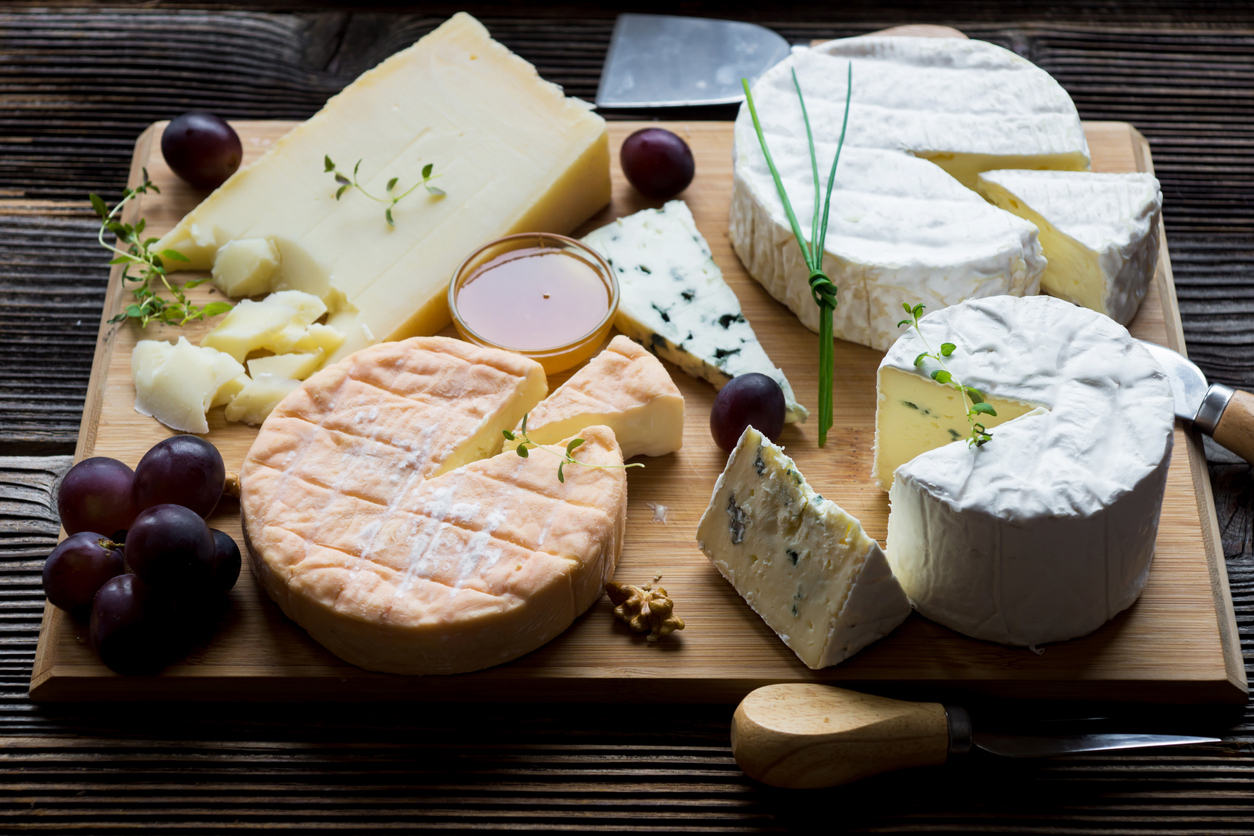
One of the easiest ways to build interesting trivia questions is by exploring where famous cheeses originated. Many of the world's best-known varieties are closely connected to the landscapes, climates, and traditions that shaped their development over hundreds of years. Learning those origins also helps explain why many cheeses continue to be protected by regional food laws today. France alone offers famous examples such as Brie, Camembert, and Roquefort, each associated with specific regions and traditional production methods. Italy is known for Parmigiano Reggiano, Gorgonzola, Mozzarella, and Pecorino Romano, while Switzerland contributes Emmental and Gruyère. England's Stilton, Spain's Manchego, Greece's feta, and the Netherlands' Gouda each represent generations of local craftsmanship that continue to influence cheese making today. Understanding these regional connections makes trivia far more interesting than simply memorizing names. Every cheese reflects local history, agriculture, and culture, giving players a chance to travel the world through food while discovering why certain flavors became closely associated with particular countries and communities.
How TV Cooking Shows Made Cheese More Interesting
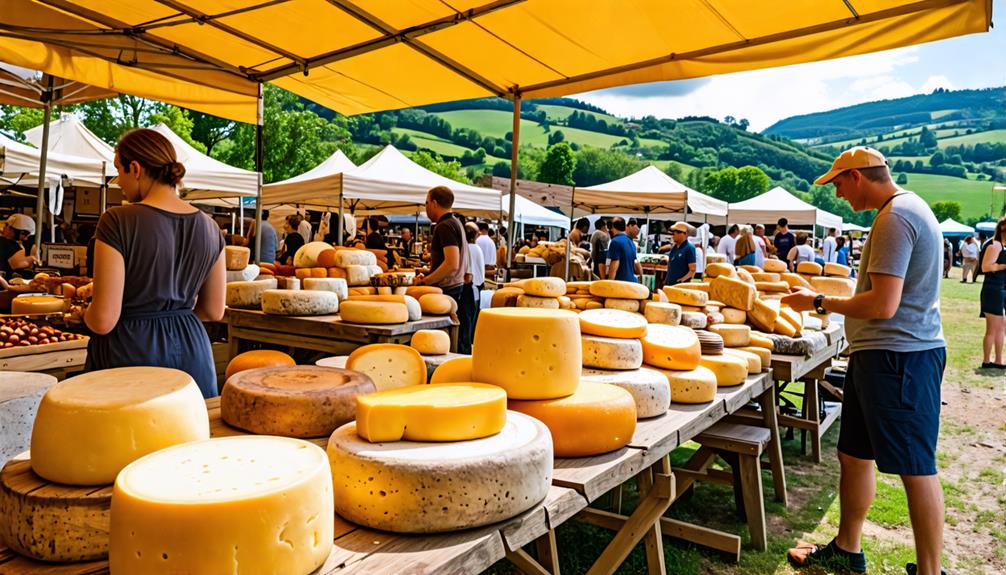
Television has introduced many viewers to cheeses they might never have encountered otherwise. Cooking competitions, travel documentaries, and culinary series regularly visit artisan producers, historic farms, and regional markets, showing audiences that every cheese has its own story. Rather than presenting cheese as just another ingredient, these programs highlight the people, traditions, and craftsmanship behind each variety. Shows such as Chef's Table, Somebody Feed Phil, MasterChef, Top Chef, and The Great British Bake Off have helped audiences appreciate specialty cheeses in new ways. Contestants and chefs often discuss flavor profiles, aging techniques, and regional traditions while demonstrating how different cheeses contribute to memorable dishes. These programs have inspired many people to explore local cheese shops, farmers' markets, and international food festivals after watching them on screen. As food television continues to grow in popularity, cheese has become more than a staple in the refrigerator. It has become part of a larger appreciation for culinary history, craftsmanship, and global food culture.
What Really Goes Into Making Cheese?
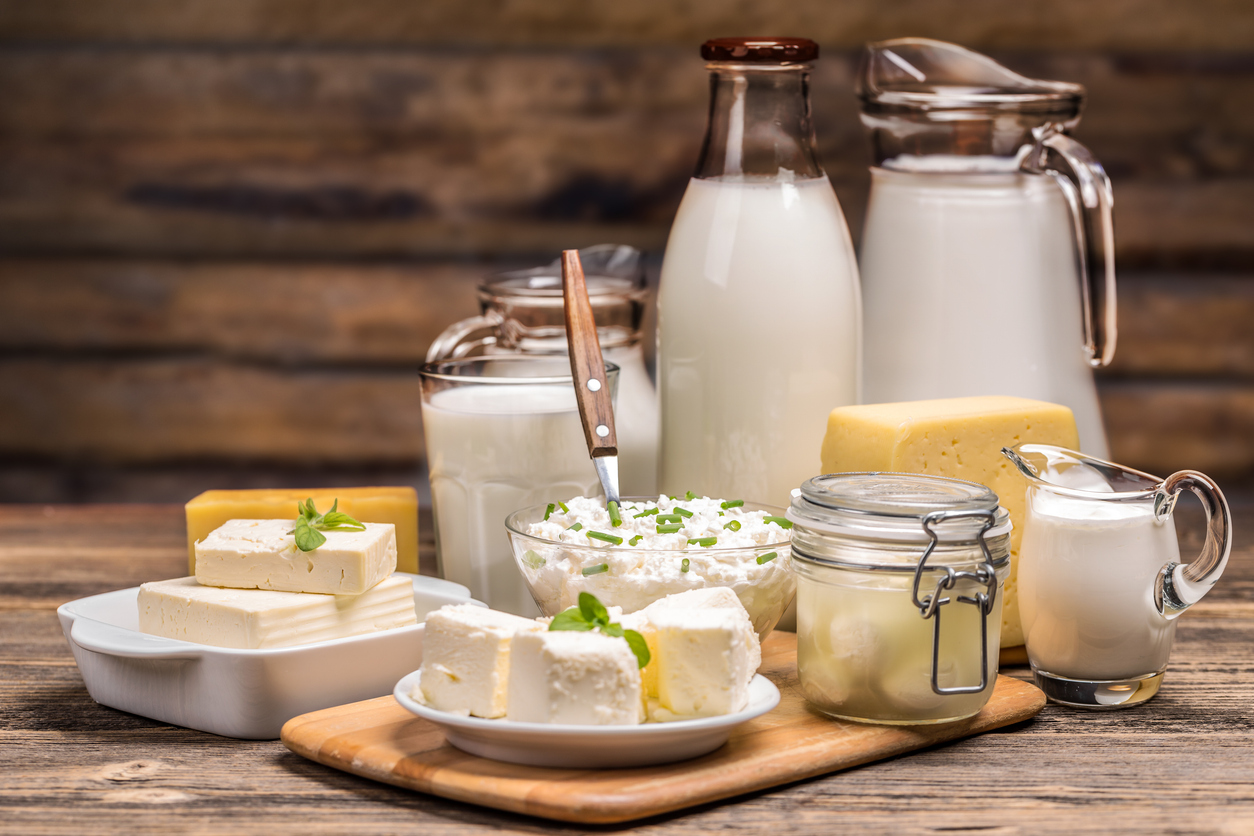
Although there are hundreds of cheese varieties around the world, most begin with the same basic ingredients: milk, cultures, salt, and a coagulant that helps separate curds from whey. From that point onward, every decision—from the type of milk to the aging conditions—changes the final product. Small differences in temperature, humidity, or bacterial cultures can produce cheeses with completely different textures and flavors. The type of milk also plays a major role in determining a cheese's character. Cow's milk creates many familiar varieties, while goat's milk produces tangier flavors and sheep's milk contributes a richer, more concentrated taste. Traditional mozzarella is made from water buffalo milk, while cheeses such as Manchego and Roquefort rely on sheep's milk to develop their distinctive qualities. Aging transforms fresh curds into the cheeses people recognize around the world. Some cheeses are ready to eat within days, while others mature for months or even years under carefully controlled conditions. Throughout that process, bacteria, molds, temperature, and moisture continue shaping flavor, texture, and aroma. Understanding these steps helps trivia players appreciate that every cheese represents both science and craftsmanship.
Which Cheese Facts Stump Even Serious Foodies?
Even experienced food lovers are often surprised by some of the lesser-known facts surrounding cheese. Many people know that Brie comes from France or that mozzarella is associated with Italy, but fewer realize how many traditions, scientific processes, and regional rules exist behind these familiar varieties. Those unexpected details make excellent trivia questions because they challenge assumptions without requiring expert-level knowledge. One popular question asks why Swiss-style cheeses develop their signature holes. The answer isn't simply aging but the carbon dioxide released by beneficial bacteria during fermentation. Another surprising fact is that producing a single pound of many cheeses typically requires about ten pounds of milk. Questions like these encourage players to think beyond flavor and consider the science behind the foods they enjoy. Obscure facts about protected regional names, historic production methods, and unusual aging environments also make memorable additions to a trivia game. They remind players that cheese isn't simply a grocery item but the result of centuries of tradition, experimentation, and craftsmanship that continue to evolve today.
Which Cheeses Have the Best Stories From History and Legend?
Some cheeses carry histories far richer than their flavor profiles. When you dig into the stories behind the wheel, you'll find shepherd legends, battlefield rations, and monastic origins shaping what sits on your cheeseboard today.
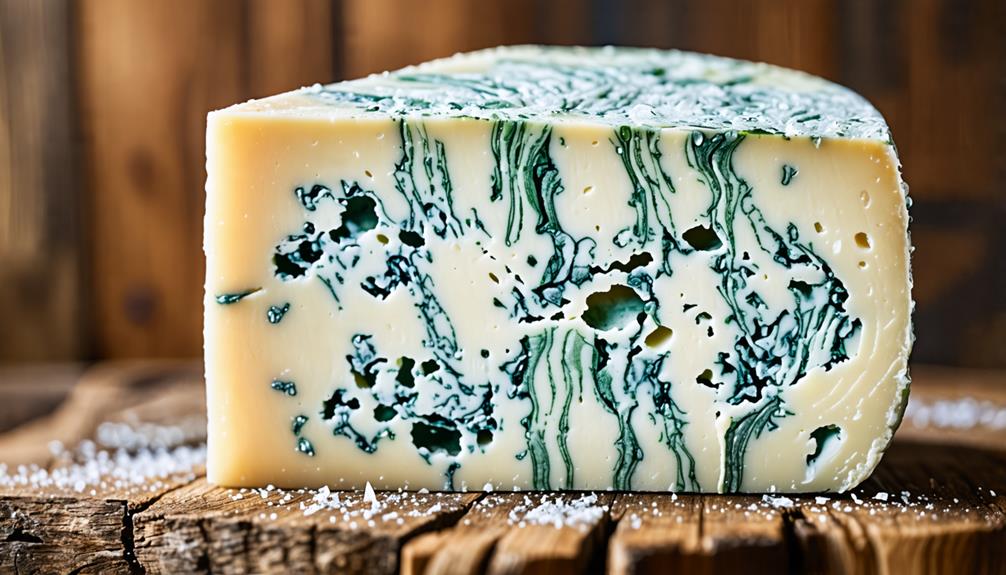
- Roquefort traces back to a shepherd who left his lunch in a cave and returned to find blue-veined magic.
- Brie originated near Paris, refined through centuries of French monastic traditions and noble tables.
- Stilton earned its reputation as England's definitive blue cheese through regional pride and historic trade routes.
- Gorgonzola carries Italian legend deep into its veined interior.
These stories have helped preserve each cheese's reputation for generations, making them more than regional specialties. They continue to appear in travel documentaries, cooking shows, food festivals, and culinary tours that celebrate local traditions. They're not just cheeses—they're edible history. Knowing their backstories makes every bite more meaningful and gives you even sharper answers at your next trivia night.
Why Food Trivia Nights Became So Popular
Food trivia has grown well beyond traditional pub quizzes to become a popular activity at restaurants, wineries, breweries, community festivals, and private gatherings. Unlike highly specialized trivia categories, food questions invite participation because almost everyone has personal experiences with cooking, dining, or favorite ingredients. Even people who don't consider themselves experts often enjoy sharing what they know. Cheese works particularly well because it combines multiple subjects in a single category. Geography, science, history, travel, and culture all come together naturally, allowing hosts to create rounds that appeal to different interests. Some players excel at identifying countries of origin, while others enjoy answering questions about production methods, famous recipes, or legendary stories. Food trivia also encourages conversation beyond the game itself. Players often begin discussing favorite cheeses, memorable restaurant experiences, family recipes, or destinations they'd like to visit after hearing certain questions. The activity becomes more than a competition—it creates shared experiences that continue long after the final scores are announced.
How Do You Run a Cheese Trivia Round That Actually Works?
A successful cheese trivia round depends on variety, pacing, and participation. Begin with straightforward questions that build confidence before gradually introducing more challenging topics covering history, geography, food science, and production. This balanced approach keeps experienced players engaged while ensuring newcomers still have opportunities to contribute. Mixing different question formats also helps maintain energy throughout the game. Traditional multiple-choice questions can be followed by picture rounds featuring different cheeses, matching games pairing cheeses with countries, or tasting challenges for groups willing to sample a few varieties. Timed rounds and team play encourage discussion while preventing players from overthinking every answer. Most importantly, keep the atmosphere fun rather than overly competitive. Offer small prizes, encourage conversation between rounds, and share interesting explanations after revealing each answer. Players often remember the stories behind the questions just as much as the correct answers, making the experience entertaining as well as educational.
Why Cheese Trivia Is Perfect for Parties and Family Gatherings
Cheese trivia fits naturally into almost any social occasion because it combines learning with conversation. Whether you're hosting a holiday dinner, a wine and cheese evening, a birthday party, or a casual game night, trivia gives guests something fun to do while encouraging everyone to participate. You can also include cheese tasting party games and foodie trivia to keep guests engaged between courses and inspire friendly competition throughout the evening. The activity also works well alongside food itself. Hosts can serve a selection of cheeses while asking questions about their origins, ingredients, or history, allowing guests to connect each answer with something they're tasting. Pairing cheeses with crackers, fruit, chocolates, or beverages adds another interactive element that keeps the experience lively and memorable. Family gatherings especially benefit from activities that bring different generations together. Older relatives often enjoy sharing food memories and traditional recipes, while younger players contribute facts they've learned from cooking shows, travel programs, or social media. Cheese trivia creates opportunities for storytelling as well as friendly competition, making it an entertaining centerpiece for almost any celebration.
Conclusion
Cheese trivia is about much more than memorizing facts. Every question introduces players to the history, geography, craftsmanship, and traditions behind one of the world's most beloved foods. From famous European classics to regional specialties found closer to home, each cheese tells a story that connects people with the cultures that created it. Modern food culture has made these stories even more accessible through cooking competitions, travel documentaries, food festivals, and restaurant experiences. Television, social media, and culinary events continue inspiring people to discover new cheeses, explore local producers, and appreciate the remarkable variety found around the world. Trivia transforms that curiosity into an activity everyone can enjoy together.
Related posts