Chevre Cheese 101: Varieties, Flavor Notes & Health Benefits
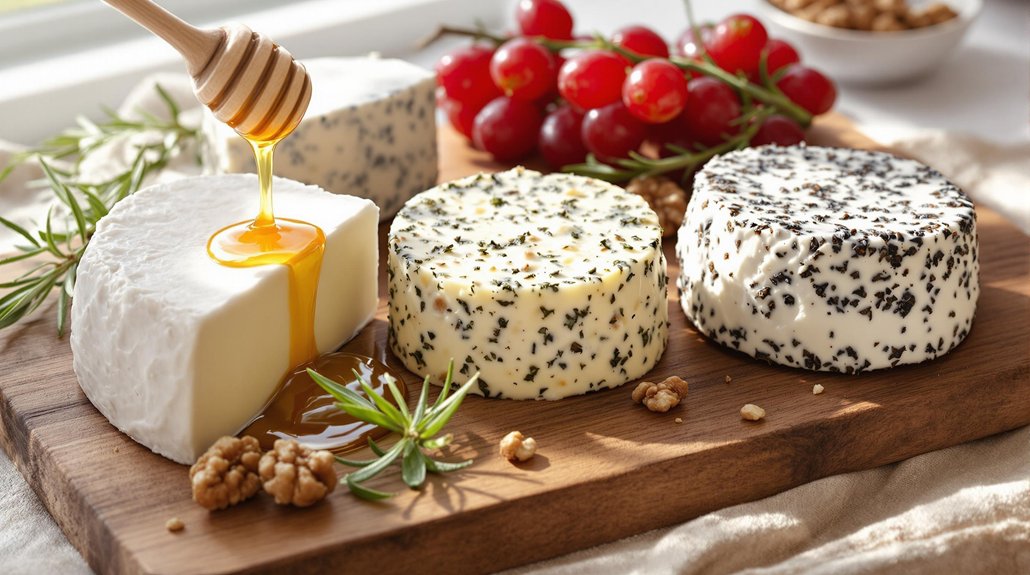
Chèvre, or goat cheese, offers a tangy, creamy profile that ranges from soft and spreadable to firm and aged. You'll find varieties coated in herbs, ash, or aged to mimic familiar cheeses like Cheddar or Brie. It's more digestible than cow's milk cheese thanks to its different protein structure and lower lactose content. Packed with probiotics, calcium, and medium-chain fatty acids, chèvre supports gut health and may aid weight management. Discover why this 8th-century French creation deserves a place in your cheese rotation.
The Origin and History of Chevre Cheese
While many cheeses have ancient beginnings, chèvre's story began specifically in the 8th century when the Moors introduced goats to France's Loire Valley. The name itself—"chèvre" being French for "goat"—directly reflects its primary ingredient and dairy source.
The distinctive flavor profile of goat cheese made it a staple in French cuisine, where various aging techniques and preparation methods evolved to create unique varieties.
Over centuries, chèvre production expanded beyond French borders, with artisan cheesemakers worldwide adopting and adapting these techniques. This expansion mirrors how Roman cheese techniques spread throughout Europe as soldiers retired and established farms in new territories. Today, you'll find both traditional French chèvre and innovative interpretations that honor the original tradition while exploring new flavor possibilities.
What Makes Chevre Different From Other Cheeses
Why does chèvre stand apart in the diverse world of cheese? It's all about the unique properties of goat milk. The distinctive flavor profile comes from higher levels of medium-chain fatty acids, creating that tangy complexity you won't find in cow's milk varieties.
The protein structure sets chevre apart too. Goat milk contains principally alpha-s2 casein rather than alpha-s1 casein found in cow's milk, making it:
- More digestible for many people
- Less allergenic than traditional dairy
- Uniquely creamy with a spreadable texture
The processing and aging methods further enhance chevre's character, allowing for remarkable variation in flavor and aroma. From fresh and mild to aged and pungent, each variety maintains the distinctive qualities that make chevre a standout choice.
Unlike hard cheeses that require months to years of aging, chevre is typically aged for just days to weeks, resulting in its characteristic soft, creamy texture.
Popular Varieties and Aging Processes
Three distinct aging journeys transform chèvre from its fresh beginnings into a diverse family of cheeses you'll want to explore. Fresh goat cheese is soft and tangy, perfect for spreading on crackers or crumbling over salads.
As it ages, semi-soft goat cheese develops a creamier texture and more complex flavor profile. Different types of goat cheese reflect various aging processes—some coated in herbs or vegetable ash to create distinctive varieties of goat cheese. You'll find goat cheese is made to mimic familiar styles like Cheddar, Brie, or Gruyère, expanding the range of possibilities.
Cheese made from goat's milk contains regional characteristics based on local terroir and traditional methods. The goat cheeses tend to become firmer and nuttier with age, sometimes developing that characteristic "goaty" flavor that cheese is often used as a signature note in mature varieties.
Nutritional Profile and Digestibility Advantages
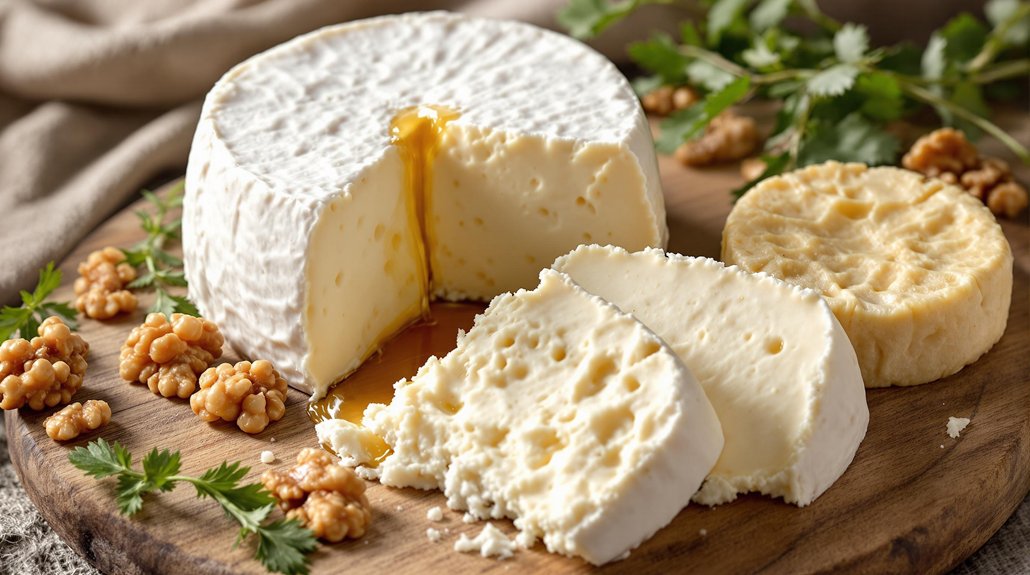
Beyond its remarkable taste and texture, chèvre offers impressive nutritional benefits that complement its culinary versatility. When you enjoy an ounce of this goat's milk cheese, you're consuming 102 calories packed with 6 grams of protein and 8 grams of fat.
What makes chèvre truly stand out in the health department is its digestibility advantages.
- Contains medium-chain fatty acids that your body processes more easily than the long-chain fats found in cow's milk
- Features lower lactose content and less A1 casein protein, making it a friendlier option if you're sensitive to traditional dairy
- Includes beneficial probiotics that support gut health and strengthen your immune system
The fat profile in chèvre may also help you feel fuller longer, potentially offering weight management benefits alongside its rich nutritional profile.
Health Benefits: From Gut Health to Weight Management
How exactly does chèvre contribute to your overall wellness? It's packed with probiotics that enhance gut health, reduce inflammation, and strengthen your immunity. The medium-chain fatty acids in chèvre are metabolized more efficiently than other fats, helping you feel fuller longer and supporting weight management goals.
If you've struggled with dairy sensitivities, chèvre offers a solution. With lower levels of lactose and A1 casein compared to cow's milk cheese, it's gentler on your digestive system, making it a suitable option for those with lactose intolerance.
Beyond digestion, the calcium in chèvre strengthens your bones, potentially warding off osteoporosis. Regular consumption may even offer protection against serious conditions like diabetes, cancer, and high blood pressure.
Culinary Uses and Flavor Pairings
Countless culinary possibilities open up when you incorporate chèvre into your cooking repertoire. This versatile ingredient shines whether crumbled over salads or whipped into creamy desserts. Cheeses made from goat's milk offer distinct flavor profiles that range from mild and tangy to robust and earthy, complementing both sweet and savory dishes.
Spread soft goat cheese on crusty bread with honey and figs for a simple yet elegant appetizer. Use its crumbly texture to elevate roasted beets, walnuts, and arugula in a vibrant salad. Melt it into pasta sauces for a tangy alternative to traditional cheeses.
For adventurous palates, try a blend of sheep's and goat's milk varieties to experience a wide variety of nuanced flavors. You'll find chèvre used as a topping on everything from pizzas to grilled vegetables.
How to Select, Store and Serve Chevre Cheese
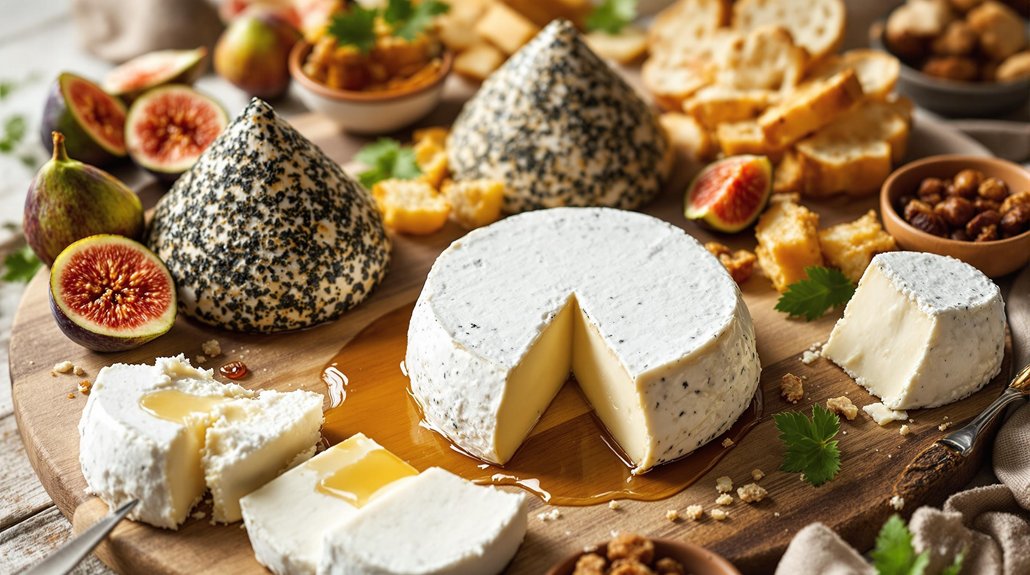
Selecting and properly storing your chèvre guarantees you'll experience its full range of flavors when serving. When choosing among varieties, look for soft cheese that's bright white with a fresh, clean aroma. Fresher types will have milder flavor notes, while aged versions develop stronger profiles.
Store your goat's milk products in the refrigerator at 35-40°F, tightly wrapped in wax paper then aluminum foil. Most chèvre lasts 1-2 weeks refrigerated, though flavor peaks within days of purchase.
To serve this good source of protein, remove from refrigeration 30 minutes before eating to enhance its creamy texture. Present your type of goat cheese on a wooden board alongside fruits, honey, and crackers to complement its tanginess while highlighting its nutritional benefits.