Discovering Mimolette Cheese: France’s Nutty, Orange Cheese Delight
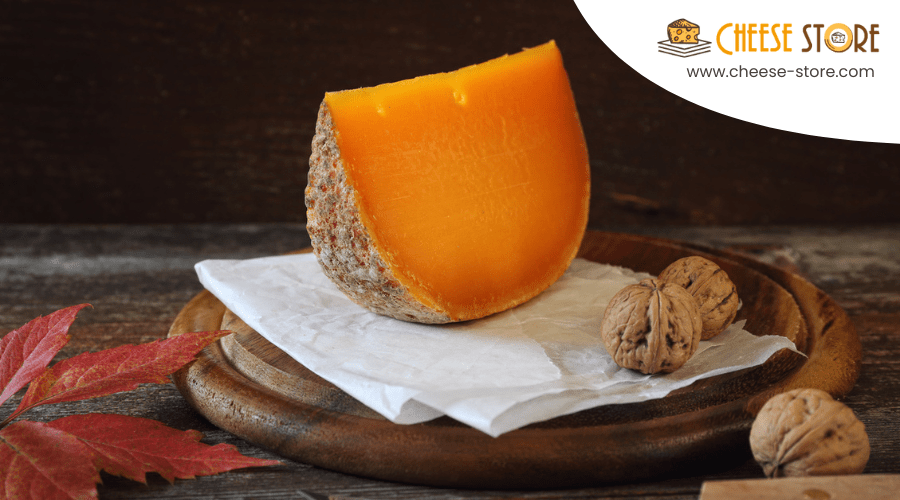
When you’re exploring the world of cheese, certain types stand out from the crowd, and Mimolette is definitely one of them. With its unique, eye-catching orange color and its crumbly, nutty texture, Mimolette isn’t your typical cheese. Originating in France but with a nod to Dutch inspiration, this cheese has a story as rich as its flavor.
Let’s get everything you need to know about Mimolette—from its origins and production process to its unique aging stages, pairing ideas, and even some controversy. Whether you’re a cheese lover or just curious about trying something new, you’ll walk away with a newfound appreciation for this unique and delicious cheese.
A Brief History of Mimolette
Mimolette’s story begins in France, but its roots trace back to the Dutch cheese Edam. In the 17th century, during Louis XIV's reign, France was looking for ways to reduce imports and increase domestic production. The cheese was one of the products they hoped to produce more locally, so French cheesemakers started crafting their own version of Edam, giving rise to what we know today as Mimolette.
This cheese gained popularity in the northern French town of Lille, earning the nickname "Boule de Lille" because of its round, melon-like shape. Unlike Edam, which traditionally has a pale yellow color, Mimolette is known for its vibrant orange hue, thanks to the addition of annatto—a natural food coloring derived from the seeds of the achiote tree. This color isn’t just eye-catching; it’s also symbolic of the unique character that Mimolette brings to the cheese world.
Production: From Milk to Melon-Shaped Cheese

So, how is Mimolette made? Like many artisanal cheeses, the production process is meticulous and time-intensive. First, raw or pasteurized cow’s milk is heated and cultured. After coagulation, the curds are cut, drained, and salted to remove excess whey, which gives Mimolette its denser texture.
One of the most distinctive aspects of Mimolette is its rind, which is home to tiny cheese mites. These mites play a unique role in the aging process by helping to aerate the cheese, giving Mimolette its rough, cratered exterior. While this might sound odd, the mites are carefully controlled and help develop the complex flavors that Mimolette is known for. However, their presence has sparked controversy, especially with import regulations, as we’ll discuss later.
Aging Stages of Mimolette
The taste and texture of Mimolette change significantly depending on how long it’s aged. Mimolette typically ages anywhere from three months to two years, and each stage has its own unique profile:
- Young Mimolette (Jeune): Aged around 3-6 months, young Mimolette is smooth and has a mild, nutty taste. Its texture is softer and more pliable, making it great for melting or slicing.
- Semi-Aged (Demi-Vieille): Aged 6-12 months, semi-aged Mimolette has a more developed, nutty flavor and a firmer texture. At this stage, you’ll notice hints of sweetness, and it starts taking on some of the rich, caramelized notes that it’s famous for.
- Aged (Vieille): At 12-18 months, Mimolette becomes harder and more crumbly, with a pronounced nutty taste and deeper caramel notes. This stage offers a bold flavor and is excellent for pairing with rich foods and wines.
- Extra-Aged (Extra Vieille): Aged for 18 months or more, extra-aged Mimolette is at its most intense. The texture is almost crunchy, with crystals that form within the cheese. It has a robust, sharp flavor with hints of roasted nuts and caramel. This stage is best enjoyed on its own or as part of a sophisticated cheese board.
Each aging stage offers a unique experience, so trying different levels is highly recommended. From mild to intense, there’s something for everyone with Mimolette.
Pairing Mimolette: The Perfect Matches for Every Aging Stage

Cheese is often enjoyed best when paired with complementary foods and drinks, and Mimolette is no exception. Each aging stage of Mimolette brings out different notes, making certain wines and foods ideal pairings:
- Young Mimolette: For a younger, milder Mimolette, try pairing it with a crisp, light wine like a Pinot Blanc or a fruity Sauvignon Blanc. The refreshing acidity of these wines balances the mild sweetness of the cheese. In terms of food, young Mimolette pairs well with fresh salads, apples, and pears, which bring out the cheese’s mild nuttiness.
- Semi-Aged Mimolette: A semi-aged Mimolette, with its stronger flavor, pairs beautifully with richer whites like Chardonnay or even a light red wine such as Beaujolais. Pairing with roasted vegetables or crusty bread complements its firmer texture and subtle caramel notes.
- Aged Mimolette: The complex flavors of aged Mimolette are a match made in heaven for full-bodied wines like Cabernet Sauvignon or Syrah. These wines have the depth to hold up against the cheese’s intensity. Pair aged Mimolette with charcuterie, olives, or toasted nuts for an unforgettable taste experience.
- Extra-Aged Mimolette: For the bold flavors of extra-aged Mimolette, go for a robust red wine like Bordeaux or a bold Zinfandel. The cheese’s sharp, almost spicy notes are complemented by these intense wines. Extra-aged Mimolette is also delightful on its own, as its depth of flavor is an experience in itself.
If you’re new to pairing, start with young Mimolette and experiment as you go. Each aging level offers a unique opportunity to discover new taste combinations.
How to Store Mimolette
Cheese storage can be a bit tricky, and Mimolette requires special care to maintain its flavor and texture. Here are some tips for storing Mimolette:
- Wrap Properly: Avoid plastic wrap, as it can suffocate the cheese. Instead, wrap it in wax or parchment paper, which allows it to breathe. You can then place it in a loose plastic bag or container for extra protection.
- Refrigeration: Store Mimolette in the vegetable drawer, where humidity is higher, and the temperature is more stable. This helps prevent the cheese from drying out.
- Keep Away from Strong Smells: Cheese can absorb odors, so it’s best to store it separately from pungent foods. Mimolette has a distinct aroma, so keep it in its own compartment if possible.
- Handling Mold: If you notice mold on the surface, don’t worry! Simply scrape or cut away the affected area, as it won’t penetrate the cheese. This is common with aged cheeses, and Mimolette’s hard rind makes it easy to remove any spots.
Following these tips will help you enjoy your Mimolette for longer without sacrificing its flavor and texture.
The Mite Controversy: The Tiny Creatures That Make Mimolette Unique
One of the most interesting aspects of Mimolette cheese is its rind, which is home to tiny cheese mites. While this might seem strange, these mites are actually beneficial to the cheese-aging process. They burrow into the cheese’s outer layer, creating tiny holes and aerating the rind. This interaction adds depth to Mimolette’s flavor and contributes to its distinct appearance.
However, not everyone is a fan of the cheese mites. In fact, some countries have restricted or banned Mimolette imports due to the presence of these mites. In the United States, for example, Mimolette faced import challenges because of health concerns related to the mites. Despite the controversy, Mimolette continues to be celebrated by cheese lovers around the world for its one-of-a-kind taste and texture.
Why Mimolette Is a Must-Try Cheese

Mimolette is more than just a cheese; it’s an experience. From its vibrant color and unique aging process to its bold flavors and fascinating backstory, Mimolette stands out in the world of cheese. Whether you enjoy it on its own, with a glass of wine, or as part of a cheese board, Mimolette offers a range of flavors that cater to both new and seasoned cheese enthusiasts.
One of the best parts about Mimolette is its versatility. Young Mimolette is mild and creamy, making it ideal for salads and lighter dishes, while aged Mimolette is complex and bold, perfect for those who enjoy intense, layered flavors. The cheese’s unique aging process ensures that there’s a Mimolette for every palate.
Conclusion
Mimolette is a cheese that captures the heart of French cheesemaking, combining tradition, artistry, and a little bit of controversy. Its orange hue, nutty flavor, and crumbly texture make it a standout on any cheese board. Whether you’re pairing it with wine, enjoying it with fruit, or simply savoring it on its own, Mimolette offers a journey through flavors and textures unlike any other cheese.
So, next time you’re at the cheese counter, don’t be afraid to try Mimolette. With its rich history, unique production process, and unforgettable taste, this French delight just might become your new favorite cheese.