How Is Milbenkäse, the German Cheese Ripened With Mites, Made?
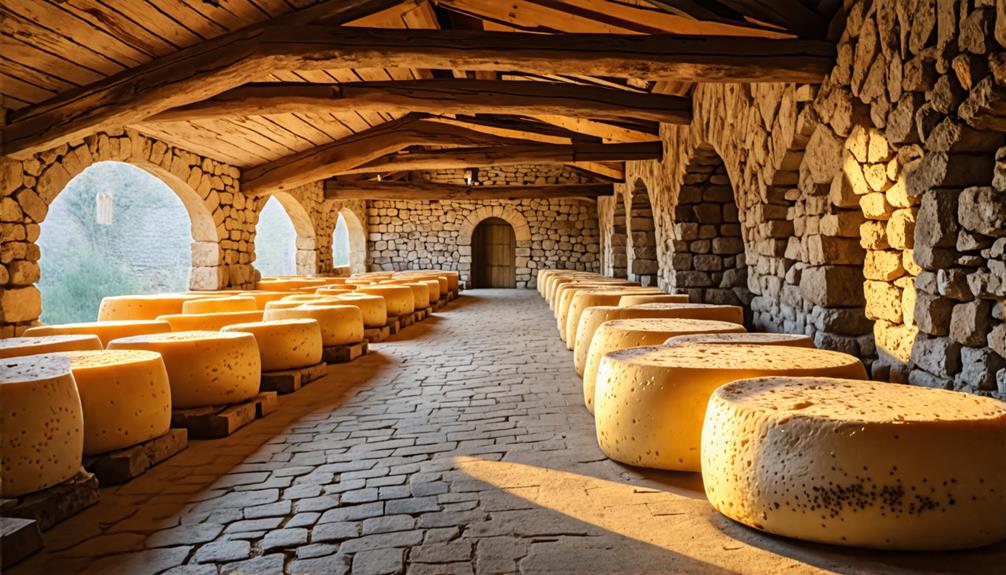
When you explore the making of Milbenkäse, the German cheese ripened with mites, you discover a captivating blend of tradition and unique techniques. The process starts with quark, which is seasoned and shaped. The cheese is then placed in wooden boxes filled with rye flour and inhabited by cheese mites. These mites are crucial to the maturation process, as they consume the cheese and alter its flavor and texture. This interaction between the mites and the cheese is what gives Milbenkäse its distinctive characteristics.
Overview of Milbenkäse
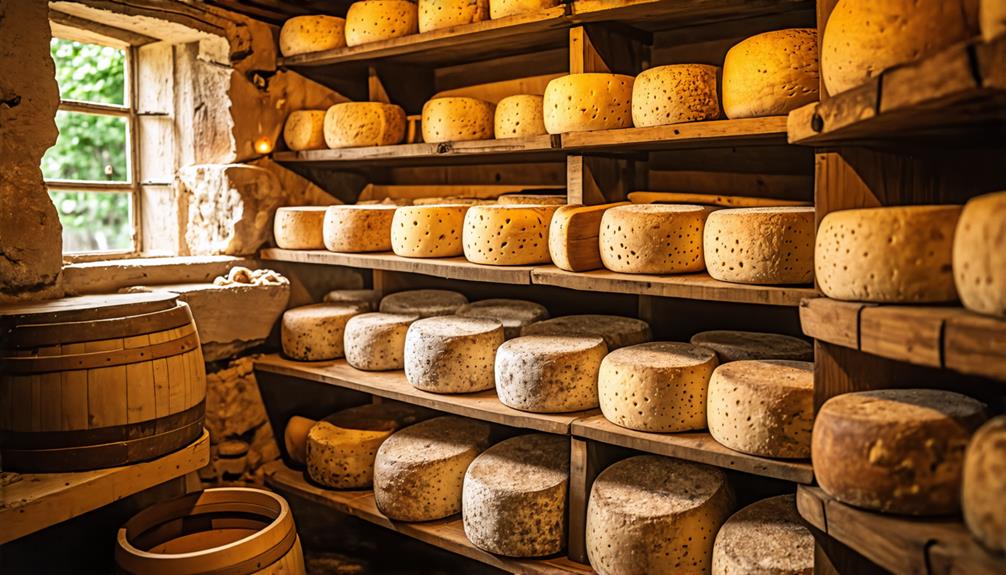
Milbenkäse, also known as 'Mite Cheese,' is a distinctive German delicacy that is matured with live cheese mites to enhance its flavor and texture. This traditional cheese is made from quark, seasoned with salt and caraway seeds, and formed into various shapes. It is then placed in wooden boxes lined with rye flour, which promotes the activity of cheese mites (Tyrophagus casei) during the aging process.
The aging process lasts at least three months, during which the mites' digestive juices break down the cheese, resulting in a rich, complex flavor. As it matures, the cheese develops a rind that changes from yellow to reddish-brown, indicating its unique maturation process. Milbenkäse is more than just a food item; it represents the culinary heritage of specific German regions where it is celebrated as a prized delicacy. However, the production of Milbenkäse is subject to legal regulations, as it occupies a grey area under EU laws concerning the sale of food containing live animals intended for human consumption.
Production Process
To create this unique cheese, quark is shaped into various forms like balls or wheels and then flavored with salt and caraway before drying. The production process involves placing the cheese in wooden boxes filled with rye flour and cheese mites (Tyrophagus casei). These mites are essential for initiating fermentation, feeding on the cheese for about three months. During this period, their digestive juices enhance the fermentation process, altering the flavor and texture of Milbenkäse.
As the cheese matures, the rind undergoes a series of color changes: starting as yellow after one month, turning reddish-brown after three months, and eventually black if aged for up to a year. Regular turning and aeration are crucial to maintain optimal conditions for the cheese mites and ensure proper fermentation.
This meticulous, tradition-rich process results in a distinctive cheese that embodies the unique flavors of its environment. Each step, from shaping the quark to monitoring the aging process, contributes to the final product's character.
Legal Considerations
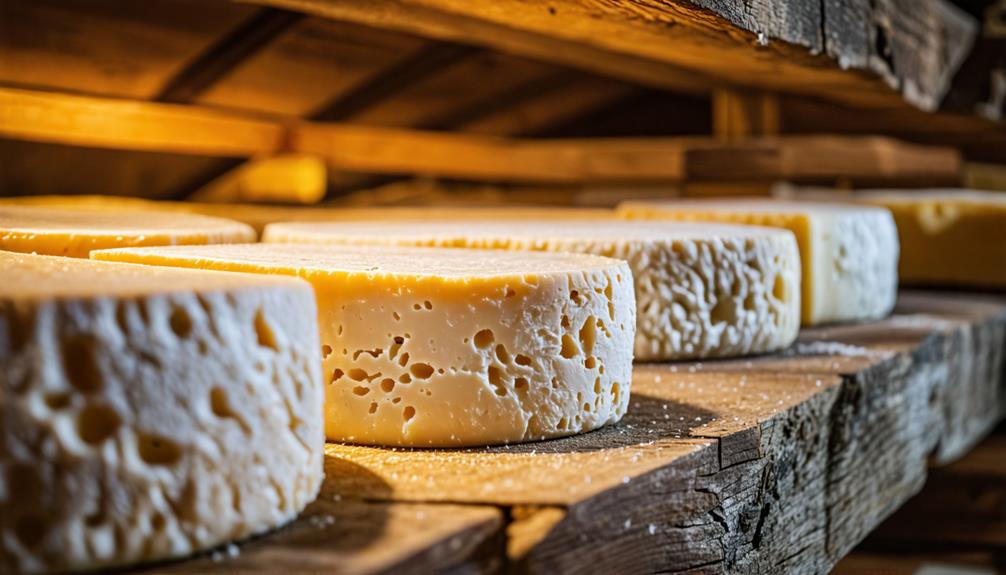
The unique production method of Milbenkäse involves significant legal considerations, especially concerning the use of cheese mites in food products. This complexity emerges from EU Regulation 178/2002, which permits food containing living animals prepared for human consumption. However, the classification of cheese mites and their digestive juices under German food ordinances remains unclear, leading to regulatory ambiguities.
Key points to consider:
- Permits and Compliance: Milbenkäse production requires permits from local food safety offices to ensure adherence to safety standards.
- HACCP Compliance: Adhering to Hazard Analysis and Critical Control Points (HACCP) protocols is crucial to maintain food safety throughout the production process.
- Cultural Significance: Ongoing discussions emphasize both the complexities of Milbenkäse's production method and its cultural importance.
Understanding these legal factors is vital for both producers and consumers. The presence of living animals in cheese may challenge traditional food safety norms, but with proper oversight, Milbenkäse can continue to be appreciated for its rich heritage. Engaging with local food safety offices can provide clarity and ensure compliance in this unique culinary tradition.
Historical Context
Exploring the historical context of Milbenkäse reveals its cherished traditional production techniques dating back to the Middle Ages. Efforts to preserve this unique cheese, especially during its near extinction in the 1970s, highlight its cultural significance. Today, Milbenkäse serves as a testament to culinary heritage, connecting communities to their historical roots.
Traditional Production Techniques
Milbenkäse's traditional production techniques, dating back to the Middle Ages, highlight a fascinating method of aging cheese with live cheese mites that nearly vanished by the 1970s. This unique approach not only showcases a distinct culinary art but also embodies a significant aspect of cultural heritage.
Imagine the process:
- Cheese is placed in a wooden box, where cheese mites thrive.
- The mites break down the cheese's surface, enhancing flavor and texture.
- This time-honored method was at risk of disappearing until a revival effort in the late 20th century.
Helmut Pöschel, a dedicated science teacher, played an essential role in reviving these techniques, ensuring that the knowledge didn't fade away along with the artisans who practiced it. Historical regions like Zeitz and Altenburg are crucial to Milbenkäse's identity, fostering a connection between the cheese and local culture. The Cheese Mite Memorial in Würchwitz stands as a tribute to this unique practice, celebrating its revival and significance. By embracing these traditional methods, you not only savor a rare cheese but also participate in preserving a crucial part of Germany's culinary history.
Efforts for Preservation
Efforts to preserve Milbenkäse production have gained momentum through dedicated individuals and community initiatives, ensuring this unique cheese-making tradition thrives today. The revival began when elderly cheesemaker Liesbeth Brauer shared her knowledge with the community, preventing the craft from fading into obscurity by the 1970s. Science teacher Helmut Pöschel, along with Christian Schmelzer, played a significant role by reintroducing traditional methods and techniques vital for making Milbenkäse.
The establishment of the Cheese Mite Memorial in Würchwitz highlights the importance of these efforts, celebrating the cultural significance of Milbenkäse in regions like Zeitz and Altenburg, where its heritage runs deep. These local initiatives not only safeguarded the cheese-making tradition but also sparked a renewed interest in regional tourism, drawing visitors enthusiastic to experience authentic German food practices.
Cultural Significance Today
The revival of Milbenkäse has not only preserved a unique culinary tradition but also reinforced its cultural significance in contemporary German society. Spearheaded by Helmut Pöschel in the 1970s, efforts to revive this centuries-old cheese have made it a symbol of regional identity, particularly in areas like Zeitz and Altenburg. Today, Milbenkäse is celebrated as a crucial part of culinary heritage, attracting food enthusiasts and curious tourists alike.
- The Cheese Mite Memorial in Würchwitz honors the history and craftsmanship behind Milbenkäse production.
- Local festivals showcase Milbenkäse, featuring tastings and demonstrations that highlight its unique characteristics.
These initiatives not only spotlight the revival of Milbenkäse but also foster a sense of community around this extraordinary cheese. As people gather to celebrate its unique flavors and history, Milbenkäse strengthens cultural ties and highlights the importance of preserving culinary practices for future generations. More than just food, the cheese embodies the spirit and identity of the regions that cherish it.
Flavor and Characteristics
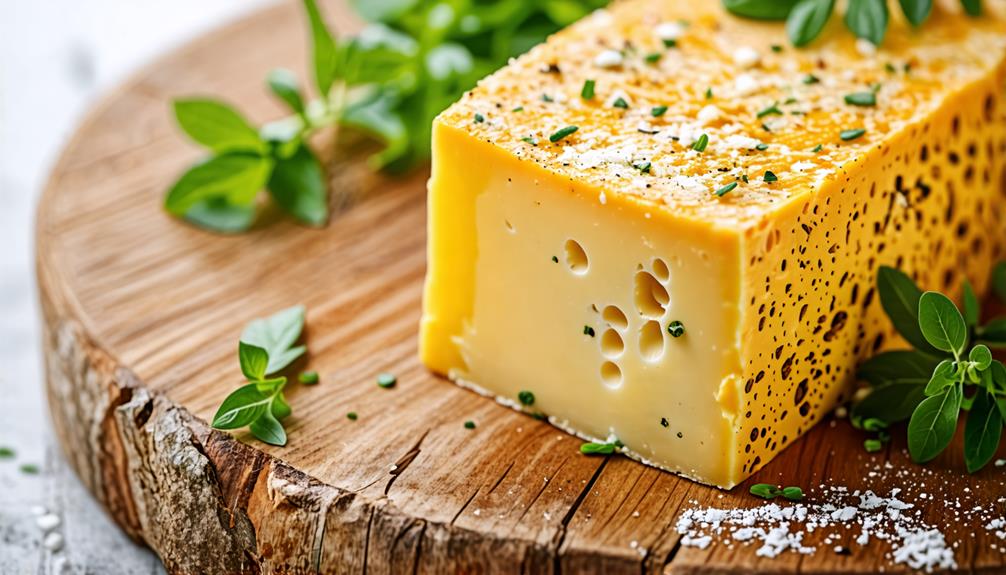
When you taste Milbenkäse, you'll notice its unique flavor profile combining the characteristics of Harzer cheese with the distinct bitterness imparted by the cheese mites. Its crumbly texture and ammonia-like aroma enhance the overall experience, making it truly one-of-a-kind. Additionally, the evolving rind color reflects its aging process, adding complexity to the cheese.
Unique Flavor Profile
Milbenkäse captivates with its unique flavor profile, blending nutty and slightly bitter notes that deepen as the cheese matures. The essential role of cheese mites in the fermentation process contributes significantly to its distinctive taste. As the cheese develops, you'll notice a zesty aftertaste that sets it apart from other varieties.
Here are some key flavor characteristics to understand Milbenkäse better:
- Nutty Undertones: Fermentation enhances the nutty flavor, making each bite rich and satisfying.
- Bitter Notes: These intensify with maturation, offering a complex taste experience.
The live cheese mites influence not just the flavor but also the texture of the cheese. Each taste offers a culmination of flavors shaped by fermentation and maturation, creating a truly unique profile that makes Milbenkäse a standout choice for adventurous cheese lovers.
Texture and Aroma
Milbenkäse is renowned for its crumbly texture, a direct result of the unique fermentation process involving cheese mites. This texture evolves over time, offering a delightful contrast that enhances each bite.
In terms of flavor, Milbenkäse shares a resemblance to Harzer cheese but with additional bitter notes that intensify as it matures. Nutty undertones become more pronounced, culminating in a zesty aftertaste that lingers.
The rind of Milbenkäse is essential for both its aroma and texture. It starts yellow, turns reddish-brown after three months, and can become black if matured for up to a year. The live cheese mites on the rind contribute to an ammonia-like smell during ripening, which some may find off-putting but is integral to the cheese's unique character. Compounds produced by the mites, such as neral, enhance its complex aroma, making Milbenkäse a celebrated delicacy for adventurous cheese aficionados.
Cultural Significance
Celebrating its unique culinary heritage, the production of Milbenkäse in Würchwitz embodies local culture and fosters community pride. This cheese is more than just a delicacy; it symbolizes the cultural identity of the region and underscores the importance of preserving culinary traditions.
- Local festivals celebrate Milbenkäse, drawing food enthusiasts to experience its distinct flavor.
- Artisanal techniques in its production connect the community to its historical roots, dating back to the Middle Ages.
The revival of Milbenkäse production, nearly lost in the 1970s, showcases the community's dedication to preserving this culinary gem. Regional tourism thrives as visitors come to witness traditional methods and taste the artisanal product firsthand. By embracing Milbenkäse, you're not just savoring a flavorful cheese; you're engaging with a rich tapestry of cultural traditions and community spirit that has shaped Würchwitz for generations.
Conclusion
Milbenkäse is a unique German cheese that undergoes a fascinating production process involving cheese mites. These tiny creatures play a critical role in developing the cheese's distinctive flavor and texture, rendering it a true delicacy. The cheese's rich history and cultural significance in Germany elevate its status among cheese aficionados. Whether you're adventurous or simply curious, trying Milbenkäse can offer a delightful experience that connects you to traditional cheese-making practices. Give it a taste and enjoy!