How Is Moose Cheese Made, and Why Is It So Rare in Scandinavia?
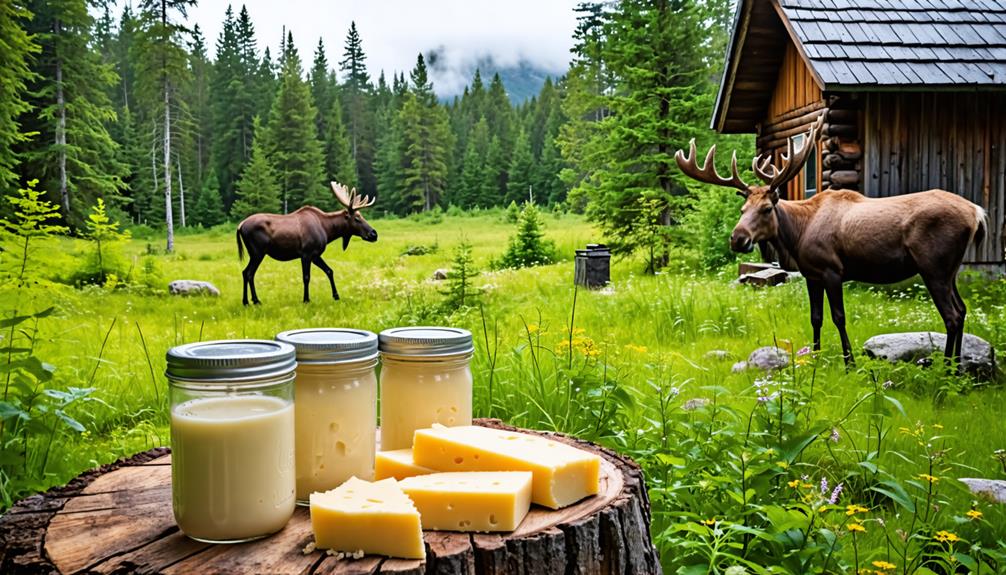
When you think of cheese, moose probably isn't the first animal that comes to mind. However, moose cheese has a unique allure. You might wonder how this rare delicacy is crafted, especially given the challenges involved in milking such wild creatures. With only a handful of producers in Scandinavia, the process is intricate and fascinating. So, what makes this cheese so sought after, and why is its production so limited? Exploring these questions reveals a captivating world behind this elusive culinary gem.
Moose Cheese Production Process
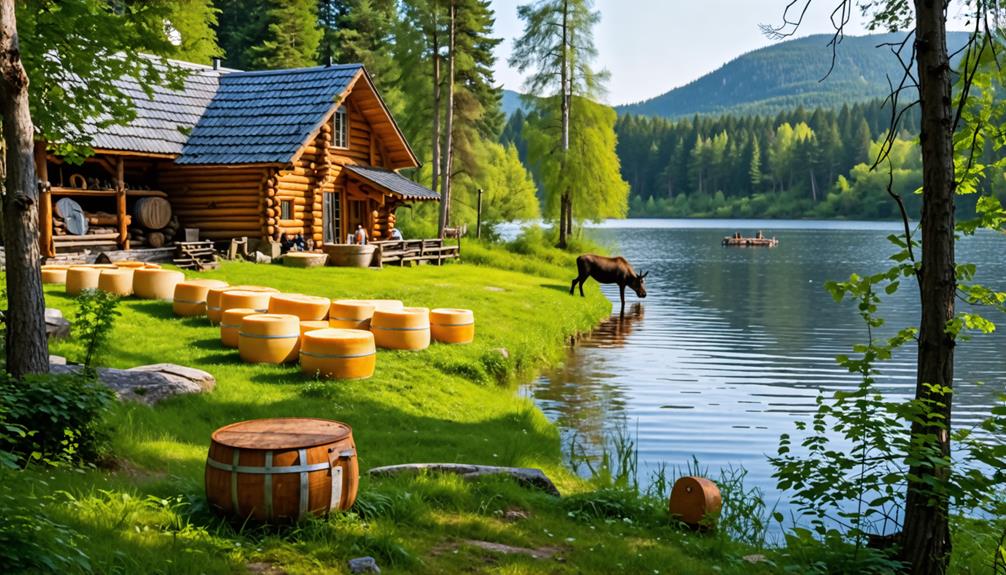
At the Elk House in Bjurholm, Sweden, skilled handlers carefully milk three moose—Gullan, Haelga, and Juno—using specialized equipment to ensure a stress-free experience for the animals. This meticulous moose milking process occurs from May to September, with each moose producing approximately five liters of milk daily. The cheese maker uses this rich milk to create the world's only moose cheese, producing around 300 kg annually.
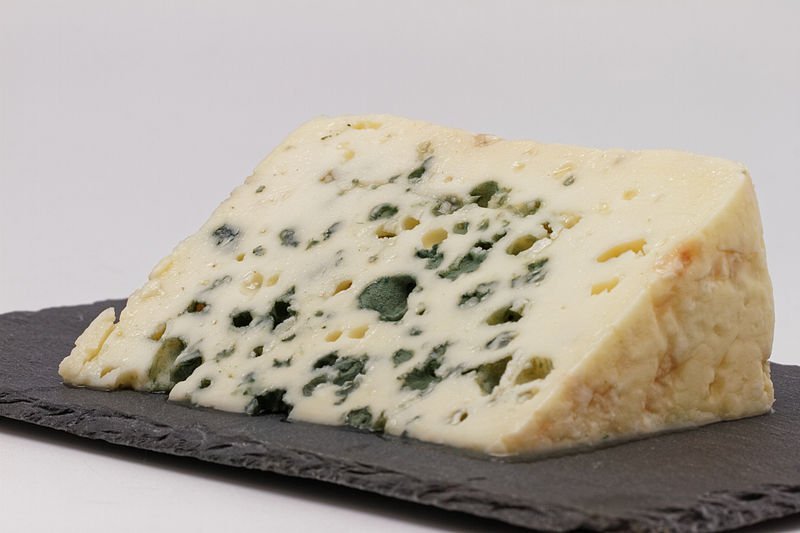
Each milking session lasts about two hours per moose, emphasizing the need for a gentle approach to avoid stress or aggression. Moose milk has a higher fat content than cow's milk, averaging between 6-10%, which contributes to the creamy texture of the resulting cheese, often described as creamy blue. The rarity of this cheese is further amplified by the legal and regulatory challenges of moose farming and the specialized skills required for safe milking.
As the sole producer of moose cheese globally, the Elk House is distinguished by its commitment to animal welfare and the intricate processes involved in creating this exclusive delicacy.
Unique Cheese Varieties
Moose cheese comes in four distinct varieties: Camembert-style, creamy blue, dried blue, and feta. Each variety offers a unique taste and texture, showcasing the versatility of this rare cheese. Among these, feta is the most popular, celebrated for its mildly acidic flavor and smooth texture. The creamy blue variety is known for its rich and bold flavor, while the dried blue variety offers a unique, slightly crumbly texture that enhances various dishes.
Here's a quick overview of each moose cheese variety:
| Cheese Variety | Description |
|---|---|
| Camembert-style | Soft, creamy, with a rich flavor |
| Creamy blue | Rich, bold flavor with a creamy texture |
| Dried blue | Unique, slightly crumbly texture |
| Feta | Mildly acidic, smooth, and versatile |
The distinctive flavors of moose cheese are attributed to moose milk, which has a higher fat and protein content compared to cow's milk. Due to the limited lactation period and the challenges of milking moose, this cheese is among the most expensive in the world, averaging around $500 per pound. Each variety offers a delightful experience for cheese connoisseurs.
Challenges of Milking Moose
Milking a moose presents unique challenges that require specialized training and a calm approach to ensure the safety of both the animal and the handler. Moose are naturally wild and temperamental, making the milking process potentially stressful. If they feel threatened or anxious, it can disrupt the entire procedure.
Moose can only be milked for about five months each year, significantly limiting milk production and cheese availability. Each milking session lasts around two hours and produces about one gallon of milk daily. This requires considerable time and effort for a relatively small yield.
Additionally, legal and regulatory restrictions on moose ownership for agricultural purposes complicate large-scale moose cheese production in Scandinavia. These challenges necessitate patience and expertise, limiting the viability of moose cheese as a commercial product. Thus, the rarity of moose cheese is attributed to these multifaceted obstacles that hinder consistent and large-scale production.
Economic Impact and Demand
The rarity of moose cheese significantly enhances its economic impact, creating a niche market that attracts gourmet food enthusiasts and tourists. Priced at approximately $500 per pound, moose cheese garners attention due to its unique flavor and the production challenges of sourcing moose milk. With only three moose producing around 300 kg annually, demand far exceeds supply, making this delicacy highly sought after.
Restaurants and specialty shops in the region leverage the allure of moose cheese to boost local tourism. They market it as a unique culinary experience, attracting foodies eager to try something extraordinary. This exclusivity not only benefits the local economy but also fosters a culture of cheese tourism, where visitors specifically seek out this rare product.
Additionally, the increasing reputation of moose cheese has generated interest in urban markets, such as New York City, where affluent buyers pursue unique gourmet food options. Although demand is rising, current production challenges and regulatory hurdles restrict broader market access. This indicates that the economic impact could expand further with appropriate support and innovation in production.
Cultural Significance of Moose Cheese
In Sweden, moose cheese embodies a rich cultural heritage, reflecting traditional agricultural practices and a commitment to sustainable farming. This unique cheese, produced exclusively at Elk House in Bjurholm, showcases the artistry of Swedish farmers and emphasizes the connection between local food production and community identity.
| Aspect | Description | Importance |
|---|---|---|
| Production Location | Elk House, Bjurholm | Represents local agriculture |
| Farming Practices | Sustainable and traditional methods | Promotes ecological balance |
| Culinary Experience | High-value delicacy at $500 per pound | Attracts gourmet enthusiasts |
Moose cheese's rarity has garnered international acclaim, positioning it as a symbol of artisanal cheese production. The delicate flavor and unique production process offer a one-of-a-kind culinary experience that is difficult to replicate. It significantly promotes local tourism, drawing visitors to Elk House farm for tours and tastings. By doing so, moose cheese enriches Swedish gastronomy and strengthens community ties through a shared culinary heritage.
Conclusion
Moose cheese is a rare and luxurious delicacy, primarily due to the unique and labor-intensive process of its production. The challenges of milking wild moose, coupled with the limited number of animals available for this purpose, contribute to its scarcity. This cheese is highly sought after, especially in Scandinavia, where it holds significant cultural value and exemplifies the dedication of the artisans who produce it. If you ever have the opportunity to taste this extraordinary cheese, it is an experience not to be missed.