Is Cheese Paleo-Friendly? Understanding Dairy in Paleo Nutrition
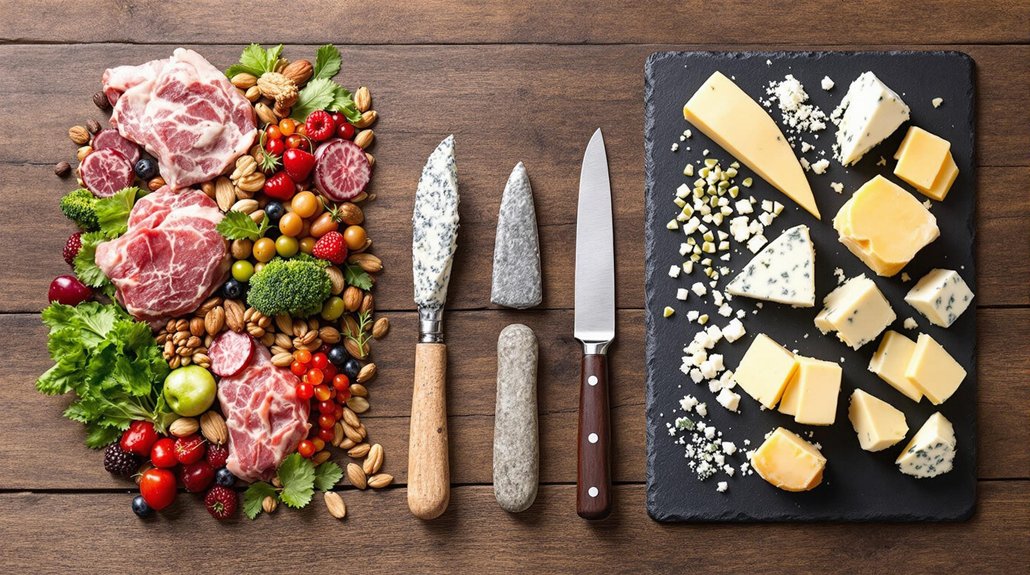
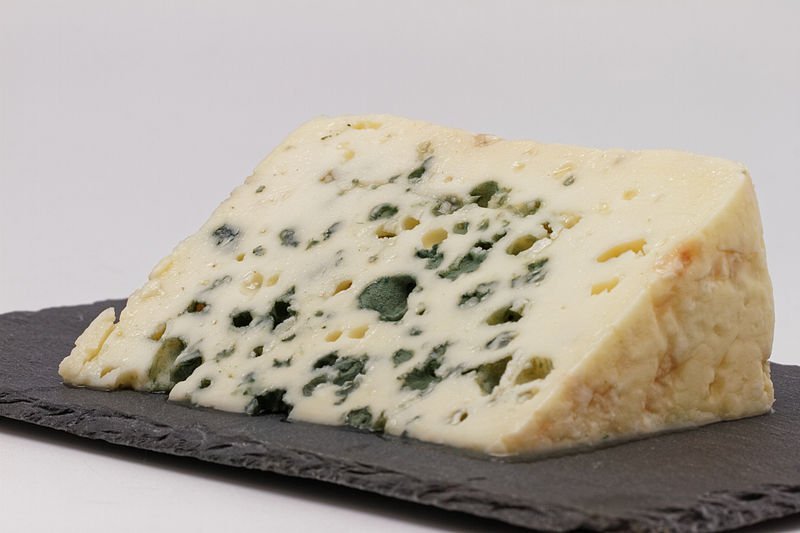
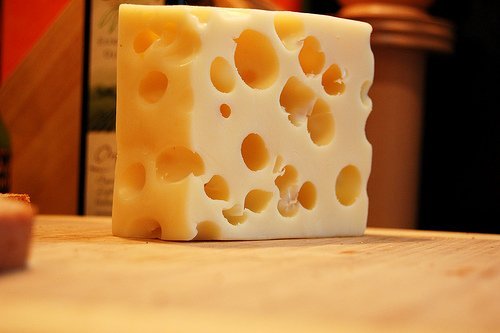
Cheese isn't strictly Paleo since dairy wasn't part of our ancestral diet before agriculture. However, many Paleo followers make exceptions for certain cheeses, especially hard, aged varieties from grass-fed sources. These contain less lactose and problematic proteins while offering beneficial nutrients like K2 and CLA. Your best options include fermented, raw cheeses from goat or sheep milk. Individual tolerance varies, so your ideal approach depends on how your body responds to different dairy forms.
The Ancestral Perspective on Dairy Consumption
Although dairy products dominate modern supermarket shelves, they're remarkably new additions to human nutrition. Your Paleolithic ancestors never consumed milk from domesticated animals, as dairy consumption only entered the Western diet about 10,000 years ago—just 333 human generations past. This brief evolutionary timeframe suggests you haven't fully adapted to dairy, evidenced by lactose intolerance affecting 65% of the global population.
Archaeological evidence shows that the earliest cheese production dates back to around 4,000 BC, as depicted in Egyptian tomb murals. From an evolutionary perspective, milk was designed for infant animals' rapid growth, not adult human consumption. Despite dairy industry claims, milk provides minimal essential vitamins and minerals compared to nutrient-dense whole foods like meats, seafood, fruits, and vegetables.
When considering a Paleolithic diet, remember that dairy's recent introduction to human nutrition makes it questionable whether your body has sufficiently adapted to process it effectively.
Why Cheese Is a Gray Area in Paleo Nutrition
While the strict interpretation of Paleo nutrition excludes all dairy products, cheese occupies a unique middle ground that divides many Paleo adherents. This stems from the fact that dairy wasn't available during the Paleolithic Era, yet many modern Paleo followers don't experience digestive concerns when consuming certain cheeses.
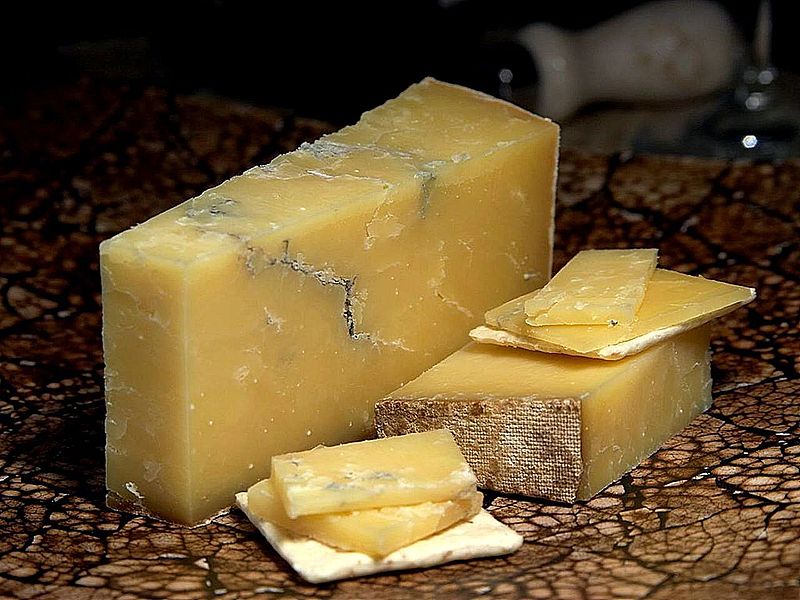
Hard, fermented varieties like aged cheddar tend to be better tolerated than soft, fresh options. If you're considering including cheese in your Paleo approach, prioritize options from grass-fed animals and consume them in moderation rather than as dietary staples.
Remember that your individual health goals and personal tolerance should ultimately guide your decisions. Some Paleo variations explicitly allow high-quality dairy, recognizing that nutrition isn't one-size-fits-all, but rather adaptable to your body's specific needs. Certain raw milk cheeses may be more compatible with Paleo principles as they contain higher levels of beneficial bacteria and natural enzymes that can aid digestion.
Types of Cheese Most Compatible With Paleo Principles
For those embracing a flexible Paleo approach that includes some dairy, not all cheeses are created equal when it comes to alignment with ancestral eating principles. Hard, aged varieties like cheddar and Parmesan contain less lactose, making them more compatible with Paleo guidelines than soft, fresh cheeses.
Fermented options offer additional benefits, as the fermentation process breaks down problematic milk proteins and lactose. You'll likely tolerate goat and sheep's milk cheeses better than cow's milk varieties due to their A2 casein content, which tends to cause less inflammation.
When selecting cheese, prioritize full-fat, grass-fed options over processed alternatives. Remember that moderation remains essential—even the most Paleo-friendly cheese might trigger digestive issues or inflammation in sensitive individuals.
Potential Health Benefits of High-Quality Cheese

Despite the controversy surrounding dairy in Paleo circles, high-quality cheese offers several notable health benefits when consumed mindfully. Grass-fed cheese contains healthy saturated fat and fat-soluble nutrients similar to butter, including vitamin A and K2, which support heart health and insulin sensitivity.
Fermented, full fat cheeses like cheddar reduce problematic compounds while increasing bioavailability of calcium and vitamin D. Many people tolerate raw cheese better than pasteurized varieties, especially when it contains the A2 form of casein protein.
Goat and sheep cheeses provide unique nutritional advantages with less digestive distress than cow's milk options. Perhaps most impressive is cheese's conjugated linoleic acid (CLA) content, which exhibits anti-inflammatory properties. When sourced thoughtfully, cheese can be a nutrient-dense addition to your modified Paleo approach.
Common Dairy Sensitivities and How to Identify Them
Though cheese offers impressive nutritional benefits, many people experience adverse reactions to dairy products that can undermine these advantages. Understanding your specific sensitivity is essential for making informed decisions about including dairy in your Paleo approach.
Three common dairy sensitivities to watch for:
- Lactose intolerance - If you experience bloating, gas, or diarrhea after consuming dairy, you may lack sufficient lactase enzyme to digest milk sugar.
- Milk protein allergies - Reactions to casein (especially A1 casein found in conventional cow's milk) can trigger immune and inflammatory responses that A2 casein may not.
- Hormonal sensitivities - Natural hormones and growth factors in dairy might exacerbate acne or hormonal imbalances, while conventional dairy's inflammatory omega-6 fatty acids and antibiotic residues can further impact health.
Fermentation: The Key Factor in Paleo-Aligned Cheese
Three critical aspects of fermentation transform ordinary dairy into Paleo-compatible cheese. First, fermentation greatly reduces lactose content, especially in aged varieties like cheddar and Parmesan, making them more digestible for those following a Paleo lifestyle.
Second, this process breaks down casein proteins that typically cause digestive issues, rendering the dairy more tolerable.
For the best choices, select cheese from goat or sheep milk, as their casein structure is naturally easier to digest than cow's dairy. The fermentation process also introduces beneficial gut bacteria, supporting your microbiome health—a key Paleo principle.
When incorporating cheese into your Paleo diet, prioritize organic, grass-fed options from small-scale producers. These choices maximize nutrient density and minimize additives compared to conventional dairy products.
Sourcing Guidelines for Paleo-Friendly Dairy Products
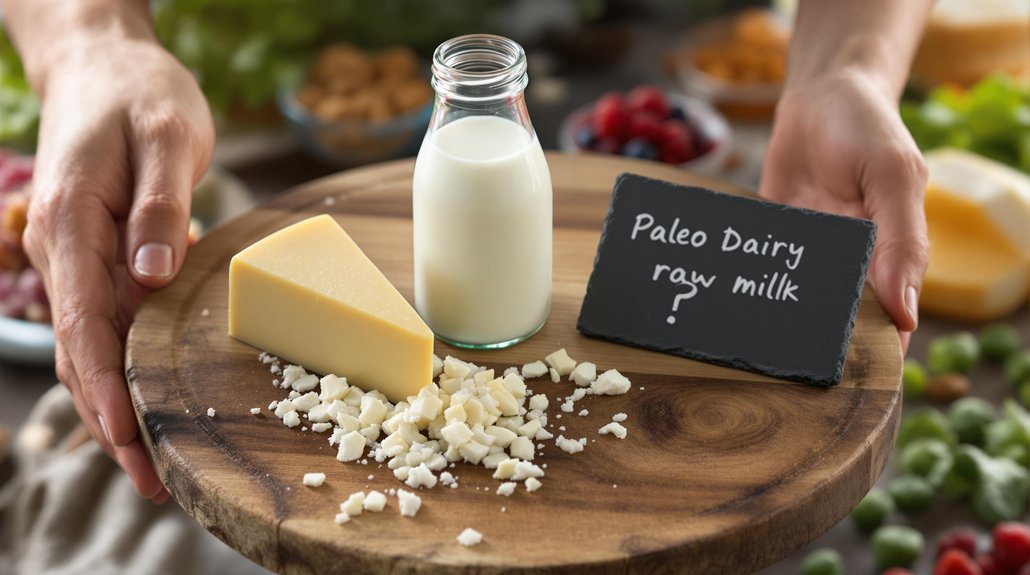
While quality cheese selection represents one aspect of Paleo dairy consumption, knowing exactly where to source all dairy products makes the difference between merely acceptable choices and truly ancestral nutrition. When shopping for Paleo-aligned dairy, prioritize options that minimize potential inflammation and digestive issues often associated with conventional products.
- Seek raw dairy from small local farms - these retain natural enzymes that can help those with lactose intolerance better digest dairy products
- Choose grass-fed, pasture-raised options exclusively - these contain superior nutrient profiles including higher omega-3 fatty acids than conventional alternatives
- Explore beyond cow's milk - fermented dairy, goat milk, sheep milk, and ghee typically cause fewer inflammatory responses and are often better tolerated by sensitive individuals.
Balancing Cheese Consumption in a Paleo Lifestyle
Despite its exclusion from strict Paleo frameworks, cheese can find a thoughtful place in your modernized Paleo lifestyle when properly balanced. Focus on selecting aged, fermented varieties from grass-fed sources to minimize potential inflammation and digestive issues that conventional dairy often triggers.
When incorporating cheese into your Paleo Diet, practice mindful moderation—perhaps enjoying it as an occasional flavor enhancer rather than a dietary staple. Pay attention to how your body responds; while some thrive with limited dairy inclusion, others may experience health setbacks that outweigh nutritional benefits.
Consider timing your cheese consumption around workouts when your body can better utilize the protein and fat content. Remember that Paleo's ultimate goal isn't perfect historical reenactment but optimizing your personal health through evolutionary principles.
Dairy Alternatives for Strict Paleo Adherents
For those committed to strict Paleo principles, eliminating dairy entirely doesn't mean sacrificing creamy textures or rich flavors in your meals. You'll find numerous dairy-free alternatives that align perfectly with ancestral eating patterns while satisfying your cravings.
Consider trying:
- Nut-based cheeses made from cashews or almonds that provide spreadable textures similar to soft cheeses
- Avocado-based spreads that offer creaminess without compromising your dairy-free commitment
- Coconut yogurt as a tangy substitute for traditional yogurt, with beneficial probiotics
When cooking, replace conventional dairy with coconut, cashew, or almond milk in your favorite recipes. Nutritional yeast adds that cheese-like flavor to dishes without straying from strict Paleo guidelines. While some Paleo variations permit fermented dairy products or aged cheeses from grass-fed animals, these alternatives guarantee full compliance.