Is Cheese Still Good if It Gets Wet?

If your cheese gets wet, it's still safe to eat, but you'll need to act quickly to prevent spoilage. Pat the surface dry with paper towels and replace any damp packaging with fresh parchment paper or cheese wrap. Place the cheese on a wire rack in your refrigerator to promote airflow during storage. While moisture is part of the natural aging process, excessive wetness can lead to mold growth. Understanding proper moisture control can help you preserve your cheese's quality and extend its shelf life.
Understanding Why Cheese Gets Wet
Cheese can become wet for several reasons, with moisture commonly accumulating from condensation, humidity changes, or improper storage conditions. When you move cheese between different temperatures, like from your fridge to room temperature, water droplets can form on its surface. This happens because warm air holds more moisture than cold air, causing condensation when they meet.

During the aging process, some cheeses naturally release moisture as they develop their flavors and textures. If you're storing cheese in a container that's too airtight, the moisture can't escape and collects on the surface. While a bit of moisture isn't always harmful, excess wetness can create an environment where unwanted bacteria thrive. To keep your cheese safe and in ideal condition, it is critical to maintain proper storage conditions and humidity levels. High-fat cheeses like Gouda and Cheddar are especially prone to becoming wet or sweaty when exposed to temperature changes.
Types of Moisture Found in Different Cheeses
Different dairy products exhibit unique moisture characteristics that define their texture and aging process. As cheese ages, you'll notice various forms of moisture and crystallization that contribute to its distinct personality.
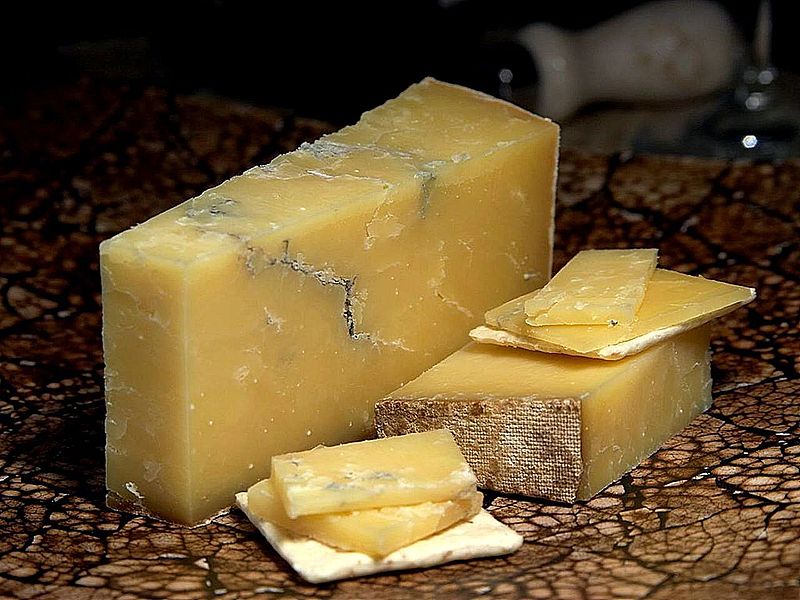
In hard cheeses, you'll commonly find two types of natural formations. The first is calcium lactate, which appears as a white, powdery substance, particularly in aged varieties like sharp cheddar and Colby. Don't mistake this for spoilage - it's actually a sign of complex flavor development. The second type is tyrosine crystals, which create that satisfying crunch you've probably experienced in well-aged Swiss or parmesan cheese.
You might also notice whey, a natural liquid that seeps out during the aging process. These moisture variations are completely normal and often indicate proper maturation. The controlled aging environment helps develop these unique moisture characteristics while preventing unwanted bacterial growth.
The Science Behind Cheese Sweating

When you notice moisture beading on the surface of your cheese, you're witnessing a natural process called "sweating." This occurs as the fat molecules and internal moisture migrate to the surface when the cheese warms to room temperature.
You'll find that softer, high-fat cheeses like brie and camembert are particularly prone to sweating. Don't worry when your cheese gets a bit moist - it's completely normal and doesn't mean your cheese has spoiled. You can easily manage this by blotting the surface of the cheese with a paper towel before serving.
- Fat content directly affects how much your cheese will sweat
- Room temperature changes trigger the migration of moisture
- Proper wrapping helps control moisture levels
- Surface sweating is more common in aged, premium cheeses
Hard cheese aging can take several months to years, resulting in less moisture content and sweating compared to soft varieties.
Natural Signs of Aging Vs Warning Signs
Knowing how to distinguish between harmless aging and dangerous spoilage can save you from tossing perfectly good cheese or consuming something unsafe. Natural aging signs include crystalline spots on aged cheeses like parmesan or cheddar, which are amino acid clusters that contribute to the aged flavor. You'll also notice darker coloring and firmer texture as part of the normal aging process.
However, watch for warning signs that indicate your cheese has gone bad. If you spot fuzzy or colorful mold (except on blue cheese), detect an ammonia-like or rotten smell, or see a slimy texture, it's time to discard it. While some hardening and darkening are perfectly safe, any cheese that feels sticky or shows signs of cracking and splitting beneath the rind should be thrown away.
How to Properly Store Wet Cheese
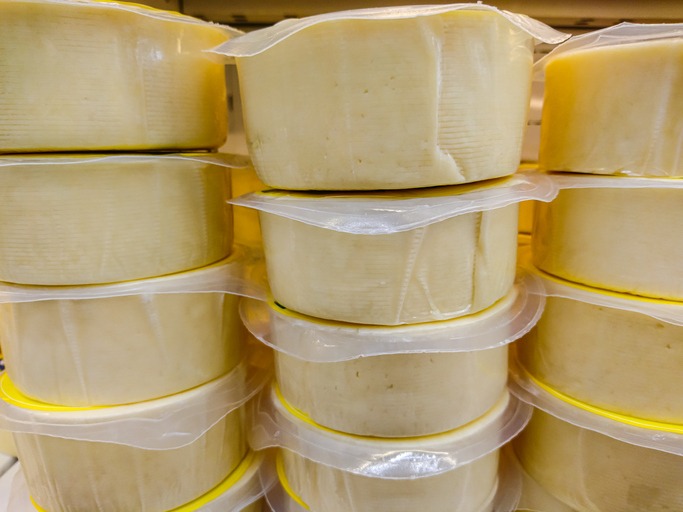
Proper storage of wet cheese requires three immediate steps to prevent spoilage. First, pat the cheese dry with paper towels to remove excess moisture. Then, wrap it in fresh plastic wrap, making sure there's no trapped water. Finally, place it in your refrigerator's cheese drawer or coolest section.
If your cheese has been sitting in water, you'll need to monitor it closely for the next few days. This applies to both soft and hard cheese varieties.
- Check daily for any unusual odors or discoloration
- Replace the plastic wrap every two days to prevent moisture buildup
- Store at 35-45°F (1.7-7.2°C) for ideal preservation
- Keep the cheese away from other strong-smelling foods that could affect its taste
Follow these guidelines, and you'll maximize your cheese's shelf life after it gets wet.
When to Keep Vs When to Toss
Three key indicators help you decide whether to keep or discard wet cheese. Notice the appearance, smell, and texture. If you see visible mold that's not part of the aging process, detect an off-putting odor, or feel a slimy surface, it's time to toss the cheese.
Cheese is always safe to consume when it's just wet or moist, particularly with hard, aged cheeses like cheddar. You'll often spot white crystalline formations on aged cheeses - these are harmless calcium lactate crystals that actually indicate quality maturation. If mold appears on hard cheeses, you can safely cut away the affected area and enjoy the remaining portion. When in doubt, remember that excess moisture is a natural part of the aging process, and you can simply wipe it away before serving.
Tips for Preventing Excess Moisture
While identifying spoiled cheese is important, preventing excess moisture in the first place can save you time and cheese in the long run. There's nothing wrong with being proactive about moisture control. Keep your cheese wrapped until you need to use it, and blot the surface of your cheese with a paper towel if you notice any beading. When serving, let smaller portions come to room temperature rather than setting out large wedges.
- Maintain wrapper coverage when removing cheese from the refrigerator
- Unwrap cheese just before serving to prevent butterfat absorption
- Pre-slice or portion cheese to minimize moisture accumulation
- Serve smaller amounts more frequently instead of large pieces that sit out
These simple steps will help keep your cheese fresh and prevent that unwanted sweaty appearance that can make it less appetizing.
Best Practices for Serving Wet Cheese
Smart serving techniques can salvage wet cheese and maintain its quality for your guests. If your cheese is still damp but safe to eat, pat it dry with paper towels before placing it on your serving board. You'll want to cut away any parts where the culture breaks down or shows unusual discoloration.
Present wet cheese immediately after drying to prevent additional moisture from accumulating. If you're unsure about your cheese's condition, consult your local cheese shop for expert advice on serving alternatives. Consider serving affected portions in cooked dishes where moisture won't impact the taste or texture. Place the cheese on an elevated, raised serving plate with proper drainage to prevent it from sitting in any excess liquid. Use breathable cheese paper or parchment beneath the cheese to absorb remaining moisture.
Restoring Texture in Moist Cheese
Several techniques can help restore the original texture of cheese that's become too moist. When you're dealing with wet cheese, proper drying methods are essential to maintain the lactic acid balance and preserve its quality. Every Big Cheese expert knows that moisture control is part of the aging process, even at your local grocery store.
- Pat the cheese dry with paper towels to remove surface moisture
- Place the cheese on a wire rack in your refrigerator to allow airflow
- Replace any wet packaging with dry parchment paper or cheese wrap
- Store with a moisture-absorbing packet if available
You can salvage most wet cheese by acting quickly. If you notice any unusual odors or mold growth, however, it's best to discard the cheese rather than risk consuming spoiled dairy products.