Scamorza Cheese 101: Origin, Texture & Traditional Serving Methods
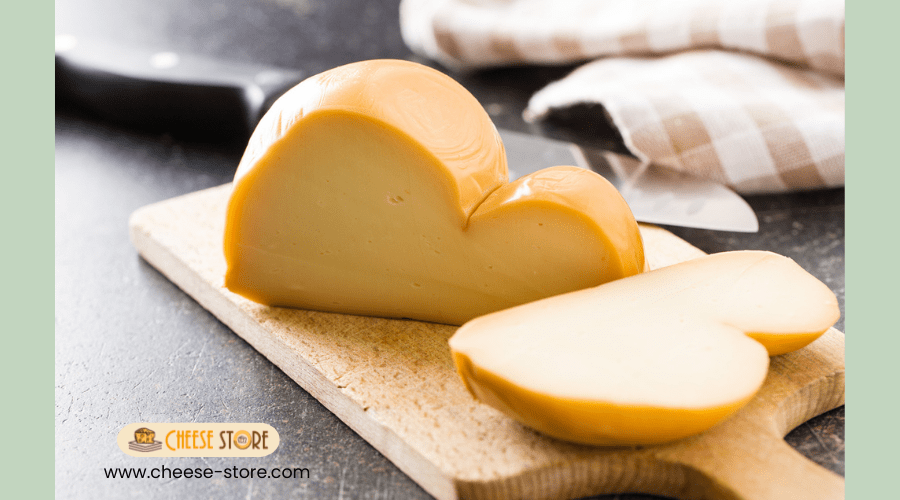
Scamorza is a pear-shaped Italian cheese from southern regions like Campania, Apulia, and Molise. It's made from pasteurized cow's milk through a process of curdling, heating, and stretching. You'll find it in two varieties: fresh (mild and sweet) or smoked (with golden-brown exterior and robust flavor). Serve it at room temperature, sliced with olive oil and bread, or melted in dishes like pizza and risotto. The perfect blend of tradition and versatility awaits.
The Southern Italian Origins of Scamorza Cheese
Although not as internationally renowned as its cousin Provolone, Scamorza cheese boasts a rich heritage in southern Italy's culinary tradition. This distinctive cheese originated in the late 19th century, possibly as an accidental variation during Provolone production.
You'll find Scamorza primarily crafted in three southern regions: Campania, Apulia, and Molise. While it can be made from various milk types, cow's milk dominates modern production methods. Unlike many Italian cheeses, Scamorza doesn't enjoy DOP protection status, which explains why its historical production techniques aren't as thoroughly documented.
What makes this cheese immediately recognizable is its characteristic pear-like shape, achieved through a meticulous process of heating, stretching, and molding the curd. This unique silhouette has become Scamorza's signature feature in Italian cheese-making tradition.
Scamorza shares conceptual similarities with Caciocavallo cheese, which has been mentioned in texts dating back to 500 BC.
Scamorza Production: From Milk to Pear-Shaped Delicacy
The artistry behind Scamorza's distinctive pear shape reveals itself in the cheese's meticulous production process. This Italian cheese begins with pasteurized cow's milk, where specific cultures initiate fermentation before rennet is added to form curds.
Unlike ordinary cheeses, cheese makers heat and stretch these curds in hot water—similar to Mozzarella—before skillfully molding them into their signature pear form. After salting and drying, you'll find two primary varieties: fresh Scamorza with its sweet, delicate milk flavor, and Scamorza Affumicata, the smoked variety that develops a richer, more complex flavor profile.
While not strictly regulated, the core stretching technique remains consistent across southern Italy, giving Scamorza its characteristic melting properties that you'll notice immediately when heated. Similar to Fresh Cheese varieties, Scamorza has a relatively high moisture content that contributes to its smooth texture.
Flavor Profile: Comparing Fresh and Smoked Scamorza
Fresh and smoked Scamorza offer distinctly different sensory experiences despite sharing the same production foundation. The fresh variety delivers a mild, slightly sweet milky flavor with subtle butter notes and a pleasant elasticity typical of pasta filata cheeses. It's delicate yet distinctive, with a complexity that develops as it ages.
Smoked Scamorza, meanwhile, transforms through the smoking process, which infuses the cheese with robust, earthy depth. The smoky flavor creates a harmonious balance with the cheese's natural creaminess, resulting in a more pronounced and complex taste profile. You'll notice a golden-brown exterior that signals its distinct flavor before you even take a bite. The intensity of smokiness varies by producer, from gentle hints to bold statements that stand up beautifully to hearty dishes.
Traditional Italian Recipes Featuring Scamorza
Deeply rooted in Italian culinary traditions, Scamorza cheese elevates numerous classic dishes across regional cooking styles. Whether you're using Scamorza Bianca or the smokier Scamorza Affumicata, this versatile cheese can transform your Italian food experience.
Pasta Perfection - Substitute traditional mozzarella with Scamorza in Gnocchi alla Sorrentina for a more piquant flavor profile that adds complexity to this beloved dish.
Pizza Innovation - Use Scamorza Bianca as a pizza topping paired with cured meats like Prosciutto Crudo, or try Scamorza Affumicata with Speck for a robust flavor combination.
Risotto Reinvention - Add Scamorza Affumicata to risotto alla zucca for a sweeter, smokier alternative to Parmigiano Reggiano that complements the pumpkin's natural sweetness.
Proper Storage and Serving Techniques for Scamorza
Mastering the art of storing and serving Scamorza cheese guarantees you'll experience its full flavor potential and extend its relatively short shelf life. Keep this semi-soft cheese in your refrigerator's lower section, tightly wrapped in wax paper or plastic wrap. Fresh Scamorza lasts about two weeks, while the smoked variety can remain good for up to three weeks.
Before serving, allow Scamorza to reach room temperature—this awakens its complex flavors. The texture of Scamorza changes considerably when cold, so slice or grate just before use. It pairs well with robust Mediterranean ingredients like olive oil and crusty bread. If you can't find Scamorza, Mozzarella cheese makes an excellent substitute with similar melting properties.
For longer storage, freezing is possible for up to two months, though best reserved for cooked applications.